The Hidden Link Between Your Rear Differential Breather and Gear Oil Condition
Most automotive enthusiasts obsess over engine oil analysis but completely ignore the hypoid gear oil residing in their axles—until they hear a whining ring and pinion or smell burning sulfur. In modern 4x4 trucks, performance SUVs, and heavy-duty towing rigs, the rear differential breather is a seemingly insignificant $5 component that ultimately dictates the lifespan of your $2,500 axle assembly. As we move through 2026, with vehicles towing heavier loads and utilizing tighter gear tolerances, understanding the direct correlation between your rear differential breather and differential fluid color and condition is critical for preventive maintenance.
The primary function of the axle breather is to equalize internal pressure. When your differential operates under load, gear friction and churning oil can push internal axle temperatures up to 250°F (121°C). This thermal expansion pressurizes the housing. As the axle cools, the air contracts, creating a vacuum. If the breather is clogged, damaged, or improperly routed, this thermal cycle will either blow out your axle seals or suck in external moisture, drastically altering the fluid's chemical stability and physical condition.
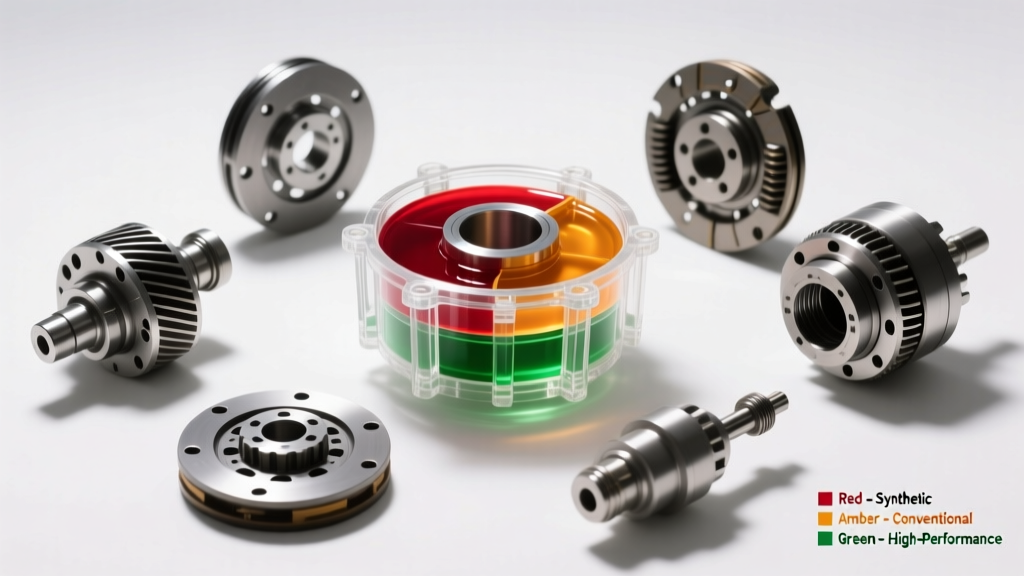
Differential Fluid Color Diagnostic Chart
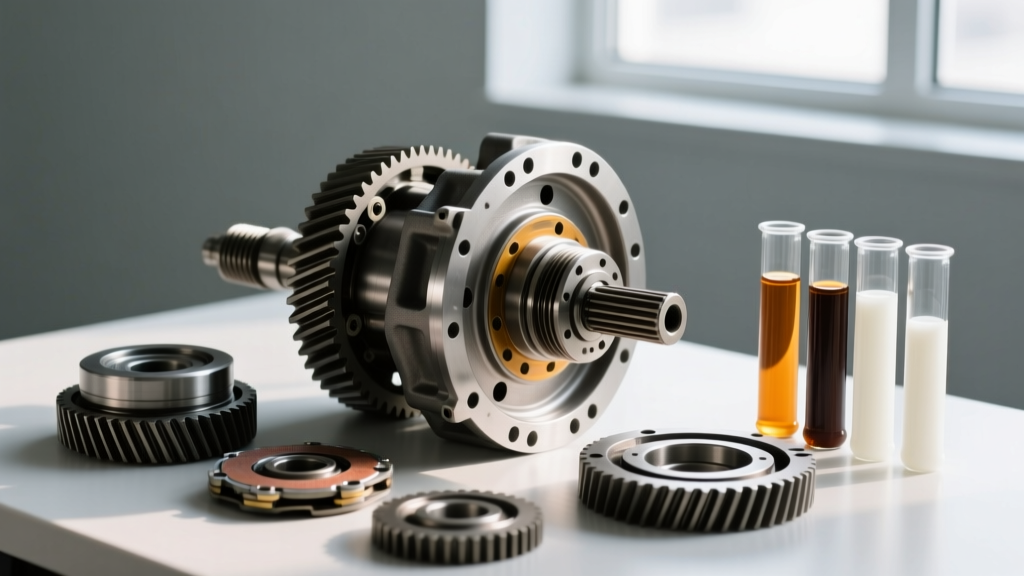
Before draining your differential, inspecting the fluid on the dipstick or fill-plug check tool provides immediate insight into the health of your ring and pinion, bearings, and the integrity of your breather system. Use the following diagnostic matrix to interpret your gear oil's condition.
| Fluid Color & Appearance | Olfactory Profile (Smell) | Root Cause Diagnosis | Required Action |
|---|---|---|---|
| Clear, Translucent Amber | Mild sulfur / petroleum | New, healthy fluid. EP additives are fully intact. | None. Reinstall fill plug. |
| Dark Brown / Opaque Black | Burnt marshmallow / acrid | Thermal oxidation. Common after 50k+ miles or heavy towing. Indicates fluid has exceeded its thermal threshold. | Perform full fluid drain and refill. |
| Milky, Cloudy, or Coffee-Colored | Rancid milk / metallic tang | Water emulsification. Caused by submerged axles or a failed/missing rear differential breather sucking in moisture during cool-down. | Immediate flush, breather replacement, and bearing inspection. |
| Grey Sludge with Glitter | Sharp metallic / hot iron | Catastrophic mechanical wear. Ring and pinion spalling, or failing pinion/cARRIER bearings. | Complete differential teardown and rebuild. |
How a Faulty Rear Differential Breather Ruins Gear Oil
To master preventive maintenance, you must understand the two primary failure modes associated with the rear differential breather and how they manifest in the fluid's condition.
Scenario 1: Clogged Breather and Pressure Blowout
Dirt, mud, and road grime can easily pack into a standard push-in axle breather cap. When the breather clogs, the expanding hot air has nowhere to go. This internal pressure seeks the path of least resistance, which is typically the inner axle shaft seals or the pinion seal. Once a seal is compromised, gear oil leaks out. As the fluid level drops below the ring gear's centerline, the oil fails to splash and circulate properly. The resulting friction turns the remaining fluid jet-black and burns the Extreme Pressure (EP) additives, leaving your gears unprotected against microwelding and spalling.
Scenario 2: Submerged Axles and Water Ingestion
For off-road vehicles, water crossings are a reality. If your rear differential breather is located low on the axle housing, or if the breather hose has rotted and disconnected, submerging the axle causes an immediate thermal shock. The cold water rapidly contracts the hot air inside the housing, creating a massive vacuum. This vacuum violently sucks water past the seals or directly through the breather tube. The result is the dreaded 'milky' fluid condition.
The Chemistry of Failure: Water vs. EP Additives
Why is water ingress so devastating to hypoid gear oil? Modern 75W-90 and 75W-140 synthetic gear oils rely heavily on Sulfur-Phosphorus (S-P) Extreme Pressure additives to protect the sliding friction surfaces of the ring and pinion gears. When water enters the differential through a compromised breather, it reacts with these S-P additives under high heat and pressure to form sulfuric and phosphoric acids.
According to lubrication engineers at AMSOIL, this acidic environment rapidly etches bearing races and accelerates fatigue wear on gear teeth. Even a water contamination level as low as 1% can reduce the load-carrying capacity of your gear oil by over 50%. If your fluid looks like a chocolate milkshake, the chemical damage to your axle bearings has already begun, and a simple fluid change may only be a temporary band-aid if the bearings have already suffered hydrogen-induced cracking.
Step-by-Step Preventive Maintenance: Breather and Fluid Service
Upgrading and servicing your rear differential breather should be a mandatory part of every gear oil change. Here is the professional-grade procedure to ensure your fluid condition remains pristine.
Required Tools and OEM Part Numbers
- Breather Upgrade Kit: Replace cheap push-in caps with a remote, vented breather routed high into the frame rail. Use the Dorman 65186 Universal Axle Vent Kit or OEM specific parts like the Motorcraft YC2Z-13430-AA (Ford) or Toyota 90930-03124.
- Gear Oil: 75W-90 or 75W-140 Full Synthetic (e.g., Mobil 1 or Royal Purple). Check your owner's manual for exact capacities (typically 2.5 to 3.5 quarts for light-duty, up to 4.5 quarts for heavy-duty Dana 60s).
- Friction Modifier: If equipped with a clutch-type Limited Slip Differential (LSD), add 4 oz of Motorcraft XL-3 or equivalent to prevent chatter.
- Fluid Transfer Pump: LockSmart FPC101 or similar hand-pump to prevent spillage.
- Sealant: Permatex 81182 Black RTV Silicone (if your differential utilizes a gasketless stamped steel cover).
Torque Specifications and Service Data
Proper torque is critical to prevent warping differential covers or stripping aluminum fill plugs. Always consult Spicer Parts technical documentation or your specific OEM service manual, but standard baseline specifications for common axles include:
- Dana 60 / Dana 70 Cover Bolts: 25 - 35 lb-ft (Apply a bead of RTV, let it tack for 10 minutes, torque in a crisscross pattern).
- Ford 8.8 / 10.5 Sterling Fill Plugs: 22 - 30 lb-ft (Use caution with aluminum plugs; over-torquing will crack the housing).
- Toyota 8-Inch / 9.5-Inch Drain/Fill Plugs: 29 lb-ft (Always replace the aluminum crush washers on the drain plugs to prevent seepage).
When routing your new rear differential breather hose, ensure the loop is secured above the maximum wading depth of your vehicle, typically zip-tied to the upper crossmember or inside the bed/frame rail. Secure the hose with a high-quality clamp to prevent it from vibrating loose and exposing the axle to vacuum-induced water ingestion.
Cost Breakdown: DIY vs. Dealership Differential Service
Ignoring differential fluid color and condition until failure occurs will result in a complete axle replacement costing between $2,500 and $4,500 in 2026. Preventive maintenance is a fraction of the cost.
- DIY Preventive Service: $60 - $110 (Includes 3-4 quarts of premium synthetic 75W-140, LSD additive, RTV, and a remote breather kit).
- Dealership / Shop Service: $180 - $350 (Typically includes a standard drain and fill, but shops rarely inspect or upgrade the rear differential breather unless specifically requested and billed as an additional part).
By taking a proactive approach to reading your differential fluid's color and maintaining a functional, elevated rear differential breather, you ensure that the hypoid gear sets and bearings in your axle operate with maximum film strength and zero moisture contamination. Make this $5 breather inspection a permanent fixture on your preventive maintenance checklist.