Is There a Clutch in Automatic Cars? The Engineering Reality
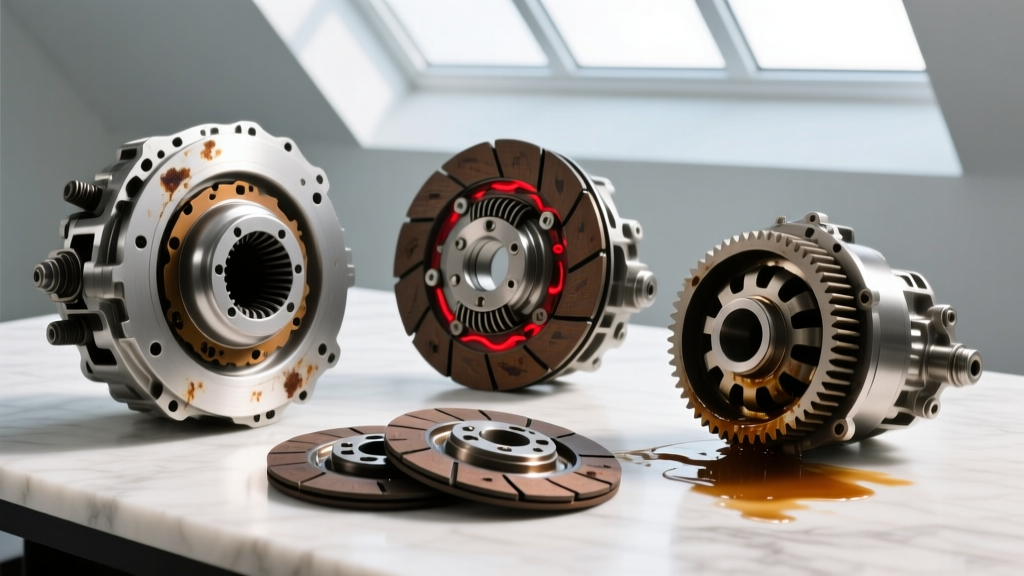
When novice drivers and DIY mechanics ask, "is there clutch in automatic cars?", the answer is a definitive yes. While automatic transmissions lack the traditional pedal-operated dry friction disc found in manual gearboxes, they rely heavily on internal wet clutch packs and the Torque Converter Clutch (TCC) to manage power transfer and gear ratios. When a burning smell emanates from a vehicle's drivetrain, pinpointing the exact source is critical. A burning odor can indicate a slipping manual clutch disc, a failing TCC lockup mechanism, or catastrophic internal friction pack wear in units like the GM 6L80 or ZF 8HP.
In this comprehensive diagnostic guide, we will break down the olfactory and mechanical differences between manual and automatic clutch burns, providing transmission specialists and advanced DIYers with the exact troubleshooting protocols, pressure specifications, and part numbers required to resolve the issue.
Decoding the Aroma: Manual Friction vs. Automatic ATF Burn
The first step in clutch system diagnostics is identifying the chemical signature of the burning smell. Manual and automatic clutches utilize entirely different friction materials, which produce distinct odors when subjected to extreme thermal degradation.
| Transmission Type | Friction Material | Odor Profile | Primary Failure Catalyst | Immediate Action Required |
|---|---|---|---|---|
| Manual (Dry Clutch) | Organic / Kevlar / Ceramic | Burnt hair, asbestos, or acrid campfire smoke | Riding the pedal, improper free-play, weak pressure plate | Stop driving; check clutch pedal free-play and flywheel runout |
| Automatic (TCC) | Wet Cellulose / Carbon Fiber | Burnt toast, sweet varnish, or hot chemicals | PWM solenoid failure, low line pressure, contaminated ATF | Check ATF color/smell on dipstick; scan for TCC slip codes |
| Automatic (Internal Packs) | Sintered Bronze / Paper-based | Severe burnt varnish, metallic acrid smoke | Seal blowouts, broken wave plates, mechatronic leaks | Perform line pressure test; prepare for transmission teardown |
The Manual Clutch Burn Profile
A traditional manual clutch assembly (e.g., a LuK RepSet or Sachs Performance kit) operates dry. The friction disc contains organic resins, fiberglass, and sometimes metallic or ceramic compounds. When the disc slips against the flywheel under load, surface temperatures can rapidly exceed 600°F (315°C). This causes the organic binders to vaporize, producing a pungent, unmistakable odor similar to burnt hair or hot brake dust. If you diagnose a manual clutch burn, inspect the clutch pedal master cylinder for internal bypassing, which can restrict fluid return and inadvertently apply constant pressure to the release bearing, keeping the clutch slightly disengaged.
The Automatic Transmission Burn Profile
Automatic transmission fluid (ATF) acts as both a lubricant and a hydraulic medium. When internal wet clutches slip, they shear the ATF, rapidly degrading its chemical additives. Burnt ATF smells distinctly like burnt toast or acrid varnish. If you pull the transmission dipstick and the fluid is dark brown or black with a burnt odor, the internal clutch packs or the TCC have experienced severe thermal shock.
Deep-Dive Diagnostics: Automatic Transmission Burning Smells
Because automatic transmissions house multiple clutch apply circuits, diagnosing the exact source of the burn requires bi-directional scan tools and hydraulic pressure testing.
Scenario A: Torque Converter Clutch (TCC) Slip
The TCC is a lockup clutch inside the torque converter that eliminates parasitic slippage at highway speeds, improving fuel economy. Modern vehicles use Pulse Width Modulated (PWM) solenoids to apply the TCC smoothly. If the TCC apply circuit leaks or the solenoid fails, the TCC will slip continuously at 40-70 MPH, generating immense heat and burning the ATF.
- Diagnostic Codes: P0741 (TCC Stuck Off), P0742 (TCC Stuck On), P0744 (TCC Circuit Intermittent).
- Scan Tool Data: Monitor "TCC Slip RPM". Commanded slip should be near 0-20 RPM when locked. If actual slip reads 100-300+ RPM while the PCM commands lockup, you have a hydraulic leak in the TCC circuit or a worn converter clutch lining.
- Common Culprits: Worn stator support shaft bushings, degraded TCC control valve bores in the valve body, or a failed PWM solenoid (e.g., GM part #24230298).
Scenario B: Internal Clutch Pack Failure (GM 6L80 & ZF 8HP)
Internal friction packs engage specific planetary gearsets. When these packs burn, it is usually due to a sudden loss of hydraulic apply pressure.
The GM 6L80 / 6L90 3-5-R Clutch Failure:
A notorious failure point in GM's 6-speed automatics is the 3-5-R clutch wave plate (OEM Part #24236933). This stamped steel plate is prone to fatigue and shattering. When it breaks, steel debris is forced into the valve body, jamming solenoids and blocking fluid orifices. This causes the 3-5-R clutch pack to slip and burn, resulting in a severe burnt ATF smell, loss of 3rd, 5th, and Reverse gears, and eventual transmission destruction.
The ZF 8HP Mechatronic Sleeve Leak:
In ZF 8-speed transmissions (found in BMW, Audi, Dodge, and Ford), the mechatronic unit connects to the transmission case via plastic adapter sleeves. Over time, these sleeves crack and leak hydraulic pressure. The resulting low line pressure prevents the internal clutch packs from applying with sufficient force, leading to micro-slippage, glazing, and a distinct burnt varnish smell. Upgrading to reinforced aftermarket sleeves (available via Sonnax Technical Resources) is a mandatory repair protocol.
Step-by-Step Troubleshooting Protocol
Follow this exact diagnostic sequence when a customer reports a burning smell from the drivetrain:
- Verify Fluid Condition: Extract 5ml of ATF via the dipstick or fill plug. Rub it between your fingers. If it feels gritty or smells burnt, internal friction material is actively delaminating. Note: ZF 8HP units require specific ZF LifeguardFluid 8; cross-contamination causes immediate clutch swelling and slip.
- Connect a Line Pressure Gauge: Install a 0-300 PSI transmission pressure gauge into the main line pressure port (typically 1/8" NPT). Compare idle and stall pressures against OEM specifications. For example, a GM 6L80 should show roughly 55-65 PSI in Park at idle, spiking to 120-140 PSI in Reverse. Low pressure across all ranges indicates a failing pump or severe internal cross-leak.
- Perform a TCC Apply Test: Using a bi-directional scanner (e.g., Autel MaxiSys or Snap-On Zeus), manually command the TCC solenoid to 100% duty cycle at 45 MPH. If the engine RPM does not drop by 150-200 RPM, the TCC is not applying. Consult ATSG Technical Resources for specific solenoid resistance testing values.
- Manual Clutch Free-Play Check: If the vehicle is a manual, measure the clutch pedal free-play. It should typically be 1.0 to 1.5 inches. Zero free-play means the release bearing is constantly riding the pressure plate diaphragm spring, causing perpetual slip and burning.
Expert Warning: Never perform a high-pressure chemical "flush" on an automatic transmission that already exhibits a burnt ATF smell. The burnt fluid contains suspended friction material and metallic debris. Flushing can dislodge this debris into the valve body's delicate spacer plates and solenoid screens, turning a slipping clutch issue into a complete no-drive condition.
Repair Cost Estimates & Part Sourcing
Addressing a burning clutch smell ranges from minor hydraulic repairs to complete drivetrain overhauls. Below are current market estimates for parts and professional labor.
| Repair Scenario | Key Components / Part Numbers | Part Cost (Est.) | Labor Cost (Est.) | Total Repair Estimate |
|---|---|---|---|---|
| Manual Clutch Replacement | LuK RepSet (e.g., 04-221), Flywheel Resurfacing | $250 - $450 | $400 - $800 | $650 - $1,250 |
| TCC Solenoid / Valve Body | GM PWM Solenoid (24230298), Valve Body Kit | $85 - $350 | $250 - $500 | $335 - $850 |
| ZF 8HP Mechatronic Sleeves | Reinforced Adapter Sleeves, ZF Lifeguard 8 Fluid | $120 - $200 | $300 - $500 | $420 - $700 |
| GM 6L80 3-5-R Rebuild | Wave Plate (24236933), Clutch Packs, Torque Converter | $600 - $1,100 | $1,800 - $2,500 | $2,400 - $3,600 |
Final Thoughts on Drivetrain Thermal Management
Whether you are diagnosing a dry manual clutch or a complex 8-speed automatic, a burning smell is a critical distress signal. Understanding that automatic cars indeed utilize complex clutch systems—both inside the torque converter and within the gearset hubs—allows technicians to move beyond guesswork. By leveraging hydraulic pressure data, bi-directional solenoid control, and precise fluid analysis, you can accurately isolate the thermal failure, save the customer from secondary valve body damage, and restore optimal power transfer. For ongoing diagnostic updates and valve body schematics, industry professionals should regularly review Transmission Digest and OEM technical service bulletins.