The Misconception of the Clutch Operated Transmission Vehicle
When a driver experiences slipping, shuddering, or delayed engagement, they often assume they are dealing with a failing manual clutch. The search term clutch operated transmission vehicle typically brings up three-pedal setups, throw-out bearings, and flywheel resurfacing. However, as of 2026, the vast majority of vehicles on the road utilize automatic transmissions that are heavily dependent on internal wet clutch packs and Torque Converter Clutches (TCC). Diagnosing clutch problems in these automatic units requires a completely different framework, specialized fluid analysis, and an understanding of complex electro-hydraulic valve bodies.
Unlike a traditional manual clutch that is subject to direct driver abuse, internal automatic clutches fail due to thermal degradation, fluid breakdown, solenoid fatigue, or mechanical wave plate fractures. This comprehensive comparison and buyer's guide will break down the symptoms of automatic transmission clutch failures, compare them to manual setups, and provide exact diagnostic data for popular modern platforms like the GM 6L80, ZF 8HP, and Ford 10R80.
Internal Auto Clutches vs. Traditional Manual Clutches
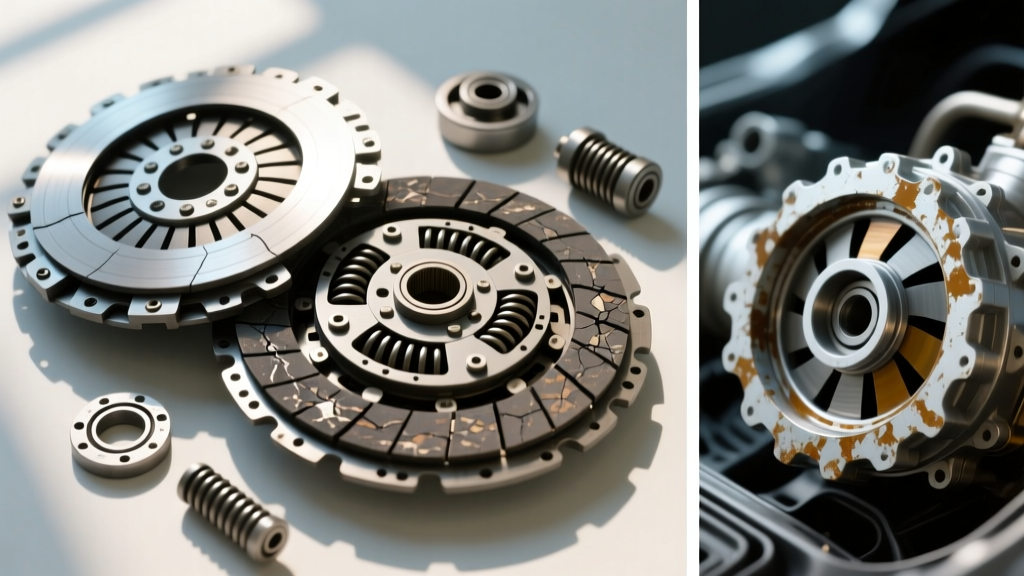
To accurately diagnose a drivetrain issue, technicians and buyers must differentiate between a failing manual friction disc and failing internal automatic clutch packs. The symptoms manifest differently across the RPM band and vehicle speed spectrum.
| Symptom Category | Manual Clutch Failure | Automatic Internal Clutch Pack Failure | Automatic TCC (Torque Converter Clutch) Failure |
|---|---|---|---|
| Slipping | RPMs flare under heavy load; pedal feels spongy or high. | RPMs flare during specific gear shifts (e.g., 2-3 or 3-4); no pedal change. | RPMs fluctuate rapidly at highway cruising speeds (45+ mph). |
| Engagement | Chatter upon takeoff; difficulty entering gear. | Harsh, delayed, or "neutral" feel when shifting from Park to Drive/Reverse. | Shudder or vibration felt through the chassis at 30-50 mph. |
| Fluid/Smell | Burnt organic smell from the bell housing. | Severely burnt, dark fluid on the dipstick; metallic debris in the pan. | Fluid may appear normal but lacks friction modifiers; shudder persists. |
| Driver Input | Directly tied to pedal modulation and release bearing wear. | Controlled by PCM/TCM shift solenoids and line pressure. | Controlled by TCC apply solenoid and PWM (Pulse Width Modulation) signals. |
Deep Dive: Common Automatic Clutch Failures by Transmission Model
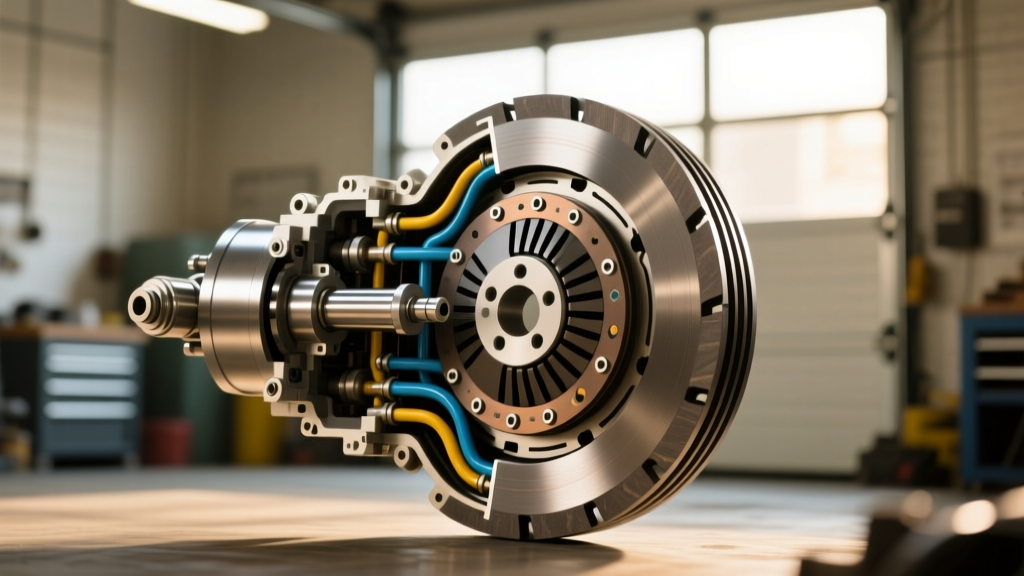
Modern automatic transmissions use multiple multi-plate friction clutches to engage different planetary gear sets. When one pack fails, specific gears are lost. Below is a 2026 diagnostic breakdown of the most prevalent clutch-related failures in high-volume transmissions.
1. GM 6L80 / 6L90: The 3-5-R Wave Plate Fracture
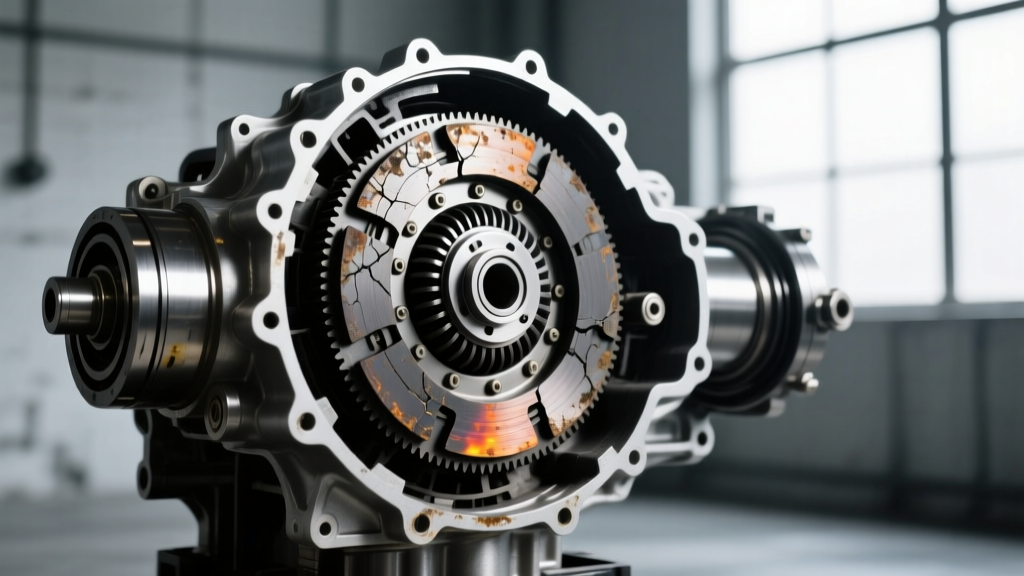
The GM 6L80 and 6L90 transmissions are notorious for a specific internal mechanical failure that mimics a severe clutch burnout. The 3-5-R clutch wave plate (GM Part # 24236933) is known to fatigue and fracture. When this steel plate breaks, it sends metallic shrapnel directly into the clutch pack and the valve body.
- Symptoms: Complete loss of 3rd, 5th, and Reverse gears. The transmission may default to "limp mode" and throw codes like P0733 (Gear 3 Incorrect Ratio).
- Diagnostic Confirmation: Drop the transmission pan. If you find coarse metallic debris and fragments of a steel wave plate, the 3-5-R clutch pack is destroyed. The TEHCM (Transmission Electro-Hydraulic Control Module) must also be flushed or replaced, as debris clogs the internal solenoid screens.
- Specs: Pan bolt torque is strictly 10 Nm (89 lb-in). Over-torquing will strip the aluminum case threads. Dry fill capacity is approximately 10.6 liters of Dexron VI.
2. ZF 8HP (Gen 1 & Gen 2): Mechatronic Sleeve Leaks and Clutch Pack 'E'
The ZF 8HP is a marvel of engineering, utilized by BMW, Audi, Jaguar, and Stellantis. However, internal clutch apply issues are frequently misdiagnosed as total clutch pack wear when the root cause is hydraulic leakage. According to ZF's official transmission documentation, the 8HP relies on precise hydraulic volumes to engage clutches in milliseconds.
- Symptoms: Harsh 2-1 downshifts, delayed engagement into Reverse, or a "flare" between 3rd and 4th gear.
- Diagnostic Confirmation: The Mechatronic adapter sleeve (the bridge between the valve body and the transmission case) uses rubber O-rings that flatten and degrade over time, causing internal pressure leaks. Furthermore, Clutch Pack 'E' frictions can glaze if the vehicle is frequently subjected to high-torque towing. A line pressure test will reveal dropping pressure during clutch apply phases.
- Specs: Requires specialized ZF Lifeguard 8 fluid. The plastic transmission pan integrates the filter and must be replaced as a single unit. Pan bolt torque: 10 Nm.
3. Ford 10R80: C-Clutch and TCC Shudder
The Ford 10R80 10-speed automatic has faced widespread scrutiny regarding torque converter clutch shudder and internal C-clutch degradation. The tight gear ratios require rapid, overlapping clutch applies, generating immense heat.
- Symptoms: A rhythmic shudder at 45-55 mph under light throttle (TCC slip issue), or harsh, banging shifts into 4th and 6th gear (C-clutch apply issue).
- Diagnostic Confirmation: Use a bi-directional scan tool to command the TCC solenoid. If slip RPMs exceed 20-30 RPMs consistently, the torque converter clutch friction material is degraded. For C-clutch issues, inspect the valve body for worn separator plates and check the C-clutch piston seals for tearing. As noted in ATSG technical bulletins, degraded Mercon ULV fluid loses its friction modifiers rapidly, accelerating clutch wear.
2026 Buyer's Guide: Rebuild vs. Remanufactured vs. Used
When an internal automatic clutch pack fails, the transmission must be removed and disassembled. Buyers and shop owners face a critical decision matrix regarding replacement strategies. The Sonnax Technical Resources database frequently highlights how ignoring secondary wear items during a rebuild leads to rapid comebacks.
| Replacement Strategy | Estimated Cost (Parts Only) | Pros | Cons & Risks | Best For |
|---|---|---|---|---|
| Master Overhaul Kit (Raybestos / Alto) |
$450 - $950 | Cost-effective; allows for upgrades (e.g., Alto Red Eagle frictions, Kolene steels). | Requires expert machining, clutch pack clearance measurement (0.040"-0.060" typical), and specialized tools. | Experienced DIYers, dedicated transmission shops. |
| Remanufactured Unit (Jasper, ETE Reman) |
$3,200 - $5,500 | Plug-and-play; includes updated valve bodies, new torque converters, and 3-year warranties. | High upfront cost; core charge return required; freight shipping delays. | Daily drivers, fleet vehicles, shops without rebuild capabilities. |
| Used / Junkyard Pull | $800 - $1,800 | Fastest sourcing; lowest immediate out-of-pocket expense. | Internal clutch wear is unknown; high risk of inheriting the previous owner's burnt frictions and metallic debris. | Project cars, vehicles being prepped for immediate resale. |
Diagnostic Framework: Fluid Analysis and Line Pressure Testing
Before committing to a transmission removal, a rigorous diagnostic protocol must be followed to confirm internal clutch failure versus external electronic faults.
Step 1: Advanced Fluid Diagnostics
Pull the transmission dipstick or crack the drain plug. Healthy automatic fluid is translucent and red (or specific to the OEM dye, like ZF's green/yellow tint). If the fluid is opaque black and smells of burnt toast, the organic friction material on the clutch discs has off-gassed and separated from the steel cores. If you spot a "glitter" suspension in the fluid, metallic thrust washers or planetary gears are failing, which will subsequently destroy the clutch packs via contamination.
Step 2: Hydraulic Line Pressure Testing
Locate the transmission line pressure test port on the case. Connect a 300 PSI transmission pressure gauge.
- Idle in Park/Neutral: Should read between 50-75 PSI.
- Idle in Drive/Reverse: Should bump to 60-90 PSI as the forward/reverse clutch packs apply.
- Stall Test (Max Pressure): Hold the brake and lightly load the engine. Pressure should spike to 150-220 PSI. If pressure drops or fails to rise during a stall test, the internal clutch piston O-rings are blown, or the pump is failing, resulting in clutch slip.
Step 3: Solenoid and Clutch Volume Index (CVI)
Modern OBD3 and manufacturer-specific scan tools allow technicians to read the Clutch Volume Index (CVI). The CVI measures the exact volume of fluid (in cubic centimeters) required to pack a clutch drum. As friction discs wear thinner, the CVI number increases. If the CVI for a specific clutch pack (e.g., the 2-4 clutch or Overdrive clutch) exceeds the manufacturer's programmed threshold (often around 120-140 cc), the TCM will throw a "Clutch Volume Index" code, confirming mechanical wear without ever dropping the pan.
Final Verdict for Buyers and Diagnosticians
Treating an automatic transmission like a simple clutch operated transmission vehicle is a recipe for misdiagnosis and wasted capital. Automatic clutch failures are rarely isolated incidents; they are the final symptom of hydraulic neglect, thermal abuse, or mechanical fatigue in the valve body. By utilizing fluid analysis, CVI data logging, and line pressure testing, you can accurately pinpoint whether a simple Mechatronic sleeve replacement will solve your ZF 8HP shudder, or if your GM 6L80 requires a complete master overhaul kit to replace a shattered 3-5-R wave plate. Always prioritize OEM-specified friction modifiers and strict torque sequences during reassembly to ensure the longevity of these complex hydraulic machines.