The Core Question: Does an Automatic Transmission Have a Flywheel?
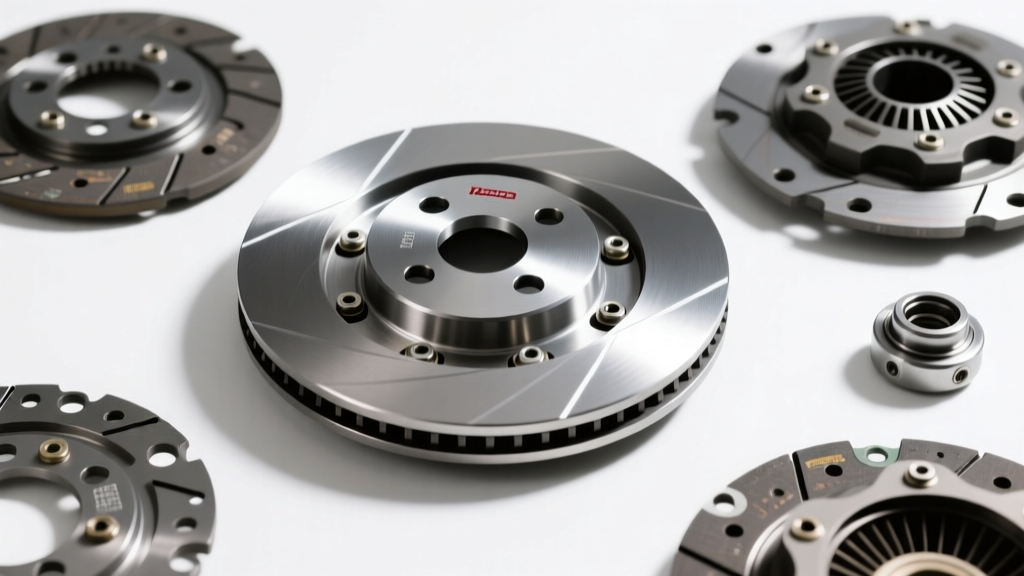
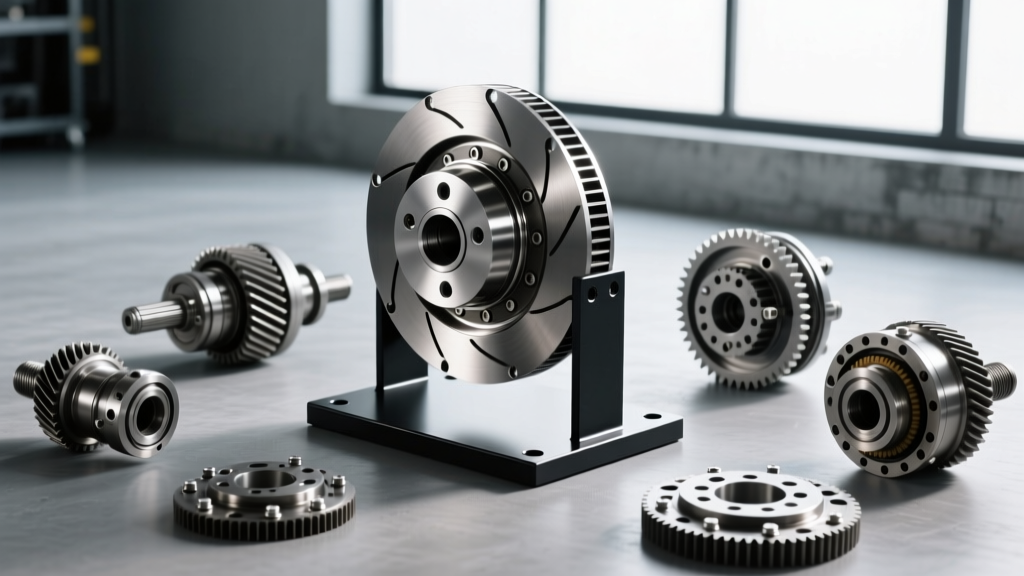
When enthusiasts and fleet technicians ask, "does automatic transmission have flywheel" components, the answer requires a nuanced understanding of modern drivetrain architecture. In a strict mechanical sense, traditional hydraulic automatic transmissions (like the GM 6L80, Ford 10R80, or ZF 8HP) do not use a traditional heavy flywheel. Instead, they utilize a flexplate. The flexplate is a thin, stamped steel or nodular iron disc that bolts to the crankshaft and mates with the torque converter.
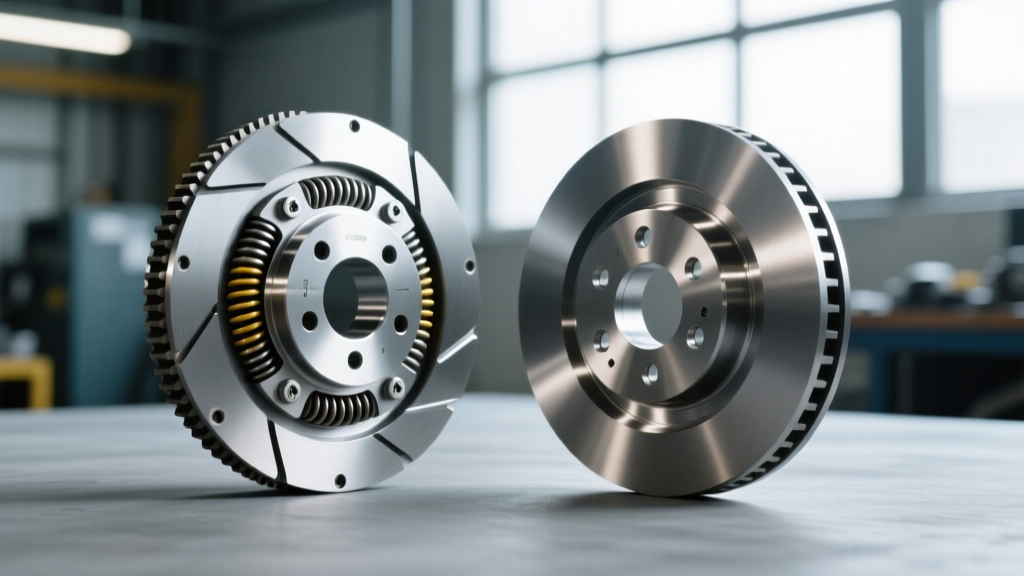
However, the landscape of "automatic" shifting has evolved drastically as we move through 2026. Dual-Clutch Transmissions (DCTs) and Automated Manual Transmissions (AMTs)—such as the VW/Audi DSG, Porsche PDK, and Ford PowerShift—do use actual flywheels, specifically Dual-Mass Flywheels (DMFs). Because these gearboxes lack a fluid torque converter to absorb engine harmonics, the DMF must handle the critical job of torsional dampening.
Understanding whether your vehicle relies on a flexplate or a DMF is the first step in executing a proper preventive maintenance routine. Misdiagnosing a failing flexplate as a transmission internal fault can lead to thousands of dollars in unnecessary rebuilds.
Flywheel and Flexplate Materials: What Are They Made Of?
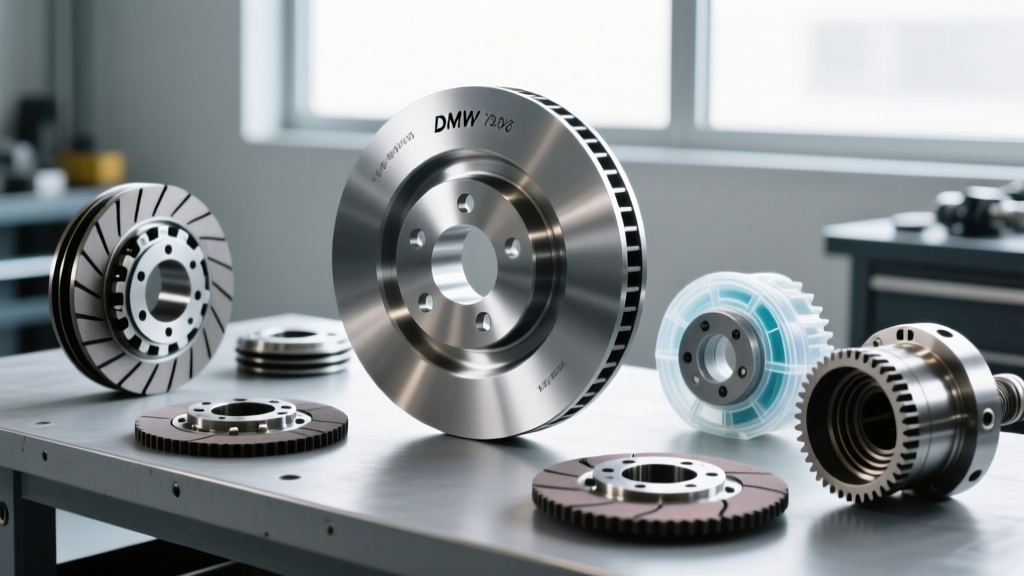
The metallurgy of the engine-to-transmission coupling dictates its lifespan, harmonic absorption capabilities, and failure modes. Preventive maintenance begins with knowing what metal is spinning at 7,000 RPM behind your engine block.
Material Breakdown & Applications
| Material Type | Primary Application | Characteristics & Maintenance Traits |
|---|---|---|
| Stamped Steel | Standard Passenger Automatics (e.g., GM 4L60E, Chrysler 8HP) | Lightweight, flexible to absorb minor crankshaft end-play. Prone to cracking around the crank bolt holes if torque specs are ignored. |
| Nodular Cast Iron | Heavy-Duty Diesel Trucks (e.g., Ram Cummins, Ford PowerStroke) | Extremely rigid, thick profile to handle high torque. Rarely bends, but ring gear teeth can chip under aggressive towing loads. |
| Billet Steel / Aluminum | Motorsport, Drag Racing Automatics | Zero flex, SFI-certified for explosion containment. Requires precise crankshaft balancing and frequent runout inspections. |
| Complex DMF (Steel + Dampers) | DCTs and Automated Manuals (e.g., VW DQ250, Ford DPS6) | Two steel masses separated by internal grease-packed arc springs. Internal damper failure is common; requires specialized diagnostic tools. |
Preventive Maintenance Guide: Inspecting Automatic Flexplates
For the vast majority of traditional automatics on the road, flexplate health is paramount. A flexplate does not have a friction surface to wear out like a manual clutch flywheel, but it is subject to immense rotational stress and harmonic vibration.
The Critical Threat: Flexplate Runout
Runout refers to the lateral wobble of the flexplate as it spins. According to drivetrain engineering standards, excessive runout will destroy the front pump bushing and input shaft seals of the transmission. Sonnax, a leading transmission component manufacturer, notes that runout exceeding 0.020 inches (0.5mm) is a primary catalyst for premature transmission failure.
Preventive Action Plan:
- Dial Indicator Testing: Whenever the transmission is removed (e.g., for a rear main seal leak), mount a magnetic dial indicator to the engine block. Measure the flexplate runout at the torque converter mounting pads. If it exceeds 0.015 inches, the flexplate must be replaced or the crankshaft flange must be inspected for warping.
- Ring Gear Inspection: Use a boroscope through the starter motor hole every 100,000 miles to check for missing or shark-finned teeth on the starter ring gear. A failing starter Bendix can chew up a flexplate ring gear, leading to catastrophic no-start conditions.
- Hardware Verification: Flexplate bolts are typically Torque-To-Yield (TTY) or require a specific angle turn. Reusing old bolts is a guaranteed path to failure.
Real-World Torque Specifications
Improper torquing causes uneven clamping force, leading to micro-fractures radiating from the center hub. Always adhere to OEM specifications:
- GM 6L80 / 6L90 (Gen IV/V V8): M10x1.25 bolts. Torque to 60 Nm (44 lb-ft), then turn an additional 50 degrees. (ACDelco Part # 12601192).
- Ford 6R80 / 10R80 (Coyote / EcoBoost): Torque to 59 lb-ft (80 Nm) in a star pattern. Use of a high-strength thread locker (like Loctite 262) is highly recommended on Ford applications due to known harmonic vibration issues.
Dual-Mass Flywheel (DMF) Maintenance in Modern DCTs
If your vehicle is equipped with a Dual-Clutch Transmission, the answer to "does automatic transmission have flywheel" is a resounding yes. The DMF is a wear item, much like a brake pad, but it is hidden between the engine and transmission bell housing.
"In DCT applications, the DMF absorbs the low-frequency torsional vibrations of the engine. When the internal arc springs fatigue or the grease degrades from thermal cycling, the transmission mechatronics unit will detect clutch engagement anomalies and trigger limp mode." — Drivetrain Calibration Engineer, ZF Aftermarket Division
Diagnosing DMF Wear Before Catastrophe
Preventive maintenance for DMFs relies on auditory and tactile feedback, as well as specialized measuring tools during service intervals.
- The "Clunk" Test: With the engine off and the vehicle in neutral, manually rock the crankshaft pulley back and forth using a breaker bar. You should feel a distinct, cushioned resistance (the internal springs). If you hear a metallic clunk or feel free-play exceeding 20mm of rotational movement at the ring gear, the internal dampers are collapsed.
- Idle Resonance Checks: A healthy DMF isolates engine vibration. If the cabin begins to vibrate heavily at idle (typically around 750-850 RPM), or if you hear a rhythmic "clacking" sound from the bell housing that disappears when RPMs are raised, the DMF is failing.
- Visual Inspection (When Separated): Look for blue heat marks on the primary friction surface, or excessive grease weeping from the internal seals. According to Schaeffler RepXpert guidelines, any visible grease leakage mandates immediate replacement, as the internal bearings are running dry.
Common DCT DMF Part References:
VW/Audi DQ250 (6-Speed DSG): LuK Part # 415 0225 09
BMW ZF 7DCT: Sachs Part # 2290 601 042
Replacement Intervals and Cost Expectations (2026 Market Data)
Unlike manual transmission clutches that require replacement every 60,000 to 90,000 miles, flexplates on traditional automatics are generally considered "lifetime" components, meaning they only require replacement if damaged, warped, or if the ring gear fails. DMFs in DCTs, however, have a finite service life, typically ranging from 100,000 to 150,000 miles depending on driving habits (e.g., heavy stop-and-go traffic accelerates DMF wear).
Cost Breakdown: Flexplate vs. DMF Service
| Component / Service | Part Cost Range | Labor Cost Range | Total Estimated Cost |
|---|---|---|---|
| Stamped Steel Flexplate (e.g., GM 6L80) | $80 - $150 | $600 - $900 | $680 - $1,050 |
| HD Nodular Iron Flexplate (Diesel) | $250 - $450 | $900 - $1,400 | $1,150 - $1,850 |
| Dual-Mass Flywheel (e.g., VW DSG) | $600 - $1,100 | $800 - $1,200 | $1,400 - $2,300 |
| Flexplate Runout Diagnosis (In-Vehicle) | N/A | $150 - $250 | $150 - $250 |
Final Preventive Maintenance Directives
Whether your automatic transmission utilizes a torque converter and flexplate, or a wet-clutch DCT and a dual-mass flywheel, preventive care hinges on respecting torque specifications and monitoring harmonic degradation. Never reuse TTY flexplate bolts. Always measure runout with a dial indicator before mating a new or rebuilt transmission to the engine block. Finally, if you drive a DCT-equipped vehicle, budget for a DMF replacement alongside your clutch pack service at the 120,000-mile mark to prevent mechatronic unit damage from excessive torsional feedback.
By understanding the specific materials and mechanical roles of these components, you can save thousands in misdiagnosed transmission failures and ensure your drivetrain operates smoothly for the life of the vehicle.