The K20Z3 Drivetrain: Why Flywheel Material Matters
The 2008 Honda Civic Si, powered by the legendary 197-horsepower K20Z3 engine and mated to a close-ratio 6-speed manual transmission, remains a benchmark for front-wheel-drive engagement. However, as these vehicles age and are pushed harder on the street or track, the factory drivetrain components begin to show their limits. When the time comes for replacement, selecting the correct 2008 Honda Civic Si clutch kit with flywheel requires a deep understanding of metallurgy, rotational mass, and thermal dynamics.
From a preventive maintenance perspective, the flywheel is not merely a heavy metal disc; it is a critical thermal sink and rotational stabilizer. Choosing the wrong material for your driving style can lead to premature clutch disc glazing, catastrophic throwout bearing failure, or severe drivetrain chatter. In this guide, we break down the specific flywheel materials available for the 8th-generation Civic Si, how to inspect them, and the exact torque specifications required for a reliable installation.
Decoding Flywheel Materials for the 8th Gen Si
Unlike some European counterparts that utilize complex Dual Mass Flywheels (DMF) to dampen torsional vibrations, the 2008 Civic Si utilizes a traditional Single Mass Flywheel (SMF). This simplifies maintenance but places the burden of vibration dampening on the clutch disc's marcel springs and the engine mounts. When sourcing a replacement, you will encounter three primary material categories.
Nodular Cast Iron (OEM Specification)
The factory Honda flywheel (OEM Part Number 22100-RRB-A01) is manufactured from high-carbon nodular cast iron. This material is chosen for its exceptional thermal mass and natural damping properties. Cast iron can absorb and dissipate the immense heat generated during aggressive friction engagement without warping. For daily driving, stop-and-go traffic, and occasional canyon carving, an OEM-equivalent replacement from a trusted manufacturer like Exedy (Part # HF03) remains the gold standard for drivability and longevity.
Chromoly Steel (Forged Performance)
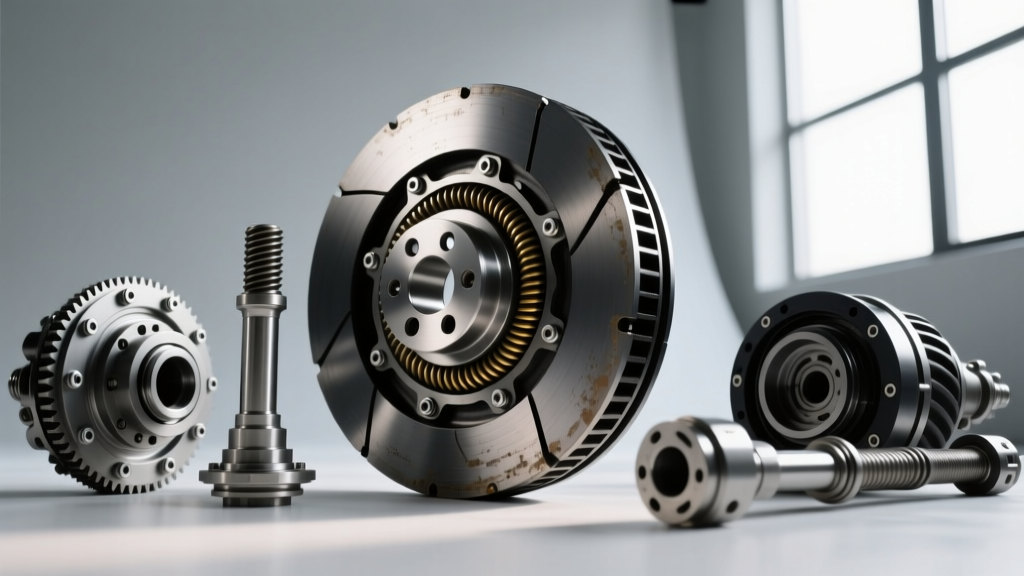
For enthusiasts tracking their Civic Si or running forced induction setups, 4140 or 4340 chromoly steel is the preferred upgrade. Chromoly flywheels are forged and CNC-machined, resulting in a component that is significantly lighter (typically 10 to 12 lbs compared to the OEM's 15+ lbs) yet possesses a higher tensile strength than cast iron. The reduced rotational mass allows the K20Z3 to rev freely and drop RPMs faster during heel-toe downshifts. However, because chromoly has a lower specific heat capacity than cast iron, it is more prone to heat checking (micro-cracking) if subjected to prolonged slipping in heavy traffic.
Billet Aluminum (Track-Focused)
Aluminum flywheels, often weighing under 8 lbs, are strictly reserved for dedicated track or drag cars. Because aluminum cannot withstand direct friction heat, these flywheels utilize a replaceable steel friction surface plate. While they offer the absolute fastest engine response, they transmit severe gear rattle at idle and make low-speed street driving notoriously difficult. From a preventive maintenance standpoint, aluminum flywheels require frequent inspection of the steel insert's mounting hardware and thickness.
Material Comparison: Heat Capacity vs. Rotational Mass
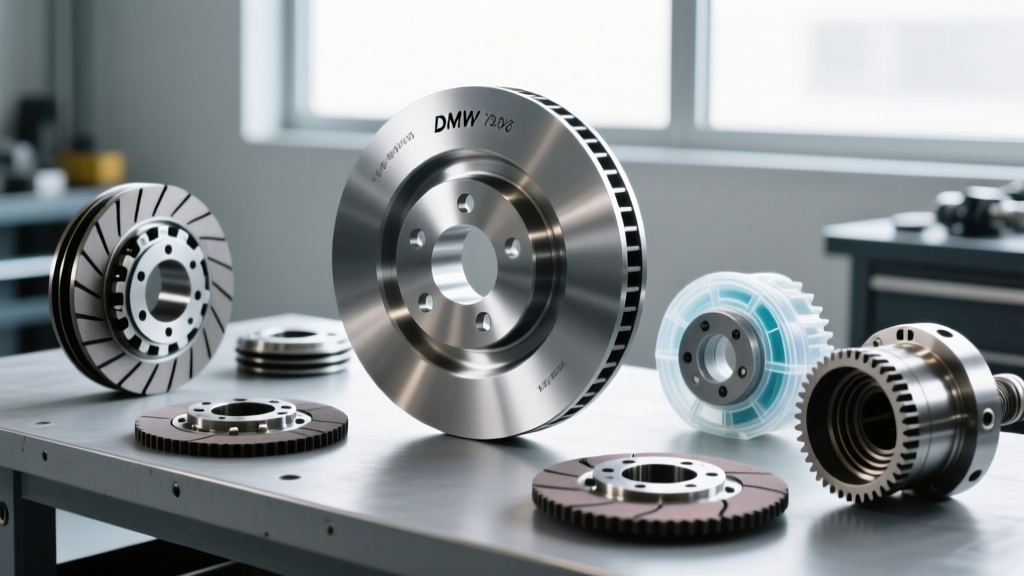
Understanding the trade-offs between weight and thermal capacity is vital for preventing premature clutch failure. Below is a comparative breakdown of the materials available for the K20Z3 platform.
| Material | Approx. Weight | Thermal Capacity | Best Use Case | Est. Cost (2026) |
|---|---|---|---|---|
| Nodular Cast Iron (OEM) | 15.5 lbs | Excellent | Daily Driving, Commuting | $180 - $250 |
| Forged Chromoly Steel | 11.0 lbs | Good | Spirited Street, Time Attack | $350 - $500 |
| Billet Aluminum w/ Insert | 7.5 lbs | Poor (Relies on Insert) | Dedicated Track, Drag | $450 - $650 |
Preventive Maintenance: Inspecting the Flywheel and Hydraulics
Preventive maintenance on the 8th-generation Civic Si extends far beyond just measuring the clutch disc friction material. When the transmission is dropped, a thorough inspection protocol must be followed to ensure the new 2008 Honda Civic Si clutch kit with flywheel operates flawlessly.
Flywheel Face and Runout Inspection
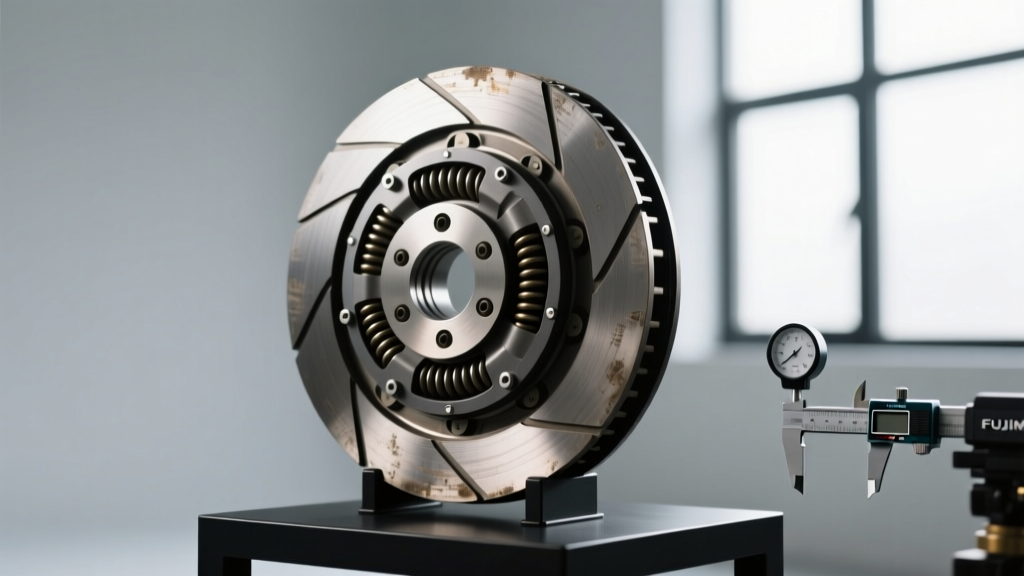
If you are considering resurfacing an OEM cast iron flywheel rather than replacing it, you must measure the lateral runout using a dial indicator. The Honda factory service manual dictates a maximum allowable runout of 0.004 inches (0.1 mm). Additionally, inspect the friction surface for 'bluing'—a blue/purple discoloration indicating that the iron has been overheated and lost its temper. Blued spots will cause severe clutch chatter and cannot be machined out if the heat penetration is deep. Finally, check the ring gear teeth for starter motor engagement wear; chipped teeth necessitate immediate flywheel replacement.
The Hydraulic Delay Valve Threat
One of the most critical, yet frequently overlooked, preventive maintenance tasks for the 2008 Civic Si is addressing the clutch master cylinder (CMC). Honda installed a delay valve in the CMC to smooth out engagement for novice drivers. Unfortunately, this valve restricts fluid flow, causing the clutch to drag during rapid shifts and leading to premature synchro and throwout bearing wear. Upgrading to an aftermarket CMC without the delay valve (such as those offered by ACT or K-Tuned) is highly recommended when installing a fresh clutch and flywheel assembly to ensure crisp, instantaneous hydraulic actuation.
Critical Torque Specifications and Installation Data
The K20Z3 engine features an aluminum block with steel main bearing caps. Proper torque sequencing and hardware selection are non-negotiable to prevent catastrophic crankshaft or flywheel failure. Never reuse the factory flywheel bolts; they are designed for specific stretch characteristics and should be replaced with new OEM hardware (Part # 90110-PRP-A01) during every installation.
- Flywheel to Crankshaft Bolts (8mm x 1.25): 76 lb-ft (103 Nm). Apply a medium-strength thread locker (e.g., Loctite 243) to the threads. Torque in a crisscross pattern.
- Pressure Plate to Flywheel Bolts (8mm x 1.25): 19 lb-ft (26 Nm). Tighten gradually in a star pattern to prevent warping the diaphragm spring.
- Clutch Master Cylinder Pushrod Clearance: 0.04 - 0.12 inches. Incorrect pushrod adjustment will keep the clutch partially engaged, burning out the new disc within miles.
- Front Axle Nuts (During Reassembly): 134 lb-ft (181 Nm). Must be replaced with new staked nuts to prevent hub separation.
Pairing the Clutch and Flywheel Correctly
A common mistake in the Honda tuning community is pairing an aggressive, high-clamp-load pressure plate with a worn or improperly matched flywheel. If you are upgrading to a sprung-hub chromoly flywheel, ensure the clutch disc features high-dampening marcel springs to absorb the K20Z3's low-RPM torsional vibrations. Rigid-hub (unsprung) discs paired with lightweight flywheels on a street-driven Civic Si will result in transmission gear rattle that can easily be mistaken for internal bearing failure.
Furthermore, always verify the flywheel step height. The K20 requires a specific step dimension between the friction surface and the pressure plate mounting pad to ensure the diaphragm spring operates within its optimal mechanical leverage range. An incorrect step height will result in a heavy pedal feel and incomplete disengagement.
Conclusion
Maintaining and upgrading the drivetrain of a 2008 Honda Civic Si requires respecting the engineering of the K-series platform. Whether you are sticking to the thermal reliability of an OEM nodular cast iron flywheel for daily commuting or stepping up to a forged chromoly unit for track duty, understanding the material properties is the first line of defense against drivetrain failure. By adhering to strict torque specifications, eliminating hydraulic restrictions, and inspecting for thermal damage, your replacement assembly will deliver thousands of miles of flawless, engaging performance. For exact OEM diagrams and part supersessions, always consult Honda Parts Now before finalizing your order.