The Intersection of Automatic Clutch Plates and Flywheels
When automotive technicians and performance builders discuss the automatic clutch plate, the conversation typically splits into two distinct drivetrain architectures: Dual-Clutch Transmissions (DCTs) and traditional planetary torque-converter automatics. Understanding the compatibility between these clutch plates and their respective engine mating surfaces—the Dual-Mass Flywheel (DMF) or the flexplate—is critical for drivetrain longevity. A mismatched friction surface or an out-of-spec flywheel runout will destroy a new automatic clutch plate in under 500 miles.
In this 2026 compatibility guide, we bridge the gap between transmission internals and engine rotating assemblies, detailing exact tolerances, material pairings, and buyer considerations for platforms ranging from the VW DQ250 DSG to the GM 10L90.
DCT vs. Traditional Automatic: Where the Plate Meets the Flywheel
Dual-Clutch Transmissions (DCT) and Dual-Mass Flywheels
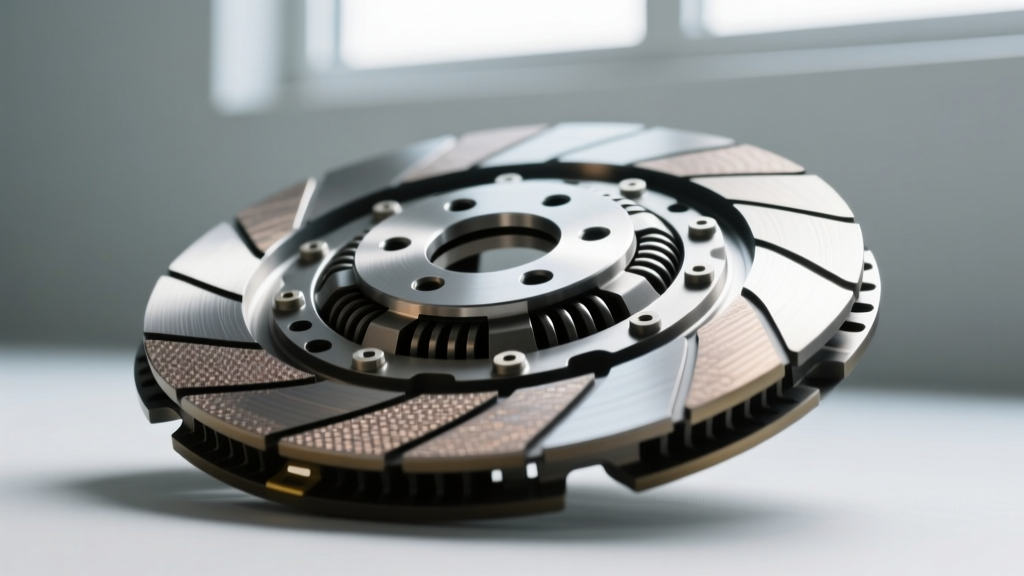
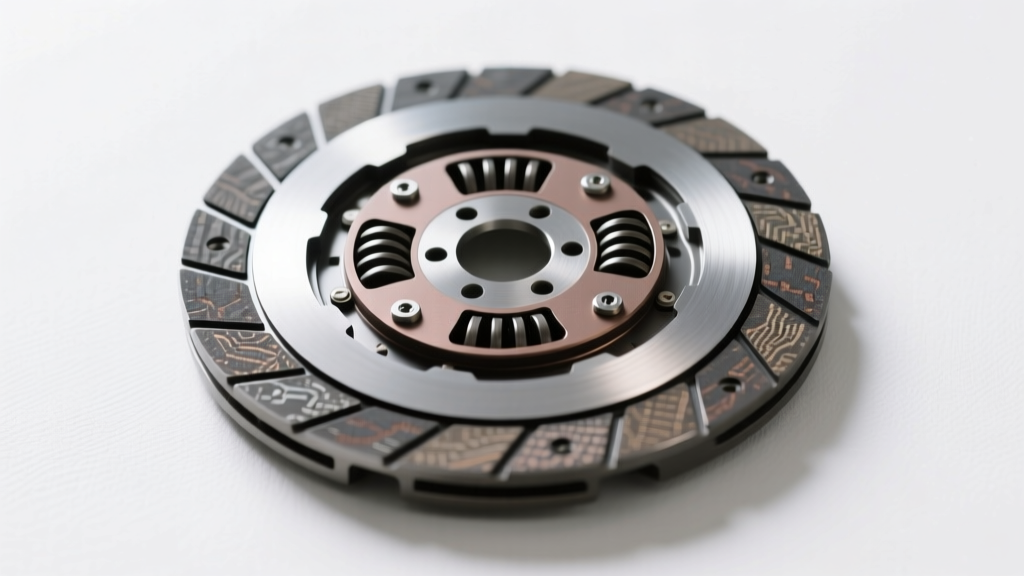
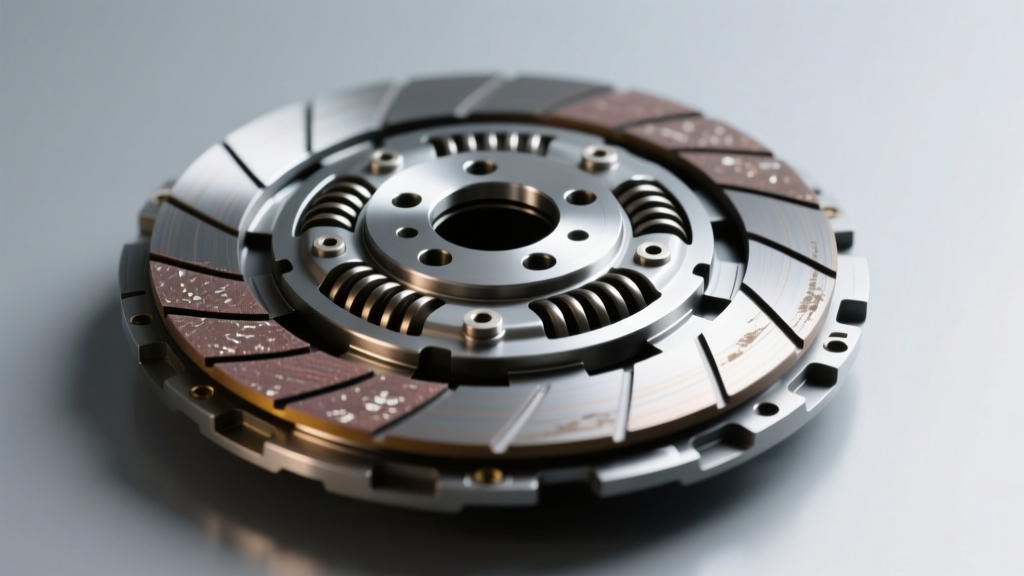
In a DCT (such as the VW/Audi DQ250 or Ford 6DCT450 PowerShift), the automatic clutch plate assembly consists of nested inner and outer friction discs that spline directly to the transmission's dual input shafts. However, the outer housing of this clutch pack is driven directly by the engine's Dual-Mass Flywheel (DMF). The DMF's primary friction surface must maintain a specific surface roughness (Ra) and strict lateral runout limits. If the DMF's internal torsional springs fatigue, the resulting harmonic vibration causes the automatic clutch plates to chatter, glazing the friction material and triggering mechatronic adaptation faults.
Traditional Automatics: TCC Plates and Flexplates
In a traditional automatic (like the ZF 8HP or GM 10L90), the term 'automatic clutch plate' often refers to the Torque Converter Clutch (TCC) apply plate or the internal planetary clutch packs. While the planetary packs do not interact with the flywheel, the TCC plate locks the converter to the engine. The torque converter is bolted to the flexplate (the automatic equivalent of a flywheel). If the flexplate warps due to heat or improper torque sequencing, it induces axial wobble. This wobble translates into TCC shudder, rapidly wearing the TCC automatic clutch plate and contaminating the transmission fluid with friction debris.
Material Compatibility: Friction Surfaces and Mating Pairs
Not all friction materials are compatible with every flywheel or flexplate surface. Installing a high-performance clutch plate against an incompatible OEM flywheel will result in catastrophic surface gouging or immediate slip.
| Friction Material | Typical Application | Compatible Flywheel / Flexplate Surface | Surface Finish Requirement (Ra) |
|---|---|---|---|
| Cellulose / Paper | OEM DCT (Wet), Standard AT TCC | Stamped Steel Flexplate, Cast Iron DMF | 0.4 - 0.8 µm |
| Sintered Bronze | High-Perf AT, Racing DCT | Billet Steel Flexplate, Hardened Chromoly DMF | 0.8 - 1.2 µm (Hardened) |
| Carbon Composite | OEM DCT (Dry), e.g., VW DQ200 | Specific Cast Iron DMF (Non-resurfacable) | 0.3 - 0.5 µm |
| Kevlar / Ceramic | Aftermarket Racing DCT | Billet Aluminum w/ Steel Insert | 1.0 - 1.5 µm (Aggressive bite) |
Critical Tolerances: Runout, Splines, and Bolt Patterns
To ensure your automatic clutch plate survives past the break-in period, you must verify the following mechanical tolerances during assembly. Ignoring these specs is the leading cause of premature warranty claim denials by manufacturers like LuK and Exedy.
- DMF/Flexplate Lateral Runout: Maximum allowable runout is typically 0.020 inches (0.50 mm) measured at the friction surface or converter mounting pad. Anything exceeding 0.015 inches warrants replacement; resurfacing DMFs is strictly prohibited by OEMs.
- Flexplate-to-Crankshaft Torque (GM 6.2L LT/LT4): Flexplate bolts must be torqued to 74 lb-ft (100 Nm) in a star pattern. Failure to use new TTY (Torque-to-Yield) bolts will result in flexplate cracking under the load of high-stall TCC apply.
- DMF-to-Crankshaft Torque (VW DQ250 2.0T): OEM flywheel bolts require 60 Nm + 90 degrees of additional turn. Always use a digital torque angle gauge; manual estimation leads to warped mating surfaces.
- Spline Backlash: When sliding the DCT automatic clutch plate onto the input shafts, radial play should not exceed 0.15 mm. Excessive backlash indicates worn input shaft splines, which will shear the clutch plate's inner steel teeth under load.
Expert Insight: When replacing a DCT automatic clutch plate, never reuse the DMF if the vehicle has over 80,000 miles. The internal grease in the DMF degrades, and the primary/secondary mass rotational play exceeds the 1.5mm threshold, transferring destructive harmonics directly into the new clutch pack's friction liners.
2026 Buyer’s Guide: OEM vs. Aftermarket Kits and Pricing
The market for automatic clutch plates and mating flywheels has evolved significantly. Supply chain stabilizations in 2025 have brought OEM pricing down slightly, while aftermarket billet options have expanded for high-horsepower applications.
OEM Replacement Kits (LuK, Sachs, Exedy)
For daily drivers and factory-spec restorations, OEM kits remain the gold standard. A complete LuK DCT clutch pack and DMF kit for a VW Golf R (DQ250) currently retails between $1,200 and $1,650. For traditional automatics, a Sachs TCC automatic clutch plate and matching flexplate kit for a BMW ZF 8HP application runs $450 to $700. Always purchase from authorized distributors to avoid counterfeit friction materials, which have flooded secondary marketplaces.
Aftermarket Performance (Billet Flexplates & Upgraded Friction)
If you are building a high-torque traditional automatic (e.g., a 1,000 HP 4L80E or 10L90), the stamped OEM flexplate will flex, destroying the TCC automatic clutch plate. Upgrading to a billet steel flexplate from manufacturers like Sonnax or TCI costs between $250 and $450. These billet units eliminate flex, ensuring the torque converter and internal TCC plates remain perfectly parallel, even under extreme line pressure.
Diagnostic Checklist: Identifying Mating Surface Failure
Before purchasing a new automatic clutch plate, perform these diagnostic steps to ensure the root cause isn't a failing flywheel or flexplate:
- Visual Inspection for Hot Spots: Remove the inspection cover. If the DMF or flexplate shows blue/purple heat bluing, the surface hardness has been compromised. A new clutch plate will slip immediately against this glazed steel.
- Acoustic Knock Test (DMF): With the engine off, rotate the DMF's secondary mass by hand. A healthy DMF will have a damped, smooth resistance with a distinct 'clunk' at the end of its rotational travel. A metallic rattling sound indicates broken internal torsional springs.
- Dial Indicator Runout Test: Mount a magnetic base dial indicator to the engine block and measure the flexplate or DMF friction surface while rotating the crankshaft. Record the high and low spots. For deeper technical diagnostics on torque converter shudder and flexplate runout, refer to the engineering bulletins provided by Sonnax Technical Resources.
- Mechatronic Adaptation Reset: In DCT applications, if you replace the automatic clutch plate but do not reset the clutch touch-point adaptations via a bi-directional scan tool, the mechatronic unit will over-clamp the new plates against the flywheel, causing instant thermal degradation.
Final Verdict on Drivetrain Integration
Compatibility between the automatic clutch plate and the engine's flywheel or flexplate is not merely a matter of bolt patterns and spline counts; it is a precise metallurgical and dimensional relationship. Whether you are servicing a dry-clutch DCT or upgrading the TCC components in a heavy-duty automatic, treating the flywheel and the clutch plate as a single, inseparable system is the only way to guarantee shifting performance and component lifespan. For further reading on dual-mass flywheel diagnostics and replacement protocols, consult the official LuK REPXPERT portal before finalizing your 2026 parts order.