The Friction Material Matrix: Matching Symptoms to Your Ibex Clutch Kit
Upgrading to an Ibex clutch kit is a common remedy for heavy-duty 4x4s, overland rigs, and towing platforms experiencing premature stock clutch failure. However, as of 2026, the heavy-duty aftermarket offers a bewildering array of friction materials. Selecting the wrong material—or misdiagnosing a drivetrain vibration as a defective kit—leads to unnecessary transmission teardowns and frustrated drivers. When troubleshooting clutch slip, chatter, or drag, the root cause is almost always tied to the specific friction material's thermal and mechanical limits.
Before pulling the transmission, you must understand the engineering profile of your installed Ibex disc. Below is the diagnostic matrix for the three primary friction compounds used in modern heavy-duty applications.
| Friction Material | Friction Coeff (μ) | Max Temp Threshold | Engagement Profile | Primary Failure Symptom |
|---|---|---|---|---|
| Organic (Kevlar/Fiberglass) | 0.25 - 0.35 | 400°F (204°C) | Smooth, progressive | High-RPM Slip & Glazing |
| Ceramic (Copper-Ceramic) | 0.40 - 0.50 | 800°F (426°C) | Aggressive, abrupt | Low-Speed Chatter & Hotspotting |
| Sintered (Iron/Bronze) | 0.55+ | 1000°F+ (537°C+) | On/Off switch | Cold Drag & Spline Wear |
Diagnosing Organic Disc Failures: The Glaze and Fade Phenomenon
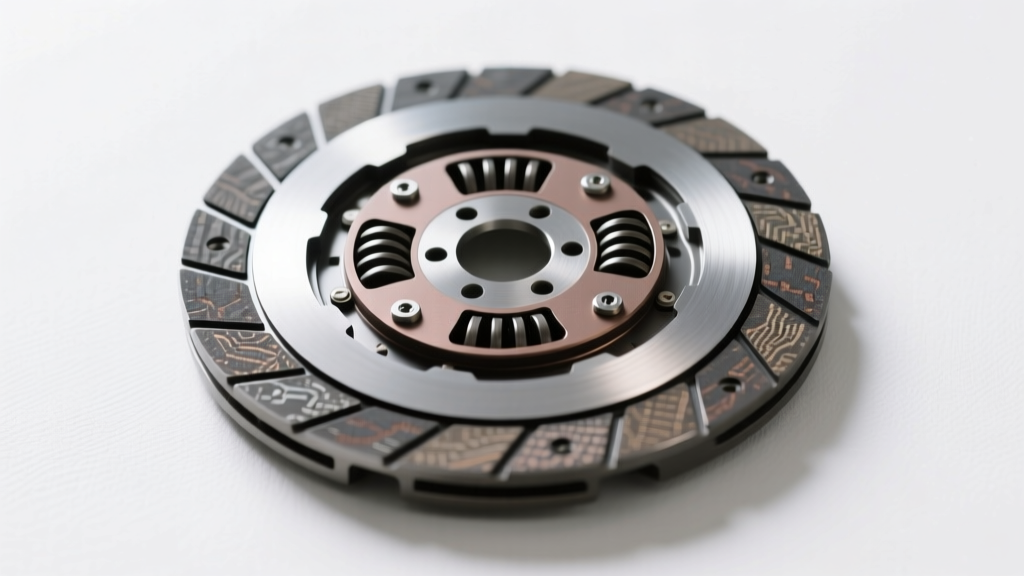
Organic Ibex clutch discs are designed for daily driving, light towing, and overlanding where drivability is paramount. These discs utilize a complex matrix of fiberglass, Kevlar, and resin binders, often featuring a "marcel" (wave) spring beneath the friction surface to cushion engagement.
Symptom: RPM Flare Without Acceleration
If your rig experiences RPM flare in 4th or 5th gear under heavy load (e.g., climbing a grade while towing), the organic facing has likely glazed. When organic facings exceed 400°F, the resin binders outgas and create a glass-like, low-friction surface.
- Diagnostic Step: Inspect the friction surface. If it appears shiny and black with a distinct lack of porous texture, glazing has occurred.
- Root Cause Check: Glazing is rarely a defect in the Ibex kit itself; it is a symptom of inadequate clamp load or excessive slipping. Check the pressure plate diaphragm spring for fatigue. A heavy-duty Ibex pressure plate should exert between 2,400 and 2,800 lbs of clamp load. If it measures below 2,000 lbs on a hydraulic press, the pressure plate must be replaced.
Symptom: Engagement Shudder Under Light Throttle
If the clutch shudders specifically when taking off from a stop in 4WD Low, inspect the marcel springs. Under extreme off-road shock loads, these wave springs can bottom out or fracture. A fractured marcel spring creates uneven clamping pressure across the disc, resulting in severe shudder. According to Schaeffler's clutch engineering guidelines, uneven clamp load distribution is the leading cause of torsional vibration in organic discs.
Diagnosing Ceramic Disc Failures: Managing the Chatter
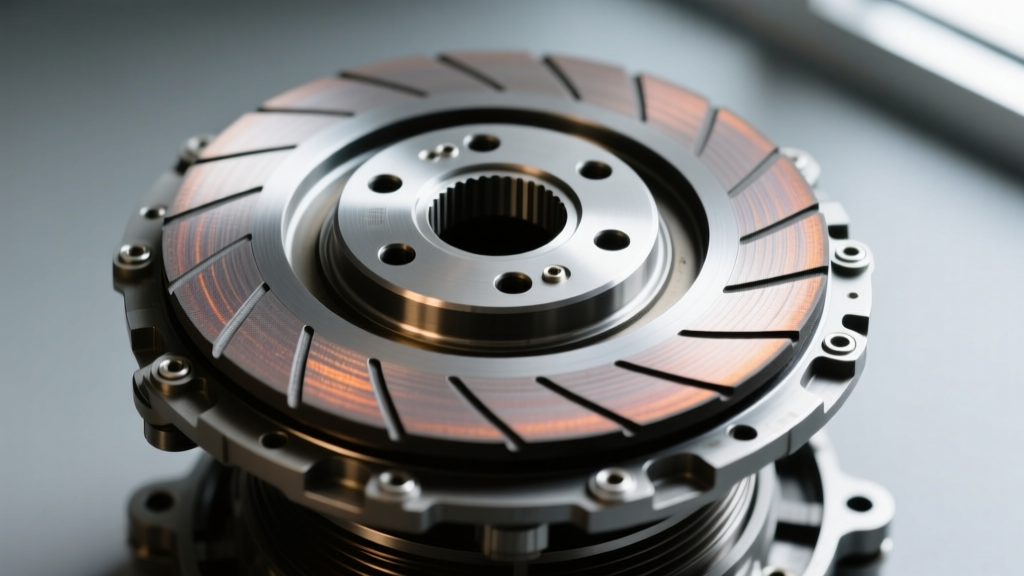
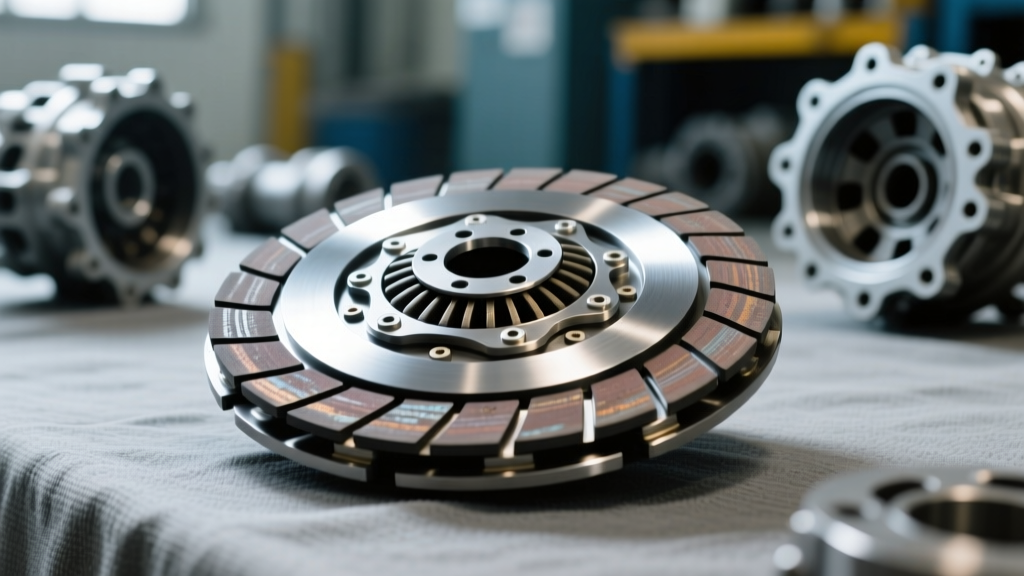
Ceramic Ibex clutch kits are the gold standard for heavy off-road use, rock crawling, and severe towing. The copper-ceramic pucks offer immense holding power but sacrifice the cushioning of organic marcel springs. This material relies entirely on the torsional damper springs inside the disc hub to absorb engine harmonics.
Symptom: Low-Speed Driveline Chatter
Owners frequently complain of a violent "chatter" or "bucking" when engaging the clutch in 1st or Reverse gear at low RPMs. While some chatter is inherent to ceramic materials, excessive bucking indicates a resonance mismatch or flywheel issue.
- Inspect the Flywheel Surface: Ceramic pads are highly abrasive. If the flywheel was not resurfaced to the correct Roughness Average (Ra) during installation, the ceramic will tear into the steel, creating microscopic hot spots. For ceramic discs, the flywheel must be machined to an Ra of 16 to 32 micro-inches. Anything smoother will cause slipping; anything rougher will cause chatter and rapid disc wear.
- Check Torsional Damper Springs: Turbo-diesel engines (like the Toyota 1HZ or Nissan RD28) produce massive low-frequency torsional spikes. If the Ibex kit's hub springs are not specifically valved for diesel harmonics, the springs will coil-bind, transferring the shock directly to the driveline.
Pro-Tip: Never attempt to "bed in" a ceramic clutch by intentionally slipping it. Unlike organic pads, ceramic materials do not require a transfer layer. Slipping a ceramic disc will instantly overheat the copper matrix and warp the flywheel. Engage it firmly and decisively from the first start.
Diagnosing Sintered Disc Failures: The Cold Drag Dilemma
Sintered iron and bronze discs are reserved for competition pulling, extreme rock bouncing, and dedicated race applications. They offer the highest friction coefficient (μ > 0.55) but require significant heat to operate correctly.
Symptom: Grinding Gears and Cold Drag
A common troubleshooting scenario with sintered Ibex kits is the inability to shift into Reverse or 1st gear when the vehicle is cold. The sintered metallic facings literally stick to the flywheel and pressure plate when cold, failing to release fully even when the pedal is depressed.
- Hydraulic Free-Play Verification: The most common misdiagnosis here is blaming the disc when the issue is actually hydraulic. Heavy-duty sintered kits often pair with ultra-stiff pressure plates requiring greater slave cylinder travel. Measure the clutch fork travel at the throwout bearing collar. You need a minimum of 11mm to 13mm of travel to fully disengage a sintered multi-puck setup. If your slave cylinder is only providing 8mm, the clutch will drag.
- Input Shaft Spline Wear: Because sintered discs lack a cushioning marcel spring, they transmit immense shock loads directly to the transmission input shaft. Inspect the input shaft splines for "step wear." If the disc hub cannot slide freely back and forth on the splines by hand, it will hang up during disengagement, causing drag and gear grind.
Flywheel Runout and Hydraulic System Diagnostics
Regardless of whether your Ibex kit uses organic, ceramic, or sintered friction material, improper installation tolerances will mimic material failure. According to SAE technical papers on drivetrain NVH, clutch pedal pulsation and release bearing failure are almost always traced back to flywheel runout.
Measuring Flywheel Runout
Mount a dial indicator on the engine block and rest the stylus on the friction surface of the flywheel. Rotate the crankshaft 360 degrees.
- Maximum Allowable Runout: 0.005 inches (0.127 mm).
- Troubleshooting: If runout exceeds this spec, the clutch disc will wobble during disengagement, preventing clean gear shifts and causing premature wear on the diaphragm spring fingers. You must either resurface the flywheel or replace it if it is a dual-mass flywheel (DMF) that has exceeded its angular backlash limits.
Critical Torque Specifications for Ibex Kit Installation
Proper clamping force is vital to prevent the friction material from slipping or the flywheel from warping under thermal load. Always use a calibrated torque wrench and follow the OEM sequence. Below are the standard specifications for common heavy-duty applications (e.g., Toyota Land Cruiser 80/100 Series, Nissan Patrol) utilizing Ibex heavy-duty kits:
- Flywheel to Crankshaft Bolts (M10x1.25): 65 lb-ft (88 Nm) + 90-degree final turn. Use a medium-strength threadlocker (e.g., Loctite 243).
- Pressure Plate to Flywheel Bolts (M8x1.25): 19 lb-ft (26 Nm). Crucial: Tighten in a crisscross star pattern, one full turn at a time, to prevent warping the pressure plate housing.
- Clutch Fork Pivot Ball: 22 lb-ft (30 Nm). Inspect the pivot ball for grooving. A grooved pivot ball will alter the clutch pedal geometry, reducing effective throwout bearing travel and causing incomplete disengagement.
For deeper insights into hydraulic bleed procedures and slave cylinder upgrades required for heavy-duty pressure plates, refer to the Transmission Digest technical archives on manual transmission release systems.
Final Diagnostic Verdict
Troubleshooting an Ibex clutch kit requires looking past the friction material and analyzing the entire drivetrain ecosystem. Organic discs fail via thermal glazing when pushed beyond their towing limits; ceramic discs chatter when paired with improperly finished flywheels or mismatched diesel harmonics; and sintered discs drag when hydraulic systems cannot overcome extreme clamp loads. By measuring flywheel runout, verifying hydraulic fork travel, and matching the friction coefficient to your specific use case, you can accurately diagnose the fault without unnecessarily replacing a perfectly good heavy-duty clutch assembly.