The Anatomy of a High-Performance Auto Transmission Clutch Pack
When building a high-horsepower automatic, the torque converter and valve body often steal the spotlight, but the true bottleneck of rear-wheel torque delivery lies inside the drum. Understanding every piece of an auto transmission clutch pack is the difference between a trans that survives 1,000 horsepower and one that grenades on the first 1-2 shift. In this 2026 performance upgrade guide, we dissect the exact components found in premium automatic clutch kits, exploring material science, apply piston dynamics, and critical assembly clearances for legendary platforms like the GM 4L60E, 6L80, and ZF 8HP.
Core Component Breakdown: What is Inside the Kit?
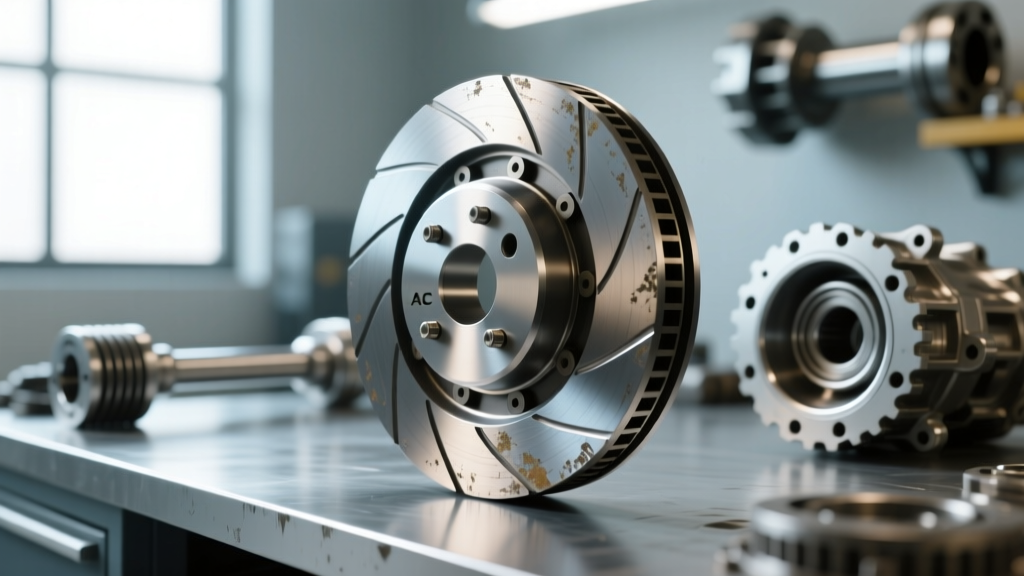
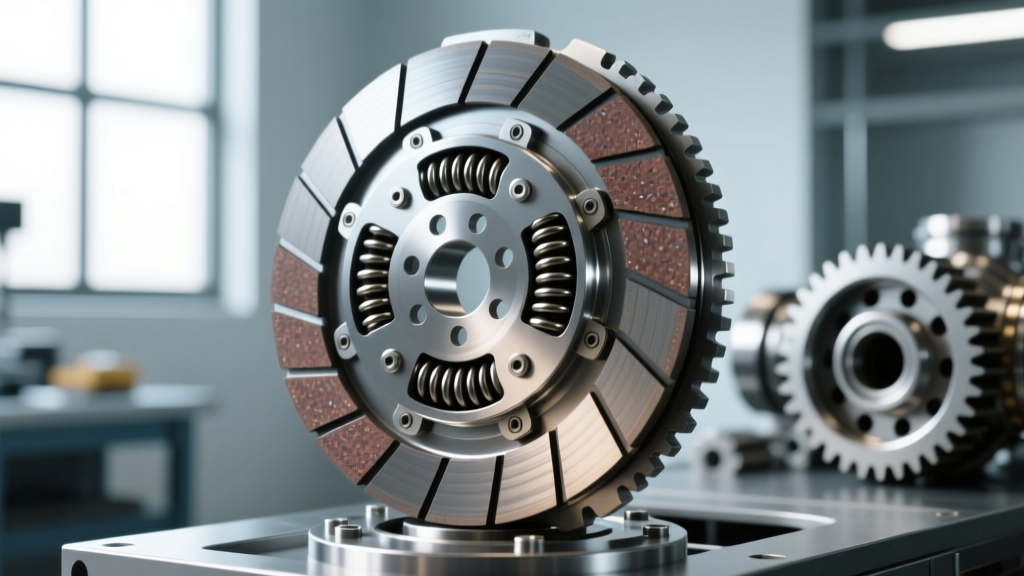
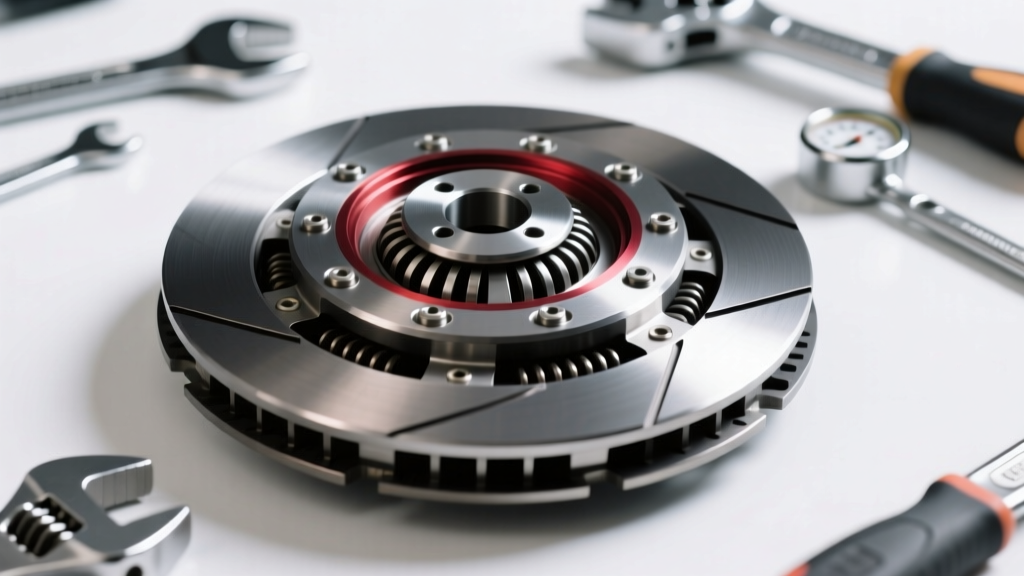
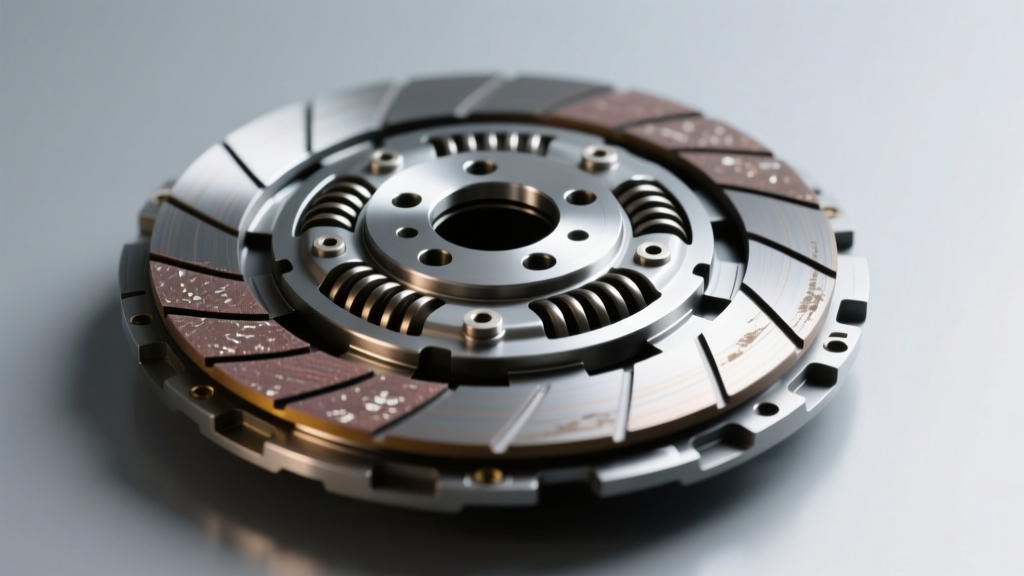
A complete performance auto transmission clutch pack kit is not just a stack of friction discs. It is a precisely engineered assembly designed to manage hydraulic pressure, rotational inertia, and extreme thermal loads. When you unbox a top-tier rebuild kit from manufacturers like Sonnax or Raybestos, you are looking at five distinct component categories.
1. Friction Plates and Steel Separators
The friction plates (internally splined to the hub) and steel separator plates (externally splined to the drum) are the consumable core of the pack. In a stock setup, standard paper-based frictions and smooth steels are adequate for factory torque limits. However, performance kits upgrade these to advanced composites and treated steels to increase the coefficient of friction and resist thermal degradation.
2. Apply Pistons and Seals
The apply piston is the hydraulic ram that compresses the clutch pack. In high-RPM applications, stock cast-aluminum or stamped-steel pistons can flex or fail to seal under extreme line pressure (often exceeding 250 PSI in modified builds). Upgrade kits frequently include CNC-machined billet aluminum pistons with reinforced lip seals to prevent hydraulic blow-by during aggressive shifts.
3. Return Springs and Retainers
When hydraulic pressure is released, return springs must immediately retract the apply piston to disengage the clutch. At 7,000+ RPM, centrifugal force can cause heavy stock springs to coil-bind or fail to retract the piston fast enough, leading to centrifugal apply and catastrophic pack burn-up. Performance kits utilize lighter, high-tensile wire springs or specialized diaphragm springs to ensure instantaneous release.
4. Backing Plates and Selective Shims
The backing plate provides the rigid stopping point for the clutch stack. Because manufacturing tolerances in transmission cases and drums vary, performance kits include selective shims (ranging from 0.010" to 0.060" in thickness) to dial in the exact pack clearance.
5. Snap Rings and Wave Plates
High-tension snap rings secure the pack inside the drum. Many performance builders deliberately omit factory wave plates (cushion plates) in favor of flat steels and precise shimming to eliminate shift lag and maximize torque capacity.
Material Science: Choosing the Right Friction Compound
Selecting the correct friction material is paramount. The wrong compound can lead to harsh, tire-shredding shifts or catastrophic slippage under load. According to engineering data from Raybestos Powertrain, modern friction materials are categorized by their energy absorption capabilities and shift feel.
| Material Type | Best Application | Shift Characteristics | Thermal Limit | Est. Kit Cost (2026) |
|---|---|---|---|---|
| High-Energy Paper (OEM+) | Street/Strip, Towing, Daily Driving | Smooth, progressive engagement | ~350°F | $250 - $400 |
| Kevlar / Aramid Fiber | Heavy Duty Diesel, Extreme Towing | Firm, requires higher line pressure | ~450°F | $450 - $650 |
| Carbon / Graphite (GPZ/Pro) | Dedicated Drag, 800+ HP Street | Aggressive, near-instant lockup | ~600°F+ | $600 - $950 |
For a modern 6L80 or ZF 8HP build, Carbon-infused plates (like the Raybestos GPZ line) are the gold standard. They feature a specialized groove pattern that channels transmission fluid away from the friction surface rapidly, promoting immediate lockup and reducing slip-time heat generation.
Real-World Build Data: Platform-Specific Upgrades
To truly understand clutch kit components, we must look at how they solve specific factory weaknesses in popular performance platforms.
GM 4L60E: The 3-4 Clutch Pack Bottleneck
The 3-4 clutch pack in the 4L60E is notorious for burning up when horsepower exceeds 400. The factory setup utilizes a relatively small apply piston and a wave plate that absorbs shift energy but generates immense heat.
- The Upgrade: The Sonnax Smart-Tech 3-4 Clutch Kit (Part #77733-01K) replaces the factory setup with a larger apply piston that accommodates an extra friction and steel plate.
- Component Change: By eliminating the wave plate and using a 7-clutch stack with Kolene-treated steels, torque capacity increases by over 40%.
- Target Clearance: 0.040" to 0.060" total pack clearance, measured with a dial indicator.
GM 6L80 / 6L90: Managing the 4-5-6 and 3-5-R Packs
The 6L80 relies heavily on the 4-5-6 clutch pack for high-gear holding and the 3-5-R pack for reverse and manual low. In high-boost turbo applications, the factory 3-5-R wave plate flexes, causing delayed reverse engagement and eventual friction glazing.
Expert Assembly Tip: When rebuilding the 6L80 3-5-R pack for a 600+ WHP application, discard the factory wave plate. Replace it with a flat steel separator and use a selective backing plate shim to achieve a tight 0.030" - 0.050" clearance. This yields near-instant reverse engagement and eliminates shift overlap slippage in 3rd gear.
ZF 8HP70 / 8HP90: Tuning for xHP and Stage 3 Maps
Modern Euro platforms utilize the ZF 8HP. When running aggressive TCU tuning (like xHP Stage 3), line pressure is drastically increased, and shift times are slashed to under 200 milliseconds. The factory "A" and "B" clutch packs can shudder under this sudden hydraulic shock. Upgrading to pure carbon friction rings and reinforced snap rings is mandatory to prevent the snap ring from popping out of its groove under the violent apply pressure of a tuned ZF valve body.
Clearance Specifications and Assembly Tolerances
Installing premium components is useless if the pack clearance is incorrect. Total pack clearance dictates how much the apply piston must travel before the frictions and steels lock together.
- Too Loose (>0.080"): Excessive piston travel delays engagement, causing flare, burnt frictions, and accelerated fluid degradation.
- Too Tight (<0.020"): The frictions never fully release, leading to constant drag, massive heat generation, and warped steel plates.
The industry rule of thumb for performance automatics is 0.010" of clearance per friction plate. Therefore, a 5-clutch pack should target 0.050" of total clearance. Always measure this by installing the snap ring, pushing the backing plate down firmly with a straight edge, and using a dial indicator to measure the upward travel of the apply piston or friction stack. For deeper technical assembly procedures, Transmission Digest regularly publishes updated torque converter and clutch pack blueprinting guides that are essential reading for any serious builder.
Sourcing and Cost Expectations for 2026
As supply chains have stabilized and new composite materials have entered the market, the cost of premium auto transmission clutch packs has shifted. Expect to pay between $350 and $500 for a comprehensive High-Energy paper and Kolene steel master kit for a 4L60E or 6L80. If you are stepping up to dedicated drag racing carbon frictions, billet apply pistons, and heavy-duty snap rings, budget between $700 and $1,200 per transmission. Remember that a clutch kit is only as strong as the hydraulic pressure feeding it; always pair your clutch pack upgrades with a high-capacity pump, a reinforced valve body, and an upgraded transmission cooler to maintain fluid temperatures below 200°F at the track.