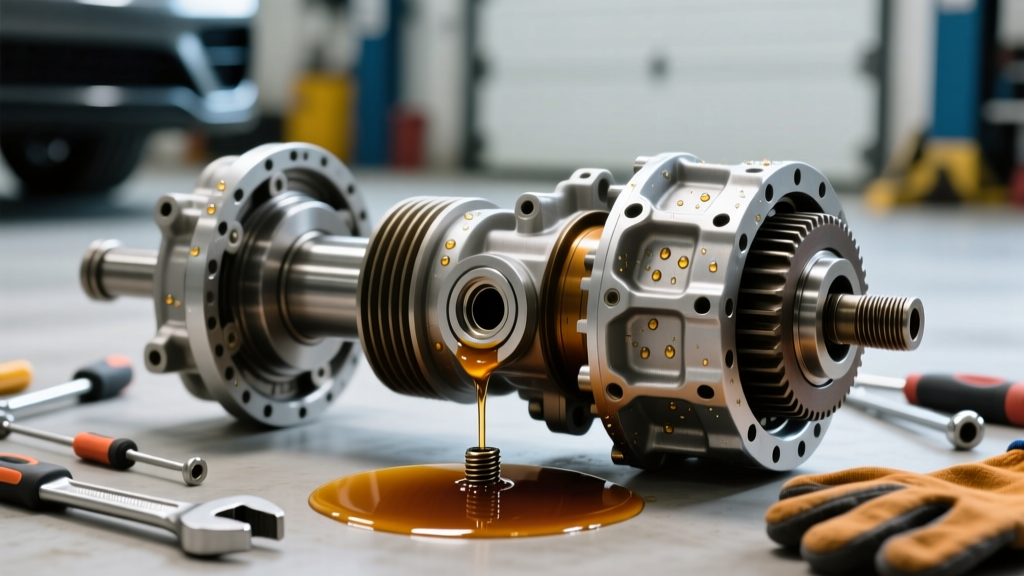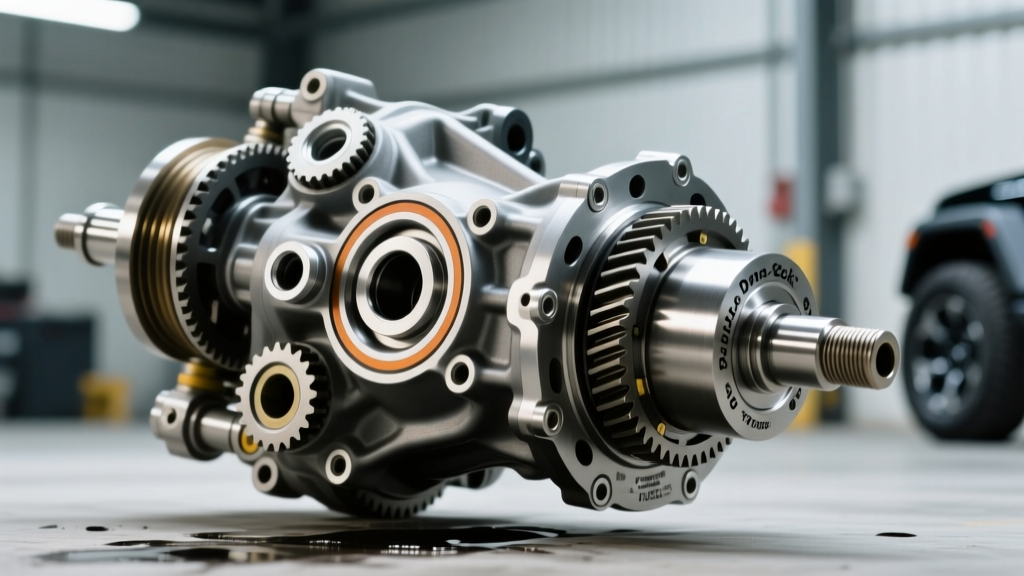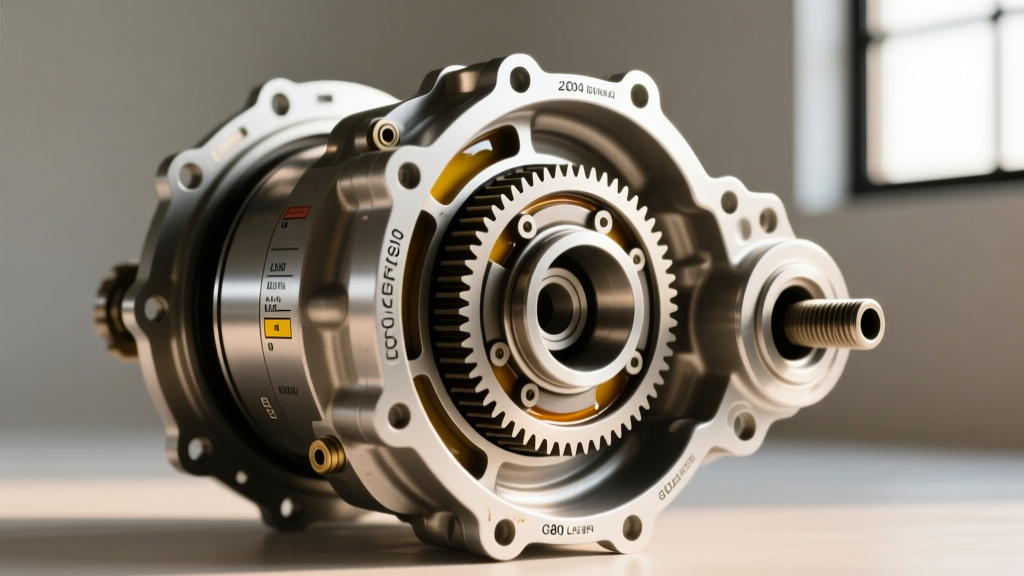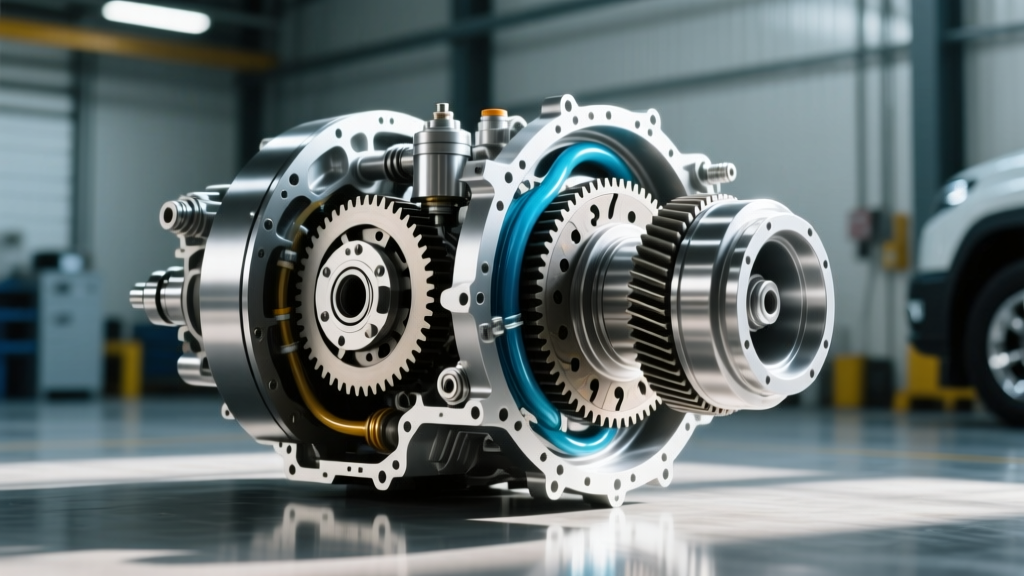
The Shift to Automated E-Lockers in Modern Trucks and SUVs
When upgrading a modern 4x4, selecting the right differential type automated locking system—commonly known as an e-locker or electronic locker—requires a deep understanding of both mechanical engagement and fluid dynamics. As we navigate the 2026 off-road and heavy-duty truck market, OEMs like Ford, GM, Ram, and Toyota have largely moved away from manual cable-actuated lockers in favor of automated, push-button electronic locking differentials. While these systems offer incredible convenience and traction on demand, they introduce unique maintenance variables that standard open or clutch-based limited-slip differentials (LSDs) simply do not have.
For truck and SUV owners pushing their rigs through rock crawling, heavy towing, or deep mud, the intersection of high-amperage shift motors, Hall-effect position sensors, and extreme gear oil temperatures creates a critical maintenance triangle. Neglecting the specific fluid requirements or actuator wiring of an automated differential can lead to catastrophic collar binding or shift-motor burnout. This performance and upgrade guide breaks down the exact maintenance protocols, fluid sciences, and upgrade paths for modern automated locking axles.
Fluid Science: Viscosity, Heat, and the Friction Modifier Myth
The most common mistake DIYers and even some quick-lube technicians make when servicing an automated locking differential is treating it like a standard clutch-type limited-slip differential. Clutch-pack LSDs (like the Ford Traction-Lok or GM G80) require specialized friction modifiers (usually 4 to 8 ounces of additive) to prevent chatter during cornering.
Why E-Lockers Reject Friction Modifiers
Automated e-lockers, such as the Eaton E-Locker found in GM ZR2 models or the BorgWarner units in Jeep Rubicons, utilize a mechanical locking collar that slides over the side gears to lock the axles together. There are no clutch packs to lubricate. Introducing friction modifiers into an e-locker housing can actually reduce the coefficient of friction on the engagement collar, leading to delayed locking, grinding during engagement, or premature wear on the shift fork and collar teeth. For true automated locking differentials, you want a high-quality, full-synthetic gear oil without limited-slip additives.
Heavy-Duty Fluid Comparison Chart (2026 Specs)
When towing heavy loads or crawling in low-range 4WD, axle temperatures can easily exceed 250°F (121°C). While OEMs often fill axles with 75W-85 or 75W-90 for fuel economy mandates, performance upgrades demand 75W-140 full synthetic to maintain film strength under extreme shear. Below is a breakdown of popular truck/SUV automated axles and their ideal upgrade fluids.
| Axle Platform | Vehicle Application | Capacity | OEM Fill | Performance Upgrade (No LS Additive) |
|---|---|---|---|---|
| Dana 44 (Next-Gen) | Jeep Wrangler Rubicon / Gladiator | 2.0 Quarts | 75W-85 API GL-5 | Red Line 75W90 NS (Non-Slip) |
| Sterling 10.5" | Ford F-250/F-350 Super Duty | 3.75 Quarts | 75W-140 Synthetic | AMSOIL Severe Gear 75W-140 |
| AAM 11.5" | Chevy Silverado / GMC Sierra 2500HD | 4.0 Quarts | 75W-90 Synthetic | Motul Gear 300 75W-140 |
| Toyota 8" CLVD | Tacoma TRD Off-Road / 4Runner | 2.4 Quarts | 75W-85 API GL-5 | Lucas Oil Synthetic 75W-140 |
Note: Always verify your specific owner's manual. Some automated systems utilize internal oil pumps that require specific viscosities to ensure adequate splash lubrication to the pinion bearings.
Actuator Diagnostics: Troubleshooting the Automated Shift Motor
Unlike a traditional air locker that relies on pneumatic seals and compressors, the OEM automated differential relies on a 12V DC shift motor or an electromagnetic solenoid mounted directly to the axle housing. When an e-locker fails to engage, the issue is rarely internal gear failure; it is almost always electrical or fluid-related.
- Wiring Harness Chafing: The wiring harness routing from the frame to the axle tube is subjected to constant articulation. Inspect the loom near the differential cover for abrasion against the sway bar or track bar.
- Motor Resistance Testing: Disconnect the actuator motor plug. Using a digital multimeter, measure the resistance across the motor pins. A healthy 12V DC e-locker motor typically reads between 2.0 and 10.0 ohms. A reading of infinite resistance (OL) indicates a burnt internal winding.
- Hall-Effect Position Sensor: The vehicle's ECU needs to know if the collar is fully seated. If the shift motor runs but the dash light flashes endlessly, the internal Hall-effect sensor may be coated in metallic gear oil sludge, preventing it from reading the magnetic collar ring.
Step-by-Step Performance Maintenance Procedure
Servicing an automated differential requires more care than a standard open diff. The internal shift collar and fork are precision-machined and highly susceptible to contamination.
1. Debris Analysis and Magnetic Plug Inspection
Before draining the fluid, remove the fill plug. If your axle lacks a magnetic drain plug, upgrading to one (like those from Dana Spicer) is a $15 investment that saves thousands. When pulling the cover, analyze the debris. A fine, glitter-like metallic paste is normal for the first 30,000 miles. However, if you find chunks of brass or scored steel, this indicates the shift fork or locking collar is wearing prematurely due to forced engagement while the vehicle was rolling.
2. Flushing the Actuator Cavity
Automated lockers have deep recesses where the shift motor and collar reside. Standard draining leaves up to a half-quart of contaminated fluid trapped in the actuator cavity. Use a fluid transfer pump to spray fresh, clean gear oil directly into the e-locker mechanism to flush out metallic particulates before installing the cover.
3. Gasket Selection: RTV vs. Reusable
While Permatex Ultra Black RTV is the industry standard for sealing differential covers, it requires a 24-hour cure time before filling with oil. For performance rigs that need immediate trail readiness, upgrade to a Lube-Locker reusable elastomer gasket (typically $35-$45). These O-ring style gaskets seal perfectly on Dana and AAM housings without the risk of RTV silicone squeezing into the housing and clogging the e-locker shift mechanism.
Upgrade Paths: When OEM Automated Diffs Fail
OEM automated lockers are excellent for moderate trails, but extreme rock crawling often snaps the factory shift collars or strips the internal side gears. If your factory e-locker suffers a catastrophic internal failure, you have two primary upgrade paths:
- Eaton E-Locker Replacement: Direct OEM replacement units cost between $1,400 and $1,800. This maintains factory dash-button integration and requires no additional wiring.
- ARB Air Locker Conversion: For hardcore off-roaders, ditching the automated electric motor for an ARB Air Locker (approx. $1,200 for the diff + $400 for an onboard air compressor) offers instant, pneumatic engagement that is immune to electrical shorts in deep water crossings.
Precision Torque Specifications and Reassembly
Over-torquing differential cover bolts is a leading cause of warped housings and persistent leaks, which will quickly drain fluid away from the automated shift collar. Always use a calibrated torque wrench and follow a crisscross star pattern.
- Dana 44 (Next-Gen) Cover Bolts (3/8"-16): 25 - 30 lb-ft
- Ford Sterling 10.5" Cover Bolts (M10x1.5): 35 - 40 lb-ft
- GM AAM 11.5" Cover Bolts (M10x1.5): 30 - 35 lb-ft
- Toyota 8" Third Member Nuts (12mm): 65 - 70 lb-ft
- Fill / Drain Plugs (1/2"-20 or M18): 25 - 30 lb-ft
Warning: Never attempt to remove the pinion nut to check pinion bearing preload unless you have a specialized inch-pound torque bar and a new crush sleeve or solid spacer. Improper pinion nut torque will destroy the ring and pinion gear set within 100 miles.
Final Thoughts on Automated Axle Longevity
Maintaining an automated locking differential in a modern truck or SUV is less about turning wrenches and more about understanding the synergy between electrical actuators and high-shear synthetic fluids. By ditching friction modifiers, upgrading to 75W-140 synthetics like AMSOIL Severe Gear, and routinely inspecting the shift motor harness, you ensure that when you press that dash button on the trail, the collar locks instantly, and your rig keeps moving forward.