The 'Carmella Clutch Nude' Anomaly: Decoding Bare Clutch Packs
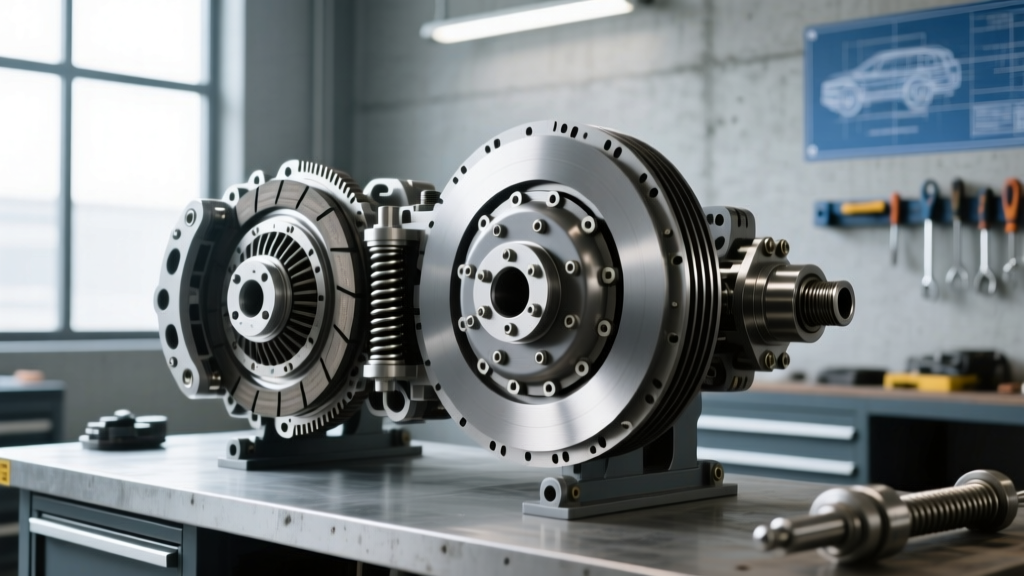
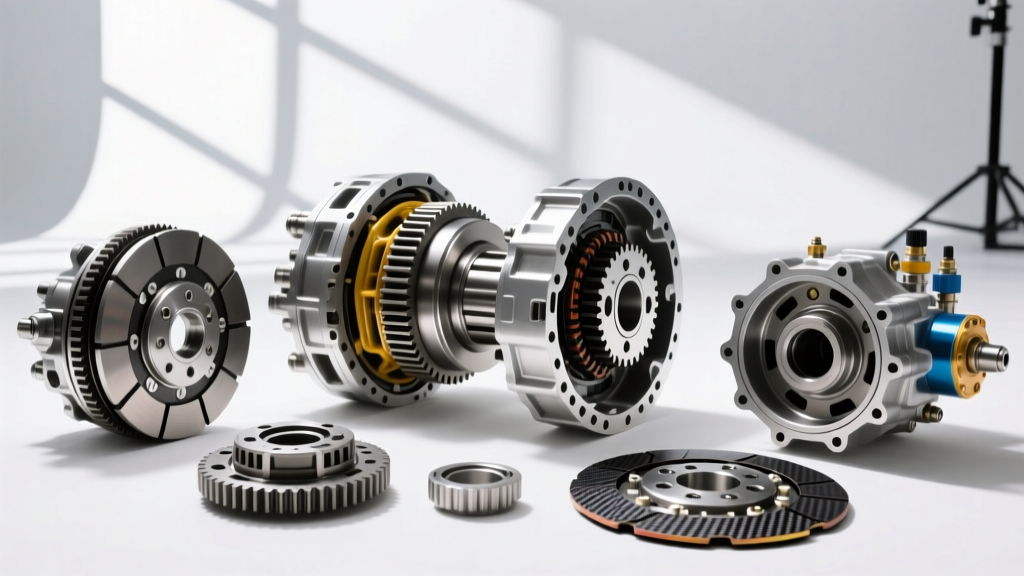
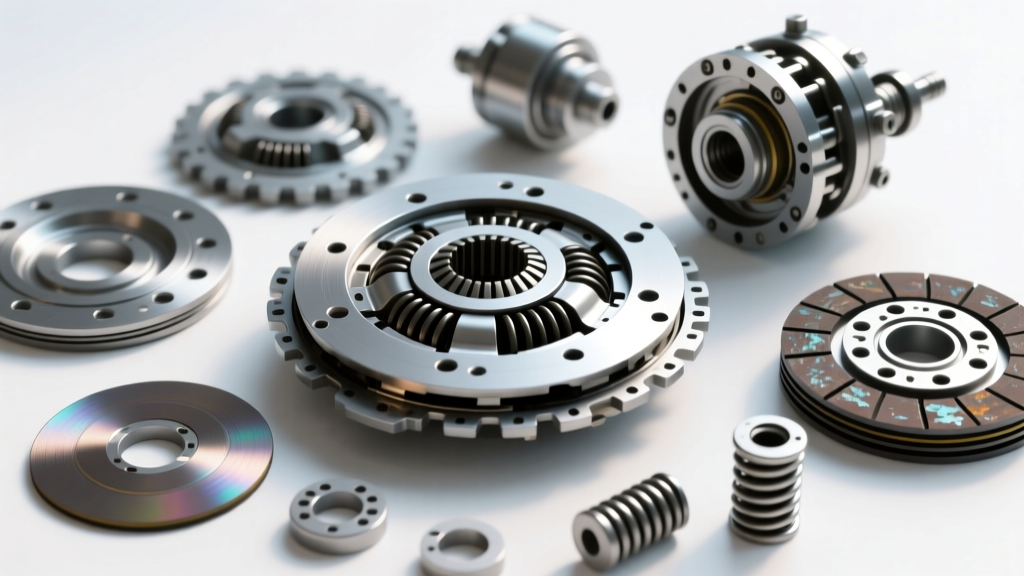
If you have been scrolling through transmission builder forums, parsing search analytics, or diagnosing late-model automatics, you may have stumbled across the bizarre phrase carmella clutch nude. In the automotive diagnostic and SEO world, this is a well-known voice-to-text corruption and autocomplete anomaly for 'car automatic clutch nude'—a colloquialism used by some import and domestic builders to describe bare, un-assembled clutch friction kits (stripped of drums, pistons, and springs).
When an automatic transmission experiences internal failure, the friction materials are often the first casualty. Whether you are dealing with a slipping GM 6L80E or a harsh-shifting ZF 8HP, understanding the difference between purchasing a 'bare' (nude) friction kit versus a fully loaded, pre-assembled clutch drum is critical for a successful rebuild. This 2026 buyer’s guide and diagnostic manual will walk you through identifying automatic clutch failures, comparing rebuild components, and adhering to strict OEM clearances.
Diagnosing Automatic Clutch Pack Failures
Unlike manual transmissions where the driver controls clutch engagement, automatic transmissions rely on hydraulic pressure to apply multi-disc clutch packs. When these packs fail, the symptoms manifest in distinct ways depending on the transmission architecture.
1. RPM Flares and Shift Slipping
An RPM flare occurs when the engine speed spikes during a gear change, indicating that the off-going clutch is releasing before the on-coming clutch is fully applied, or the on-coming clutch lacks the friction coefficient to hold the load.
- GM 6L80 / 6L90: A flare during the 2-3 shift often points to a failure in the 3-5-R clutch pack. If the PTFE seals on the apply piston are worn, hydraulic fluid bypasses the piston, resulting in inadequate clamping force.
- ZF 8HP (Chrysler/BMW/Ford): Harsh downshifts or RPM flares in 4th or 5th gear frequently trace back to Clutch 'A' or Clutch 'E' degradation, exacerbated by contaminated ZF Lifeguard 8 fluid.
2. Delayed Engagement and 'Morning Sickness'
If the vehicle hesitates when shifted into Drive or Reverse after sitting overnight, the clutch pack apply pistons may be bleeding down. While this can be caused by worn O-rings or cracked aluminum drums, it is often misdiagnosed as a failed friction pack. Always perform an air-pressure test on the drum before condemning the bare frictions.
3. Fluid Analysis: The Smell Test
Drop the transmission pan and inspect the fluid. Healthy Dexron VI or ATF+4 should be translucent red or amber. If the fluid is dark brown and smells like burnt toast, the organic or Kevlar-facing friction plates have delaminated. According to Sonnax, microscopic friction material suspended in the ATF will clog the valve body's solenoid screens, meaning a simple clutch pack replacement will fail unless the valve body and torque converter are also addressed.
Buyer’s Comparison: Bare Friction Kits vs. Pre-Assembled Modules
When sourcing parts for an automatic transmission rebuild, you generally have two options: buying the 'nude' or bare friction/steel kits, or purchasing a loaded clutch drum assembly. Below is a comparison to help you decide which route fits your shop's capabilities.
| Feature | Bare ('Nude') Friction & Steel Kits | Pre-Assembled / Loaded Clutch Drums |
|---|---|---|
| Contents | Friction plates, steel separators, selective snap rings. | Frictions, steels, apply pistons, return springs, backing plates, and pre-set clearances. |
| Cost (2026 Avg) | $120 – $350 per clutch pack. | $450 – $950+ per loaded drum module. |
| Installation Time | High (Requires soaking, measuring, and manual assembly). | Low (Drop-in ready; saves 2-4 hours of bench time). |
| Required Tooling | Feeler gauges, snap ring pliers, clutch spring compressors. | Basic hand tools, torque wrench. |
| Best For | Master rebuilders, custom performance builds (e.g., Raybestos GPZ). | Quick-turnaround shops, dealerships, and DIYers lacking specialty tools. |
Precision Rebuild Specs: Clearances, Soaking, and Torque
If you opt for the bare clutch kits, you must adhere to rigorous assembly protocols. The phrase 'nude clutch' implies the components are dry and un-calibrated out of the box. Installing them dry will result in immediate burnout upon the first hydraulic apply.
Friction Plate Soaking
Organic and synthetic friction materials must be submerged in the exact ATF the transmission will use for a minimum of 30 to 60 minutes before assembly. This allows the porous friction material to absorb the fluid, preventing dry-start scarring. Raybestos Powertrain explicitly mandates this for their high-performance GPZ and Pro-Series lines to prevent early delamination.
Clutch Pack Clearance Formulas
Clutch pack clearance is the distance between the top friction plate and the backing plate when the piston is fully seated.
- The Golden Rule: Aim for 0.005" to 0.007" per friction plate.
- Example (GM 6L80E 3-5-R Pack): This pack typically uses 5 friction plates. Target clearance = 0.025" to 0.035" (0.63mm - 0.88mm).
- Adjustment: Clearances are adjusted by swapping the selective backing plate or the pressure plate snap ring. Too tight, and the transmission will drag and overheat; too loose, and you will experience shift flares and burnt fluid.
Critical Torque Specifications
When reassembling the transmission after installing the bare clutch packs into the drums, precision torque is non-negotiable. Warped valve bodies or cracked pump housings will cause hydraulic cross-leaks that mimic clutch failure.
- GM 6L80E Oil Pump-to-Case Bolts: 25 Nm (18 lb-ft).
- GM 6L80E Valve Body-to-Case Bolts: 8 Nm (71 lb-in). Do not over-torque, or the aluminum valve body will warp, causing solenoid binding.
- ZF 8HP Mechatronic Unit Bolts: 8 Nm (71 lb-in) in the specific sequence outlined by ATSG service manuals.
2026 Sourcing Guide & Part Numbers
When shopping for bare friction kits, avoid unbranded, white-box kits found on generic e-commerce sites. The friction coefficient of cheap paper-based frictions cannot handle the torque management algorithms of modern 8-speed and 10-speed automatics. Stick to Tier-1 OEM suppliers:
- Raybestos GPZ (Part #3700GPZ for 6L80E): Features a proprietary Kevlar-infused facing designed for high-torque towing and tuned vehicles. Expect to pay around $280 for a master friction kit.
- Alto Red Eagle (Part #575700 for 6L80E): Known for aggressive bite and excellent heat dissipation. Ideal for performance applications where shift firmness is prioritized over NVH (Noise, Vibration, and Harshness).
- BorgWarner / OEM ZF Kits: For the ZF 8HP, sourcing genuine BorgWarner frictions is highly recommended to maintain the precise shift mapping programmed into the TCM. Aftermarket alternatives often trigger P073x (Gear Ratio Error) codes due to slight variations in friction drag.
Final Verdict: When to Rebuild vs. Replace
Decoding search anomalies like the 'carmella clutch nude' query reminds us that the transmission rebuilding community is vast, filled with both seasoned veterans and novices looking for bare parts. If you possess the feeler gauges, spring compressors, and patience to measure clearances to the thousandth of an inch, bare friction kits offer immense cost savings and the ability to customize shift characteristics using high-performance materials like Raybestos GPZ.
However, if your shop lacks the specialized tooling to safely compress heavy return springs, or if you are dealing with a late-model ZF 8HP where drum wear is as common as friction wear, investing in pre-assembled, loaded clutch modules is the superior choice. It eliminates human error in clearance setting and ensures the hydraulic pistons and seals are brand new, guaranteeing a reliable, flare-free engagement for the next 150,000 miles.