The Weak Link: Why Stock Cooler Fittings Fail Under Pressure
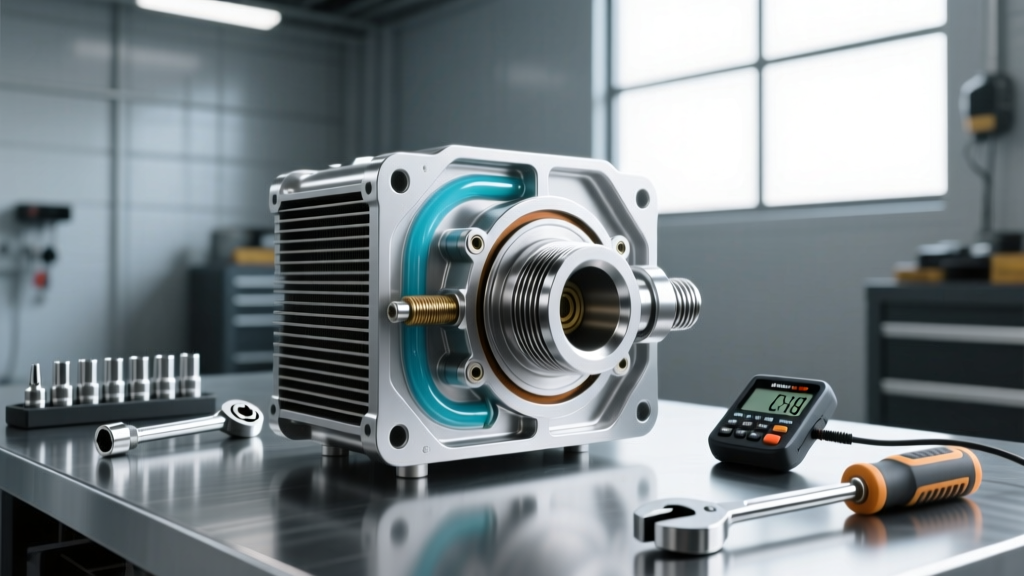
When pushing modern automatic transmissions to their limits—whether on the drag strip, towing heavy loads up a grade, or during sustained track use—the cooling system becomes the critical bottleneck. While most enthusiasts focus on auxiliary stacked-plate coolers, they often overlook the most vulnerable point in the entire hydraulic circuit: the radiator transmission cooler line fittings.
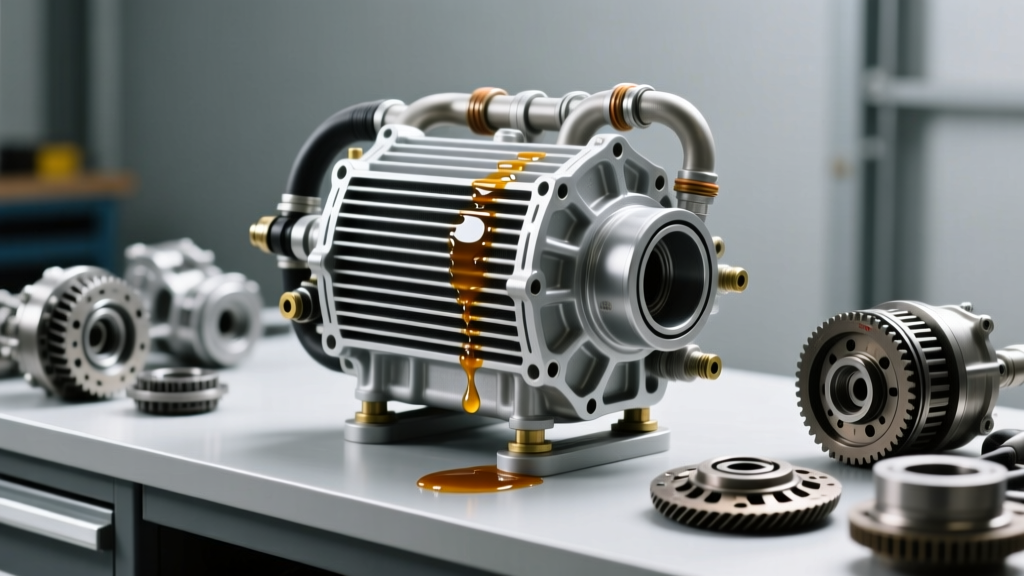
As of 2026, OEM manufacturers have increasingly relied on plastic push-lock quick-disconnects and stamped steel crimp collars to save weight and assembly time. On popular platforms like the GM 6L80/6L90 and the Ford 10R80, these factory radiator transmission cooler line fittings are rated for standard commuting. However, when line pressures spike to 280 PSI during aggressive 1-2 shifts or heavy towing, and ATF temperatures exceed 220°F, the plastic retaining tabs become brittle and fail. The result is a catastrophic loss of 10 to 14 quarts of expensive low-viscosity fluid (like Dexron ULV or Mercon ULV) directly onto a hot exhaust.
This performance and repair guide will walk you through replacing failing OEM connections and upgrading to a high-flow, leak-proof -6 AN (Army-Navy) fitting system.
Material Science: OEM vs. Performance Fittings
Before cutting into your factory lines, it is vital to understand the material limitations of your current setup versus the upgraded alternatives. Upgrading your radiator transmission cooler line fittings isn't just about preventing leaks; it is about maintaining consistent hydraulic volume to the transmission cooler under extreme thermal expansion.
| Fitting Material | Max Temp Rating | Burst Pressure | Avg. Cost (Pair) | Best Application |
|---|---|---|---|---|
| OEM Nylon/Plastic Push-Lock | 212°F (100°C) | ~450 PSI | $15 - $25 | Daily commuting, light loads |
| Stamped Steel / Brass Crimp | 300°F (149°C) | 1,200 PSI | $35 - $55 | Heavy towing, off-road |
| Billet 6061-T6 Aluminum (-6 AN) | 400°F+ (204°C+) | 3,000+ PSI | $60 - $90 | Track use, high-HP builds, extreme towing |
Platform-Specific Quirks: 6L80, 10R80, and ZF 8HP
GM 6L80 / 6L90 (Silverado, Corvette, Camaro)
GM trucks and performance cars use a plastic quick-connect at the radiator side. The OEM replacement part (often Dorman 800-604 or ACDelco 24225900) simply pushes onto a barbed steel tube. To upgrade, you must cut the factory steel line back, slide on a compression-to-AN adapter, or braze/weld a -6 AN male flare onto the hard line. Never reuse the factory plastic retaining clips once they have been depressed; the internal metal gripper rings lose their tension.
Ford 10R80 (F-150, Mustang, Bronco)
Ford utilizes a specialized O-ring sealed fitting at the radiator. The thermal cycling on the 10R80 causes the internal Viton O-rings to flatten and extrude past the retaining collar. When repairing these, you must use a specialized Ford transmission line disconnect tool (typically 15/16-inch or 1-1/8-inch depending on the exact model year) to release the collar without scoring the radiator's receiving tube.
ZF 8HP70 / 8HP75 (Ram, BMW, Dodge Charger)
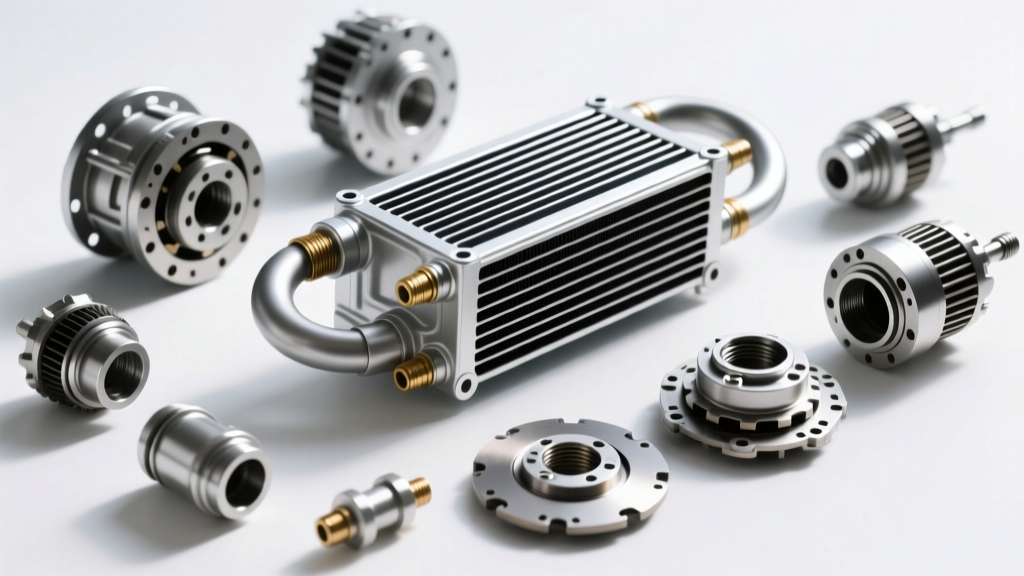
The ZF 8-speed relies on a complex Thermal Management Module (TMM) that integrates the cooler lines into a plastic housing. Bypassing or upgrading the radiator transmission cooler line fittings here requires installing a CNC billet aluminum adapter plate that deletes the fragile plastic TMM quick-locks, converting them to standard -6 AN male flares. This is a mandatory upgrade for any supercharged Hellcat or heavy-duty Ram EcoDiesel application.
Step-by-Step: Converting to a -6 AN Braided Line System
Upgrading to PTFE-lined stainless steel braided hoses with -6 AN fittings provides a 3,000+ PSI burst rating and eliminates the rubber degradation associated with factory hoses. Here is the professional repair sequence.
Phase 1: Safe Depressurization and Drain
- Cold Start & Shutdown: Start the vehicle cold, cycle through the gears, and shut it off. This ensures the torque converter is partially loaded but the fluid hasn't expanded.
- Clamp the Lines: Use smooth-jawed hose clamping pliers (never standard vise-grips, which will crush the aluminum hard lines) to pinch the rubber section of the factory cooler lines.
- Catch the Fluid: Place a drain pan capable of holding at least 4 quarts. Modern low-viscosity fluids like ZF Lifeguard 8 or Dexron ULV flow like water when warm.
Phase 2: Cutting and Adapter Installation
Use a dedicated tubing cutter for steel/aluminum hard lines. Never use a hacksaw, as metal shavings will enter the transmission cooler and destroy the valve body solenoids. Deburr the inside and outside of the cut tube with a 37-degree flaring tool deburring bit.
If you are using compression-to-AN adapters (such as the Earl's Performance AT991966ERL series), ensure the olive (ferrule) is seated perfectly square before tightening. For a permanent fix, TIG brazing a steel -6 AN male flare onto the factory hard line provides the most reliable, vibration-proof seal.
Pro-Tip from the Bench: Modern ultra-low viscosity (ULV) transmission fluids are incredibly thin to reduce parasitic drag. They will find the smallest microscopic scratch on a 37-degree AN flare seat. Always inspect the mating cone of your new billet aluminum radiator adapters with a magnifying glass before assembly. If you see tooling marks, polish the seat with 1000-grit wet sandpaper and ATF.
Torque Specs and Thread Sealants
Over-tightening is the leading cause of cracked radiator end-tanks and stripped adapter threads. The radiator transmission cooler line fittings must be torqued to exact specifications using a calibrated inch-pound or low-range foot-pound torque wrench.
- M14x1.5 Radiator Adapter to OEM Radiator: 18 - 22 lb-ft. (Use a copper crush washer, never an aluminum one, to prevent galvanic corrosion against aluminum radiators).
- 1/2"-20 Inverted Flare (Common GM Truck Radiators): 15 - 18 lb-ft. (Do not use thread sealant; the seal is made on the inverted flare seat).
- -6 AN Hose End to Billet Adapter: 12 - 15 lb-ft. (Use two wrenches: one to hold the adapter, one to turn the B-nut. Never use Teflon tape on AN flare fittings).
- NPT to AN Adapters (if required for aftermarket coolers): Use Permatex 56521 High-Temperature Thread Sealant. Standard Teflon tape shreds and will lodge in the transmission cooler, restricting flow.
Routing, Chafing, and Heat Management
Stainless steel braided lines are notorious for chewing through anything they touch, including factory wiring harnesses, aluminum crossmembers, and even each other. When routing your new lines from the transmission to the radiator:
- Maintain a minimum 1.5-inch clearance from exhaust headers and catalytic converters.
- Use adhesive-backed rubber cushion clamps (P-clips) every 12 to 18 inches to secure the lines to the chassis.
- Wrap the lines in reflective heat sleeve (like DEI Floor & Tunnel Shield) if they must pass within 4 inches of the exhaust system.
- Never zip-tie transmission cooler lines; the vibration will saw through the zip-tie and eventually wear through the stainless steel braid.
Real-World Costs and Sourcing
While OEM replacement lines from the dealer might cost between $80 and $150 depending on the vehicle, they retain the factory design flaws. A complete -6 AN upgrade kit offers a permanent, lifetime solution.
Typical Upgrade Shopping List (Pricing as of 2026):
- 25 ft. of PTFE-Lined Stainless Braided Hose (-6 AN): $65 - $85
- 4x -6 AN Hose Ends (2x Straight, 2x 90-Degree): $45 - $60
- 2x Radiator to -6 AN Adapters (Vehicle Specific): $25 - $40
- 2x Transmission Pan/Hardline to -6 AN Adapters: $25 - $40
- Assembly Lube & Cutting Fluid: $15
Total Investment: $175 - $240. For the performance enthusiast, the peace of mind knowing your cooler lines won't burst at 280 PSI on the starting line or at the top of a mountain pass is worth every penny.
Further Technical Resources
For advanced plumbing layouts and detailed flare-seat inspection techniques, consult the Earl's Performance Plumbing Guides. If you are sourcing vehicle-specific CNC billet adapter plates for complex thermal modules, retailers like Summit Racing Equipment carry application-specific kits that eliminate the need for custom TIG welding. Finally, for deep-dives into hydraulic line pressure mapping and thermal management, the Transmission Digest technical archives remain an invaluable resource for understanding how modern solenoids react to cooler line pressure drops.