The Hidden Financial Impact of Transmission Cooler Leaks
When a transmission cooler leak occurs on a GM 4L80E, the immediate concern for most vehicle owners is fluid loss. However, the financial impact of a cooling system failure extends far beyond the cost of a simple top-off. Fluid ingress into electrical connectors, or severe thermal spikes resulting from low fluid volume, frequently destroy the 4l80e transmission temperature sensor (TFT). In this comprehensive 2026 cost analysis, we break down the exact diagnostic procedures, part prices, and labor rates required to resolve cooler leaks, protect the transmission's thermal management logic, and prevent catastrophic cross-contamination.
The 4L80E relies heavily on accurate fluid temperature data to calculate shift timing, torque converter clutch (TCC) lockup, and line pressure. If the cooler circuit fails, the resulting heat or electrical short will trigger codes like P0711 (TFT Sensor Range/Performance) or P0712 (TFT Sensor Low Input). When this happens, the Powertrain Control Module (PCM) defaults to maximum line pressure, resulting in harsh, banging shifts that can ultimately shatter the reaction carrier or sun gear shell.
2026 Cost Breakdown: Diagnosis and Repair Matrix
Understanding the financial layout of a cooler leak repair helps you avoid predatory shop quotes. Below is a realistic 2026 pricing matrix based on national averages for independent transmission specialists and OEM/aftermarket part costs.
| Component / Service | Part Number / Reference | Est. Part Cost | Labor Time | Total Cost |
|---|---|---|---|---|
| Cooler Leak Diagnostic Fee | Shop Rate (UV Dye & Pressure) | $0 | 1.0 hr | $120 - $165 |
| TFT Sensor (OEM) | AC Delco 213-4678 | $45 - $65 | 0.5 hr (Pan Drop) | $110 - $150 |
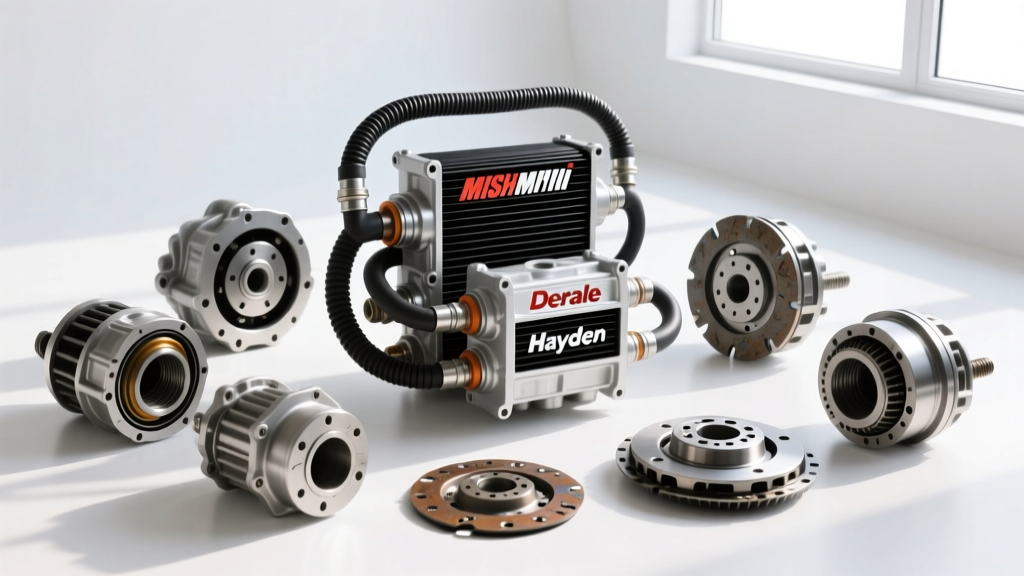
| Cooler Line Set (OEM Style) | Hayden 515 / GM 15804133 | $75 - $95 | 1.5 hrs | $250 - $320 |
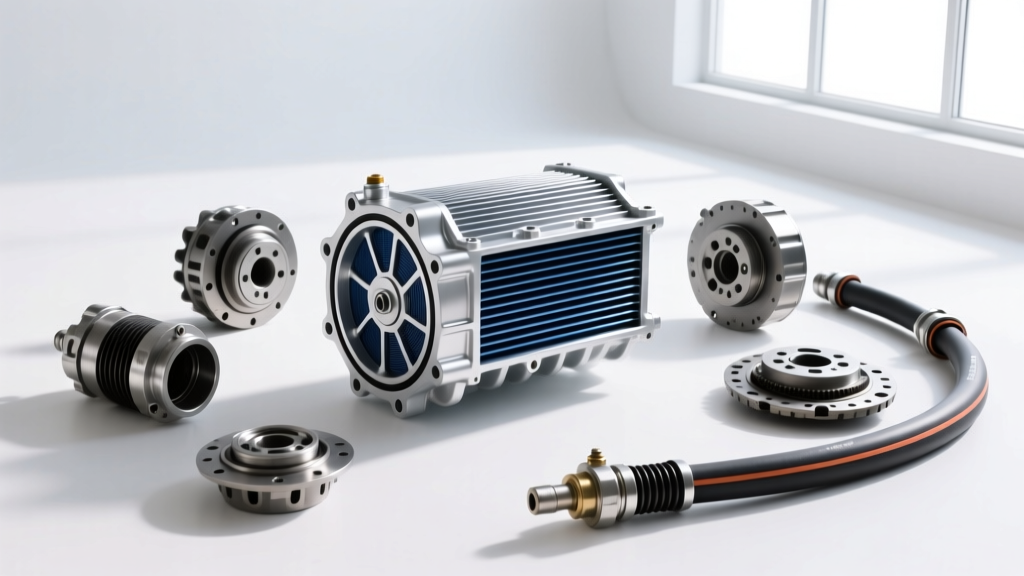
| External Auxiliary Cooler | Hayden 678 (Radiator Bypass) | $65 - $85 | 1.0 hr | $180 - $250 |
| Radiator (Internal Cooler Fail) | Denso 221-3230 | $220 - $310 | 3.5 hrs | $650 - $900 |
| Dexron VI Fluid (14 Qt Cap.) | Valvoline / Mobil 1 | $110 - $130 | Included | $110 - $130 |
Note: If coolant cross-contamination ('strawberry milkshake') has occurred due to an internal radiator cooler rupture, the 4L80E will require a complete flush, clutch pack replacement, and torque converter replacement, pushing the repair cost well past $2,800.
Step-by-Step Cooler Leak Diagnosis
Pinpointing the exact origin of a cooler leak requires a systematic approach. Guessing and throwing parts at the truck is a fast track to wasted capital. Here is the professional diagnostic sequence.
1. Visual and UV Dye Inspection
Begin by cleaning the 4L80E case, specifically around the passenger-side cooler line adapters and the external case connector. Add a UV-compatible oil dye to the transmission dipstick tube. Run the vehicle until the transmission reaches operating temperature (180°F - 200°F) to pressurize the cooler circuit. Inspect the lower radiator hose connections, the quick-disconnect fittings, and the case adapters under a UV blacklight.
2. Cooler Circuit Pressure Testing
If the leak is internal or suspected to be inside the radiator, you must pressure test the cooler lines. Disconnect the lines at the transmission case and connect a regulated air pressure tester to the 'To Cooler' line. Critical Warning: Never exceed 20-25 PSI when pressure testing a cooler circuit connected to a radiator. Factory radiator internal tanks are not designed for high air pressure and will rupture, turning a $100 line repair into a $600 radiator replacement.
3. Inspecting the 4l80e Transmission Temperature Sensor
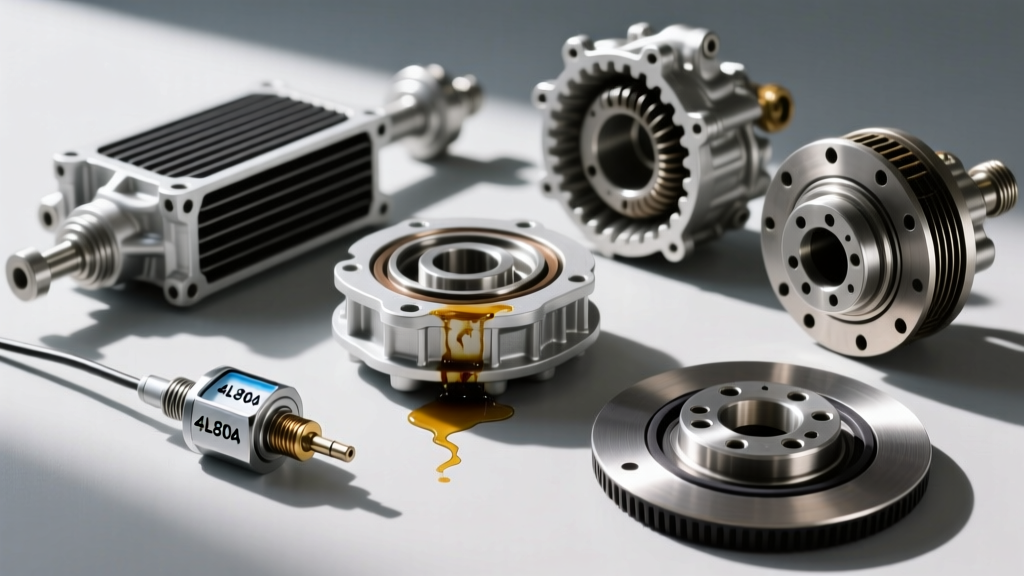
Because the cooler lines route directly above and behind the transmission case on many GM trucks, external leaks often drip onto the main case electrical connector. ATF is highly effective at degrading rubber seals and wicking into electrical pins via capillary action. If fluid has breached the case connector, it will travel down the internal wiring harness directly to the 4l80e transmission temperature sensor, causing a short to ground.
Electrical Diagnosis: Testing the TFT Sensor
The TFT sensor is a Negative Temperature Coefficient (NTC) thermistor. As transmission fluid temperature increases, the sensor's electrical resistance decreases. The PCM supplies a 5-volt reference to the sensor and monitors the voltage drop to calculate fluid temperature.
If you have diagnosed a cooler leak and suspect collateral damage to the sensor, you must test it with a digital multimeter (DMM) set to Ohms. Drop the transmission pan, locate the 2-wire sensor on the valve body, and measure resistance across the pins.
| Fluid Temperature | Target Resistance (Ohms) | Expected Voltage Signal |
|---|---|---|
| 32°F (0°C) | 9,500 - 10,500 Ω | 4.8V - 4.9V |
| 68°F (20°C) | 3,000 - 3,500 Ω | 3.9V - 4.2V |
| 176°F (80°C) | 320 - 380 Ω | 1.5V - 1.8V |
| 212°F (100°C) | 150 - 190 Ω | 0.8V - 1.1V |
If your multimeter reads infinite resistance (open circuit) or zero resistance (short circuit), the sensor is dead. According to the Automatic Transmission Rebuilders Association (ATRA), replacing the internal wiring harness alongside the sensor is highly recommended if ATF contamination is visible inside the connector cup.
Mitigation Strategy: The Radiator Bypass Mod
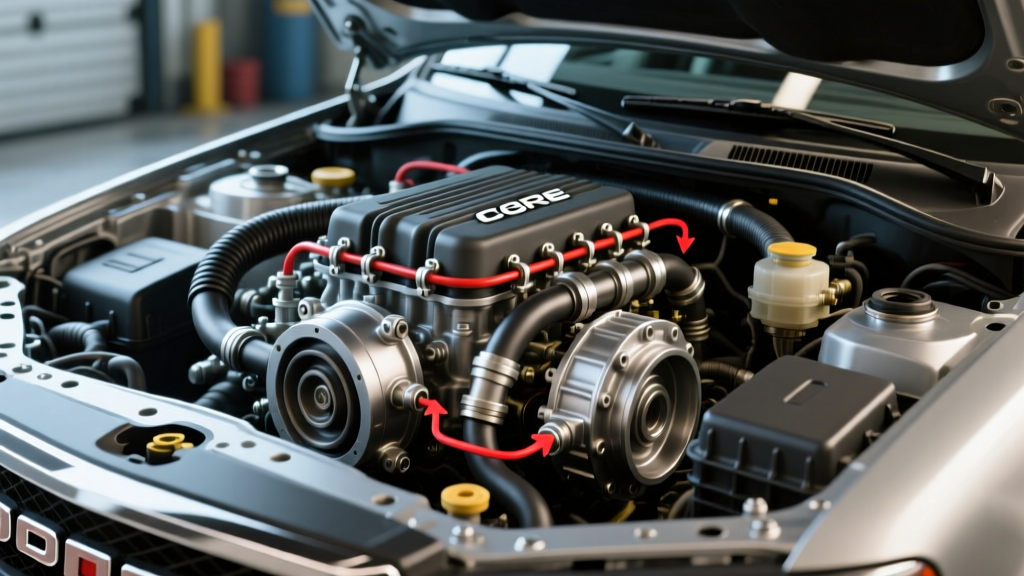
Given the catastrophic financial risk of an internal radiator cooler failure, the most cost-effective long-term strategy for the 4L80E is the 'Radiator Bypass' modification. This involves capping the transmission cooler ports inside the radiator and routing the transmission lines directly to a high-capacity external auxiliary cooler.
Bypass Cost Analysis
- Radiator Bypass Fittings & Hose: $35
- Hayden 678 Stacked-Plate Cooler: $75
- Zip Ties, Clamps, and Fluid Top-Off: $25
- Total DIY Investment: ~$135
By spending $135, you completely eliminate the risk of coolant entering the transmission. For heavy-duty towing applications, pairing a Hayden Automotive stacked-plate cooler with an inline Magnefine transmission filter provides superior thermal rejection and debris filtration, protecting both the clutch packs and the sensitive TFT sensor circuitry.
Expert Torque Specs & Installation Data
When reassembling the cooling circuit and replacing the sensor, adhering to factory torque specifications is non-negotiable. Over-tightening the aluminum case adapters is a leading cause of recurring leaks and cracked transmission cases.
- Case Adapter Fittings (1/4' NPT to O-Ring): 18 - 22 lb-ft
- Cooler Line Flare Nuts: 15 lb-ft
- Transmission Pan Bolts (M6): 97 lb-in (8 lb-ft)
- Valve Body TFT Sensor Retaining Bolt: 44 lb-in (snug fit, do not overtighten)
Final Verdict on Cooler Leak Economics
A transmission cooler leak is never 'just a leak.' It is a direct threat to the hydraulic and electronic integrity of your drivetrain. By addressing external leaks immediately, testing the 4l80e transmission temperature sensor for fluid intrusion, and investing in an external cooler bypass, you can avoid the $3,000+ nightmare of a cross-contaminated transmission rebuild. Always prioritize OEM-style quick-disconnect fittings and high-quality Dexron VI fluid to ensure the longevity of your 4L80E's thermal management system.