The AMT Architecture: Do AMT Cars Have Clutch Assemblies?
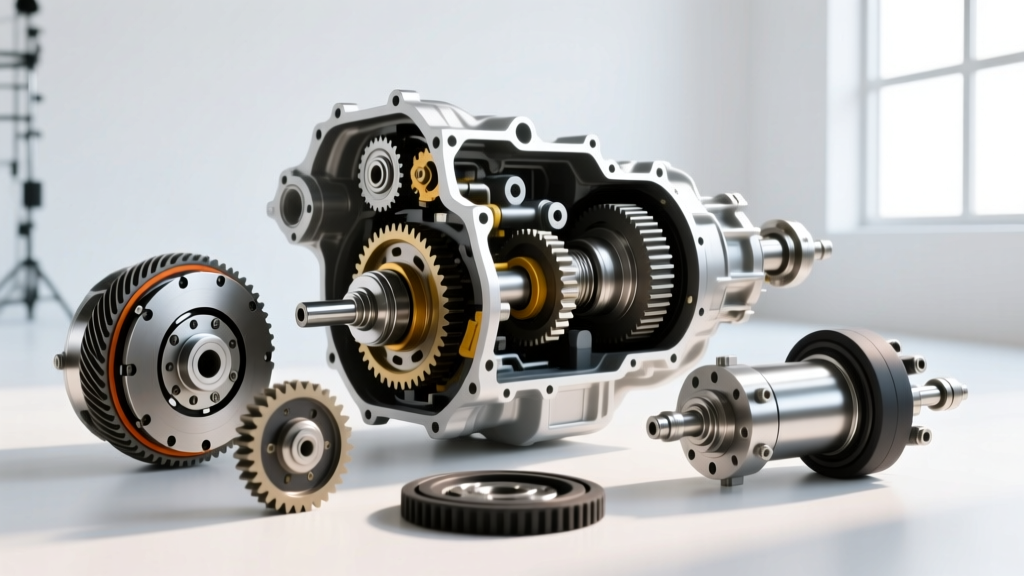
When enthusiasts and daily commuters alike ask, "Do AMT cars have clutch assemblies?" the answer is an absolute yes. An Automated Manual Transmission (AMT)—found in vehicles utilizing systems like Fiat's Dualogic, Suzuki's AGS, or Volkswagen's ASG—is fundamentally a traditional manual transmission. However, the physical clutch pedal and mechanical linkage are replaced by an electrohydraulic or electromechanical robotic actuator. Because the underlying friction mechanics are identical to a standard manual gearbox, AMTs are entirely susceptible to clutch wear, overheating, and slippage.
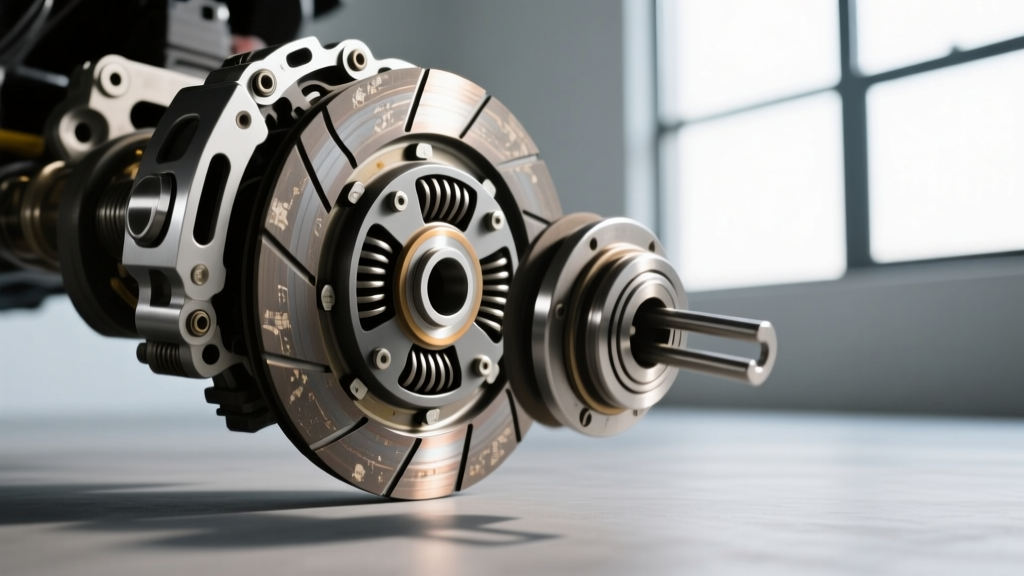
Unlike torque-converter automatics or Continuously Variable Transmissions (CVTs), an AMT relies on a physical friction disc clamped against a flywheel. When the electrohydraulic pump fails to maintain adequate line pressure, or when the friction material degrades beyond the actuator's maximum stroke compensation, clutch slipping occurs. Recognizing the symptoms early is critical to preventing catastrophic failure of the robotic actuator, which can cost upwards of $1,500 to replace.
Recognizing AMT Clutch Slipping Symptoms
Diagnosing an AMT requires understanding that the transmission control module (TCM) actively manages clutch engagement. Slipping in an AMT often presents differently than in a traditional manual car because the robotic actuator attempts to compensate for wear by altering the clutch bite-point. Watch for these primary indicators:
- RPM Flares Without Load Proportionality: During upshifts (particularly from 2nd to 3rd gear), the tachometer will spike disproportionately without a corresponding increase in vehicle speed. The TCM is commanding full engagement, but the friction disc is sliding against the flywheel.
- Delayed Engagement from Neutral: When shifting from Park or Neutral into Drive, the vehicle hesitates for more than 1.5 seconds before engaging. This indicates the actuator is struggling to build sufficient hydraulic pressure to clamp the clutch pack firmly.
- Actuator Overheating Warnings: Slipping generates immense friction heat. The TCM monitors the clutch temperature model; if it exceeds 280°C (536°F), the dash will display a transmission overheat warning and force a limp-home mode.
- Erratic Low-Speed Shuddering: While often confused with dual-clutch transmission (DCT) shudder, AMT shudder during stop-and-go creep indicates the clutch position sensor (CPS) is miscalculating the friction bite-point, causing rapid micro-engagements and micro-slips.
Diagnostic Matrix: Slipping vs. Actuator Failure
Before tearing down the bell housing, it is vital to differentiate between physical friction material wear and electrohydraulic actuator faults. Use this diagnostic matrix when evaluating AMT drivetrain faults:
| Symptom / Data Point | Physical Clutch Wear | Electrohydraulic Actuator Fault | Clutch Position Sensor (CPS) Drift |
|---|---|---|---|
| RPM Flaring on Upshifts | Yes (Consistent) | Yes (Intermittent) | Rare |
| Hydraulic Line Pressure (Idle) | Normal (45-50 bar) | Low (<35 bar) | Normal (45-50 bar) |
| Actuator Stroke Count (OBD-II) | Exceeds max limit (>28mm) | Within normal range | Erratic / Fluctuating |
| Gear Engagement Delay | Slight (1-2 seconds) | Severe (3+ seconds or no engagement) | Moderate (Hunting for bite-point) |
| Common OBD-II Codes | P0805, P0810 | P0935, P0942, P0949 | P0806, P0807 |
Step-by-Step AMT Clutch Diagnosis & Telematics
Proper diagnosis requires a bidirectional OBD-II scan tool (such as the Autel MaxiSys MS906Pro or an OEM-specific tool like MultiECUScan for Fiat/Alfa Romeo). Standard code readers cannot access the proprietary TCM PIDs required for AMT diagnosis.
Step 1: Read the Clutch Actuator Stroke PID
As the clutch friction disc wears, the release bearing must travel further to disengage the clutch. The TCM records this as the "Clutch Stroke" or "Bite-Point Position." For a standard Sachs or LuK AMT clutch kit, the new stroke baseline is typically around 12mm to 15mm. If your scan tool shows the engagement point has drifted past 26mm, the physical friction material is exhausted. The actuator simply cannot push the diaphragm spring any further, resulting in incomplete clamping force and subsequent slipping.
Step 2: Verify Electrohydraulic Accumulator Pressure
AMTs utilize a high-pressure electric pump and a nitrogen-charged accumulator to store hydraulic energy. Connect your scan tool and monitor the Hydraulic Pressure Sensor PID. According to ZF transmission engineering specifications, system pressure should maintain between 45 and 55 bar during active shifting. If the pressure drops below 38 bar during a clutch engagement event, the clamping force will be insufficient, causing the clutch to slip even if the friction disc is brand new. This points to a failing hydraulic pump, a leaking accumulator, or degraded fluid.
Step 3: Inspect the Clutch Position Sensor (CPS)
The CPS is a Hall-effect sensor mounted directly on the actuator. It tells the TCM exactly where the release fork is positioned. If the sensor's internal magnet degrades or the wiring harness suffers from engine-bay heat cycling, the TCM receives false position data. This causes the actuator to under-apply the clutch, leading to immediate slippage and harsh engagement when the TCM attempts to correct the error.
Preventive Maintenance: Prolonging AMT Clutch Life
Because AMTs are controlled by computers, driver habits and maintenance intervals directly dictate the lifespan of the friction materials. Follow this preventive maintenance guide to avoid premature slipping:
- Electrohydraulic Fluid Flush (Every 40,000 Miles): The hydraulic actuator relies on specialized fluid. For Fiat Dualogic systems, this is typically Tutela CS Speed; for VW ASG systems, it is VW G 052 171 A2. Over time, this fluid absorbs moisture and shears, losing its viscosity. Degraded fluid causes the hydraulic valves to stick, leading to delayed clamping and micro-slipping. Drain and refill the actuator reservoir (usually a 0.5L capacity) and perform a software-guided hydraulic bleed.
- Perform a Clutch Bite-Point Relearn: Whenever the battery is disconnected, or every 20,000 miles, use a bidirectional scanner to execute a "Clutch Adaptation" or "Bite-Point Relearn" procedure. This forces the TCM to physically map the current friction point of the clutch disc, ensuring the actuator applies the exact necessary pressure without over-stroking or under-clamping.
- Avoid "Creeping" in Stop-and-Go Traffic: Unlike torque-converter automatics, an AMT has no fluid coupling to absorb heat. When you inch forward in traffic by lightly pressing the throttle, the TCM deliberately slips the clutch to prevent stalling. This generates massive heat. In heavy traffic, leave a larger gap and move forward decisively, then come to a complete stop, allowing the clutch to fully engage or fully disengage.
Expert Insight: Many mechanics mistakenly replace the entire AMT robotic actuator when a vehicle presents with slipping. In over 60% of cases involving high-mileage AMTs, the issue is simply an exhausted friction disc combined with a neglected hydraulic fluid flush. Always verify the stroke count and line pressure before condemning the $1,200 actuator unit.
Replacement Costs and Component Lifecycle
When diagnosis confirms physical clutch wear (stroke count maxed out, friction material depleted), a replacement is mandatory. Here is what you can expect regarding AMT clutch replacement economics in the current market:
- AMT Clutch Kit (Disc, Pressure Plate, Release Bearing): $180 to $350 (OEM equivalents like Sachs or LuK).
- Electrohydraulic Actuator (If failed): $850 to $1,400 (Often requires core return and proprietary coding to the vehicle's immobilizer/TCM).
- Flywheel Resurfacing/Replacement: $150 to $400 (AMTs often utilize solid mass flywheels, but some heavy-duty applications use Dual Mass Flywheels which must be replaced, not resurfaced).
- Labor & Software Adaptation: $450 to $800. Note that AMT clutch replacement requires a software adaptation post-installation. If the mechanic does not reset the clutch stroke counters via OBD-II, the new clutch will slip immediately upon driving off the lift.
For deeper technical analysis on automated manual transmission wear patterns and electrohydraulic actuator degradation, refer to the latest technical papers published by SAE International. Understanding the symbiotic relationship between the friction materials and the robotic actuator is the key to mastering AMT diagnostics and ensuring long-term drivetrain reliability.