The Financial Hangover of Post-Repair Clutch Failure
There are few experiences more frustrating for a motorcycle or UTV owner than paying for a complete clutch pack replacement, only to experience slip, chatter, or drag 500 miles later. In shared-sump wet clutch systems—where a single oil reservoir lubricates the engine crankshaft, transmission gears, and clutch friction plates—the fluid is not just a lubricant; it is a critical structural component of the clutch assembly. When a newly rebuilt clutch fails prematurely, the immediate assumption is often a defective part or poor mechanical assembly. However, in our 2026 diagnostic analysis, fluid incompatibility remains the number one culprit for post-repair wet clutch failure.
This guide breaks down the exact mechanical and chemical reasons why new clutches fail immediately after installation, provides a diagnostic framework for identifying the root cause, and delivers a hard cost analysis comparing the use of budget automotive oils versus dedicated formulations like Amsoil wet clutch oil.
The Shared-Sump Dilemma and Friction Modifiers
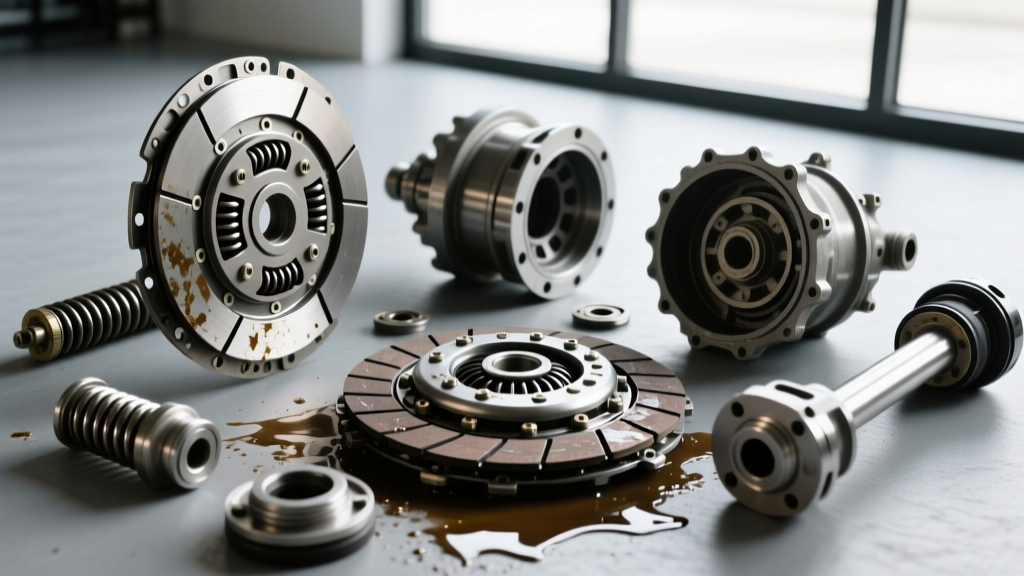
Modern automotive engine oils (API SP / ILSAC GF-6) are engineered for maximum fuel economy. To achieve this, tribologists add organic friction modifiers, most commonly Molybdenum Dialkyldithiocarbamate (MoDTC). While MoDTC is excellent for reducing piston ring-to-cylinder wall friction, it is catastrophic for wet clutches. These modifiers coat the porous cellulose or Kevlar friction material of the clutch plates, effectively lowering the coefficient of friction below the threshold required to transmit engine torque.
Expert Insight: If your shop or quick-lube center topped off your Yamaha MT-09 or Honda Africa Twin with 'Resource Conserving' automotive oil after a clutch rebuild, your new friction plates are likely already glazed. No amount of cable adjustment will fix a chemically contaminated clutch pack.
Dedicated motorcycle fluids, such as AMSOIL Synthetic Metric Motorcycle Oil, are specifically formulated without these slip-inducing modifiers and carry the vital JASO MA/MA2 certification, ensuring the friction material can properly bite the steel separator plates.
2026 Cost Matrix: Fluid Choices vs. Rebuild Consequences
To understand the true cost of post-repair clutch failure, we must look beyond the price per quart of oil and factor in the labor, parts, and downtime associated with a secondary teardown. Below is a cost breakdown based on average 2026 dealership and independent shop labor rates ($145–$185 per hour) for a standard 600cc–1000cc sportbike or ADV motorcycle.
| Maintenance Scenario | Fluid Type Used | Fluid Cost (4 Qts) | Expected Clutch Life | Risk of Post-Repair Slip | Total Cost of Ownership (10k Miles) |
|---|---|---|---|---|---|
| Scenario A: Budget Auto Oil | API SP 5W-30 (Auto) | $28 - $36 | 500 - 1,500 Miles | Extremely High (85%) | $850+ (Includes 2nd Rebuild) |
| Scenario B: Generic MC Oil | Standard 10W-40 (JASO MA) | $40 - $52 | 10,000 - 15,000 Miles | Low (15%) | $280 (Parts + Fluid) |
| Scenario C: Premium Synthetic | Amsoil Wet Clutch Oil (MCF) | $60 - $72 | 20,000+ Miles | Negligible (<5%) | $210 (Extended Interval) |
As the data illustrates, saving $30 on fluid during the initial post-repair fill can easily trigger an $800+ secondary repair bill due to glazed plates and weakened clutch springs caused by excessive heat from slipping.
Diagnostic Framework: Identifying the Post-Repair Culprit
If you are experiencing clutch problems after a recent repair or replacement, run through this diagnostic checklist before tearing the engine cases open again.
- Symptom: Slip Under Heavy Load (High RPM, Low Acceleration)
Diagnosis: Fluid contamination (friction modifiers) or incorrect clutch spring installation. If automotive oil was used, the friction material is glazed. Fix: Drain immediately, flush with a dedicated JASO MA2 fluid like Amsoil wet clutch oil, and inspect plates. If glazing is severe, the friction plates must be replaced again. - Symptom: Chatter or Shudder on Engagement (First Gear Takeoff)
Diagnosis: Warped steel separator plates or improper bedding-in procedure. Steel plates must be measured with a micrometer; runout exceeding 0.3mm requires replacement. Chatter also occurs if the clutch basket has deep notches, causing the plates to hang up and release violently. - Symptom: Clutch Drag (Bike Creeps Forward in Gear with Lever Pulled)
Diagnosis: Incorrect cable free-play or notched inner hub. Free-play must be set to exactly 2.0mm–3.0mm at the lever perch. If adjusted correctly and drag persists, the inner hub splines are likely grooved, preventing the plates from fully separating.
Mechanical Edge Cases: Torque Specs and Assembly Errors
Even with the correct fluid, improper assembly during the initial repair will guarantee post-repair failure. The most common mechanical error is the improper torquing of the clutch center nut and spring bolts.
The Center Nut Failure Mode
The clutch center nut secures the inner hub to the transmission mainshaft. On high-torque engines like the Kawasaki ZX-10R or Ducati Panigale V4, this nut is subjected to immense shearing forces. If a technician uses an impact wrench without a proper clutch holding tool, they risk twisting the mainshaft or failing to achieve the correct clamping load. The OEM specification for most 600cc-1000cc inline-four engines is typically 75 Nm to 85 Nm (55–63 lb-ft), followed by peening the nut collar or applying a high-strength threadlocker like Loctite 243. If this nut backs off even 1mm, the clutch pack loses its static compression, resulting in immediate, unadjustable slip.
Clutch Spring Fatigue and Measurement
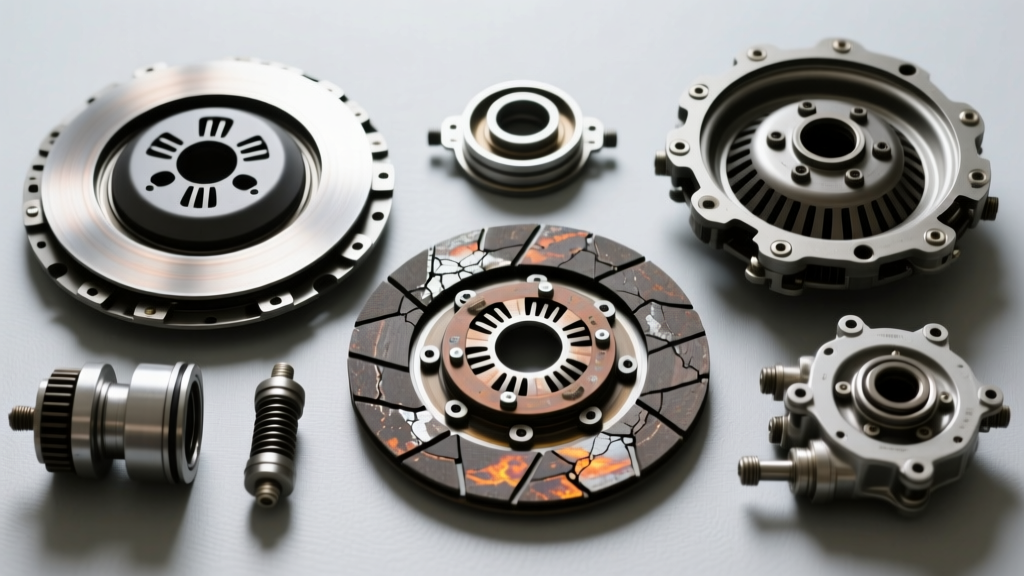
Many DIYers and budget shops reuse old clutch springs to save $40. This is a critical error. Clutch springs suffer from heat-induced fatigue and take a permanent set. You must measure the free length of the springs using digital calipers. For example, a standard Yamaha OEM spring (Part #90501-23155) has a new length of 45.5mm. The absolute service limit is 43.0mm. If your reused springs measure 43.8mm, they are functionally dead and will cause the new Amsoil wet clutch oil to be blamed for a slip that is actually a mechanical clamping failure.
The Bed-In Procedure: Protecting Your Investment
A frequently overlooked cause of post-repair chatter and slip is the failure to properly bed in the new friction plates. Whether you are using OEM cork-based plates or aftermarket Kevlar compounds (like EBC SRK kits), the resin binding the friction material must be heat-cycled and transferred evenly to the steel plates.
According to Cycle World's technical breakdown on wet clutch friction modifiers and bedding procedures, a new clutch requires a specific break-in protocol:
- Cold Soak: Allow the bike to sit overnight with fresh JASO MA2 oil so the porous friction material fully absorbs the fluid.
- Thermal Cycling: Ride the motorcycle normally for the first 20 miles, avoiding high-RPM slip starts or aggressive launches.
- Load Bedding: Perform 10 to 15 moderate acceleration rolls in 3rd or 4th gear (from 3,000 RPM to 6,000 RPM), allowing the engine braking to cool the plates between pulls. This burns off manufacturing resins and seats the friction material uniformly.
Skipping this process and immediately launching the bike at the drag strip or hitting heavy mud trails in a UTV will instantly glaze the surface of the plates, leading to permanent chatter.
Final Verdict: The True Cost of Doing It Twice
When diagnosing clutch problems after a repair or replacement, always verify the fluid chemistry first. The financial math is unforgiving: a complete OEM clutch pack, steel plates, and springs will cost between $250 and $450. Add $250 in shop labor for a secondary teardown, and your 'cheap' oil change has cost you nearly $700. By strictly adhering to OEM torque specifications, measuring spring free-lengths with calipers, and exclusively utilizing high-shear, friction-modifier-free fluids like Amsoil wet clutch oil, you ensure that your post-repair clutch delivers maximum torque transfer and long-term financial savings.