The Anatomy of Clutch Failure: Why Materials Dictate Longevity
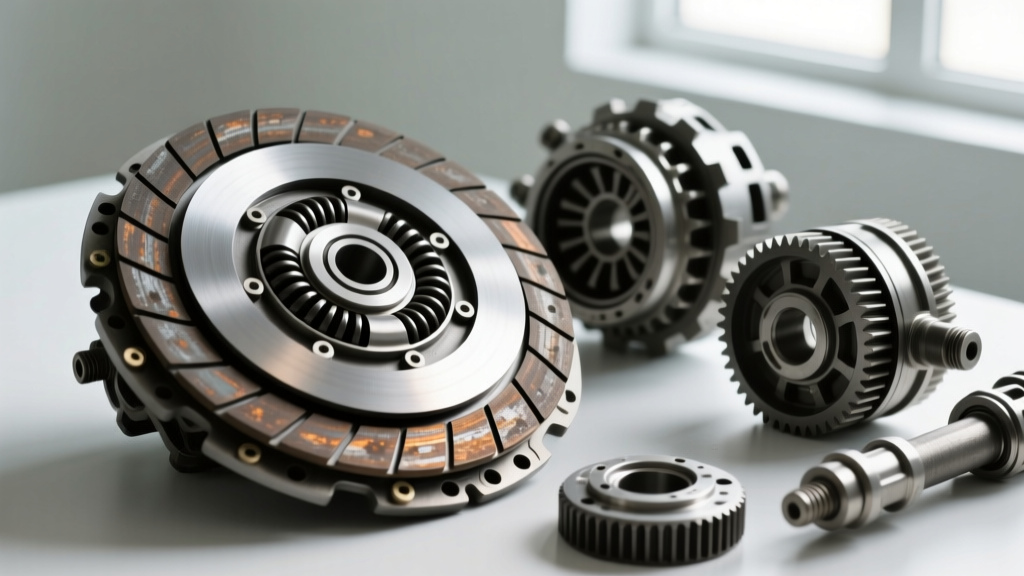
When diagnosing manual transmission issues or shopping for a replacement kit, understanding how and why friction assemblies fail is paramount. The clutch lifespan of any given vehicle is rarely a fixed number; it is a dynamic variable dictated by friction material composition, drivetrain harmonics, and hydraulic actuation health. A high-torque cerametallic disc might survive 100,000 miles on a drag strip but disintegrate in 5,000 miles of stop-and-go commuter traffic. In this 2026 buyer's guide, we break down the root causes of clutch system failure, compare friction materials, and provide the exact installation specifications required to maximize your drivetrain's reliability.
Friction Material Comparison & Expected Clutch Lifespan
Choosing the wrong friction compound is the leading cause of premature wear. Below is a comparative matrix of the most common clutch materials available in the current aftermarket, detailing their thermal thresholds and realistic lifespan expectations.
| Friction Material | Avg Clutch Lifespan | Heat Capacity | Best Application | 2026 Est. Kit Cost |
|---|---|---|---|---|
| Organic (Kevlar Blend) | 60,000 - 90,000 mi | Up to 500°F | Daily driving, light track use | $450 - $750 |
| Kevlar / Aramid | 40,000 - 60,000 mi | Up to 800°F | Track days, aggressive street | $800 - $1,200 |
| Cerametallic (Puck) | 20,000 - 40,000 mi | Up to 1,200°F+ | Dedicated drag/road race | $1,100 - $1,800 |
| Sintered Iron | 5,000 - 15,000 mi | Extreme (No limit) | Pro drag racing, no street use | $900 - $1,400 |
Note: Costs reflect complete kits (disc, pressure plate, release bearing, and alignment tool) for popular platforms like the GM LS/T56 and Subaru EJ257.
Root Cause Analysis: Decoding the Top 4 Failure Modes
Before purchasing a replacement, you must diagnose why the previous unit failed. According to engineering data from ACT Clutches, simply swapping in a stronger clutch without addressing the root cause will only lead to catastrophic downstream drivetrain failures.
1. Thermal Degradation: Glazing and Martensitic Transformation
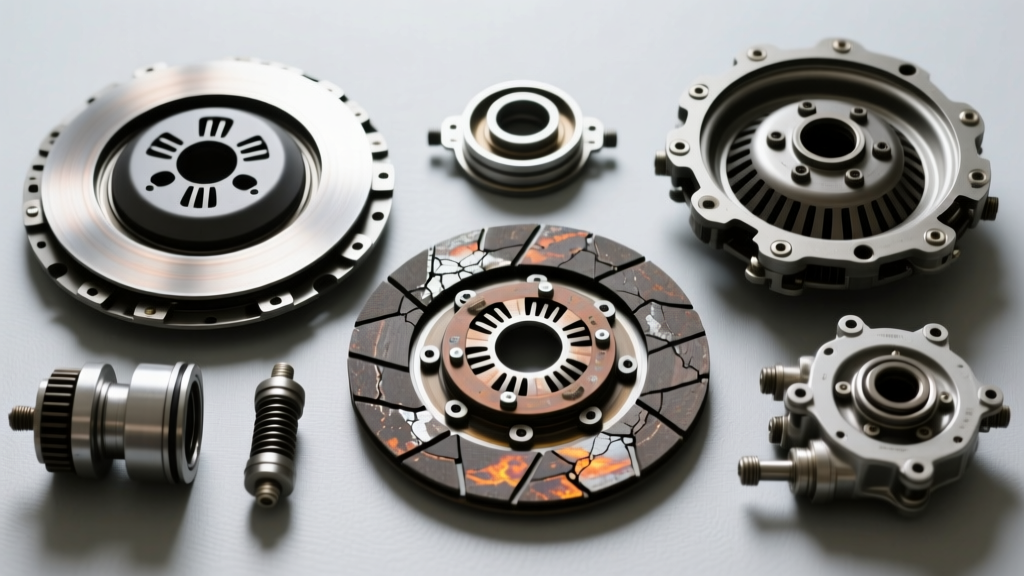
When a clutch is slipped excessively (e.g., holding a vehicle on an incline or launching aggressively), surface temperatures can spike past 1,000°F. Organic facings will glaze, creating a glass-like surface that causes severe chatter upon engagement. More critically, the cast-iron flywheel undergoes martensitic transformation—the iron crystallizes into a brittle, hardened structure. If you install a new clutch disc against a glazed or heat-checked flywheel without resurfacing or replacing it, the new friction material will be shredded within 1,000 miles. Always measure flywheel runout with a dial indicator; maximum allowable runout is typically 0.002 inches.
2. Mechanical Hub Failure and Spline Galling
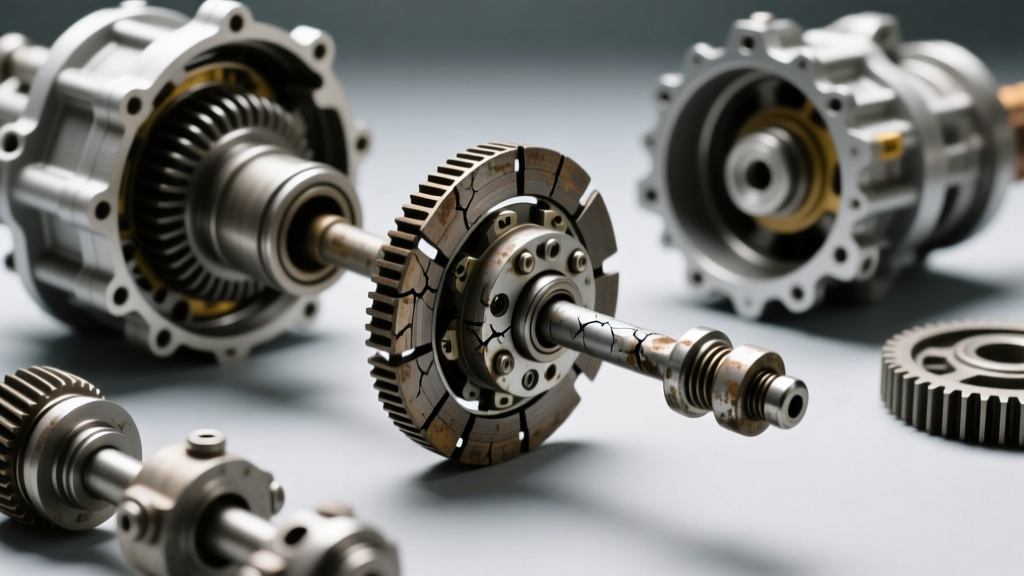
The interface between the clutch disc hub and the transmission input shaft is a high-stress wear point. In heavy-duty applications like the Tremec T56 Magnum (featuring a robust 26-spline input shaft), using an unsprung, solid-hub clutch disc transfers all engine harmonic vibrations directly into the transmission. Over time, this causes micro-welding and spline galling. When diagnosing a clutch that 'sticks' or refuses to disengage fully, inspect the input shaft splines. Applying a microscopic amount of high-melt-point synthetic grease (like Red Line CV-2) to the splines during assembly prevents this, but over-greasing will sling onto the friction surface, ruining the clutch lifespan instantly.
3. Concentric Slave Cylinder (CSC) and Hydraulic Collapse
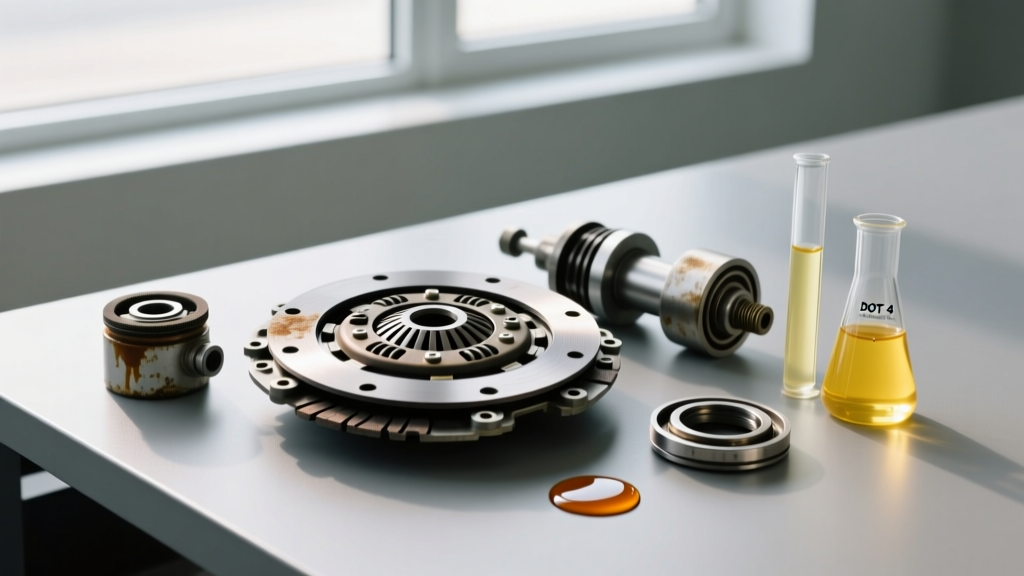
Modern manual platforms, particularly the Subaru 6MT and various European transaxles, rely on Concentric Slave Cylinders. A common failure mode is the internal seal blowout or the plastic thrust bearing melting due to prolonged heat soak from the exhaust tunnel. If your clutch pedal feels spongy or drops to the floor, the root cause is often a failing CSC rather than the friction disc itself. For Subaru 6MT applications, upgrading to an external hydraulic release fork setup (eliminating the CSC entirely) is the definitive 2026 fix for high-horsepower builds exceeding 450 WHP.
4. Pressure Plate Diaphragm Fatigue
The diaphragm spring in the pressure plate provides the clamping force. Over tens of thousands of cycles, this steel fatigues, leading to a 'soft' pedal feel and eventual clutch slip under high boost. High-finger diaphragm designs (common in Borg & Beck styles) offer better leverage and longer lifespan for heavy-duty towing compared to standard low-finger OEM designs. If a pressure plate shows bluing on the fingers, it has been overheated and its clamp load is permanently compromised.
2026 Buyer’s Matrix: Matching the Kit to Your Drivetrain
Selecting the right kit requires balancing torque capacity with drivability. Here is how top-tier manufacturers stack up for specific use cases:
- Street/Track Hybrids (e.g., ACT XTSS, Exedy Stage 1 Organic): These utilize a heavy-duty pressure plate paired with a full-face organic or Kevlar-blend disc. They maintain OEM-like pedal effort while supporting 400-550 lb-ft of torque. Ideal for weekend warriors who still commute.
- Heavy Duty / Diesel Towing (e.g., South Bend Con-O, Valair Quiet Rattle): Designed for platforms like the Cummins 5.9L/6.7L or Duramax. These feature dual-disc organic setups or massive single discs with dampened hubs to absorb the violent low-RPM torque pulses of turbo diesels, preventing transmission gear rattle and extending transmission bearing life.
- Dedicated Track (e.g., Tilton 3-Plate Carbon, RAM Sintered Iron): Used in Porsche G50 or sequential transaxle swaps. These offer near-infinite thermal capacity but require aggressive pedal effort and offer zero streetability. As noted in Tremec's drivetrain documentation, pairing sintered iron with a standard OEM transmission input shaft will often result in the shaft shearing under shock loading.
Installation Variables That Dictate Real-World Clutch Lifespan
Even the most expensive multi-plate clutch will fail prematurely if installed incorrectly. To ensure maximum clutch lifespan, adhere to these critical installation benchmarks:
Bellhousing Alignment (Dial Indicating)
Engine blocks and transmission bellhousings are rarely perfectly concentric from the factory. Misalignment causes the release bearing to wear unevenly and the input shaft to bind. You must use a dial indicator mounted to the crankshaft flange to measure the inner bore of the bellhousing. Total Indicator Runout (TIR) must be under 0.005 inches. If it exceeds this, install offset dowel pins (available in 0.007", 0.014", and 0.021" increments from brands like Moroso or Lakewood) to correct the centerline.
Fastener Torque Specifications
Never reuse stretch-to-yield flywheel bolts. For a standard GM LS-based V8 utilizing an ARP 200-2802 flywheel bolt kit, the proper installation requires ARP Ultra-Torque lube, torqued to 74 lb-ft, followed by a precise 90-degree turn. The pressure plate to flywheel bolts (typically M8x1.25) should be tightened in a crisscross star pattern to 25-35 lb-ft (verify with manufacturer specs, such as Exedy's technical sheets) to prevent warping the pressure plate casting.
Pilot Bearing Verification
A seized pilot bearing will keep the transmission input shaft spinning even when the clutch pedal is fully depressed, making gear engagement impossible and grinding the synchronizers. Always test the pilot bearing by spinning it with your finger; it should offer slight, smooth resistance. Freeze the bearing overnight before installation to shrink the outer race, ensuring a perfect press-fit into the crankshaft flange without damaging the needle bearings.
Final Verdict: Protecting Your Investment
Maximizing clutch lifespan in 2026 requires moving beyond simple 'torque ratings.' By analyzing the root causes of your previous failure—whether thermal glazing, hydraulic collapse, or harmonic hub destruction—you can select a friction material that matches your actual driving profile. Pairing the correct organic, Kevlar, or cerametallic kit with meticulous bellhousing alignment and precise torque specs will ensure your manual transmission operates flawlessly for tens of thousands of miles.