Understanding Performance Clutch Hydraulics
When transitioning from a standard daily driver to a dedicated performance vehicle, the mechanical nuances of your car become far more pronounced. This is especially true for the clutch hydraulic system. In high-horsepower track cars, modified Mustangs, or C7/C8 Corvettes equipped with aftermarket Tremec T-56 Magnum transmissions, the hydraulic system operates under extreme pressure and heat. Unlike the forgiving, self-adjusting systems found in commuter cars, performance clutch setups demand absolute precision.
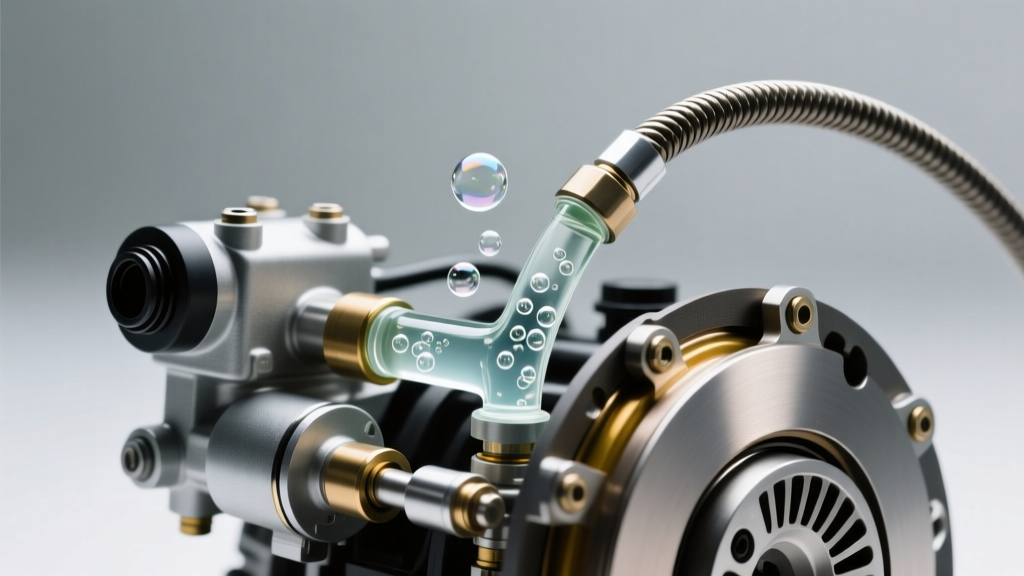
Think of hydraulic fluid as a solid metal rod pushing your slave cylinder; it is incompressible. Air, on the other hand, acts like a compressed spring. When air infiltrates your system, that solid connection is compromised. For beginner track-day enthusiasts and weekend wrenches, recognizing the symptoms of air in clutch line setups is the first step toward saving your transmission from catastrophic grinding and missed shifts. In this guide, we will break down exactly what happens when air enters a high-performance hydraulic circuit, how to diagnose it, and the exact specifications needed to fix it.
Why Performance Cars Are More Susceptible to Air Intrusion
Before diving into the symptoms, it is vital to understand why performance vehicles suffer from air intrusion more frequently than stock cars. There are three primary culprits:
- Heat Soak: Performance exhaust headers and high-friction clutch discs generate immense heat. This heat transfers to the slave cylinder and hydraulic lines, potentially boiling standard DOT 3 fluid and creating vapor pockets (which act exactly like air).
- Vibration and G-Forces: Aggressive cornering and track vibration can loosen micro-fittings, particularly aftermarket AN3 braided line connections, allowing microscopic amounts of air to be drawn into the system during pedal release.
- High-Pressure Master Cylinders: Upgrading to a larger bore master cylinder (such as a Wilwood 0.75-inch bore) increases line pressure to handle stiff multi-disc clutches, putting immense stress on seals and fittings.
4 Telltale Symptoms of Air in Clutch Line Systems
If you suspect your track car or performance build is suffering from aerated fluid, look for these four distinct warning signs.
1. The "Spongy" or Mushy Pedal Feel
This is the most universal and immediate symptom. When you press the clutch pedal, it should feel firm and linear, much like a well-bled brake pedal. If the pedal feels squishy, or if it requires a "pumping" motion to build pressure, air is trapped in the master cylinder, the hard lines, or the slave cylinder. In performance cars utilizing a Tilton 78-Series slave cylinder, even a tiny bubble will drastically alter the pedal feedback because the fluid volume in these compact racing units is so small.
2. Incomplete Disengagement and Gear Grinding
Air compresses under pressure. When you push the pedal to the floor, the compressed air absorbs some of the hydraulic stroke, meaning the slave cylinder does not push the clutch fork or throw-out bearing far enough to fully disconnect the engine from the transmission. You will notice this as a harsh grinding noise when trying to engage first gear from a stop, or difficulty slotting the shifter into reverse on a manual-swapped Porsche or Chevy LS-swapped drift car.
3. Pedal Sticking to the Floorboard
In a properly functioning system, the return spring on the clutch fork or the internal spring of the slave cylinder pushes the fluid back up to the master cylinder, raising the pedal. If air is present near the master cylinder pushrod, the hydraulic resistance is lost, and the pedal may remain pinned to the floor until you manually pull it up with your toe. This is incredibly dangerous on a road course during a downshift into a hairpin turn.
4. A Wandering "Bite Point"
The engagement point (or bite point) is where the clutch begins to transfer power. If your bite point moves closer to the floor after a few hard laps, or wanders unpredictably during stop-and-go canyon driving, expanding air bubbles are changing the effective stroke length of your hydraulic system. As the fluid heats up, the air expands, altering the pedal geometry dynamically.
High-Performance Clutch Fluid Comparison (2026 Market Data)
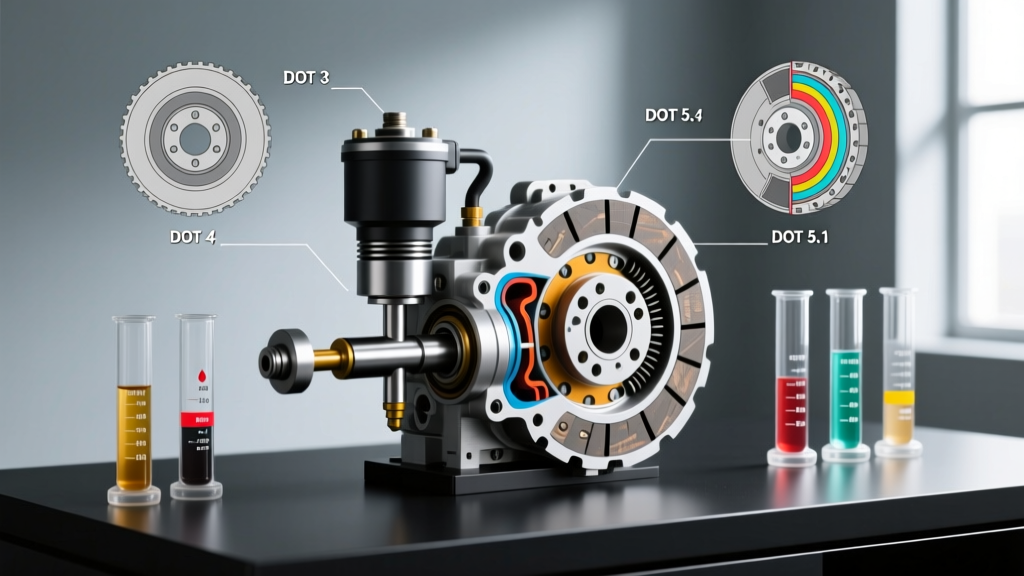
To prevent air from forming via fluid boil, choosing the right hydraulic fluid is paramount. Below is a comparison of common fluids used in performance clutch systems, highlighting why upgrading from OEM fluid is necessary for track use.
| Fluid Type | Dry Boiling Point | Wet Boiling Point | Best Application | Est. Price (2026) |
|---|---|---|---|---|
| Standard DOT 3 | 401°F (205°C) | 284°F (140°C) | Stock Daily Drivers | $6 - $10 / Liter |
| Premium DOT 4 | 446°F (230°C) | 311°F (155°C) | Aggressive Street / Autocross | $15 - $22 / Liter |
| Motul RBF 600 (DOT 4) | 594°F (312°C) | 421°F (216°C) | Track Days / Time Attack | $25 - $30 / 500ml |
| Castrol SRF Racing | 590°F (310°C) | 518°F (270°C) | Endurance / Pro Racing | $65 - $85 / Liter |
Note: Never use DOT 5 (Silicone-based) fluid in a performance clutch system. It is highly compressible and will cause a permanently spongy pedal, mimicking the exact symptoms of air in the line.
How to Bleed a Performance Clutch System (Beginner Framework)
Fixing the symptoms of air in clutch line setups requires a thorough bleeding procedure. While gravity bleeding works on a stock Honda Civic, performance vehicles with complex routing, remote slave cylinders, or inverted master cylinder setups require more aggressive methods.
Step 1: Inspect and Torque Fittings
Before introducing new fluid, ensure your system is sealed. Performance cars often use Wilwood Engineering master cylinders with AN3 braided stainless steel lines. Use a torque wrench to verify your fittings. AN3 banjo bolts should be torqued to 12-15 lb-ft, and master cylinder mounting nuts typically require 18-22 lb-ft. Over-torquing can crush the soft aluminum of racing master cylinders, creating micro-leaks that constantly suck in air.
Step 2: Choose Your Bleeding Method
- Pressure Bleeding (Recommended): Using a motive power bleeder cap on the master cylinder reservoir forces fluid down through the lines at 12-15 PSI, pushing air out of the slave cylinder bleeder screw. This is the safest method for beginners as it prevents the master cylinder from running dry.
- Reverse Bleeding: Using a syringe to push fluid from the slave cylinder UP to the master cylinder. This is highly effective for performance cars where the slave cylinder sits lower than the master cylinder, as air naturally wants to travel upward.
- Manual Pumping: Have a friend press the pedal while you open and close the bleeder valve. Warning: Never let the pedal go all the way to the floor on older master cylinders, as the piston can travel into a corroded or debris-filled area of the bore, destroying the internal seals.
Step 3: The "Clutch Fork" Trick
According to technical bulletins from Tilton Engineering, tapping the slave cylinder and the clutch fork with a rubber mallet while the bleeder valve is open can help dislodge stubborn air bubbles trapped in the casting of the transmission bell housing or the slave cylinder body itself.
Upgrading Your Lines: OEM Rubber vs. Braided Stainless
If you have thoroughly bled the system, verified your torque specs, and are still experiencing a wandering bite point or spongy pedal, your hydraulic lines might be the culprit. OEM vehicles use EPDM rubber hoses. Under the extreme line pressures generated by heavy-duty performance clutches (like a twin-disc Cerametallic setup), rubber lines can physically expand or "balloon." This expansion absorbs hydraulic pressure, perfectly mimicking the symptoms of air in the clutch line.
Upgrading to a braided stainless steel line (such as those from Goodridge or Earl's Performance) eliminates line expansion. The PTFE (Teflon) inner liner encased in stainless braiding ensures that 100% of your pedal effort is transferred directly to the throw-out bearing. Expect to spend between $80 and $150 for a high-quality, vehicle-specific braided clutch line kit, a mandatory investment for any car seeing consistent track time.
Conclusion
Diagnosing the symptoms of air in clutch line systems on performance vehicles requires an understanding of how heat, pressure, and aftermarket components interact. By recognizing a spongy pedal, incomplete disengagement, or a wandering bite point early, you can protect your expensive Tremec or Porsche manual transmission from damage. Arm yourself with high-temp racing fluid, a reliable pressure bleeder, and a torque wrench, and your performance car will reward you with crisp, predictable shifts lap after lap.
For further reading on drivetrain stress and hydraulic limitations, consult the engineering resources available at Tremec Performance.