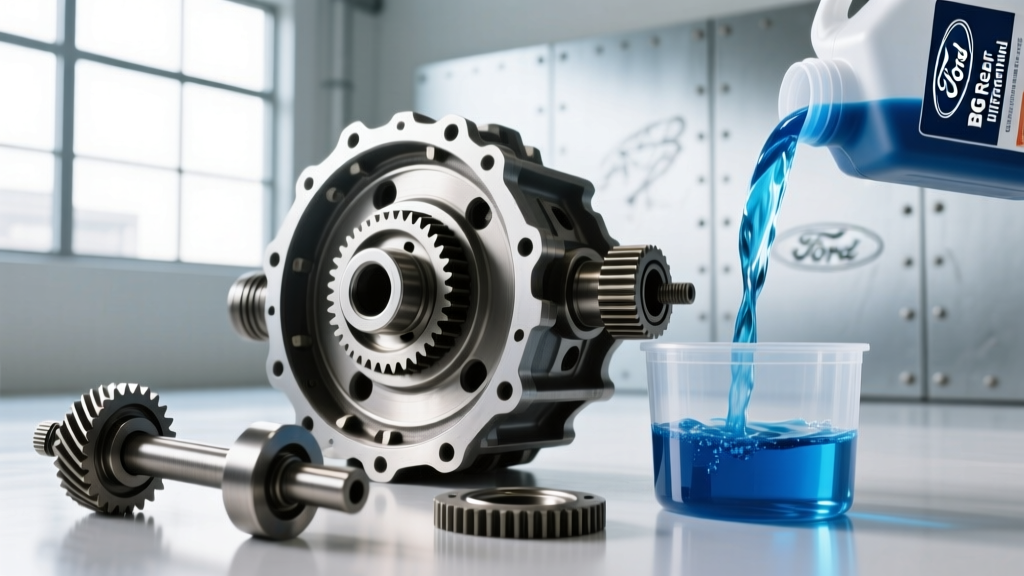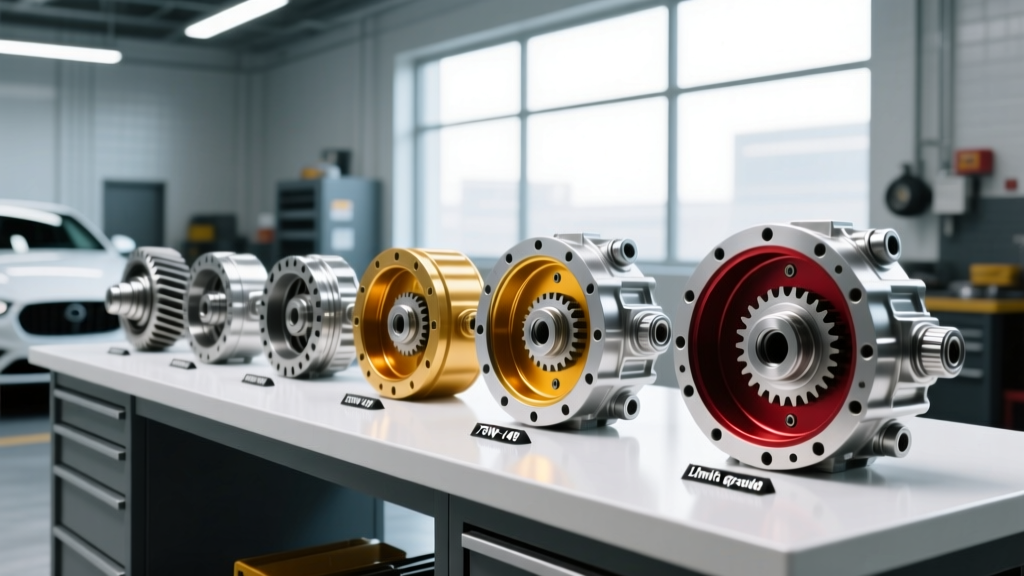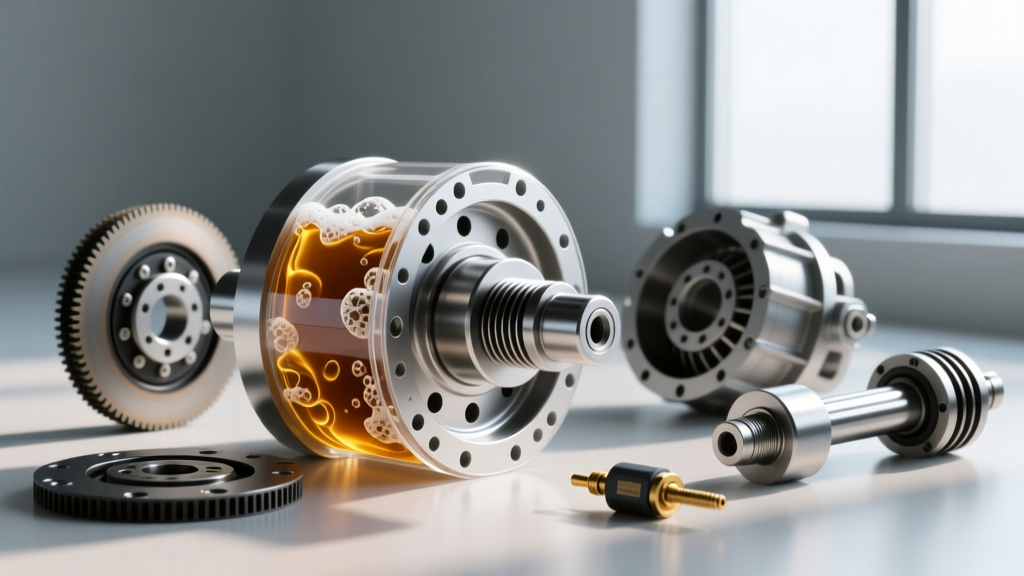
The Evolution of Drivetrains: From Open Gears to Active Hydraulics
For decades, differential maintenance was a straightforward affair: drain the thick, sulfur-smelling 75W-90 GL-5 gear oil, replace the crush washer, and refill. However, the automotive landscape of 2026 looks vastly different. Modern all-wheel-drive (AWD) systems, heavy-duty commercial axles, and electric vehicle (EV) torque-vectoring units rely on complex hydraulic clutch packs to distribute torque dynamically. This shift has introduced a critical intersection between fluid chemistry and electronic telemetry. To understand modern drivetrain diagnostics and fluid specifications, we must first answer a highly technical question that bridges industrial sensing and automotive engineering: how do differential pressure transmitters work within these advanced axle systems, and why does your choice of differential fluid dictate their accuracy?
How Do Differential Pressure Transmitters Work in Active Axles?
In industrial process engineering, a differential pressure transmitter measures the difference between two pressure points to determine flow rate, liquid level, or filter clogging. In the context of advanced automotive and heavy-duty drivetrains—such as the GKN Twinster torque-vectoring modules, Dana Spicer ProTorque commercial axles, and modern EV twin-clutch Rear Drive Units (RDUs)—these transmitters (often referred to as differential pressure sensors or transducers) serve a vital role in clutch pack actuation.
Here is the step-by-step breakdown of how differential pressure transmitters work in an active differential:
- Hydraulic Actuation: An internal or external electric hydraulic pump pressurizes the differential fluid, sending it through electro-hydraulic solenoid valves to engage the wet clutch packs that lock or vector the axle shafts.
- The Pressure Delta Measurement: The transmitter features a piezoresistive or capacitive diaphragm situated between the main hydraulic line pressure and the clutch actuation chamber. It measures the exact pressure differential (Delta P) across the clutch piston.
- Telemetry and VCU Mapping: The transmitter converts this mechanical deflection into a CAN-bus signal sent to the Vehicle Control Unit (VCU). The VCU uses this data to calculate clutch slip, engagement force, and thermal degradation in real-time.
- Cavitation and Aeration Detection: If the differential fluid is degraded, incorrect, or lacking anti-foaming agents, micro-bubbles (aeration) form under high shear. Because air is compressible and fluid is not, the differential pressure transmitter will read erratic, spiking pressure deltas. The VCU interprets this as a hydraulic fault, triggering limp mode or AWD-disabled warning codes (e.g., U0415 or C1A15).
Expert Diagnostic Tip: If you are diagnosing an active AWD fault code related to 'Clutch Pressure Implausible,' do not immediately condemn the solenoid or the differential pressure transmitter. Aerated or sheared-out fluid is the leading cause of false delta readings. Always perform a fluid flush and bleed procedure using the OEM-mandated specialty fluid before replacing electronic components.
2026 Differential Fluid Buyer’s Guide & Comparison Matrix
Choosing the correct fluid is no longer just about protecting ring and pinion gears from scuffing; it is about maintaining the precise hydraulic viscosity required for the differential pressure transmitters to function accurately. Below is a comparison of the primary fluid categories available on the market today.
| Fluid Category | Viscosity & Spec | Primary Application | Price Range (Per Qt/L) | Impact on Pressure Transmitters |
|---|---|---|---|---|
| Conventional API GL-5 | 75W-90 / 80W-90 | Open differentials, traditional clutch-type LSDs (Dana 35/44, Ford 8.8) | $12 - $22 | Too viscous for active hydraulic circuits; will cause sluggish solenoid response and false low-pressure delta readings. |
| Active RDU / Twin-Clutch Fluid | Specialty Synthetic (e.g., Ford WSS-M2C197-A, Castrol SAF-XJ) | Torque-vectoring RDUs, Haldex Gen 5/6, GKN Twinster | $35 - $65 | Engineered shear-stability ensures consistent hydraulic density, allowing transmitters to read exact clutch engagement pressures. |
| EV E-Mobility Fluid | Ultra-Low Viscosity (e.g., Castrol ON, Mobil EV) | Integrated EV Reduction Gears & e-Differentials (Tesla, Rivian, Hyundai E-GMP) | $40 - $80 | Provides high dielectric strength and cooling; low viscosity requires specialized micro-transmitters calibrated for thinner fluid columns. |
For a deeper understanding of how viscosity grades are standardized across these wildly different fluid types, refer to the SAE J306 Axle Lubricant Viscosity Classification, which outlines the rigorous shear-stability testing required for modern gear oils.
OEM Service Specifications: Torque, Capacity, and Part Numbers
When servicing modern active differentials, precision is paramount. Overfilling can lead to windage and aeration (ruining transmitter readings), while underfilling starves the hydraulic pickup. Here are the exact service specifications for three popular platforms utilizing active or complex differential systems.
1. Ford Bronco Sport Badlands / Focus RS (Twin-Clutch RDU)
This GKN-sourced twin-clutch rear drive unit can vector 100% of rear torque to a single wheel. It requires a highly specific friction-modified fluid to prevent clutch chatter while maintaining hydraulic integrity.
- Fluid Specification: Ford WSS-M2C197-A (Motorcraft part number: XT-11-QDC or equivalent Castrol SAF-XJ).
- Capacity: 1.1 Liters (approx. 1.16 Quarts).
- Drain Plug Torque: 35 Nm (26 lb-ft).
- Fill Plug Torque: 35 Nm (26 lb-ft).
- Service Note: The RDU features an internal hydraulic pump and filter. Unlike standard diffs, the fluid must be level-checked with the vehicle perfectly flat, and the system must be bled via the electronic pump actuation mode in the OEM scan tool to purge air from the pressure transmitter lines.
2. Jeep Wrangler Rubicon (Dana 44 M210/M220 with Electronic Locker)
While not a torque-vectoring active diff, the Rubicon's electronic locking differential relies on a magnetic actuator and precise gear clearances. Standard GL-5 is used, but additive selection matters.
- Fluid Specification: API GL-5 75W-85 Synthetic (Mopar part number: 68218655AB).
- Capacity (Rear M220): 1.9 Liters (approx. 2.0 Quarts).
- Drain/Fill Plug Torque: 33 Nm (25 lb-ft).
- Service Note: Do NOT add aftermarket limited-slip friction modifiers (like XL-3) to this axle. The locker is a mechanical dog-clutch, not a friction clutch. Friction modifiers will degrade the EP (Extreme Pressure) additive film strength on the ring and pinion.
3. Toyota GR Yaris / GR Corolla (G16-FRTS GR-FOUR AWD System)
Toyota's GR-FOUR system uses an electronically controlled multi-plate clutch at the rear coupling to distribute torque. The rear differential itself is a standard Torsen (helical gear) LSD, but the coupling requires specialized care.
- Rear Diff Fluid: API GL-5 75W-85 (Toyota Genuine Hypoid Gear Oil 08885-02606).
- Rear Diff Capacity: 0.5 Liters.
- Rear Diff Fill/Drain Torque: 39 Nm (29 lb-ft).
- Coupling Fluid: The rear coupling unit requires a separate, highly specific Toyota AWD coupling fluid (08885-02801). Mixing standard gear oil into the coupling will destroy the hydraulic actuation and blind the system's pressure feedback loops.
The Chemistry of Failure: Why Standard GL-5 Destroys Active Diffs
To understand why you cannot use standard 75W-90 GL-5 in an active differential equipped with pressure transmitters, we must look at the American Petroleum Institute (API) service classifications. API GL-5 fluids are loaded with sulfur-phosphorus Extreme Pressure (EP) additives. These additives are designed to sacrificially coat gear teeth under immense shock loads, preventing microwelding and scuffing.
However, these EP additives are highly corrosive to yellow metals (brass, bronze, copper) often found in the synchronizers, sensor housings, and solenoid windings of active hydraulic units. Furthermore, GL-5 fluids utilize heavy Viscosity Index Improvers (VIIs). Under the intense mechanical shear of a twin-clutch pack, these VIIs tear apart, causing the fluid to permanently lose viscosity. A fluid that starts as a 75W can shear down to a 40-weight oil in as little as 10,000 miles in an active RDU. When this happens, the hydraulic pump cavitates, the differential pressure transmitter registers a massive pressure drop, and the VCU defaults the AWD system to FWD-only mode to protect the clutches from burning up.
Final Thoughts for 2026 Drivetrain Maintenance
The days of treating all differentials as simple grease boxes are over. As torque-vectoring, EV integration, and heavy-duty active axles become the standard, understanding the symbiotic relationship between fluid rheology and electronic sensors is critical. Knowing how differential pressure transmitters work empowers technicians and enthusiasts to diagnose AWD faults accurately, saving thousands of dollars in unnecessary electronic or mechanical replacements. Always consult the OEM engineering specifications, use a calibrated torque wrench on aluminum differential housings, and respect the precise fluid chemistry required to keep modern drivetrains operating at peak performance.
For further reading on drivetrain telemetry and sensor diagnostics, consult the GKN Automotive Twinster Technology Overview, which details the hydraulic demands of modern torque-vectoring systems.