The Diagnostic Dilemma: Front-End Shudder in 2026
When a vehicle exhibits a rhythmic shudder, clicking, or vibration at idle and low speeds, DIY mechanics and professional technicians alike face a common diagnostic crossroad. Is the culprit a failing air conditioning compressor clutch, or is it the automatic transmission's internal Torque Converter Clutch (TCC)? As of 2026, with average shop labor rates climbing to $165–$225 per hour, misdiagnosing this symptom can lead to catastrophic financial losses. Pulling an automatic transmission for a TCC rebuild when only an AC clutch removal and replacement was needed is a mistake no enthusiast or shop can afford.
This comprehensive buyer's guide and diagnostic comparison will break down the symptoms, specialized removal tools, and replacement costs for both systems. We will focus heavily on notorious automatic transmission platforms like the GM 6L80/8L90 and the ZF 8HP series, comparing their internal clutch failures against standard electromagnetic AC compressor clutch failures.
Symptom Matrix: AC Compressor Clutch vs. Transmission TCC
Before purchasing specialized pullers or ordering a remanufactured torque converter, you must isolate the vibration. The table below outlines the definitive behavioral differences between a failing AC clutch and a slipping automatic transmission TCC.
| Diagnostic Parameter | Failing AC Compressor Clutch | Automatic Transmission TCC Failure |
|---|---|---|
| Trigger Condition | Engages/disengages with HVAC cabin settings or defroster mode. | Occurs at 35–55 mph under light throttle (TCC apply phase). |
| RPM Behavior | Engine RPM dips slightly upon clutch engagement; idle may surge if slipping. | Tachometer needle flutters rapidly (shudder) while cruising at steady RPM. |
| Audible Cues | High-pitched squealing, metallic clicking, or bearing grind from engine bay. | Low-frequency humming or 'driving over rumble strips' sensation. |
| Load Dependency | Worsens at idle when high electrical load and max A/C are demanded. | Worsens under mild load; often disappears during wide-open throttle (WOT). |
AC Clutch Removal: Tools, Techniques, and Costs
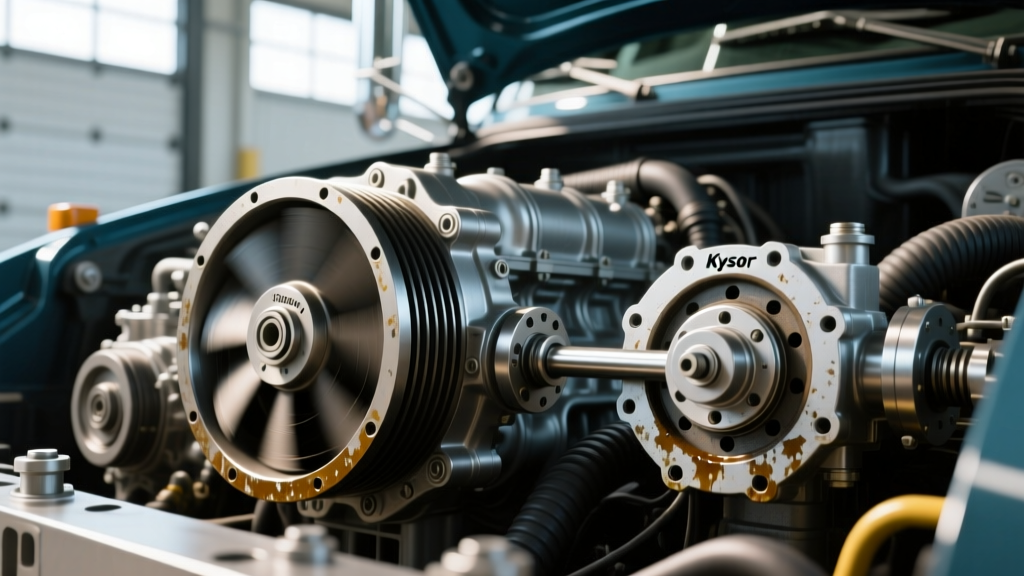
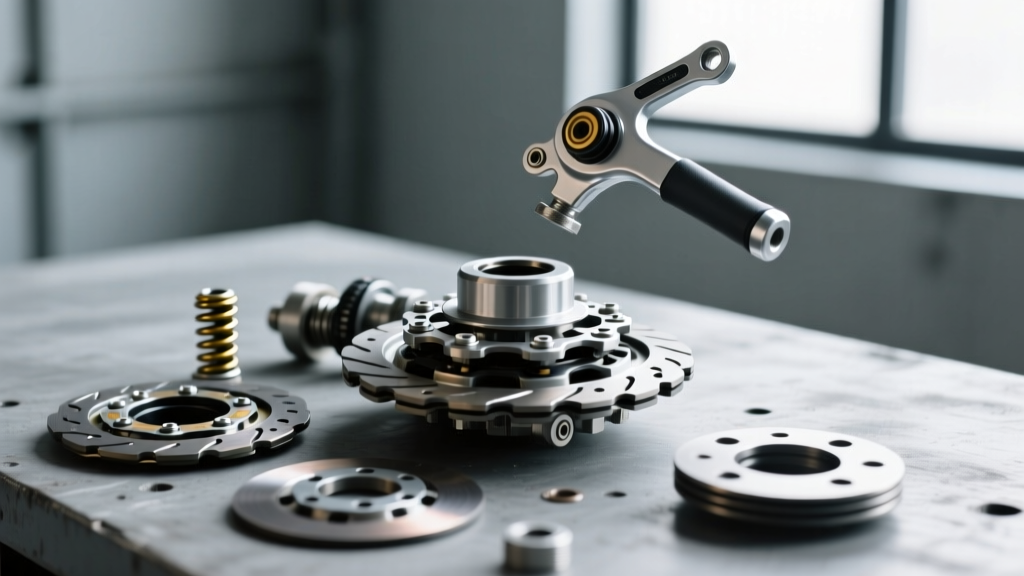
If your diagnostic points to the engine bay, the AC compressor clutch is the primary suspect. The electromagnetic coil, pulley bearing, or friction plate can fail, causing severe engine bay vibrations that mimic drivetrain issues. Fortunately, performing an AC clutch removal often does not require evacuating the refrigerant system, provided you have the correct tools and adequate clearance.
Essential Buyer's Guide for AC Clutch Tools
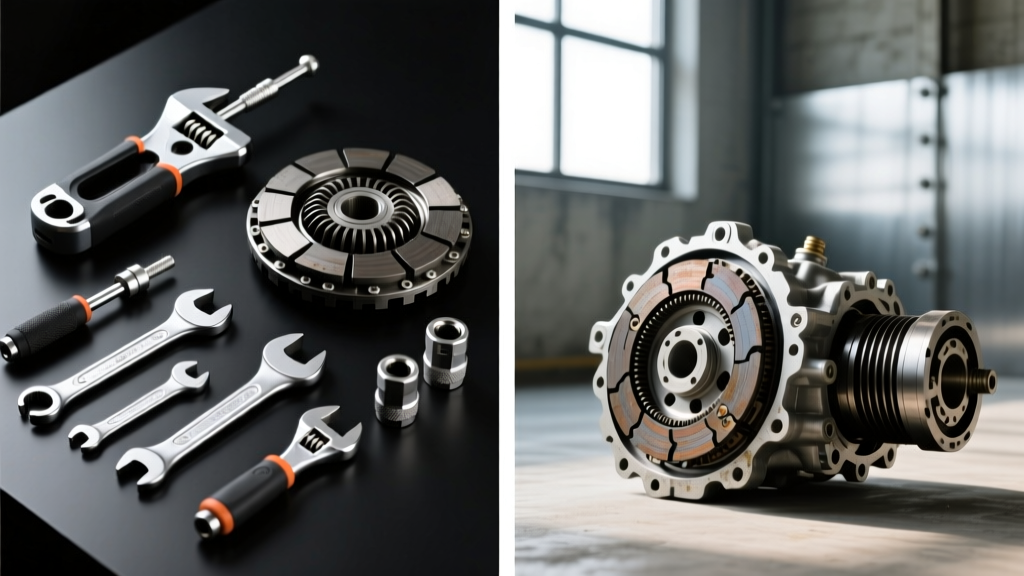
To remove the clutch assembly without damaging the compressor snout or contaminating the system, you need a dedicated puller set. Universal pullers often slip and strip the threaded snout.
- Lisle 45750 Universal AC Clutch Puller/Installer: Priced around $45–$60 on RockAuto or Amazon, this kit includes multiple thread adapters (M8x1.25, M10x1.5) to fit most Denso, Sanden, and Harrison compressors.
- OTC 45213 Clutch Hub Puller: A premium option ($85–$110) featuring a forcing screw with a thrust bearing, preventing the compressor shaft from spinning and damaging internal swash plates during removal.
- Clutch Holding Tool (Spanner Wrench): Essential for breaking the center hub bolt loose (typically torqued to 10–15 lb-ft). Attempting this with standard strap wrenches often results in broken fan blades or slipped tools.
Pro-Tip for 2026: Many modern electric vehicles and hybrids utilize variable-displacement compressors with integrated electronic clutches. Always verify if your compressor utilizes a traditional electromagnetic coil or a direct-drive electronic valve before ordering traditional AC clutch removal kits.
Automatic Transmission TCC Clutch Problems: Deep Dive
If the shudder only occurs while the vehicle is in motion—specifically when the torque converter locks up to create a 1:1 mechanical connection—you are dealing with an automatic transmission TCC issue. Internal friction clutches in modern automatics are highly sensitive to fluid degradation, solenoid fatigue, and valve body wear.
GM 6L80 / 8L90 TCC Shudder
The GM 6L80 and 8L90 transmissions are infamous for TCC shudder. The root cause is rarely the clutch material itself; rather, it is the degradation of the TCC regulator valve in the valve body, which causes oscillating hydraulic pressure during clutch apply. The friction material in the torque converter glazes, and the transmission control module (TCM) struggles to maintain slip RPMs.
The Fix: Dropping the transmission pan and installing the Sonnax 15741-09K TCC Regulator Valve Kit (approx. $45–$65). According to Sonnax, this oversized, anodized aluminum valve restores proper hydraulic sealing. If caught early, flushing the system with a high-quality polyetheramine (PEA) additive and updating the TCM calibration can save the torque converter. If ignored, a full transmission removal and torque converter replacement (approx. $1,800–$2,400 parts and labor) is mandatory.
ZF 8HP Series Solenoid & Friction Failures
The ZF 8HP45, 8HP70, and newer 8HP75 transmissions (found in BMW, Audi, Dodge, and Ford vehicles) utilize a highly integrated mechatronic unit. TCC slip codes (such as P0741 or P2763) are frequently caused by failing TCC solenoids or cracked mechatronic adapter sleeves, rather than worn clutch discs.
The Fix: Replacing the ZF TCC solenoid (Part No. ZF 0501-216-245, approx. $90–$130) requires dropping the integrated plastic transmission pan/filter assembly. The mechatronic unit must be lowered slightly to access the solenoid retaining clips. Torque specs for the mechatronic sleeve bolts are critical: exactly 8 Nm (71 lb-in) to prevent cracking the plastic housing.
Bi-Directional Scan Tools: The Ultimate Diagnostic Arbiters
To confidently separate an AC clutch issue from a TCC issue without turning a single wrench, a bi-directional scan tool is your most valuable investment. In 2026, mid-tier tools like the Autel MaxiCOM MK808S or Topdon Phoenix Lite ($450–$750) offer the necessary active tests.
- The AC Toggle Test: Command the AC compressor relay OFF and ON while the engine is idling. If the vibration tracks perfectly with your commands, the issue is isolated to the AC clutch bearing, coil, or compressor internal seizure.
- The TCC Slip Test: While driving at 45 mph in 5th or 6th gear, monitor the 'TCC Slip RPM' PID. A healthy transmission will show 0–20 RPM of slip when locked. If you command the TCC solenoid to 0% duty cycle (unlocking the clutch) and the shudder instantly vanishes, you have definitively diagnosed an automatic transmission TCC failure.
2026 Repair Cost & Effort Comparison Chart
Use the matrix below to budget your time and capital when approaching these two distinct clutch systems.
| Component / Repair | Example Part Number | Est. Part Cost | Labor Time | Critical Torque Spec |
|---|---|---|---|---|
| AC Clutch Assembly (Coil/Pulley) | Four Seasons 47183 | $75 – $140 | 1.2 – 2.0 hrs | 12 lb-ft (Center Hub Bolt) |
| AC Compressor R&R (Full Evac) | Denso 471-0334 | $280 – $450 | 2.5 – 4.0 hrs | 18 lb-ft (Mounting Bolts) |
| GM 6L80 TCC Valve Body Update | Sonnax 15741-09K | $45 – $65 | 3.5 – 5.0 hrs | 8 lb-ft (Valve Body Bolts) |
| GM 6L80 Torque Converter R&R | ACDelco 24256420 | $450 – $700 | 7.0 – 9.5 hrs | 37 lb-ft (Bellhousing Bolts) |
| ZF 8HP TCC Solenoid & Pan | ZF 0501-216-245 | $180 – $250 (Kit) | 3.0 – 4.5 hrs | 8 Nm (Mechatronic Sleeves) |
Final Verdict: Where to Invest Your Diagnostic Budget
When confronted with a mysterious drivetrain or engine bay shudder, never assume the worst-case scenario. The automatic transmission TCC is a complex, hydraulically actuated friction clutch that requires precise diagnostic data to condemn. Conversely, the AC electromagnetic clutch is a simple, mechanically driven component that is easily tested via visual inspection and bi-directional relay toggling.
Invest in a quality bi-directional scan tool and a dedicated AC clutch removal puller set before tearing into a transmission bellhousing. By systematically isolating the load parameters and utilizing the active test functions outlined above, you can save thousands of dollars in misdiagnosed labor and unnecessary automatic transmission rebuilds. For further technical specifications on valve body wear patterns and hydraulic circuit diagrams, technicians should consult resources like Motor Information Systems to ensure they are referencing the latest OEM service bulletins for their specific vehicle platform.