The Diagnostic Dilemma: Accessory Drive vs. Drivetrain Actuation
When a driver hears an unfamiliar metallic clicking, squealing, or rattling from the engine bay or footwell, the immediate suspicion often falls on the accessory drive system. Specifically, many DIYers and even some general repair shops misdiagnose an air conditioner compressor clutch noise when the true culprit lies within the drivetrain's manual actuation system. In 2026, with labor rates at independent shops averaging between $145 and $195 per hour, a misdiagnosis can result in hundreds of dollars wasted on unnecessary A/C components. This guide breaks down the acoustic differences between A/C compressor issues and manual clutch cable problems, providing a comprehensive cost analysis for adjustment, repair, and replacement.
Identifying True Clutch Cable Problems
Manual transmission vehicles that utilize a mechanical cable linkage (common in older GM C/K trucks, Ford Foxbody and SN95 Mustangs, and various import compacts) are highly susceptible to stretch, fraying, and binding. The clutch cable transmits the physical force from the pedal assembly to the clutch release fork. Over time, the inner steel cable stretches, the outer Teflon-lined housing degrades, and the firewall adjuster mechanisms corrode.
Acoustic & Physical Symptoms of Cable Failure
- Footwell Creaking or Popping: Often heard when depressing the pedal. This is typically the cable binding inside a dry or kinked outer housing, or the plastic quadrant gear (common in Ford applications like the Dorman 970-001 replacement) slipping under load.
- Firewall Rattling: If the rubber grommet or metal turnbuckle adjuster at the firewall is loose, engine vibrations will cause a metallic rattle that mimics a failing accessory bearing.
- Pedal Return Failure: The pedal stays near the floor. This indicates a snapped inner cable or a severely frayed strand caught inside the housing.
- High Pedal Engagement: The clutch only disengages when the pedal is fully pressed to the firewall, indicating excessive cable stretch requiring immediate adjustment.
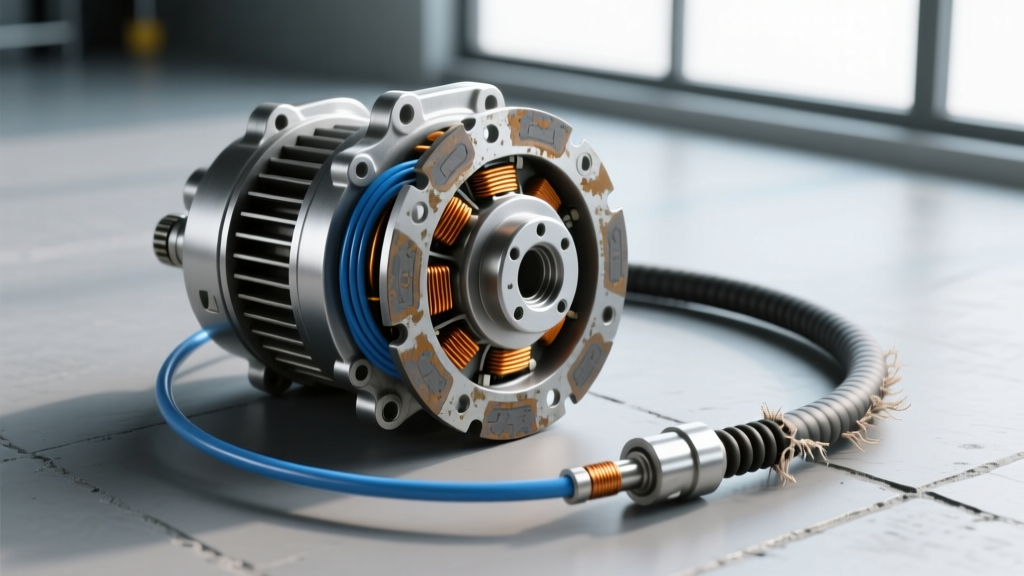
Conversely, an actual air conditioner compressor clutch noise is cyclic. It occurs specifically when the A/C relay engages the magnetic coil. You will hear a distinct metallic 'click' followed by a high-pitched squeal if the clutch air gap is incorrect or the bearing is failing. If the noise changes with engine RPM regardless of pedal position, you are likely chasing an A/C or serpentine belt issue, not a clutch cable problem. For deeper diagnostic flowcharts on mechanical linkages, AA1Car's clutch cable diagnostic library remains an excellent foundational resource.
2026 Cost Analysis: Clutch Cable Adjustment and Replacement
Addressing clutch cable problems is significantly more cost-effective than replacing A/C components, provided the diagnosis is accurate. Below is a breakdown of what you can expect to pay at an independent transmission or general repair shop in 2026.
| Service Procedure | Part Cost (OEM/Aftermarket) | Labor Time | Estimated Total (2026) |
|---|---|---|---|
| Clutch Cable Adjustment (Firewall/Pedal) | $0 (No parts) | 0.3 - 0.5 hrs | $45 - $95 |
| Clutch Cable Replacement (FWD/Transverse) | $35 - $65 (e.g., ACDelco, Dorman) | 1.5 - 2.0 hrs | $250 - $450 |
| Clutch Cable Replacement (RWD/Longitudinal) | $45 - $85 (e.g., GM 15781040) | 1.0 - 1.5 hrs | $190 - $370 |
| Pedal Box Quadrant Gear Replacement | $25 - $50 (Plastic/Aluminum upgrade) | 1.0 hr | $170 - $245 |
Note: Pricing varies by regional labor rates. Dealership rates in major metropolitan areas can push the upper bound of these estimates by an additional 30%.
Comparing Costs: Air Conditioner Compressor Clutch Noise Repairs
To illustrate the financial risk of misdiagnosis, consider the costs associated with repairing the A/C system if you incorrectly assume the air conditioner compressor clutch noise is the root cause of your drivetrain symptoms.
- A/C Clutch Coil Replacement: The magnetic coil itself is relatively cheap ($45 to $90 for a Four Seasons or GPD unit). However, the labor requires recovering the refrigerant, removing the compressor, pressing off the old clutch pulley, and replacing the coil. Total cost: $350 to $600.
- Full Compressor Assembly Replacement: If a shop misdiagnoses a seized clutch bearing as internal compressor failure, they may recommend a full compressor swap. With OEM compressors ranging from $250 to $500, plus refrigerant recharge and 2.5 hours of labor, you are looking at $750 to $1,200+.
Spending $800 on an A/C repair when the issue was a $45 clutch cable and a 15-minute adjustment is a classic, expensive garage mistake. Always verify pedal freeplay before authorizing A/C work for footwell-related noises.
Technical Procedure: Clutch Cable Adjustment Specs
If you have confirmed the noise is indeed related to the clutch cable binding or stretching, proper adjustment is critical. An over-tightened cable will cause the release bearing to ride constantly against the pressure plate fingers, leading to premature transmission failure. An overly loose cable will cause incomplete disengagement, resulting in gear grind and synchronizer wear.
Step-by-Step Adjustment Protocol
- Measure Pedal Freeplay: Press the clutch pedal by hand until you feel resistance. The distance the pedal travels before resistance is the freeplay. Most manufacturers specify between 1/2 inch to 3/4 inch (12mm - 19mm) of freeplay at the pedal pad.
- Locate the Adjuster: Follow the cable from the pedal box through the firewall. Look for the turnbuckle or threaded rod with two locking nuts (typically 13mm or 14mm hex).
- Loosen the Locknut: Use a flare-nut wrench to prevent rounding the threads. Loosen the rear locknut away from the firewall.
- Adjust Tension: Turn the front adjuster nut to lengthen or shorten the cable housing. Re-measure the pedal freeplay after every three full turns.
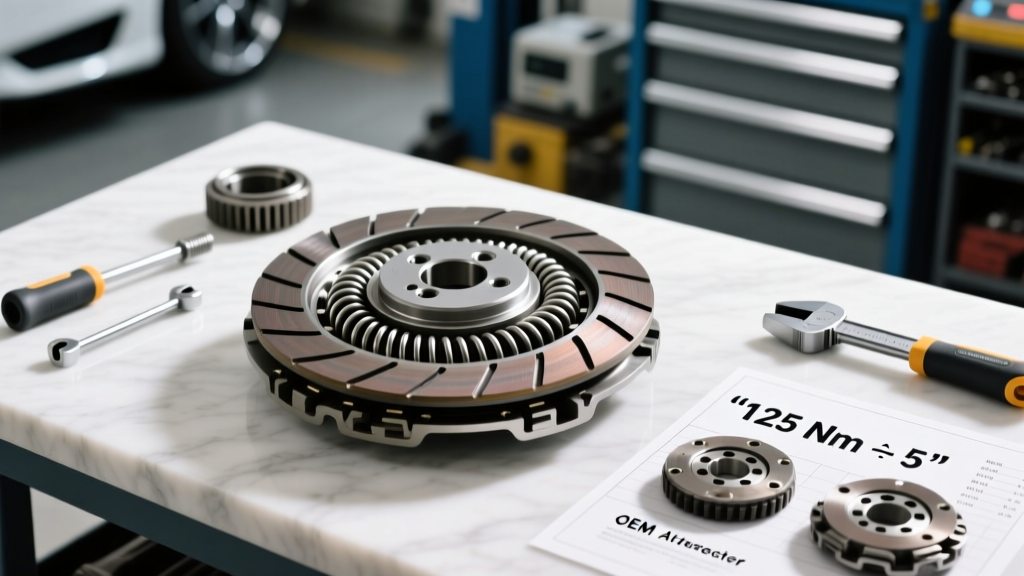
- Torque Specifications: Once the correct freeplay is achieved, tighten the locking nuts against each other. The torque spec for these adjuster nuts is generally 12 Nm (9 lb-ft). Do not overtighten, as you can strip the zinc-plated threads.
- Pedal Box Inspection: While under the dash, inspect the pedal return spring and the pivot bushing. Apply a lithium-based white grease to the pivot ball. Ensure the pedal bracket mounting bolts to the firewall are torqued to 25 Nm (18 lb-ft) to prevent the entire assembly from flexing and creating a 'popping' noise.
Expert Tip: If your clutch cable utilizes a self-adjusting quadrant mechanism (common in 1994-2004 Ford Mustangs), manual adjustment at the firewall is not possible. The ratcheting quadrant gear wears out, causing a popping sound and sudden loss of tension. Upgrading to an aftermarket adjustable cable and a billet aluminum quadrant (such as the Maximum Motorsports or Steeda kits) eliminates the plastic gear failure point entirely and allows for precise firewall tuning.
Sourcing Quality Replacement Parts
When replacement is necessary, avoid unbranded cables from online auction sites. The outer housings on cheap cables lack proper UV and heat shielding, leading to melting near the exhaust manifold and rapid inner-cable binding. Sourcing from established catalogs like RockAuto ensures you receive OEM-equivalent parts from manufacturers like ACDelco, Motorcraft, or high-tier aftermarket brands like Dorman and Mopar. A genuine GM 15781040 cable for a Silverado 1500 manual, for instance, features heavy-duty braided steel and reinforced rubber grommets that withstand engine bay temperatures far better than $15 generic alternatives.
Final Diagnostic Verdict
While an air conditioner compressor clutch noise and a failing clutch cable can both produce metallic clicks, squeals, and rattles, their triggers are entirely different. A/C noise is tied to electromagnetic engagement and engine RPM. Clutch cable noise is tied strictly to pedal actuation and physical linkage tension. By performing a simple 60-second pedal freeplay test and listening for the exact trigger of the noise, you can save yourself hundreds of dollars in misdirected A/C repairs and ensure your manual transmission shifts smoothly for years to come.