The Weak Link: Why the Stock 7.3 ZF5 Clutch Fails
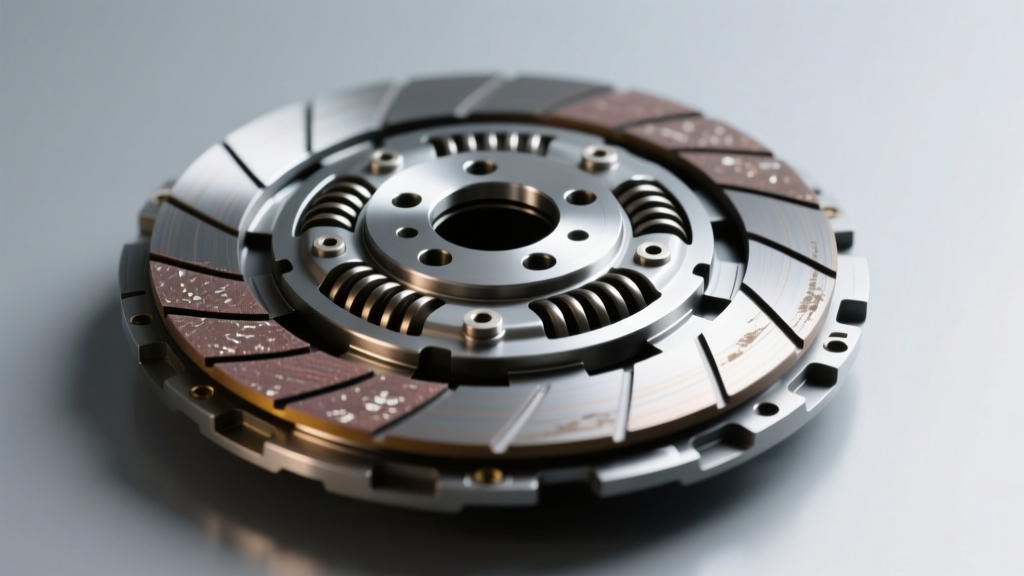
As of 2026, the Ford 7.3L Powerstroke diesel remains a legendary platform for heavy towing and off-grid reliability. However, when paired with the ZF 5-speed manual transmission (S5-42 or S5-47), the factory clutch assembly becomes the ultimate bottleneck. The stock dual-mass flywheel (DMF) and organic friction disc were engineered for a stock truck producing roughly 235 horsepower and 500 lb-ft of torque. The moment you introduce a PHP Hydra chip, TS 6-position tuner, or larger HEUI injectors, the factory 7.3 Powerstroke ZF5 clutch kit will inevitably slip under heavy load, leaving you stranded on a grade or facing catastrophic flywheel disintegration.
Upgrading the clutch in a 7.3L Powerstroke is not a simple swap; it requires a comprehensive understanding of transmission generations, flywheel dynamics, and hydraulic clearances. This guide breaks down the exact engineering requirements for selecting and installing a heavy-duty clutch system in your OBS or Super Duty truck.
Generational Split: OBS 12-Inch vs. Super Duty 13-Inch
Before ordering components, you must accurately identify your ZF5 transmission variant and corresponding clutch diameter. Ford utilized two distinct ZF5 setups during the 7.3L production run:
- 1994–1998 (OBS): Utilizes the ZF S5-42 transmission. This setup requires a 12-inch clutch disc and pressure plate. The S5-42 was rated for approximately 420 Nm (310 lb-ft) of continuous torque capacity from the factory.
- 1999–2003 (Super Duty): Utilizes the ZF S5-47 transmission. This setup requires a 13-inch clutch disc and pressure plate, accommodating the higher 470 Nm (346 lb-ft) torque rating and the larger Super Duty bellhousing.
Note: Both transmissions share a 1-1/4 inch, 10-spline input shaft, but the pilot bearing depths, throwout bearing collars, and clutch diameters are not cross-compatible. Always verify your build month, as early 1999 Super Duty trucks occasionally retained OBS 12-inch drivetrain components.
The Dual Mass Flywheel (DMF) Liability
The factory DMF was designed to absorb the severe low-frequency harmonic vibrations inherent to a 444-cubic-inch V8 diesel. It achieves this via internal planetary springs and friction dampers. While effective for NVH (Noise, Vibration, and Harshness) reduction on a stock truck, the DMF is a severe liability in performance applications.
When subjected to high-torque tuning or aggressive engine braking, the internal springs fatigue and break. A failed DMF will exhibit a rhythmic clunking at idle, severe chatter upon clutch engagement, and eventually, the internal weights can separate, destroying the bellhousing and transmission case. For any truck towing over 10,000 lbs or running over 400 wheel horsepower, retiring the DMF is mandatory.
The Single Mass Flywheel (SMF) Conversion Advantage
The industry standard for 7.3L Powerstroke performance is the Single Mass Flywheel (SMF) conversion. An SMF replaces the complex, two-piece DMF with a solid, single-piece billet or cast-iron flywheel. Because the SMF lacks internal dampening, the torsional vibration absorption must be relocated to the clutch disc itself.
Sprung Hub vs. Rigid Hub Discs
When selecting an SMF conversion kit, you will encounter two disc designs:
- Full Marcell (Sprung Hub): Features torsional springs in the center hub and marcell springs under the friction pucks. This provides a smooth, progressive engagement and absorbs gear rattle. Ideal for street driving, towing, and mild tuning (up to 450 HP).
- Rigid Hub (Unsprung): Lacks hub springs entirely. Engagement is instantaneous and aggressive. While capable of holding massive torque (800+ HP), rigid hub discs transmit severe gear rattle at idle and can accelerate wear on the ZF5 input shaft bearings. Not recommended for daily-driven tow rigs.
Friction Material Selection for the ZF5
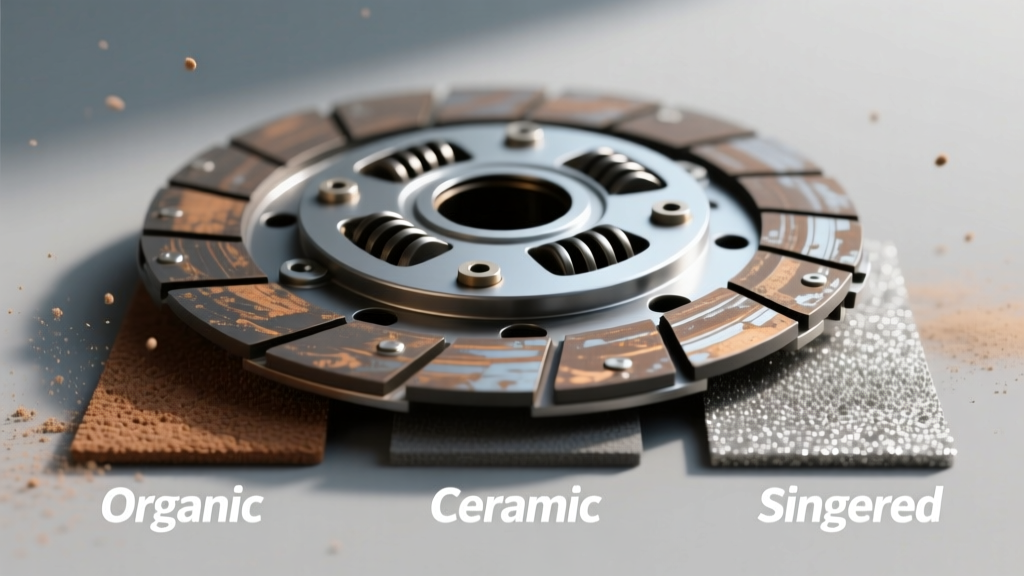
The friction material dictates the clutch's holding capacity, pedal feel, and heat tolerance. Here is how the primary materials stack up for the 7.3 Powerstroke:
| Material | Torque Capacity | Engagement Feel | Best Application |
|---|---|---|---|
| Heavy-Duty Organic | Up to 650 lb-ft | Smooth, linear, stock-like | Daily driving, heavy towing (15k lbs) |
| Kevlar / Aramid | Up to 750 lb-ft | Slightly aggressive, requires heat | Street/Strip, heavy towing, mild tunes |
| Sintered Iron | Up to 900 lb-ft | On/Off switch, high chatter | Dedicated sled pulling, extreme tuning |
| Full Metallic / Ceramic | 1000+ lb-ft | Violent, drivetrain shock | Race only, high-HP competition trucks |
For 90% of 7.3L owners building a reliable heavy-duty tow rig, a Heavy-Duty Organic or Kevlar disc paired with a high-clamp-load diaphragm pressure plate offers the best balance of drivability and holding power.
2026 Market Comparison: Top 7.3 Powerstroke ZF5 Clutch Kits
Based on current market pricing, dyno-proven holding capacity, and long-term reliability data, here are the top-tier upgrade kits available:
- South Bend SDD3250-5 (Street Dual Disc / SMF Conversion): Priced around $950–$1,100. Features a 3250 lb-ft clamp load pressure plate and a heavy-duty organic/Kevlar hybrid disc. Includes a solid flywheel. The gold standard for Super Duty tow rigs.
- Valair Heavy Duty SMF Kit (Organic): Priced around $750–$850. Utilizes a nodular iron SMF and a high-clamp pressure plate. Excellent pedal feel and includes an upgraded hydraulic throwout bearing setup.
- LuK RepSet (OEM Replacement): Priced around $400–$500. This is a direct OEM DMF replacement. While reliable for strictly stock trucks, it is not recommended for tuned or heavy-towing applications due to the inherent DMF failure points.
Precision Installation: Torque Specs and ZF5 Quirks
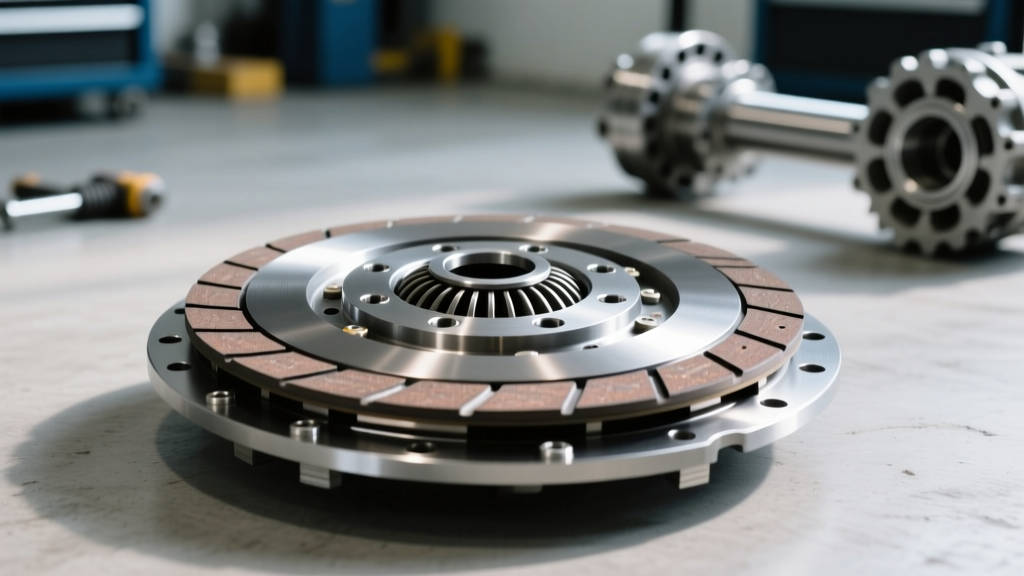
Installing a clutch in a 7.3L Powerstroke requires strict adherence to torque specifications and clearances. The ZF5 transmission is robust, but its peripheral components are prone to wear.
The Front Bearing Retainer Sleeve Trap
Critical Warning: The ZF5 utilizes a hydraulic slave cylinder that pushes a throwout bearing along a front bearing retainer sleeve (collar). Over 150,000 miles, the carbon throwout bearing face often wears a deep groove into the aluminum or steel collar. If you install a new clutch kit without inspecting this collar, the new bearing will hang up in the groove, causing poor disengagement, gear grinding, and premature clutch failure. If grooved, the collar must be replaced or machined with a stainless steel sleeve.
Essential Torque Specifications
- Flywheel to Crankshaft Bolts: 100 lb-ft (Use OEM Grade 10.9 or ARP bolts. Apply medium-strength thread locker. Torque in a star pattern).
- Pressure Plate to Flywheel (8mm Bolts): 35 lb-ft (Torque gradually in a crisscross pattern to avoid warping the diaphragm springs).
- Bellhousing to Engine Block: 55 lb-ft (Ensure the alignment dowels are fully seated; misalignment causes input shaft binding).
- Clutch Fork Pivot Ball: 25 lb-ft (Inspect the ball for flat-spotting; replace if worn).
Pilot Bearing Selection
Never use a sealed needle-roller pilot bearing in a 7.3L Powerstroke. The high-torque vibration and heat cause needle bearings to seize, which can snap the ZF5 input shaft or destroy the transmission front case. Always install a high-quality oil-impregnated bronze bushing. Use a specialized pilot bearing puller to remove the old bearing without damaging the crankshaft bore.
Hydraulic System Overhaul
The 7.3L uses a hydraulic clutch actuation system consisting of a master cylinder, hydraulic line, and an external slave cylinder. When upgrading to a high-clamp-load pressure plate (such as the 3250 lb-ft South Bend unit), the factory plastic master cylinder and rubber lines often lack the volume and pressure to fully disengage the stiff diaphragm springs.
According to drivetrain specialists at Ford Truck Enthusiasts, upgrading to a stroker master cylinder kit or a heavy-duty aftermarket hydraulic assembly is highly recommended when installing an SMF conversion. Furthermore, always bleed the system using a pressure bleeder to ensure no air pockets remain in the slave cylinder, which would result in a spongy pedal and gear crunching.
Break-In Procedures for Upgraded Friction Materials
If you opt for a Kevlar or Sintered Iron disc, the break-in procedure is critical to prevent glazing. Unlike organic discs that can be driven normally immediately, Kevlar requires a heat-cycling process. For the first 500 miles, perform a series of controlled engagements from 30 MPH in 4th gear, allowing the clutch to slip just enough to generate heat without overwhelming the friction surface. This burnishes the disc, transferring an even layer of friction material onto the cast-iron flywheel and pressure plate. Avoid aggressive launches or heavy towing until the 500-mile break-in period is complete.
Final Thoughts on Drivetrain Longevity
Upgrading your 7.3 Powerstroke ZF5 clutch kit is an investment in the survival of your drivetrain. By abandoning the flawed DMF design in favor of a precision-balanced SMF, selecting the correct friction material for your tuning level, and addressing ZF5-specific wear points like the bearing retainer sleeve, you can build a manual transmission setup capable of towing 20,000 lbs across the country without slipping. Treat the installation with the precision it demands, and your ZF5 will continue to shift smoothly for hundreds of thousands of miles.