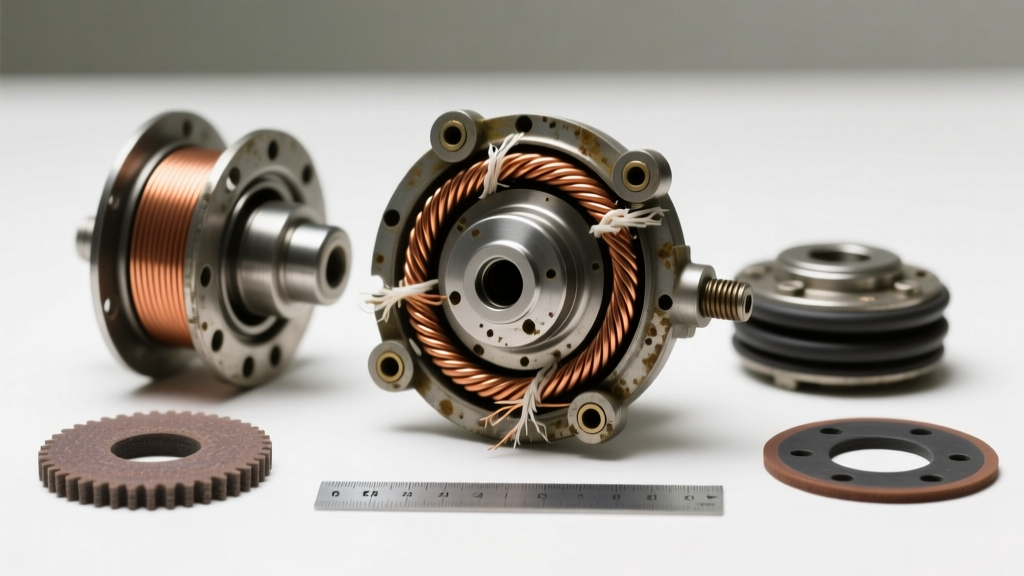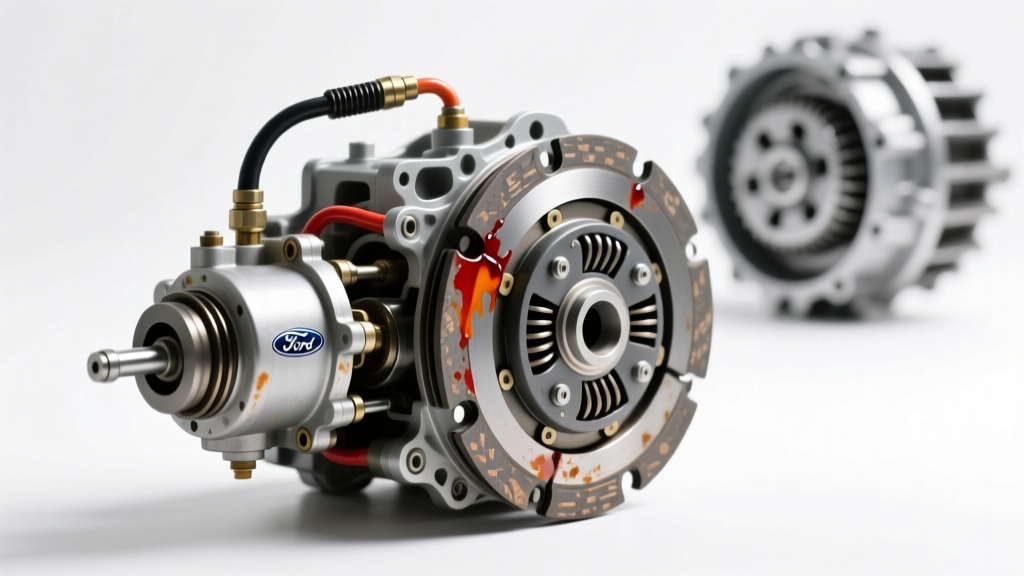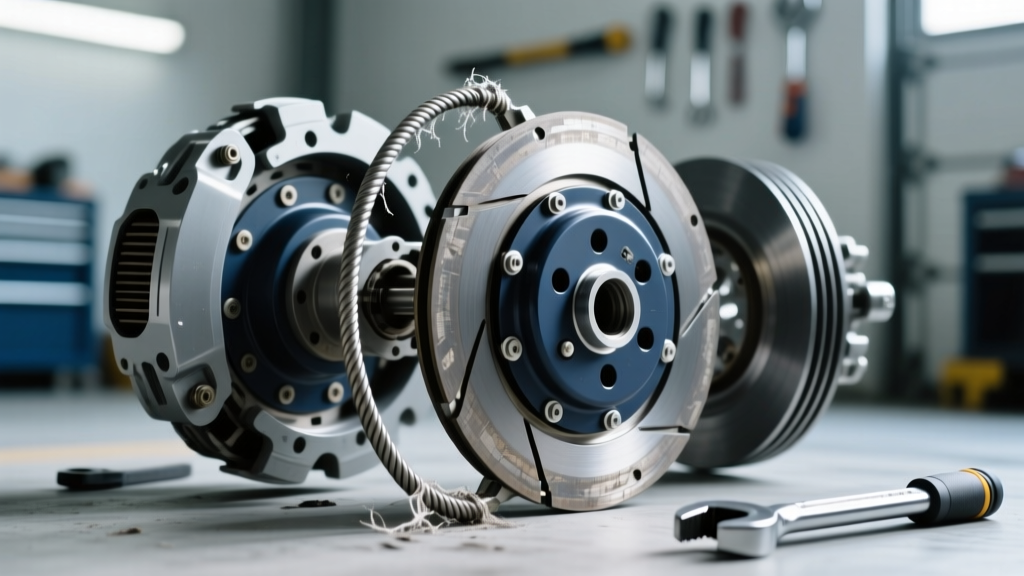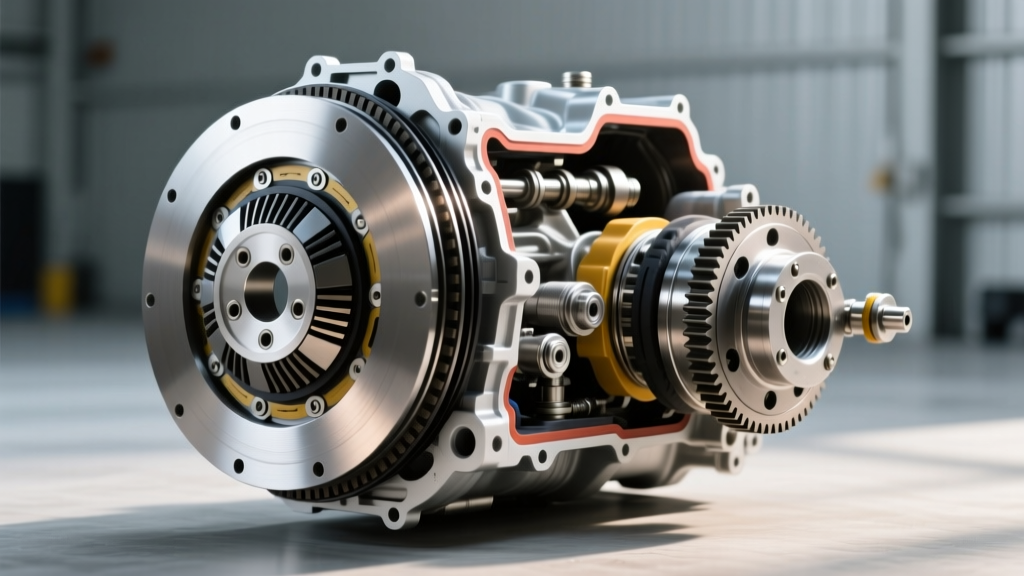
The Architecture: Why the 62TE is Neither Single Nor Dual
A frequent query landing on our diagnostic desk from DIYers and junior techs alike is: is the 62te transmission single clutch or dual clutch? To answer directly: it is neither. The Chrysler 62TE, widely used in 3.6L Pentastar V6 applications like the Dodge Grand Caravan, Chrysler Town & Country, and early Pacifica crossovers, is a traditional 6-speed planetary automatic transaxle. It does not utilize a manual single-clutch friction disc, nor does it employ the twin-shaft architecture of a Dual Clutch Transmission (DCT) like the Ford PowerShift or VW DSG.
Instead, the 62TE relies on a hydrodynamic torque converter equipped with an internal Torque Converter Clutch (TCC) for lockup, alongside a series of internal multi-plate wet clutch packs (Underdrive, Overdrive, 2/4, and Low/Reverse). However, because the term 'clutch' is heavily overloaded in automotive terminology, drivers experiencing drivetrain noise often misattribute automatic transaxle whines, shudders, and clunks to 'clutch failure.' In this 2026 expert guide, we will bridge the gap between manual clutch noise diagnosis and automatic TCC/internal clutch acoustics, providing actionable NVH (Noise, Vibration, and Harshness) isolation strategies for both architectures.
Manual Drivetrains: Decoding Chirps, Squeals, and Grinds
When diagnosing manual single-clutch systems, acoustic feedback is your most reliable data stream. The clutch assembly contains rotating mass operating at engine RPM, and bearing degradation produces distinct frequency signatures. According to engineering data from Schaeffler (LUK), over 65% of premature clutch kit failures are traced back to misdiagnosed release system noises that were ignored until catastrophic mechanical binding occurred.
Release Bearing vs. Pilot Bearing Squeal
A high-pitched squeal or chirp that occurs only when the clutch pedal is depressed (or lightly ridden) is the hallmark of a failing release bearing (throwout bearing). The bearing is forced against the spinning pressure plate diaphragm fingers, and if the internal needle bearings are starved of grease or the contact face is scored, it will scream.
The RPM Drop Test: To differentiate a release bearing from a pilot bearing, perform the RPM drop test. With the vehicle stationary, engine idling, and transmission in neutral, slowly depress the clutch pedal. If the noise appears or worsens as the pedal travels, it is the release bearing. If the noise is present when the pedal is fully depressed and the vehicle is in gear, but changes pitch exactly as the engine RPM drops to match the stalled input shaft speed, you have a failing pilot bearing. The pilot bearing supports the transmission input shaft; when it seizes, it creates a metallic chirp due to the speed differential between the crankshaft and the input shaft.
Gear Grinding and Clutch Drag
Grinding during gear engagement is rarely a 'clutch' noise in the friction sense; it is a synchronizer clash caused by clutch drag. If the friction disc does not fully disengage from the flywheel, the input shaft continues to spin, forcing the synchronizer rings to work overtime. Common culprits include:
- Hydraulic Failure: A leaking slave cylinder or air in the hydraulic line preventing full stroke. Bleed the system to achieve a firm pedal with 1.5 to 2 inches of free play at the top.
- Warped Pressure Plate or Flywheel: Hot spots from aggressive slipping can warp the flywheel face, causing the disc to hang up even when the diaphragm springs are fully retracted.
- Splined Hub Binding: Lack of high-temperature molybdenum grease on the input shaft splines can cause the disc to stick. Expert Tip: Never over-grease the splines; excess grease will migrate onto the friction material via centrifugal force, causing severe chatter.
Automatic Transaxles: 62TE TCC Shudder and Whine
Returning to the 62TE architecture, 'clutch noise' in this transaxle almost always refers to Torque Converter Clutch (TCC) shudder or internal wet-clutch pack apply noises. The 62TE uses a sophisticated solenoid pack to route line pressure to the TCC apply piston. When the friction material on the TCC lockup clutch degrades, or the ATF+4 fluid loses its specific friction modifiers, the lockup phase transitions from a smooth slip to a rapid grab-and-release cycle.
Diagnosing TCC Shudder vs. Engine Misfire
TCC shudder typically manifests between 35 and 50 mph under light throttle (40-60 Nm of engine torque). It feels like driving over rumble strips and produces a low-frequency 30-50 Hz hum. In 2026, with the aging fleet of 3.6L Pentastar engines, this is frequently misdiagnosed as an ignition coil misfire. To isolate the TCC clutch:
- Connect a bi-directional scan tool and monitor the TCC Slip Speed PID.
- When the shudder occurs, tap the brake pedal lightly. This signals the TCM to command TCC release.
- If the shudder instantly vanishes the moment TCC slip speed increases, the issue is strictly inside the torque converter or the TCC control valve in the valve body.
For the 62TE, a common fix short of a full converter replacement is installing a Sonnax TCC regulator valve upgrade kit to stabilize apply pressure, combined with a fluid exchange using a high-quality synthetic ATF+4 and a friction modifier additive.
2026 NVH Diagnostic Matrix: Noise vs. Component
Use this decision matrix to rapidly triage drivetrain complaints based on acoustic signatures and operating conditions. Labor rates in 2026 average $165-$220 per hour, making accurate first-time diagnosis critical for shop profitability and customer trust.
| Noise Signature | Operating Condition | Manual Clutch Culprit | 62TE Auto Culprit | Est. Repair Cost (2026) |
|---|---|---|---|---|
| High-Pitch Squeal | Clutch pedal depressed / RPM mismatch | Release or Pilot Bearing | N/A (Check accessory belts) | $1,400 - $2,100 (Trans R&R) |
| Low-Frequency Hum/Shudder | 40-50 MPH, light throttle (Lockup) | N/A | TCC Friction Material / Valve Body | $600 (Valve Body) - $1,800 (Converter) |
| Clunk on Engagement | Shifting into Reverse or Drive | Broken DMF Spring / Motor Mount | Worn Underdrive Clutch Accumulator | $800 - $1,500 |
| Whine / Growl | Speed-sensitive, changes in turns | Input Shaft Bearing | Differential Bearing / Pump Cavitation | $1,200 - $3,500 (Rebuild) |
| Chatter / Vibration | Friction zone (Takeoff from stop) | Contaminated Disc / Warped Flywheel | TCC Apply Solenoid Failure | $1,500 - $2,400 |
Expert Tooling and Isolation Best Practices
Relying solely on the human ear is no longer acceptable for complex NVH diagnostics. The Automatic Transmission Rebuilders Association (ATRA) consistently emphasizes the use of oscilloscope-based NVH kits (such as the PicoScope NVH software paired with an accelerometer). By attaching the accelerometer to the transmission bell housing or subframe, you can map the exact frequency of the noise against engine RPM and vehicle speed.
Pro-Tip for Dual-Mass Flywheels (DMF): If diagnosing a manual vehicle equipped with a DMF, check the freeplay arc. Most OEMs specify a maximum rotational freeplay of 1.5 to 2.0 degrees (or roughly 3-4 teeth on the ring gear). If the internal springs are sagging and the secondary mass can be rotated freely by hand, the DMF is internally collapsed and will cause severe takeoff chatter, even with a brand-new friction disc.
Furthermore, always utilize wireless chassis ears. Clamping the induction microphones directly to the transmission cooler lines, the bell housing dust cover, and the engine block allows you to isolate whether a grinding noise is originating from the clutch release fork pivot ball (which should be torqued to 25-30 lb-ft and lubricated with high-temp ceramic paste) or deep within the transmission's internal bearings. By understanding the fundamental architectural differences between manual friction clutches, DCTs, and automatic wet-clutch systems like the 62TE, you can eliminate guesswork, avoid unnecessary teardowns, and deliver definitive repairs.