The 2026 Drivetrain Overhaul: Heavy-Duty Swaps vs. AWD Crossover Maintenance
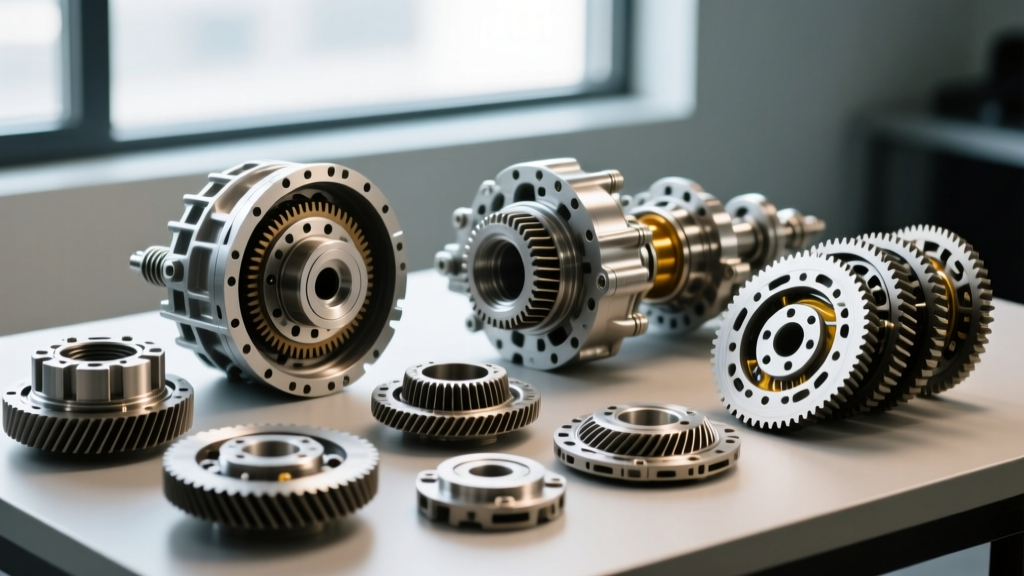
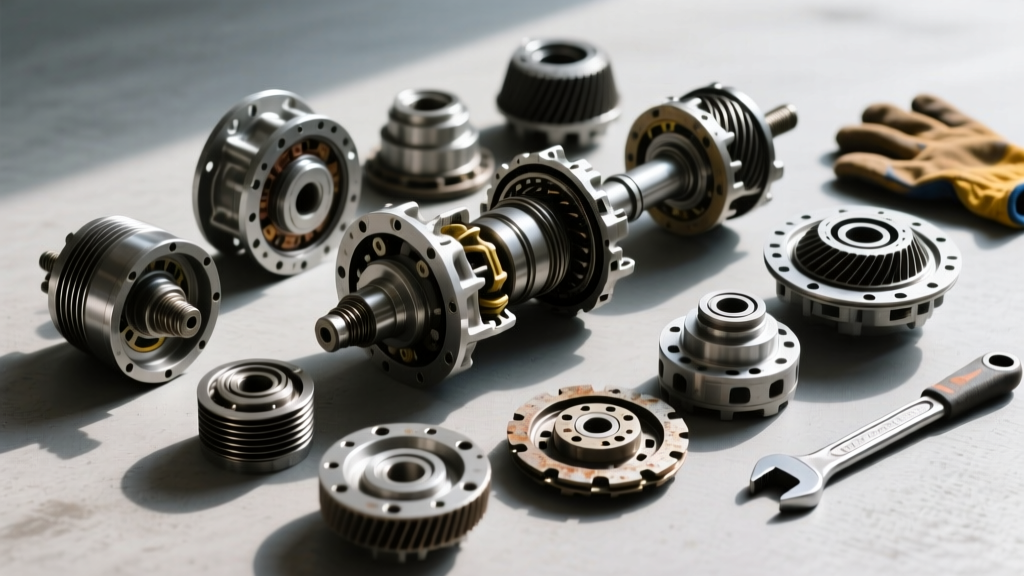
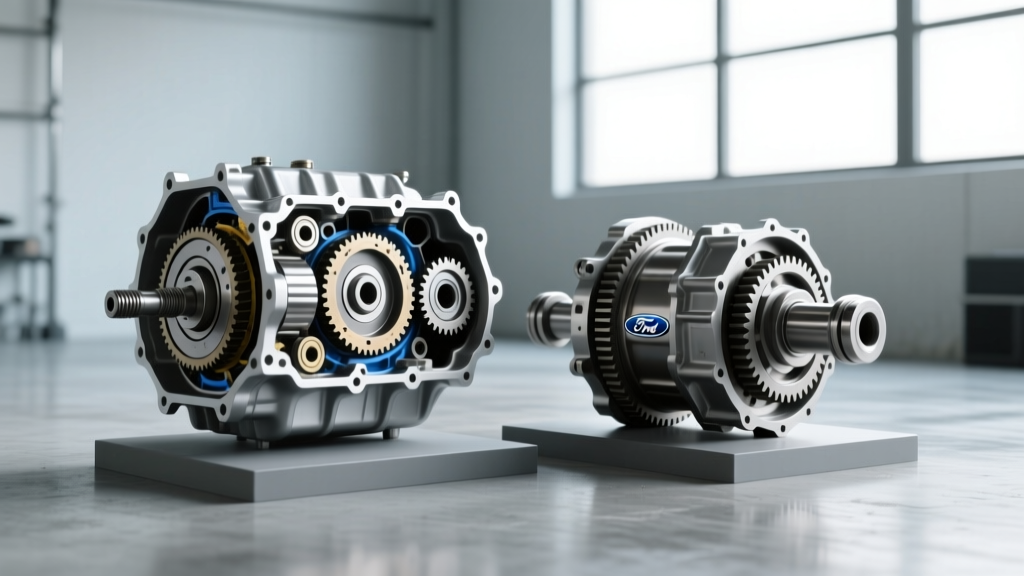
When evaluating drivetrain rehabilitation in 2026, automotive technicians and performance enthusiasts frequently find themselves navigating two vastly different ends of the rebuild spectrum. On one side, you have the legendary GM 4L80E transmission—a robust, four-speed longitudinal workhorse that serves as the backbone for high-horsepower LS and LT engine swaps. On the other side, you have modern unibody AWD crossovers, where sourcing a specific 2014 Ford Edge rear differential rebuild kit represents a critical, albeit entirely different, maintenance challenge. This comprehensive guide bridges the gap between heavy-duty performance transmission rebuilding and modern AWD differential servicing, providing exact part numbers, torque specifications, and real-world cost matrices.
The 4L80E Performance Rebuild Blueprint
The 4L80E is renowned for its massive gearset and inherent strength, but pushing it past the 600 lb-ft torque threshold requires a strategic approach to internal clearances and hydraulic line pressure. A standard OEM overhaul is insufficient for performance applications; you must address the known weak points of the intermediate sprag and the forward clutch pack.
Core Upgrades for High-Horsepower Applications
The most catastrophic failure point in a modified 4L80E is the intermediate sprag assembly. Under high torque, the OEM 16-element sprag can shatter, sending shrapnel through the case and destroying the transmission. To prevent this, upgrading to a heavy-duty 34-element sprag is mandatory.
- Intermediate Sprag: Sonnax Heavy-Duty 34-Element Sprag (Part No. 34200-01K). This upgrade increases the load-bearing surface area and requires the use of the corresponding Sonnax heavy-duty sprag race.
- Forward Clutch Pack: Replace OEM frictions with High Energy or Kevlar-lined friction plates. Target a clutch pack clearance of 0.040" to 0.060" to ensure rapid engagement without excessive drag.
- Input Shaft: For applications exceeding 800 horsepower, upgrade to a billet 300M input shaft to prevent torsional twisting and spline shearing.
Valve Body Modifications and Hydraulics
Hydraulic pressure is the lifeblood of the 4L80E. The factory Electronic Pressure Control (EPC) solenoid and boost valve setup can struggle to maintain adequate line pressure under high-load conditions, leading to clutch slip and burned frictions.
Expert Tip: Installing a TransGo SK-4L80E-HD2 shift kit recalibrates the valve body for firmer shifts and higher baseline line pressure. Pair this with a custom EPC tune via HP Tuners to command maximum line pressure (up to 280 PSI) during wide-open throttle (WOT) shifts.
When reassembling the pump, ensure the pump cover bolts are torqued to exactly 13 lb-ft in a crisscross pattern to prevent stator support misalignment, which will instantly destroy the front bushing upon startup.
Drivetrain Cost Matrix: GM 4L80E vs. Ford AWD Rear Diff
Understanding the financial commitment required for different drivetrain overhauls is crucial for shop forecasting and DIY budgeting. Below is a comparative cost breakdown contrasting a performance-built 4L80E against the parts and labor associated with a 2014 Ford Edge rear differential rebuild kit.
| Component / Service | 4L80E Performance Rebuild | 2014 Ford Edge Rear Diff Rebuild |
|---|---|---|
| Master Rebuild Kit (Frictions, Steels, Seals) | $350 - $450 (Precision Intl.) | $160 - $220 (Timken / NTN Kit) |
| Hard Parts / Upgrades | $650+ (Sonnax Sprag, Billet Shaft) | $40 - $80 (Crush Sleeve, Pinion Seal) |
| Valve Body / Shift Kit | $110 - $140 (TransGo HD2) | N/A |
| Fluid Capacity & Cost | 13 Quarts Dexron VI (~$90) | 1.1 Quarts 80W-90 Gear Oil (~$15) |
| Average Professional Labor | $1,200 - $1,800 | $450 - $700 (Subframe Drop Req.) |
| Total Estimated Cost (2026) | $2,400 - $3,230 | $665 - $1,015 |
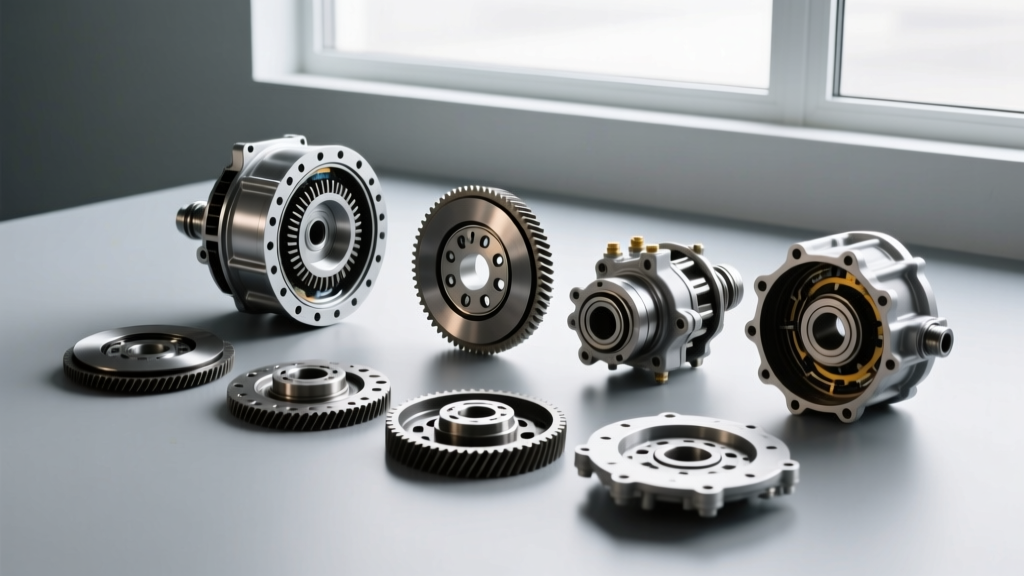
Inside the 2014 Ford Edge Rear Differential Rebuild Kit
While the 4L80E handles longitudinal V8 torque, the 2014 Ford Edge AWD utilizes a transverse-mounted V6 paired with a Power Transfer Unit (PTU) at the front and an independent rear drive axle. When the rear differential begins to whine or leak, a complete teardown using a dedicated 2014 Ford Edge rear differential rebuild kit is required. Sourcing these kits from reputable suppliers like RockAuto's differential catalog ensures you receive OEM-spec Timken or NTN bearings.
AWD Crossover Rebuild Realities and Preload Specs
Rebuilding the Ford Edge rear differential is not as complex as a 4L80E, but it requires extreme precision regarding bearing preload. The rear axle uses a standard hypoid gearset with a crush sleeve design.
- Pinion Bearing Preload: When installing the new pinion bearings from your rebuild kit, the pinion nut must be torqued incrementally. You must measure the rotational torque using an inch-pound beam-style torque wrench. Target 14-19 in-lbs of rotational drag for new bearings (or 8-14 in-lbs if reusing the original pinion bearings).
- Crush Sleeve Warning: Never use an impact wrench to crush the new sleeve. Once you overshoot the preload specification, the sleeve is ruined and must be replaced. Use a long breaker bar and steady pressure.
- Carrier Bearing Preload: Adjusted via threaded side adjusters or selective shims depending on the exact axle ratio. Gear backlash must be set to 0.005" - 0.008" using a dial indicator mounted to the housing.
The PTU Factor: Don't Ignore the Front
When servicing the rear differential on a 2014 Edge, it is highly recommended to inspect the front PTU. The PTU is notorious for overheating and fluid degradation due to its proximity to the catalytic converters. While the rear differential rebuild kit addresses the axle, a complete AWD drivetrain overhaul must include flushing the PTU with fresh Motorcraft 75W-140 synthetic gear oil.
Sourcing Performance Parts in 2026
Whether you are ordering a 4L80E transmission rebuild kit from Summit Racing or sourcing Ford differential bearings, supply chain dynamics in 2026 favor buyers who plan ahead. For the 4L80E, specialized hard parts like the Sonnax heavy-duty sprag assemblies frequently experience backorders due to the sustained popularity of LS-swapped drift cars and drag racers. It is advisable to order your 34-element sprag and billet input shafts at least 60 days before your scheduled build date.
Conversely, wear items for the 2014 Ford Edge rear differential—such as pinion seals, carrier bearings, and crush sleeves—are abundantly stocked by domestic auto parts distributors. However, the specialized shims required to set the carrier bearing preload on the Ford axle often require a dealer order or a specialized drivetrain supplier.
Final Assembly and Break-In Procedures
For the 4L80E, the break-in procedure is critical. After installation, the transmission must be filled with 13 quarts of full-synthetic Dexron VI. The vehicle must be lifted, and the transmission cycled through all forward and reverse gears to bleed air from the clutch packs and torque converter before checking the fluid level with the engine running and the fluid at operating temperature (180°F - 200°F). For the first 500 miles, avoid wide-open throttle to allow the High Energy frictions and new bushings to seat properly.
For the Ford Edge rear differential, the gear oil must be changed after the first 1,000 miles. The initial break-in of the hypoid gears generates microscopic metallic particulate that will contaminate the fluid and accelerate wear on the new carrier bearings. Drain, inspect the magnetic drain plug, and refill with the specified limited-slip additive if your axle is equipped with a factory clutch-type LSD.
By understanding the distinct mechanical requirements, torque specifications, and financial investments of both heavy-duty longitudinal transmissions and modern transverse AWD differentials, technicians and enthusiasts can execute flawless drivetrain overhauls that stand the test of time and torque.