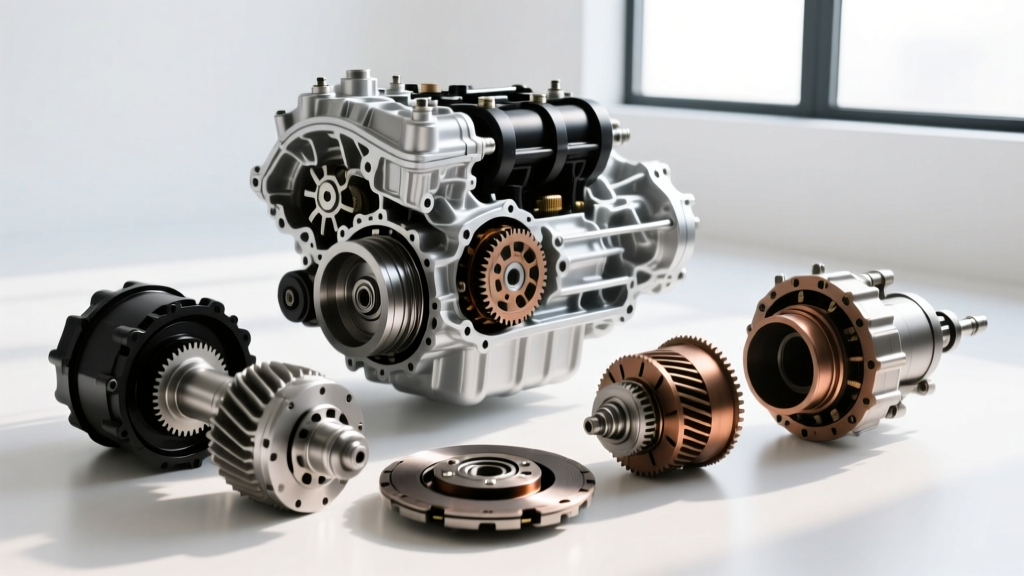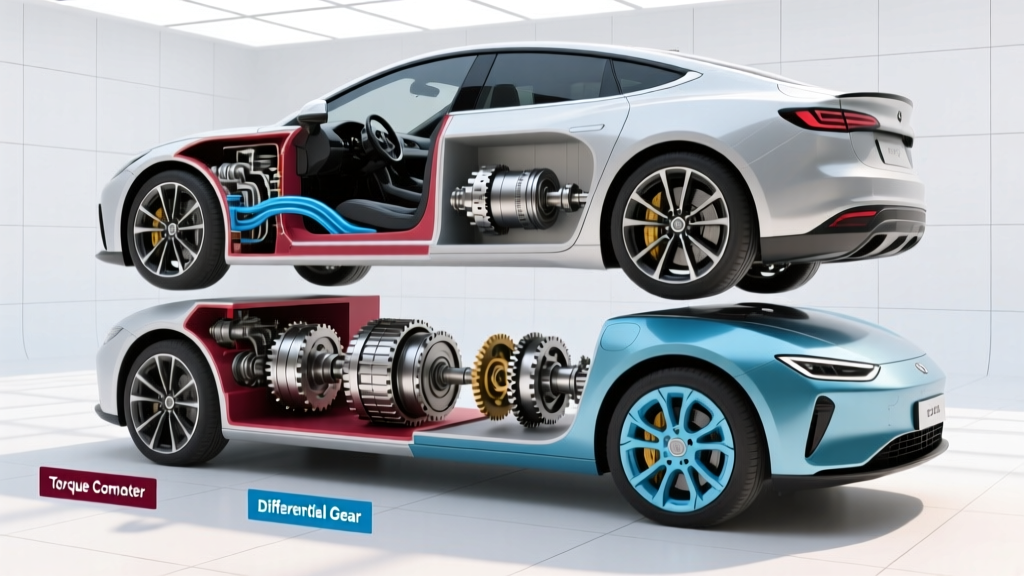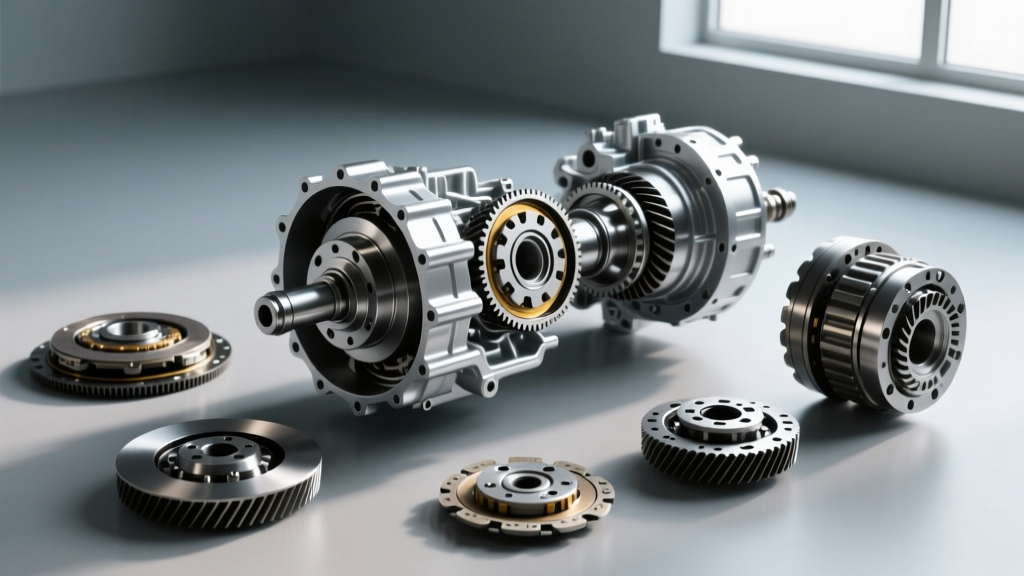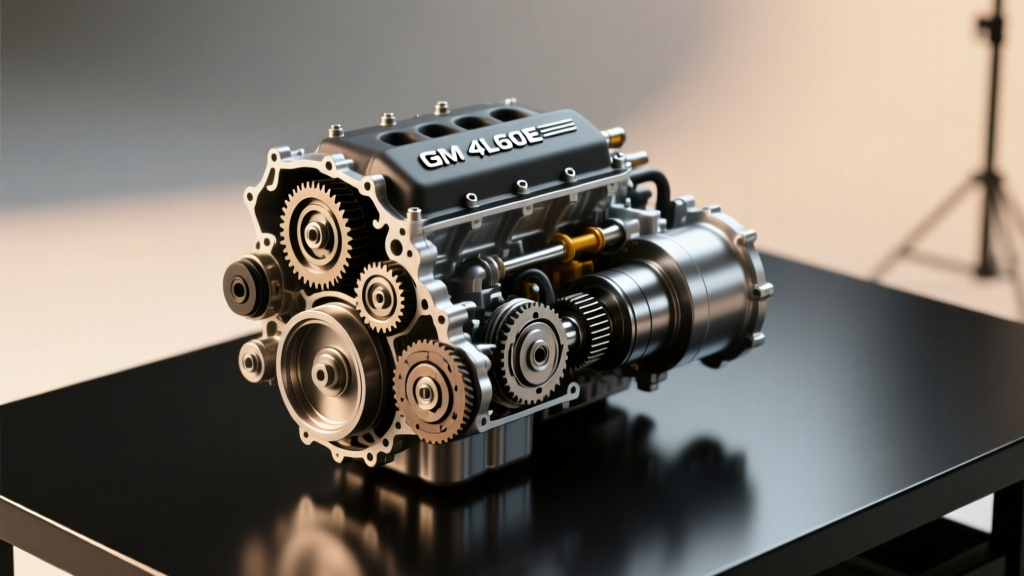
The Genesis of Electronic Shifting: Tracing the 4L60E Lineage
If you have ever searched 'what is auto transmission cars' to understand modern drivetrain basics, you have inevitably crossed paths with the most prolific automatic transmission in automotive history: the GM Turbo-Hydramatic 4L60E. While modern 10-speed automatics and complex CVTs dominate 2026 headlines, the 4L60E remains the bedrock of automotive transmission education and the most frequently rebuilt unit in independent shops worldwide.
To truly master transmission repair, one must understand the historical engineering decisions that created the components sitting on your workbench today. The 4L60E is not merely a collection of gears and clutches; it is a historical artifact that bridges the gap between purely mechanical hydraulic logic and modern computer-controlled mechatronics. This model-specific guide explores the invention timeline of the 4L60E and translates its historical design quirks into actionable, modern-day repair data.
From Mechanical Cables to PWM Solenoids: An Invention Timeline
The lineage of the 4L60E is a masterclass in iterative engineering. Understanding this history is critical for diagnosing the 'ghosts' of older designs that still cause failures in later models.
- 1982 (The THM700R4): GM introduced the Turbo-Hydramatic 700R4 to meet CAFE fuel economy standards, adding an overdrive fourth gear to the traditional 3-speed architecture. It relied on a mechanical Throttle Valve (TV) cable to dictate line pressure and shift points based on engine load.
- 1990 (The 4L60): Following a new industry naming convention (4 gears, Longitudinal, 6000 lb gross torque rating), the 700R4 was renamed. Internally, it remained largely a mechanical, cable-driven unit.
- 1993 (The 4L60E Invention): This was the watershed moment. GM eliminated the TV cable entirely, replacing mechanical hydraulic modulation with electronic solenoids controlled by the Powertrain Control Module (PCM). The introduction of the Pulse Width Modulated (PWM) torque converter clutch (TCC) solenoid allowed for smooth, computer-managed lockup apply, fundamentally changing what an auto transmission in cars feels like to the driver.
"The transition from the 700R4 to the 4L60E marked the first time mainstream American consumers experienced seamless, micro-processor-managed shift feel, paving the way for the ZF 8HP and GM 10L90 architectures we service today." — Transmission Digest Historical Archives
How Historical Design Flaws Dictate Modern Repairs
Despite its brilliance, the 4L60E inherited several mechanical bottlenecks from its 1982 ancestors. When performing a model-specific teardown in 2026, a technician must address these historical weak points using modern aftermarket upgrades.
The 3-4 Clutch Pack Burn-Up
The most infamous failure point of the 4L60E is the 3-4 clutch pack. Historically, the 700R4 was designed in the late 1970s when vehicles were lighter and engines produced less low-end torque. The physical apply area of the 3-4 clutch piston was simply too small to handle the torque multiplication of later V8 engines (like the LS1 and LQ4). When the PCM commands a 3-4 shift under heavy load, the limited clamping force causes micro-slippage, generating immense heat and glazing the frictions.
The 2026 Repair Solution: Do not rebuild a 4L60E with standard OEM-paper frictions. You must machine the backing plate or use a thinner snap-ring to fit an extra high-energy friction plate into the drum. Utilizing Raybestos GPZ or BorgWarner High-Energy Kevlar-lined frictions increases thermal capacity by up to 35%, effectively neutralizing this 40-year-old design flaw.
Reaction Shell and Shaft Spline Wear
Another historical carryover is the reaction sun gear shell. The splines that mate the shell to the reaction shaft were originally cut using manufacturing tolerances suited for 1980s metallurgy. Under the cyclic stress of modern towing and performance tuning, these splines wear, strip, or round off, resulting in a sudden loss of Reverse and 4th gear (since both rely on the reaction carrier holding stationary).
The 2026 Repair Solution: Inspect the spline mating surfaces with a magnifying loupe. If any shine or rounding is visible, replace the assembly with a hardened aftermarket billet reaction shaft and a reinforced sun shell (often featuring a brazed or welded gear ring rather than the OEM pressed-fit design).
Model-Specific Blueprint Data & Torque Specifications
Precision is paramount when reassembling a 4L60E. Because the valve body utilizes delicate electronic solenoids and intricate separator plates, over-torquing fasteners will warp the aluminum castings and cause cross-leak hydraulic circuits. Below is the definitive 2026 specification chart for the 4L60E.
| Component / Fastener | Imperial Torque Spec | Metric Torque Spec | Crucial Notes |
|---|---|---|---|
| Valve Body to Case Bolts | 97 lb-in | 11 Nm | WARNING: Inch-pounds, NOT foot-pounds. Warping causes 1-2 shift flares. |
| Oil Pump to Case Bolts | 13 lb-ft | 18 Nm | Use threadlocker; ensure pump gears are aligned with torque converter hub. |
| Bellhousing to Engine Block | 37 lb-ft | 50 Nm | Dowels must be aligned within 0.005" to prevent pump bushing destruction. |
| Transmission Pan Bolts | 108 lb-in | 12 Nm | Snug in a star pattern to prevent pan rail distortion and leaks. |
| Extension Housing to Case | 32 lb-ft | 43 Nm | Apply RTV to the lower bolt threads to prevent fluid seepage. |
Fluid Capacities and 2026 Lubricant Standards
The original Dexron-III fluid specified in the 1990s is obsolete and chemically unstable for modern use. For all 4L60E repairs today, ACDelco Dexron-VI is the mandatory standard. It offers superior shear stability and oxidation resistance.
- Total Dry Fill (After Complete Rebuild): 11.2 Quarts (10.6 Liters)
- Standard Pan Drop & Filter Change: 4.5 to 5.0 Quarts (4.2 to 4.7 Liters)
- Deep Pan / Aftermarket Cooler Flush: Add 1.5 Quarts to standard pan drop volume.
Sourcing Parts: Master Kits vs. Historical Upgrades
A successful 4L60E rebuild requires moving beyond basic gasket-and-seal kits. You must integrate components that correct the historical engineering compromises mentioned earlier. Below is a curated parts list with current 2026 market pricing and specific part numbers.
1. The Foundation: Master Rebuild Kit
Part Number: Raybestos R-4L60E-GPZ (GPZ Master Kit with High-Energy Frictions)
Estimated Cost: $380 - $450
Why it matters: This kit replaces the vulnerable OEM paper frictions with GPZ material, which features a specialized resin designed to withstand the high-slip energy of the 3-4 clutch apply without glazing.
2. Valve Body & Solenoid Correction
Part Number: Sonnax Zip Kit 4L60E-ZIP
Estimated Cost: $145 - $185
Why it matters: The historical PWM solenoid design causes continuous oscillation, which wears out the aluminum valve body bores over time, leading to delayed engagements and burned bands. The Sonnax Zip Kit includes oversized, hard-coated aluminum valves and reaming tools to restore exact hydraulic clearances, effectively bulletproofing the valve body.
3. Apply Pressure Upgrade
Part Number: GM Genuine Parts 24232720 (Corvette Servo Assembly)
Estimated Cost: $35 - $55
Why it matters: The 4L60E's 1-2 and 3-4 shift firmness is heavily dependent on the apply area of the band servo. Swapping the standard truck/van servo for the 'Corvette' servo increases the 1-2 band apply area by roughly 15%, yielding a crisper shift and extending the life of the 2-4 band.
Conclusion: Respecting the Engineering Lineage
The GM 4L60E is far more than a legacy drivetrain component; it is the bridge between the mechanical past and the electronic future of automotive engineering. By understanding the history of its invention—from the mechanical TV cables of the 700R4 to the pioneering PWM solenoids of 1993—technicians can diagnose failures not just as random breakages, but as predictable outcomes of historical design constraints.
When you approach a 4L60E rebuild in 2026, you are not merely replacing worn clutches. You are applying four decades of aftermarket metallurgical and hydraulic corrections to an iconic platform. Armed with the correct inch-pound torque specifications, upgraded GPZ friction materials, and oversized valve body circuits, you can transform this historical invention into a transmission capable of outlasting the vehicle it was bolted to.
For further technical documentation on valve body reaming procedures and historical SAE engineering papers regarding the Turbo-Hydramatic lineage, consult the Sonnax Technical Resources Library and the Transmission Digest archives.