The True Cost of 4L60 Transmission Cooler Lines Fittings and Adapters
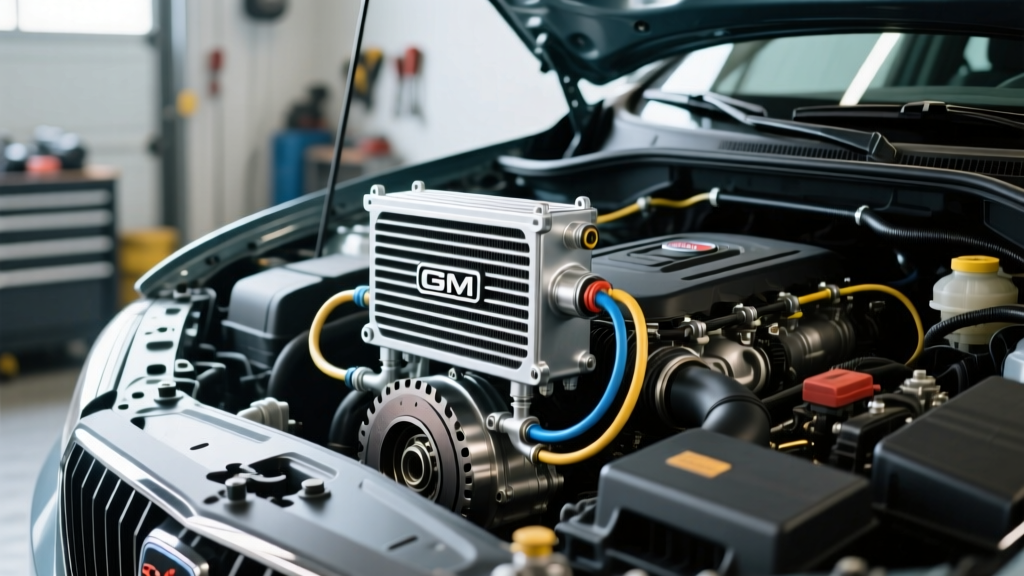
When managing the thermal load of a GM 4L60E or its predecessor, the 700R4, the focus is often on the cooler itself. However, the weakest links in the cooling circuit are invariably the connection points. Upgrading or repairing 4L60 transmission cooler lines requires a deep understanding of the fittings, adapters, and retainers that keep high-pressure, high-temperature fluid inside the system. In 2026, with the cost of a remanufactured 4L60E pushing past $2,800, a $12 fitting failure is a catastrophic liability.
This cost analysis breaks down the exact pricing, material science, and hidden labor expenses associated with 4L60E cooler line fittings, helping you decide between cheap OEM replacements, brass barbs, and premium billet aluminum AN conversions.
2026 Price Matrix: OEM vs. Aftermarket Fittings
The market for transmission cooling adapters is split between budget hardware store brass, OEM-style quick-connects, and high-end performance AN (Army-Navy) fittings. Below is a realistic pricing breakdown based on current aftermarket and OEM supplier data.
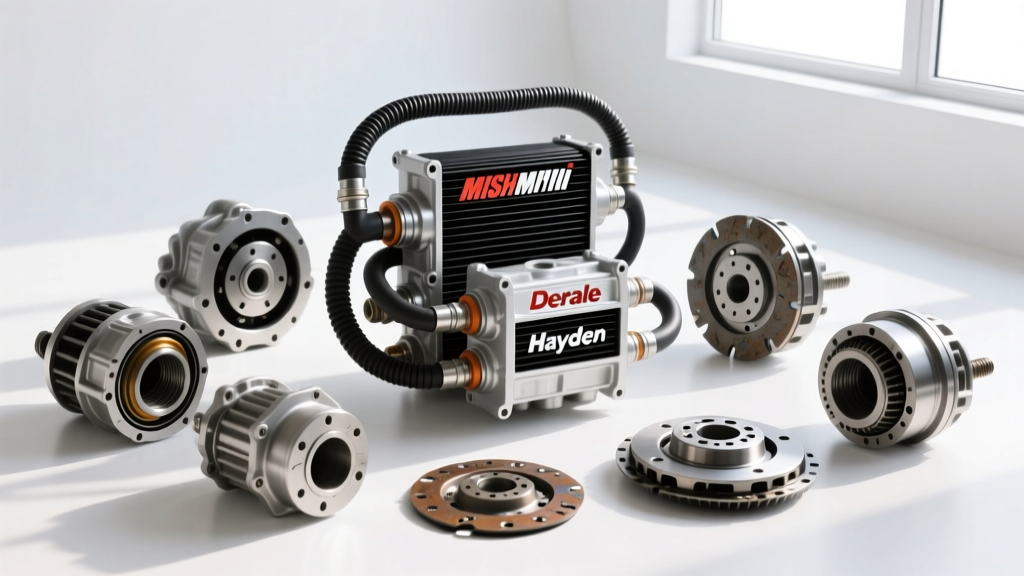
| Component Type | Material | Example Part Number | Avg. Price (2026) | Use Case & Longevity |
|---|---|---|---|---|
| OEM Quick-Connect Retainer Clip | Spring Steel | Dorman 800-605 | $3.50 - $5.00 | Direct replacement; prone to fatigue over 80k miles. |
| 3/8" Barb to 1/2"-20 UNF | Extruded Brass | Generic Hardware | $6.00 - $9.50 | Budget repairs; high risk of galvanic corrosion in aluminum housings. |
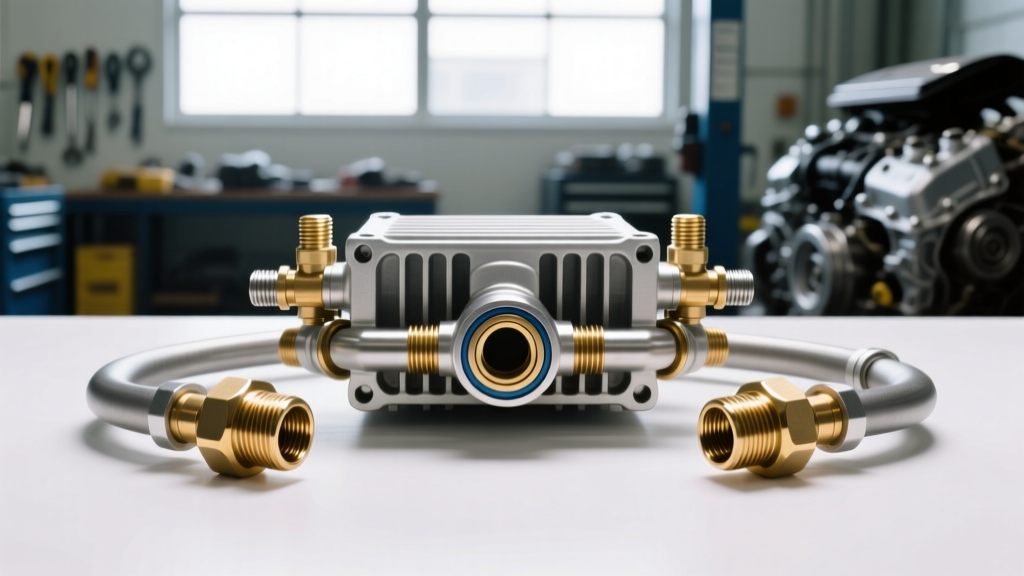
| 1/2"-20 UNF to -6 AN Male | Billet Aluminum (Black) | Russell 640310 | $19.99 - $24.50 | Performance builds; eliminates quick-connect failure points entirely. |
| Radiator End-Tank Adapter | Steel / Zinc Plated | Derale 13035 | $14.00 - $18.00 | Adapting older threaded lines to newer radiator tanks. |
| -6 AN Stainless Braided Hose End | Stainless / Aluminum | Earl's VR680606ERL | $16.50 - $22.00 | Required for custom AN line fabrication; reusable if undamaged. |
| Quick-Connect Disconnect Tool Set | Composite / Steel | Lisle 39960 | $12.00 - $18.00 | Mandatory shop tool; prevents $50+ broken line extraction costs. |
The Quick-Connect Dilemma: Repair vs. Conversion Costs
Late-model 4L60E transmissions (typically 2000 and newer) transitioned from threaded 1/2"-20 UNF fittings to plastic and metal quick-connect fittings. While faster for assembly line production, these quick-connects are notorious for leaking when subjected to the thermal cycling and harmonic vibrations of a V8 engine.
The Budget Repair Route
If a quick-connect fitting is leaking, the immediate fix is replacing the O-rings and the retaining clip. A kit from Dorman Products costs roughly $12. However, if the plastic housing on the transmission side has become brittle and cracked—a common failure mode on 150,000+ mile GM trucks—a simple clip won't suffice. You will need to replace the entire rear output shaft adapter or the cooler line itself, pushing parts costs to $45–$85 and requiring a fluid top-off.
The Permanent AN Conversion Route
For tow rigs, off-road vehicles, or high-stall street builds, converting the 4L60 transmission cooler lines to -6 AN stainless braided lines is the gold standard.
Total Conversion Cost Breakdown:
- Transmission Side Adapters: Two 1/2"-20 to -6 AN adapters (e.g., Russell 640310) = $45.00
- Radiator/Cooler Side Adapters: Two 1/2"-20 or 3/8" NPT to -6 AN adapters = $40.00
- Hose and Ends: 10 feet of -6 PTFE-lined stainless hose ($6/ft) + four hose ends ($18/ea) = $132.00
- Total Parts Investment: ~$217.00
While $217 is significantly more than a $35 OEM steel line replacement from RockAuto, the AN conversion completely eliminates the risk of a blown quick-connect clip dumping 11 quarts of Dexron VI fluid onto a hot exhaust manifold.
Material Science: The Hidden Cost of Galvanic Corrosion
One of the most expensive mistakes DIYers make when adapting 4L60 transmission cooler lines is ignoring metallurgy. The radiator end-tanks and the transmission cooler circuit housings on GM vehicles are predominantly cast or extruded aluminum.
Expert Warning: Never install bare brass fittings directly into an aluminum transmission housing or radiator end-tank without a sacrificial anode or dielectric grease. The dissimilar metals, combined with the electrolytic properties of hot transmission fluid and road salt, will cause severe galvanic corrosion. Within 18 to 24 months, the brass will effectively weld itself to the aluminum.
When this happens, removing the fitting usually results in stripping the aluminum threads. A stripped thread on the 4L60E transmission case cooler port requires drilling, tapping for a larger fitting, or installing a Heli-Coil insert. If the threads are on the radiator end-tank, you are forced to replace the entire radiator (a $180–$350 expense). Always opt for zinc-plated steel, anodized aluminum, or use a high-quality anti-seize compound rated for high-temperature fluid immersion.
Labor Overhead and Extraction Nightmares
When budgeting for cooler line fitting replacements, you must account for labor. The factory book time for replacing both cooler lines on a rear-wheel-drive GM truck with a 4L60E is typically 1.8 to 2.2 hours. At an average 2026 independent shop rate of $145/hour, labor alone will range from $261 to $319.
The Rusted Fitting Surcharge
If you live in the Rust Belt, the steel lines and fittings will inevitably corrode into the transmission case. If a technician rounds off the 1/2"-20 fitting because they didn't use a proper 6-point flare nut wrench, the extraction process involves:
- Applying localized heat with an induction heater (to avoid melting internal transmission seals or rubber quick-connects).
- Using a bolt extractor set.
- Potentially dropping the transmission pan to access the internal cooler port retainer clip if the fitting breaks off flush.
Shops will routinely add 1.0 to 1.5 hours of "unforeseen extraction time" to the invoice, instantly adding $150+ to your bill. To prevent this, always soak fittings in a high-quality penetrating catalyst like Kroil or a 50/50 mix of acetone and ATF for 48 hours prior to disassembly.
Crucial Torque Specifications for 4L60E Fittings
Over-tightening is just as deadly as under-tightening. The 4L60E transmission case is cast aluminum, and the cooler ports are machined directly into the case or the rear extension housing. Stripping these threads is a catastrophic failure.
- 1/2"-20 UNF Steel Line Nut into Aluminum Case: 15 - 18 ft-lbs (20 - 24 Nm). Always use a torque wrench, not a breaker bar.
- 1/2"-20 UNF into Aluminum Radiator End-Tank: 12 - 15 ft-lbs max. These housings are remarkably thin.
- 3/8" NPT Pipe Plugs / Adapters: Use PTFE paste (not standard plumber's tape, which can shred and clog the transmission valve body). Torque to 18 - 22 ft-lbs.
- -6 AN Aluminum Fittings: 12 - 14 ft-lbs. Use assembly lube on the threads to prevent galling.
Final Verdict: Where to Save and Where to Spend
When addressing 4L60 transmission cooler lines, the fittings are not the place to pinch pennies. Saving $15 by buying unbranded, out-of-spec brass barbs from a local hardware store risks a blown line, a dry transmission, and a $3,000 rebuild bill. Invest in name-brand billet aluminum AN adapters, use proper flare-nut wrenches, and respect the torque specifications of the aluminum housings. The upfront cost of a premium fitting kit pays for itself the moment it survives its first 100,000-mile thermal cycle without a single drop of Dexron VI hitting the pavement.