The Z33 CD009 Hydraulic Architecture: A 2026 Perspective
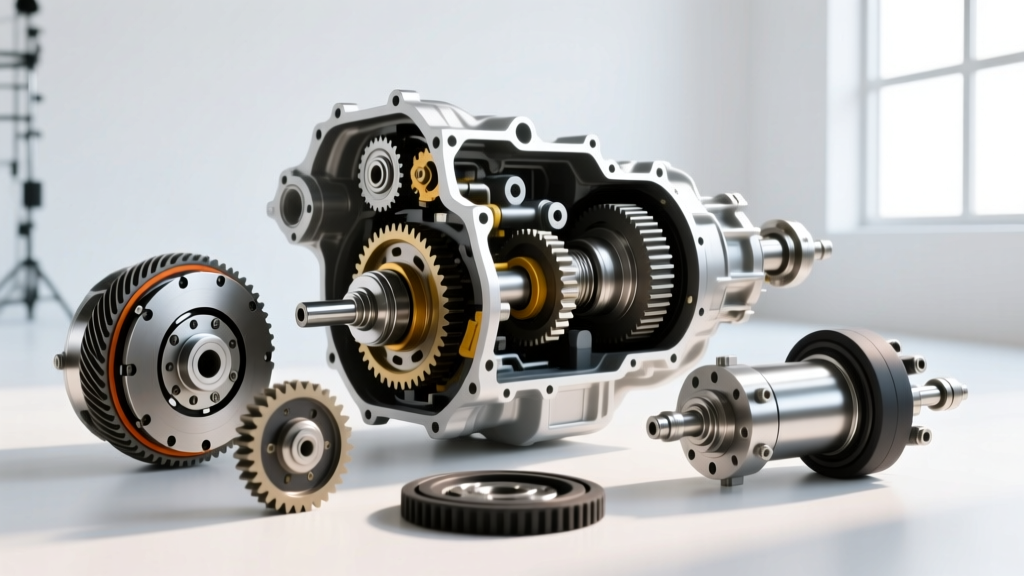
As of 2026, the Nissan 350Z (Z33) remains a cornerstone of the sports car enthusiast community, largely thanks to its robust FS6R31A (commonly known as the CD009) 6-speed manual transmission. However, as these vehicles age, hydraulic degradation often mimics catastrophic mechanical failure. When enthusiasts search for solutions regarding clutch fluid 350Z issues, they frequently overlook the intricate relationship between the hydraulic master cylinder, the flexible braided or rubber lines, and the external slave cylinder.
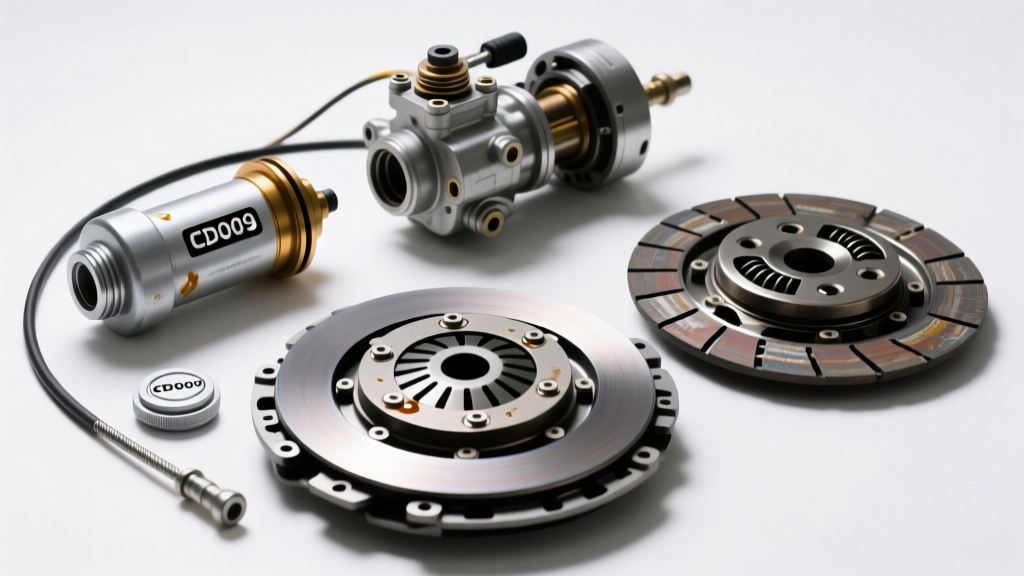
Unlike modern vehicles utilizing Concentric Slave Cylinders (CSC) inside the bellhousing, the 350Z employs an external slave cylinder mounted on the passenger side of the transmission. This design is highly serviceable but prone to specific failure modes. Diagnosing clutch issues by symptom—specifically pedal feel, engagement vibration, and operational noise—requires a methodical approach to separate hydraulic faults from mechanical wear inside the bellhousing.
Step 1: Diagnosing Pedal 'Feel' and Fluid Degradation
The first step in any clutch diagnosis is evaluating the hydraulic feedback at the pedal. The 350Z shares its brake fluid reservoir with the clutch system, but the clutch master cylinder draws from a separate, higher nipple inside the reservoir. This means you can run out of clutch fluid while still retaining partial brake function.
The Spongy Pedal Phenomenon
A spongy or inconsistent pedal feel is the most common hydraulic symptom. Brake fluid is hygroscopic, meaning it absorbs moisture from the atmosphere over time. This lowers the fluid's boiling point and introduces compressible air bubbles into the system under heavy thermal load.
- The Rubber Hose Swell Test: Have an assistant press the clutch pedal firmly while you observe the flexible rubber hose connecting the hard metal line to the slave cylinder. If the hose visibly bulges or swells under pressure, the internal lining has deteriorated. Upgrading to a stainless steel braided line (such as those from Techna-Fit or Z1 Motorsports) eliminates this parasitic expansion and restores a rigid pedal feel.
- Master Cylinder Bypass: If the pedal slowly sinks to the floor while held down at a stoplight, the internal seals of the master cylinder (OEM Part# 30610-CD001) are bypassing fluid internally. Replacement is mandatory.
Step 2: Evaluating Engagement Vibration and Chatter
Vibration or severe 'chatter' when releasing the clutch pedal in first or reverse gear is often misdiagnosed as a warped flywheel or contaminated friction disc. While mechanical issues like an unevenly worn OEM Dual Mass Flywheel (DMF) or a glazed aftermarket organic disc can cause chatter, the hydraulic system is equally culpable.
The Zip-Tie Stroke Test
If the hydraulic system cannot deliver full stroke to the slave cylinder pushrod, the clutch disc will drag against the flywheel during engagement, causing violent chassis shudder. To verify hydraulic stroke:
- Locate the slave cylinder pushrod where it meets the clutch release fork.
- Secure a zip-tie around the pushrod, resting the head of the zip-tie against the rubber boot.
- Have an assistant fully depress the clutch pedal.
- Measure the distance the zip-tie head moved. A healthy CD009 hydraulic system should yield 14mm to 16mm of pushrod travel.
If travel is less than 12mm, the clutch is not fully disengaging. This hydraulic drag causes the severe chatter felt through the chassis. Performing a complete clutch fluid 350Z flush and bleed usually resolves this if no mechanical leaks are present.
Step 3: Isolating Drivetrain and Throw-Out Bearing Noises
Noise diagnosis on the CD009 requires a trained ear, as the transmission is notorious for its inherent mechanical symphony. Isolating whether a noise is hydraulic, bearing-related, or gear-related is critical before dropping the transmission.
Throw-Out Bearing (TOB) Whine vs. Input Shaft Rattle
- Neutral Rattle (Input Shaft Lash): With the car in neutral and the clutch pedal released, you hear a metallic clattering. Depressing the clutch pedal slightly makes the noise disappear. This is normal CD009 input shaft rattle caused by gear lash and is not a hydraulic or bearing failure.
- TOB Whine or Squeal: If you hear a high-pitched whine that changes pitch with engine RPM, specifically when the clutch pedal is partially depressed (taking up the slack), your throw-out bearing is under load. If this noise occurs when the pedal is fully released, your hydraulic system is over-pressurized. An incorrectly adjusted aftermarket master cylinder pushrod, or a swollen hydraulic line failing to retract, keeps the TOB constantly riding the pressure plate fingers, leading to premature bearing failure.
Expert Insight: The 350Z clutch pedal should have 1mm to 3mm of free-play at the top of its travel before you feel the resistance of the master cylinder engaging the hydraulic fluid. If there is zero free-play, the hydraulic system is pre-loading the TOB.
Step-by-Step Clutch Fluid 350Z Flush and Bleed Procedure
When replacing degraded fluid or swapping a failing slave cylinder (OEM Part# 30620-CD001), a meticulous bleeding process is required. While Nissan originally specified DOT 3, modern enthusiasts and track builders universally utilize high-quality DOT 4 fluid (FMVSS 116 compliant) for its superior dry and wet boiling points. You can reference Motul RBF 600 DOT 4 Specifications for high-performance fluid data.
Required Tools and Specifications
- 10mm box-end wrench (for the slave cylinder mounting bolts)
- 8mm or 10mm flare-nut wrench (for the bleeder screw, depending on OEM/aftermarket valve)
- Vacuum bleeder or pressure bleeder (highly recommended over the manual 'pump-and-hold' method to prevent master cylinder seal damage)
- DOT 4 Brake/Clutch Fluid
The Bleeding Sequence
- Prep the Reservoir: Extract old fluid from the shared brake/clutch reservoir using a turkey baster. Refill with fresh DOT 4 fluid. Ensure the fluid level is above the internal clutch nipple.
- Attach the Bleeder: Remove the rubber cap from the slave cylinder bleeder screw. Attach your vacuum bleeder hose. Apply 15-20 inHg of vacuum.
- Open the Valve: Crack the bleeder screw counter-clockwise (Torque spec for re-tightening: 7-9 Nm). Watch the fluid line for bubbles. Because the 350Z hard line routes up and over the transmission bellhousing, air easily traps in the high point. A vacuum bleeder pulls this trapped air out far more effectively than manual pumping.
- Verify Flow: Once the fluid runs completely clear and bubble-free for 30 seconds, close the bleeder screw. Do not overtighten, as the soft brass threads strip easily.
- Test the Pedal: Press the clutch pedal. It should feel rigid, with the engagement point occurring roughly 1.5 inches from the firewall. If it feels spongy, repeat the vacuum bleed process.
For sourcing OEM hydraulic components, the RockAuto Nissan Drivetrain Catalog remains an invaluable resource for cross-referencing FTE and Nissan genuine part numbers.
350Z Clutch Symptom Diagnostic Matrix
Use the following matrix to cross-reference your specific drivetrain symptoms with their most likely hydraulic or mechanical root causes. For deeper community troubleshooting, the MyZCar Technical Forums offer extensive archival data on CD009 quirks.
| Primary Symptom | Hydraulic / Fluid Suspect | Mechanical Suspect | Diagnostic Action |
|---|---|---|---|
| Spongy / Soft Pedal | Air in line, swollen rubber flex hose, bypassing master cylinder | N/A | Vacuum bleed system; inspect flex hose for bulging under pressure |
| Chatter on Engagement | Low slave stroke (<12mm) causing clutch drag | Warped DMF, oil contamination, broken sprung-hub springs | Perform Zip-Tie stroke test; inspect flywheel runout if stroke is >14mm |
| Pedal Sticking to Floor | Blown slave cylinder pushrod seal, disconnected hard line | Clutch fork binding on pivot ball, broken pressure plate fingers | Check for fluid leaks at passenger side bellhousing; inspect fork pivot |
| Whine when Pedal Released | Over-adjusted master pushrod pre-loading TOB | Failing Throw-Out Bearing, worn input shaft bearing | Measure pedal free-play (must be 1-3mm); adjust master pushrod if zero |
| Crunching into 1st/Reverse | Incomplete disengagement due to degraded fluid viscosity | Worn synchronizers, bent shift forks | Flush fluid with DOT 4; try 'double-clutching' to isolate synchro wear |
Final Thoughts on Z33 Hydraulic Maintenance
Diagnosing clutch issues on the 350Z requires looking past the bellhousing and respecting the hydraulic system that commands it. By systematically evaluating pedal feel, measuring slave cylinder stroke, and isolating operational noises, you can save yourself from unnecessarily pulling the transmission. Regular flushing of your clutch fluid every two years ensures the CD009 continues to deliver the precise, mechanical engagement that makes the Z33 a modern classic.