The Engineering Paradox: 3500 RPM Stall Meets TCC Lockup
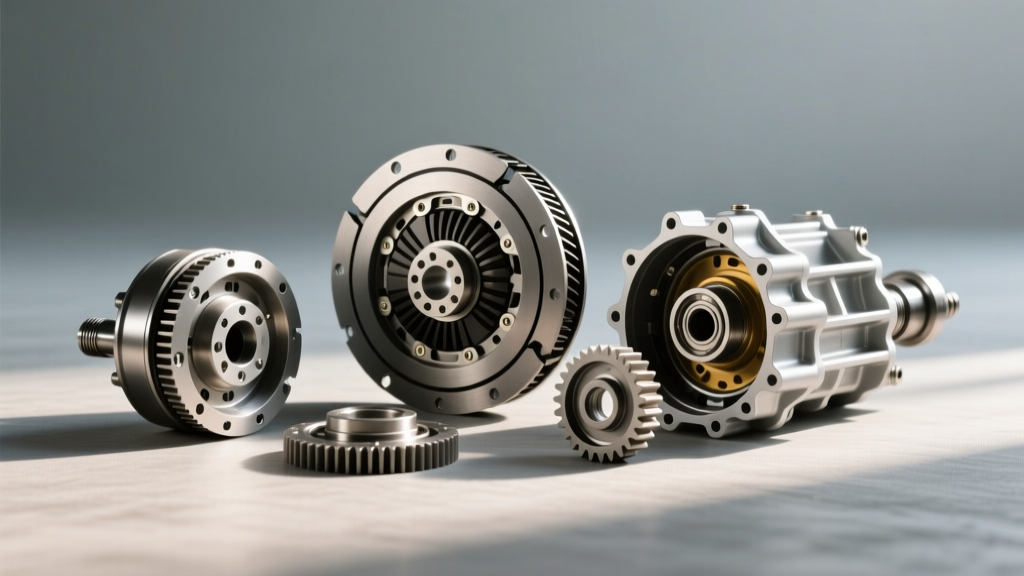
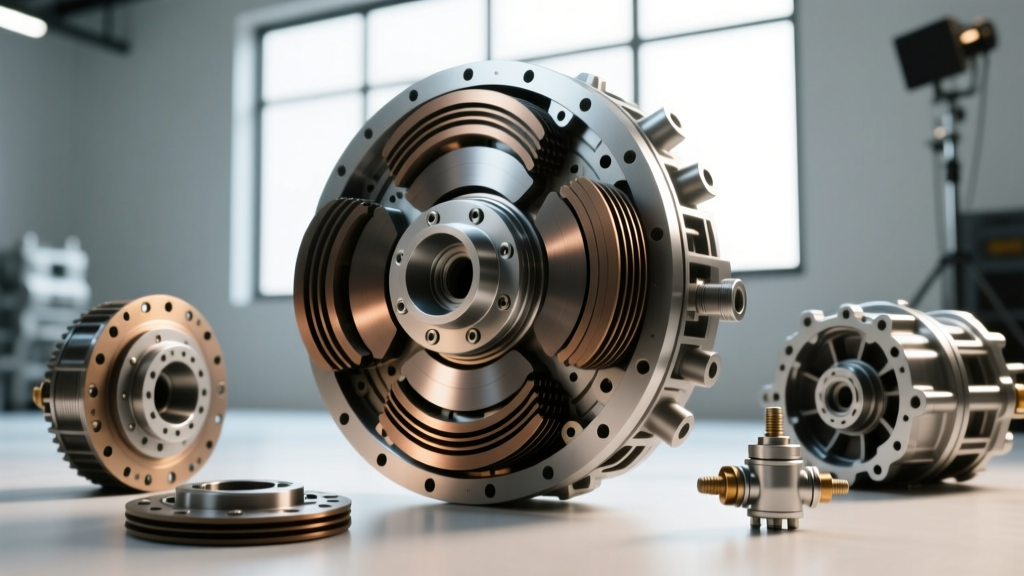
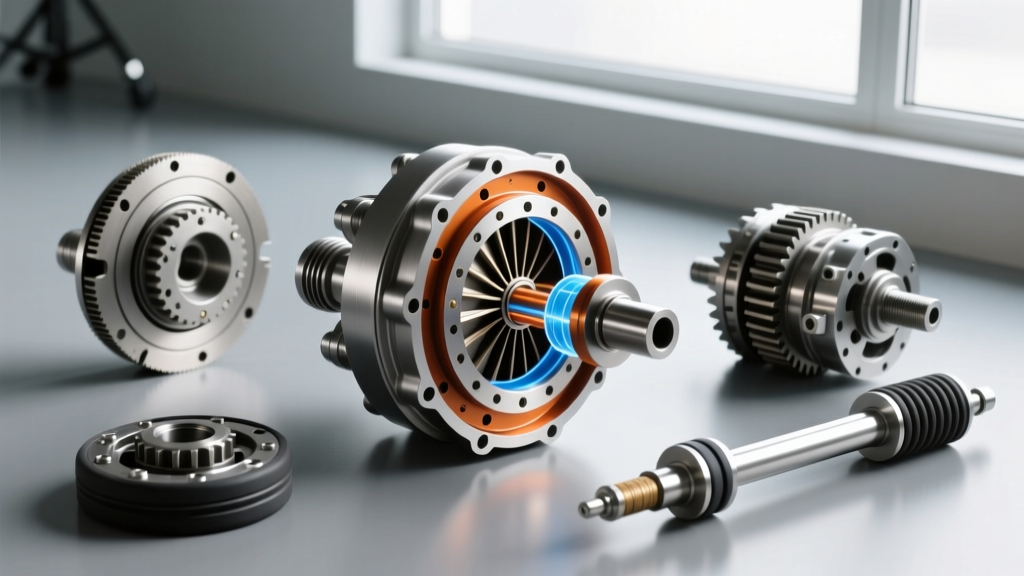
Integrating a 3500 stall torque converter with a functioning Torque Converter Clutch (TCC) represents one of the most complex calibration and mechanical challenges in modern drivetrain building. Typically reserved for Pro-Touring muscle cars, heavy-duty diesel street trucks, and dedicated track-to-street builds, a 3500 RPM stall speed provides massive hydraulic multiplication off the line. However, when paired with a lockup mechanism for highway cruising, the operational parameters clash. The engine’s torque curve at low RPMs is often insufficient to sustain a 1:1 mechanical lockup without severe lugging, while the sheer hydraulic shear generated by a high-stall setup places extreme thermal and physical stress on the TCC friction material.
As of 2026, advancements in transmission tuning software and aftermarket valve body hydraulics have made the 3500 stall lockup torque converter more viable than ever. Yet, when lockup operation fails, the symptoms can mimic catastrophic transmission damage. Understanding how to diagnose TCC slip, shudder, and solenoid failure in these specialized high-stall environments is critical for accurate troubleshooting and avoiding unnecessary teardowns.
Primary Symptoms of TCC Malfunction in High-Stall Applications
Diagnosing a failing lockup mechanism in a high-stall converter requires separating inherent drivetrain harmonics from actual hydraulic or electronic failures. The following symptoms are the most prevalent indicators of TCC system degradation.
1. Highway Speed Shudder (The 60-75 MPH Vibration)
The most common complaint is a violent, rhythmic shudder occurring between 60 and 75 MPH under light throttle application. In a standard 1800-2200 stall converter, this usually indicates glazed TCC friction material or degraded fluid. In a 3500 stall setup, however, this shudder is frequently a tuning-induced slip oscillation. Because the engine produces minimal torque below 2,800 RPM, the ECU struggles to maintain the commanded 0-10 RPM of slip. The Pulse Width Modulation (PWM) solenoid rapidly cycles to prevent engine lugging, creating a harmonic resonance that shakes the entire chassis. This is often misdiagnosed as a warped rotor or bad U-joint.
2. Deceleration Stall-Out and Unlock Failure
When lifting off the throttle at highway speeds, the TCC must unlock instantly to allow the fluid coupling to absorb the deceleration load. If the TCC regulator valve is stuck or the release circuit is restricted, the converter remains locked. In a 3500 stall converter, the engine will violently lug and stall the moment the vehicle drops below 2,500 RPM, as the high stall speed prevents the engine from idling against the locked mechanical clutch. This triggers P0742 (Torque Converter Clutch Circuit Stuck On) and poses a severe safety hazard.
3. Excessive Transmission Fluid Temperatures
A 3500 stall converter generates immense internal heat due to fluid shear. The lockup clutch is the only mechanism capable of mitigating this heat during cruising. If the TCC is slipping excessively (commanded lockup but actual slip exceeds 40 RPM), transmission fluid temperatures will rapidly exceed 220°F (104°C), degrading synthetic fluids and accelerating clutch pack wear in the transmission itself.
Diagnostic Workflow: Isolating the Failure Point
Troubleshooting requires a systematic approach, moving from electronic verification to hydraulic pressure testing, and finally to calibration analysis.
Phase 1: Electronic & Solenoid Verification
Before dropping the transmission pan, verify the electrical integrity of the TCC control circuit. Using a bi-directional scanner and a digital multimeter, perform the following checks:
- Solenoid Resistance: Check the TCC PWM solenoid resistance at the transmission harness connector. For GM 4L60E/4L80E applications, expect 10-14 ohms at 68°F (20°C). For ZF 8HP or GM 6L80E applications, consult specific OEM pinout charts, as internal solenoid packs vary wildly.
- Wiring Continuity: High-stall applications often involve aftermarket engine swaps and custom wiring harnesses. Verify that the TCC control wire is not suffering from voltage drop or sharing a ground with high-amperage accessories like fuel pumps.
- Brake Pedal Switch: A misadjusted brake pedal position switch will constantly interrupt the TCC apply signal. Verify that the scanner shows 'Brake Released' when your foot is off the pedal.
Phase 2: Hydraulic Line Pressure Testing
If electronics check out, the issue lies within the valve body or the converter's internal hydraulic circuits. Install a 0-300 PSI pressure gauge into the TCC apply port on the transmission case.
- Drive the vehicle until the transmission reaches normal operating temperature (170°F - 190°F).
- Command TCC lockup in 4th gear at 65 MPH using your scanner.
- Observe the apply pressure. A healthy system should show TCC apply pressure mirroring main line pressure (typically 120-150 PSI in 4th gear).
- If pressure drops to 40-70 PSI during lockup, the TCC regulator valve is severely worn in the valve body, bleeding off apply pressure and causing the clutch to slip.
| Transmission Model | TCC Apply Port Target | Common High-Stall Failure Point | Recommended Component Fix |
|---|---|---|---|
| GM 4L80E | 130-150 PSI | Worn TCC Regulator Valve Bore | Sonnax 34200-01K Lockup Regulator Valve |
| GM 4L60E | 110-135 PSI | PWM Solenoid Screen Clogging | Sonnax 77754-01K & Solenoid Mod Kit |
| GM 6L80E / 6L90E | 140-160 PSI | Internal TCC Limit Valve Wear | Sonnax 127740-03K Zip Kit |
| Ford 6R80 / ZF 8HP | 135-155 PSI | Mechatronic Sleeve Leaks | OEM Mechatronic Sleeve & Adapter |
Calibration & Tuning: The Hidden Culprit
In the modern tuning ecosystem, a vast majority of perceived 'mechanical' failures in 3500 stall lockup torque converters are actually calibration errors. When mapping the TCC Apply and Release tables in software like HP Tuners VCM Editor or EFI Live, tuners must respect the physics of the high-stall setup.
Pro Tuner Diagnostic Rule: When calibrating a 3500 stall converter, never allow TCC apply in overdrive below 2,800 RPM. The engine lacks the torsional output to sustain a 1:1 mechanical lockup at low RPMs. Forcing early lockup forces the PWM solenoid into a constant 40-60% duty cycle slip state to prevent stalling, which will glaze the friction disc and ruin the converter in under 1,000 miles.
Troubleshooting the Tune: Log the 'TCC Commanded Slip' vs. 'TCC Actual Slip' PIDs. If the commanded slip is 20 RPM, but actual slip bounces between 10 and 80 RPM, the apply pressure is insufficient for the engine's torque output at that specific RPM/TPS intersection. You must either increase the base TCC apply pressure in the transmission tuning tables or raise the MPH/RPM threshold for lockup engagement.
Component Replacement & 2026 Cost Breakdown
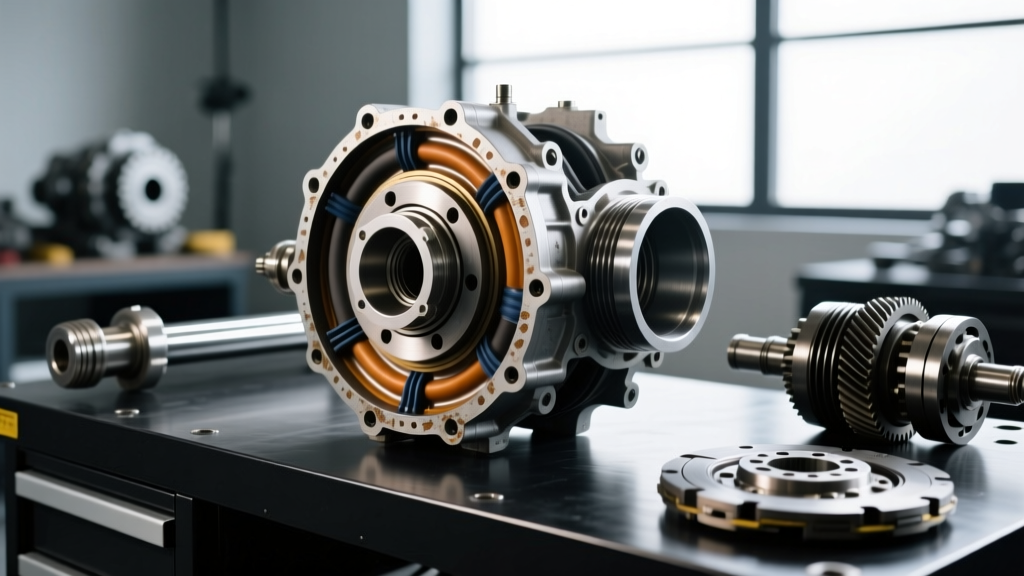
If diagnostics confirm internal converter failure—such as a shattered TCC friction disc or a failed internal damper spring—the unit must be removed, cut open, and rebuilt or replaced. Running a high-stall lockup converter requires specialized friction materials, often Kevlar or carbon-fiber composites, to handle the aggressive apply pressures required to lock a 3500 stall unit without shudder.
Estimated Repair & Replacement Costs (2026 Market Rates)
- Custom Billet 3500 Stall Lockup Converter (e.g., Circle D, Vigilante, Yank): $1,100 – $1,650
- Valve Body TCC Regulator Upgrade (Sonnax Zip Kits): $95 – $145 (Parts only)
- OEM TCC PWM Solenoid Replacement: $45 – $85
- Transmission R&R Labor & Fluid (Amsoil/Red Line Synthetic): $800 – $1,400
When replacing the converter, always install a new transmission cooler and flush the lines. A failing TCC sheds microscopic friction material that will contaminate the transmission's internal solenoids and clutch packs. For high-stall applications, upgrading to a heavy-duty transmission cooler with a dedicated TCC bypass circuit is highly recommended to manage the extreme thermal loads generated during the transition between fluid coupling and mechanical lockup.
Authoritative References
For advanced hydraulic schematics and solenoid testing procedures, consult the following industry resources: