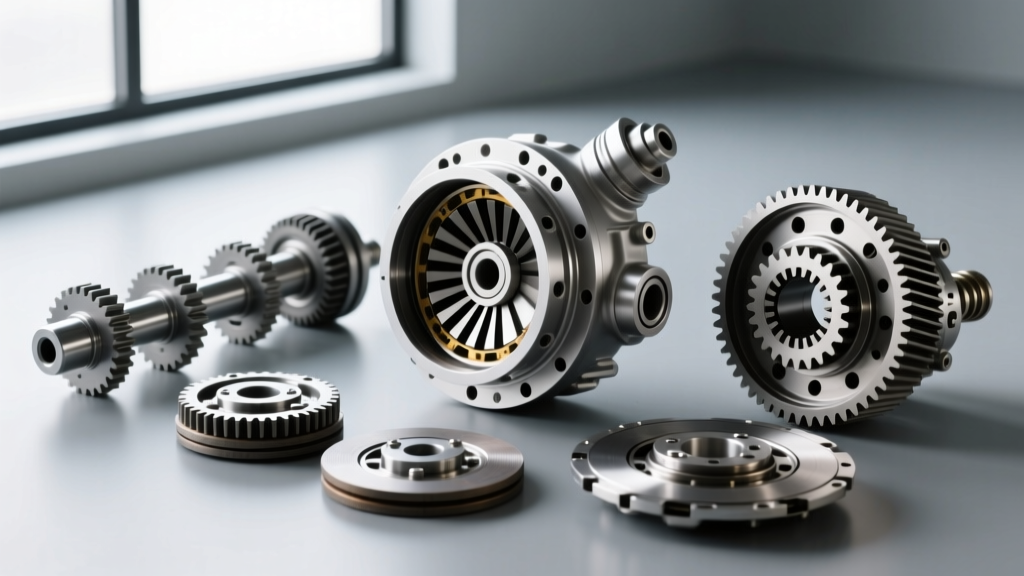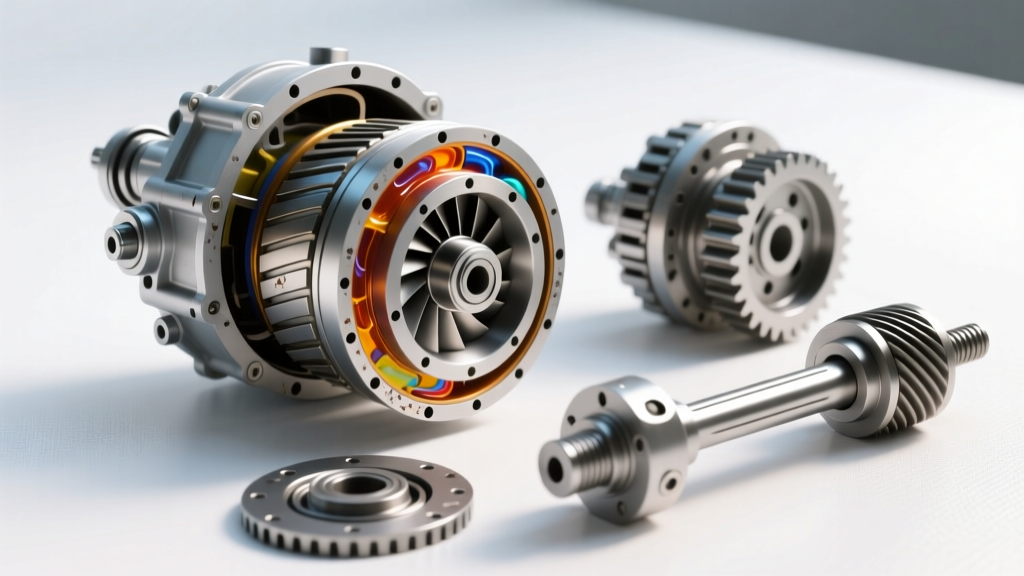
The Mechanics of Triple Disc Lockup Operation
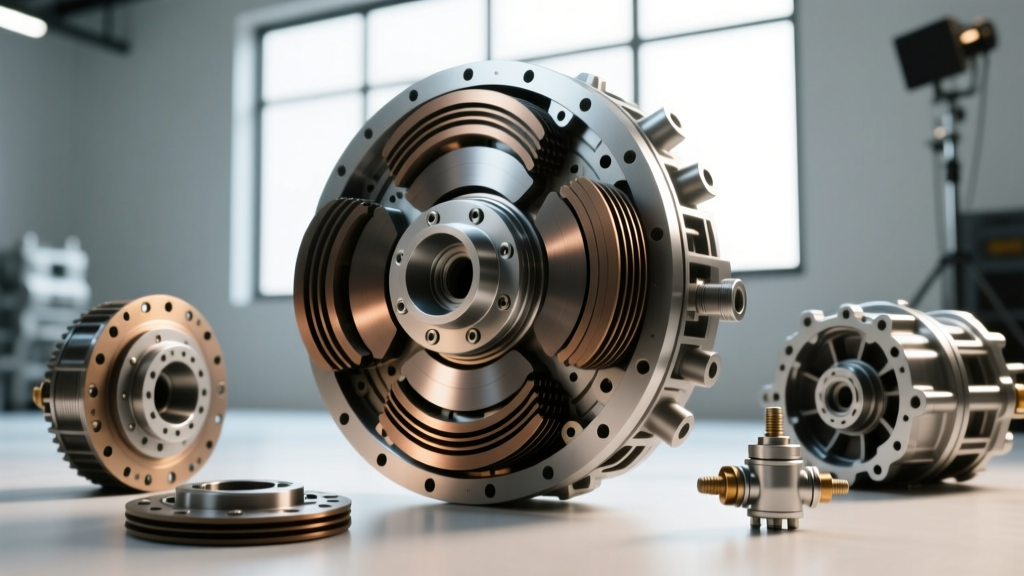
When heavy-duty trucks and high-performance vehicles demand more torque capacity than factory components can handle, the triple disc torque converter becomes the mandatory upgrade. Unlike a standard single-disc setup that relies on one friction surface to couple the engine to the transmission input shaft, a triple disc converter utilizes three distinct friction discs interleaved with steel separator plates. This design effectively triples the surface area available for the Torque Converter Clutch (TCC) lockup mechanism, allowing it to hold 1,200 to 1,500+ lb-ft of torque without slipping.
However, the lockup operation in a triple disc unit is vastly more demanding on the transmission's hydraulic system. To apply the clutch pack, the Transmission Control Module (TCM) actuates the Pulse Width Modulation (PWM) TCC solenoid. This redirects transmission fluid from the release circuit to the apply circuit. The fluid pressure pushes the converter piston rearward, compressing the three friction discs against the front cover. If the hydraulic pressure, clutch clearance, or valve body integrity is not perfectly calibrated for this increased mass and friction, the system will exhibit severe symptoms ranging from violent shudder to catastrophic spline failure.
Expert Insight: A triple disc converter requires significantly higher apply pressure and precise fluid volume to engage smoothly. Using a stock single-disc PWM tune on a triple disc setup will almost guarantee immediate TCC shudder and premature friction material glazing.
Comparative Specifications: Single vs. Triple Disc
Understanding the operational thresholds is critical for accurate diagnosis. The table below outlines the engineering differences that dictate how these units behave under lockup conditions.
| Converter Type | Friction Surfaces | Torque Capacity | Typical Apply Pressure | Piston Clearance Spec |
|---|---|---|---|---|
| OE Single Disc | 1 | 400 - 500 lb-ft | 75 - 90 PSI | 0.020" - 0.035" |
| Billet Dual Disc | 2 | 700 - 900 lb-ft | 95 - 115 PSI | 0.030" - 0.045" |
| Billet Triple Disc | 3 | 1,200 - 1,500+ lb-ft | 130 - 160+ PSI | 0.045" - 0.065" |
Diagnostic Flowchart: TCC Shudder and Slip Codes
When a customer complains of a rhythmic shaking at highway speeds (45-65 MPH) or the TCM sets codes like P0740 (TCC Circuit Malfunction), P0741 (TCC Stuck Off), or P2763 (TCC Pressure Control Solenoid High), a systematic approach is required. The increased rotational mass of a triple disc assembly amplifies any hydraulic instability.
Step 1: Scan Tool Data and TCC Slip RPM
Connect a bi-directional scan tool and monitor the TCC Slip Speed PID while driving at a steady 55 MPH in top gear with lockup commanded. In a properly functioning triple disc setup (such as those paired with a built 68RFE or Allison 1000), commanded slip should be 0 RPM, and actual slip should read between -5 and +5 RPM. If actual slip fluctuates between 20 and 80 RPM while the TCM is commanding 0, you have a mechanical or hydraulic slip condition. The friction discs are failing to fully clamp, generating immense heat that will quickly degrade the fluid and destroy the clutch pack.
Step 2: Hydraulic Pressure Testing
If scan data confirms slip, you must verify the apply pressure. Install a 300 PSI transmission pressure gauge into the TCC apply port on the transmission case. During a controlled lockup event, the gauge should spike to the 130-160 PSI range (depending on the specific transmission and tuning). If pressure only reaches 90 PSI and bleeds off, the issue is not the torque converter itself, but rather a leak in the hydraulic circuit. According to technical bulletins from the Automatic Transmission Rebuilders Association (ATRA), common leak points include worn stator support shaft O-rings, scored turbine hub seals, or a failing PWM solenoid.
Step 3: Valve Body and TCC Regulator Wear
High-volume, high-pressure apply circuits are notorious for accelerating valve body wear. In transmissions like the 6L80, 68RFE, and 10R140, the TCC regulator valve bore wears oval due to constant solenoid oscillation. When this bore wears, apply fluid bypasses the valve and exhausts to the pan, starving the triple disc clutch pack of the clamping force it needs. Installing a sleeved TCC regulator valve kit (such as the Sonnax Zip Kit solutions detailed in their technical resources library) is often mandatory when servicing a truck equipped with a triple disc converter.
Mechanical Edge Cases: Turbine Hub Spline Fretting
One of the most overlooked causes of lockup failure in high-torque applications is turbine hub spline fretting. The friction discs in a triple disc converter mate to the turbine hub via internal splines. Under the extreme shock loading of a tuned diesel engine (e.g., a 6.7L Cummins or Powerstroke pushing 1,000+ lb-ft), the factory steel splines can gall, wear, or develop excessive backlash against the stator support shaft.
Symptom Profile: You will typically see a delayed lockup engagement, a harsh 'clunk' upon TCC apply, and eventually, metal flakes in the transmission pan. If the splines strip entirely, the TCC will lock mechanically but fail to transfer power, resulting in a sudden loss of forward momentum while the engine RPM remains high. Diagnosis requires dropping the pan, inspecting the fluid for brass/steel glitter, and checking the input shaft end-play and spline wear with a borescope or by pulling the converter.
Fluid Degradation and Friction Material Compatibility
Triple disc converters often utilize specialized friction materials, such as carbon-fiber or high-energy Kevlar blends, designed for aggressive lockup. These materials require specific fluid friction modifiers. Running standard, unmodified OEM ATF in a heavy-duty triple disc setup can lead to a coefficient of friction mismatch. This mismatch manifests as a low-frequency shudder (often described as driving over rumble strips) precisely at the moment of TCC apply. Always verify the converter manufacturer's fluid specification; many heavy-duty setups require specialized fluids like Amsoil Signature Series or specific TES 295 approved synthetics to maintain the correct friction curve during PWM lockup modulation.
2026 Repair Costs and Upgrade Paths
Diagnosing and repairing a triple disc torque converter lockup issue requires specialized labor and high-end components. Below is a realistic breakdown of what vehicle owners should expect to pay at a specialized transmission shop in 2026:
- Billet Triple Disc Torque Converter: $950 - $1,600 (depending on torque rating and brand, e.g., BDS, Goerend, or SunCoast).
- Valve Body Rebuild / TCC Regulator Sleeve Kit: $250 - $550 (includes Sonnax or TransGo sleeves, new solenoids, and separator plates).
- Transmission Fluid & Filter Service: $150 - $300 (heavy-duty pans hold 12-18 quarts of synthetic fluid).
- Labor (R&R and Diagnosis): $800 - $1,400 (includes dropping the transmission, cutting open the old converter for forensic analysis, and TCM relearning).
- Total Estimated Repair Range: $2,150 - $3,850.
When troubleshooting lockup operation, never assume the triple disc converter is at fault simply because it is an aftermarket upgrade. Over 60% of TCC shudder complaints in modified heavy-duty trucks stem from degraded valve body hydraulics or improper TCM tuning rather than a defective converter clutch pack. Always verify hydraulic pressure and scan data before authorizing a transmission removal.