The Shared Sump Architecture: Why Diff Fluid Matters on the 1025R
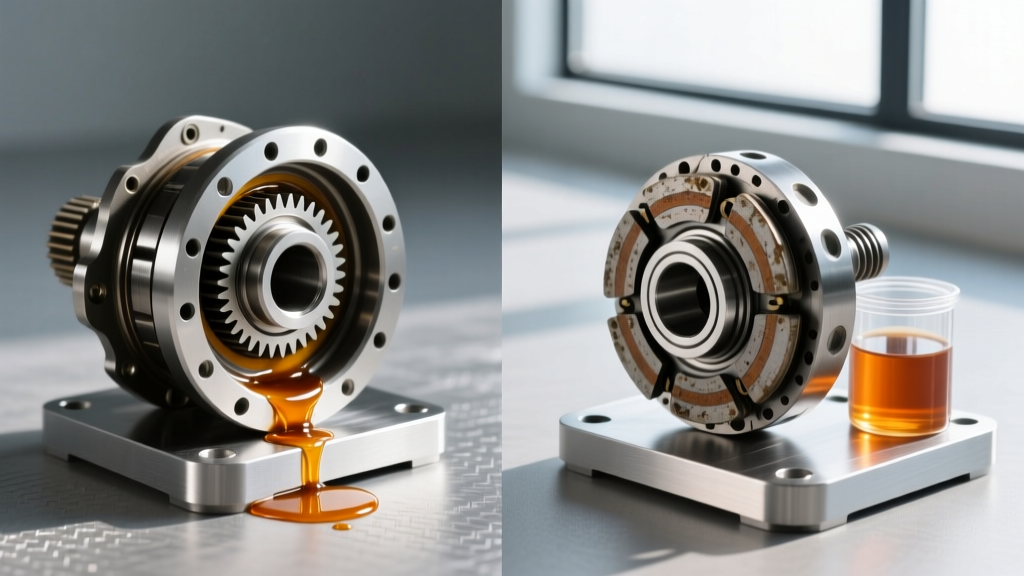
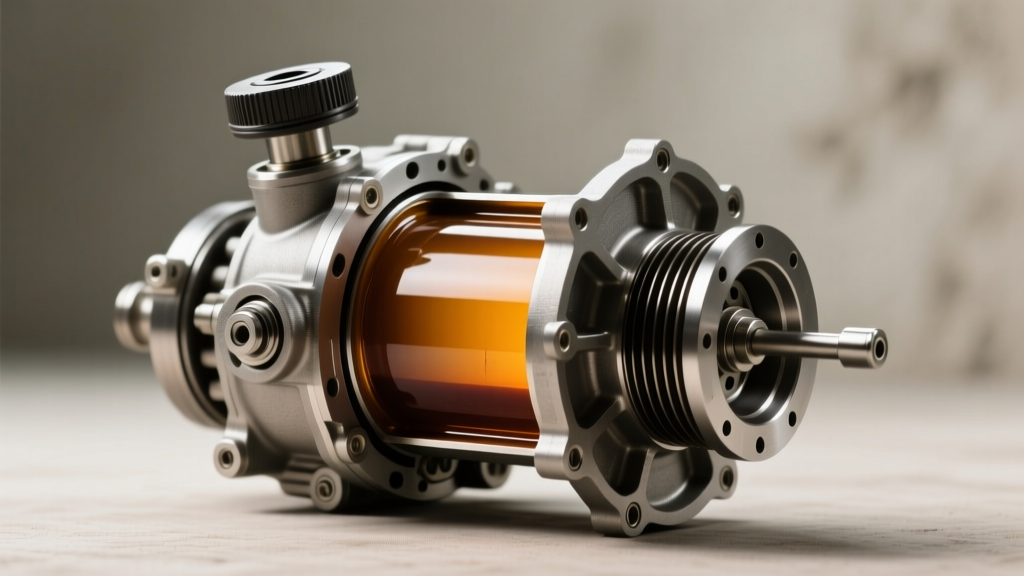
When maintaining a sub-compact tractor, operators often treat the rear axle and the hydrostatic transmission (HST) as entirely separate entities. However, the John Deere 1025R utilizes a shared sump architecture. This means the rear differential, the HST, the hydraulic pump, and the wet brake assemblies all share a common reservoir of hydraulic and gear oil—specifically, John Deere Hy-Gard. As of 2026, understanding this shared ecosystem is critical for drivetrain longevity. Because the fluid circulates through the entire center housing and rear axle, any wear occurring at the differential lock mechanism will immediately contaminate the shared sump. Conversely, degraded fluid from a failing HST pump can cause the internal differential locking collar to bind, directly affecting the operation of the external actuator.
Decoding the John Deere 1025R Differential Lock Pedal Mechanism
The John Deere 1025R differential lock pedal is a mechanical linkage that engages a sliding dog clutch (locking collar) inside the rear axle housing. When you depress the pedal, a shift rod pushes the collar across a splined shaft, locking the left and right axle shafts together to force equal wheel rotation in low-traction environments like mud or snow.
Because this collar slides under immense torsional load, it relies entirely on the shear stability and anti-wear additive package of the Hy-Gard fluid to prevent galling. If the fluid has lost its viscosity index improvers or is contaminated with water, the sliding collar will experience increased friction. This manifests externally as a stiff differential lock pedal, a pedal that fails to return to the disengaged position, or a harsh grinding noise when attempting to lock the axle. Diagnosing these pedal anomalies requires a deep dive into the fluid's physical condition.
Hy-Gard Fluid Color and Condition Diagnostic Matrix
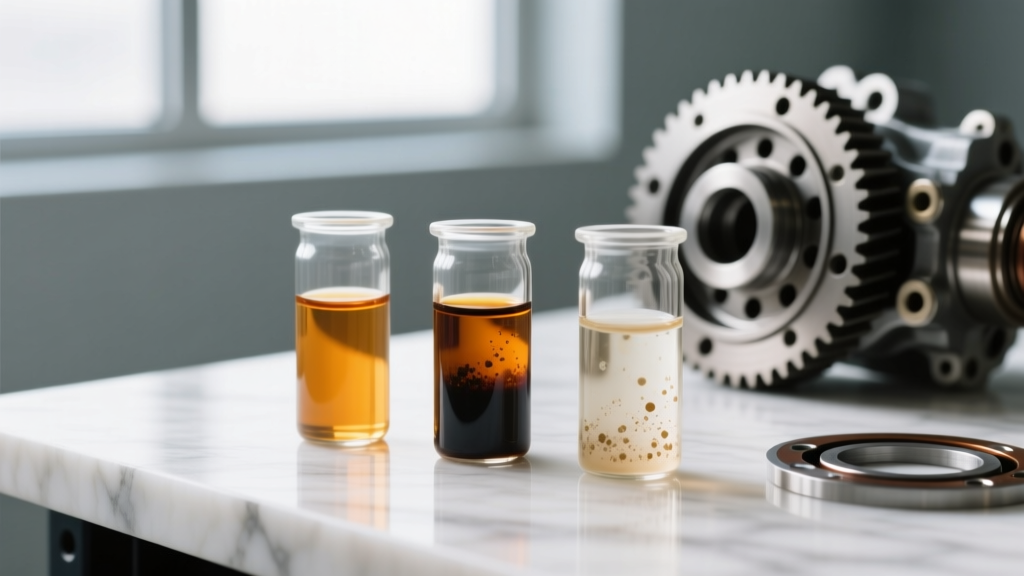
Pulling a fluid sample from the rear axle drain plug or the center housing dipstick tube provides an immediate snapshot of the differential's internal health. Use the following matrix to interpret your findings:
| Fluid Color & Appearance | Olfactory Cue (Smell) | Internal Condition Diagnosis | Impact on Diff Lock Pedal |
|---|---|---|---|
| Clear, Bright Amber | Mild, sweet petroleum | New or recently flushed fluid. Additive package is fully intact. | Smooth engagement; pedal returns effortlessly via spring tension. |
| Dark Brown / Opaque | Slightly burnt, acrid | Normal end-of-life oxidation. Friction modifiers are depleting. | Pedal may feel slightly notchy; increased collar drag. |
| Milky / Chocolate Milk | No distinct burn smell | Severe water emulsification. Likely failed rear axle seal or condensation. | High risk of collar rust and seizure; pedal may stick down. |
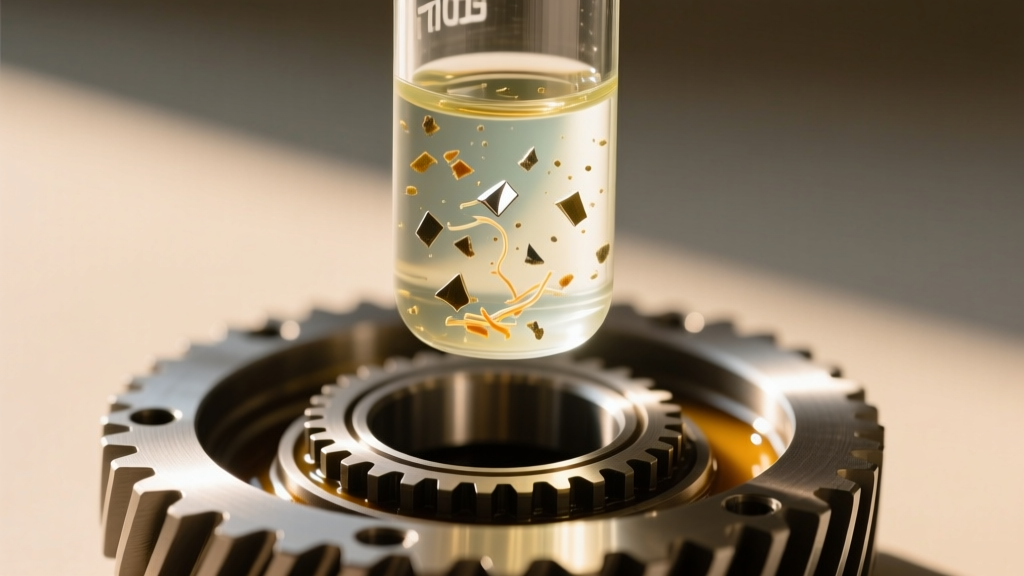
| Jet Black with Glitter | Sharp, metallic, burnt | Active wear of the dog clutch teeth or shift fork. Steel/brass particulate. | Pedal binds; drivetrain wind-up occurs due to failure to disengage. |
Understanding Water Ingress and Axle Seal Failure
Water contamination is the leading cause of differential lock collar seizure on the 1025R. The rear axle tubes are exposed to the elements, and the outer axle seals are prone to degradation from mud, manure, and pressure washing. When water breaches the seal, it settles at the lowest point of the housing—exactly where the differential lock collar resides. Over time, this causes micro-corrosion on the splined shaft. When the operator presses the John Deere 1025R differential lock pedal, the collar slides into the locked position but becomes fused to the corroded splines, refusing to disengage when turning. This leads to severe drivetrain wind-up, which can twist or snap an axle shaft.
Step-by-Step Preventive Fluid Inspection Guide
To accurately assess the fluid condition and its impact on the differential lock mechanism, follow this standardized inspection protocol:
- Thermal Preparation: Run the tractor for 15 minutes under light load. This brings the Hy-Gard fluid to approximately 120°F (49°C), suspending any settled metallic particulates and lowering the fluid's viscosity for a complete drain.
- External Linkage Check: Before crawling under the tractor, manually cycle the differential lock pedal. Note the spring return pressure. If the pedal feels physically obstructed before the fluid is even checked, inspect the external pivot bushings for debris buildup.
- Sampling the Sump: Place a clean, white-lined drain pan beneath the center housing drain plug. Remove the plug and allow the first 16 ounces to flow into a clear glass sampling jar. The initial fluid to exit will carry the heaviest concentration of suspended metals and water.
- Magnetic Analysis: Inspect the magnetic drain plug. A light, fuzzy gray paste is normal clutch and gear wear. Hard, jagged steel flakes or chunks of brass indicate catastrophic failure of the differential lock shift fork or the locking collar itself.
- Smear Test: Rub a drop of the fluid between your thumb and forefinger. Grittiness confirms that the fluid filter (located on the transmission housing) has bypassed, allowing abrasive particulates to circulate through the axle tubes.
Fluid Specifications, Part Numbers, and Torque Specs
Using the correct fluid chemistry is non-negotiable for the proper operation of the 1025R's wet brakes and differential lock. Standard automotive 75W-90 gear oil lacks the necessary friction modifiers for the HST and wet brake packs, and will cause immediate operational failure.
- Recommended Fluid: John Deere Low-Viscosity Hy-Gard (J20D specification). Part Number: TY22029 (5-Gallon Pail) or TY22028 (1-Gallon Jug). For older models operating in high-heat environments, standard J20C Hy-Gard (TY22027) is acceptable but may slow HST response in cold weather.
- System Capacity: The total shared sump capacity is approximately 6.8 gallons (25.7 Liters). Always check the dipstick located behind the operator's seat while the loader is lowered and the tractor is on level ground.
- Filtration: Replace the transmission/hydraulic filter (Part Number RE504836 or equivalent) every 400 hours. A clogged filter triggers the internal bypass valve, sending unfiltered, metal-laden oil directly into the rear differential housing.
- Torque Specifications: The center housing drain plug requires 35-45 Nm (25-33 lb-ft) of torque. Do not overtighten, as the housing is cast aluminum and threads strip easily. The rear axle tube drain plugs (if equipped on your specific axle variant) should be torqued to 27 Nm (20 lb-ft).
Addressing Pedal Binding and Drivetrain Wind-Up
If your fluid inspection reveals heavy metallic contamination or severe water emulsification, and the John Deere 1025R differential lock pedal is sticking, a simple fluid drain and fill will not suffice. The internal locking collar must be freed. In these scenarios, a complete system flush is required. This involves draining the sump, removing the rear axle final drive covers to physically clean out the axle tubes, and flushing the center housing with a dedicated solvent or cheap, clean hydraulic oil before refilling with fresh J20D Hy-Gard.
Furthermore, operators must be educated on proper pedal usage. The differential lock should only be engaged when the tractor is moving in a straight line and the wheels are already slipping. Attempting to stomp the pedal while the wheels have traction, or attempting to force a turn while the pedal is engaged, will shear the dog clutch teeth. As discussed extensively on the Green Tractor Talk 1025R Forums, sheared teeth create large steel fragments that lodge between the collar and the shift fork, permanently jamming the pedal in the engaged position.
When to Split the Housing
If a fresh fluid change and external linkage lubrication fail to restore smooth pedal operation, the issue has crossed the threshold from preventive maintenance to mechanical repair. The center housing must be split from the rear axle housing to extract the differential carrier. This allows for direct inspection of the shift fork wear pads, the detent spring, and the locking collar splines. While this is a labor-intensive process requiring specialized alignment tools and new gaskets, catching the failure early via fluid color analysis prevents the secondary damage of a twisted axle shaft or a shattered ring and pinion gear. By treating the shared fluid sump as the primary diagnostic window, 1025R owners can ensure decades of reliable traction and drivetrain integrity.