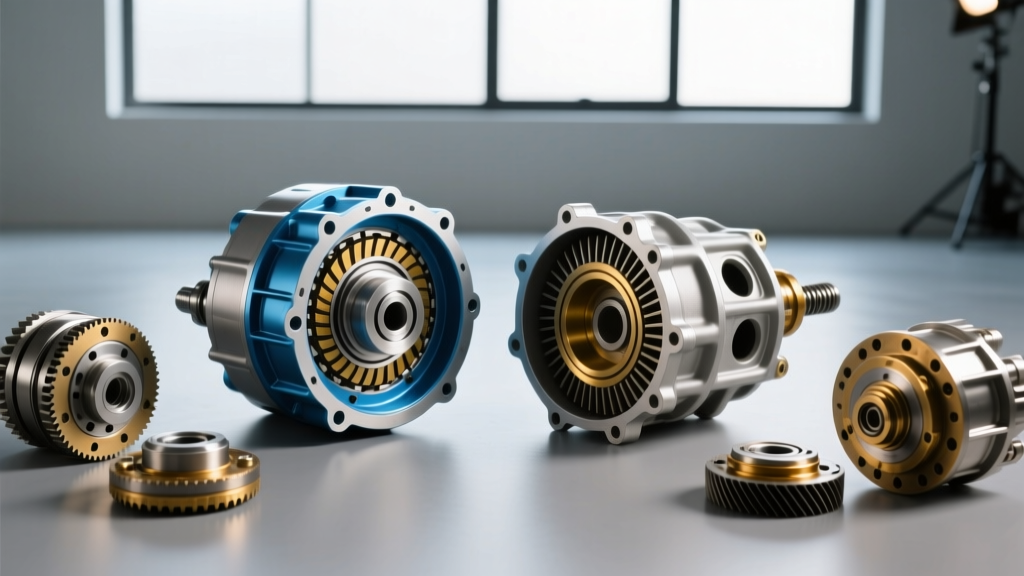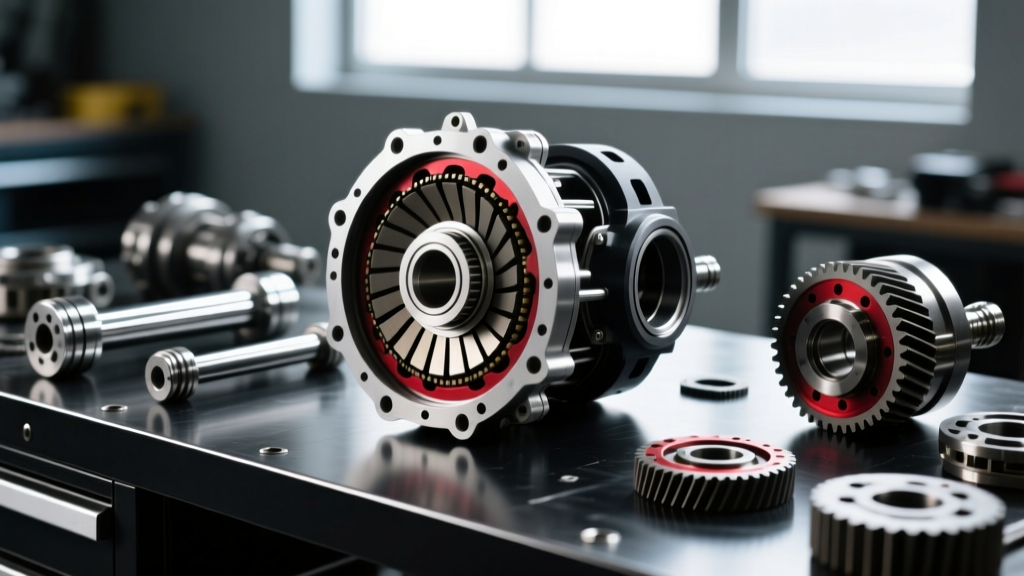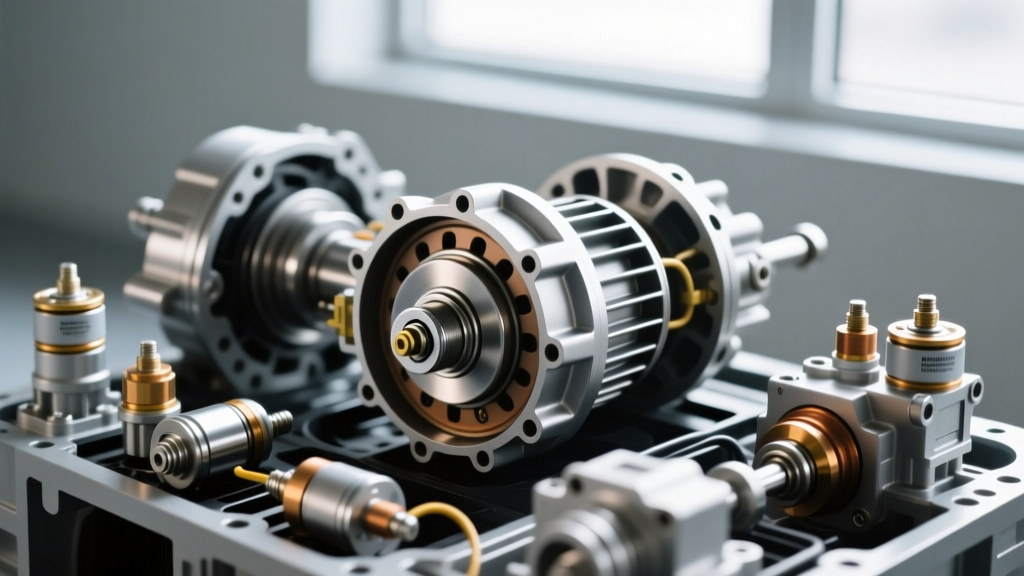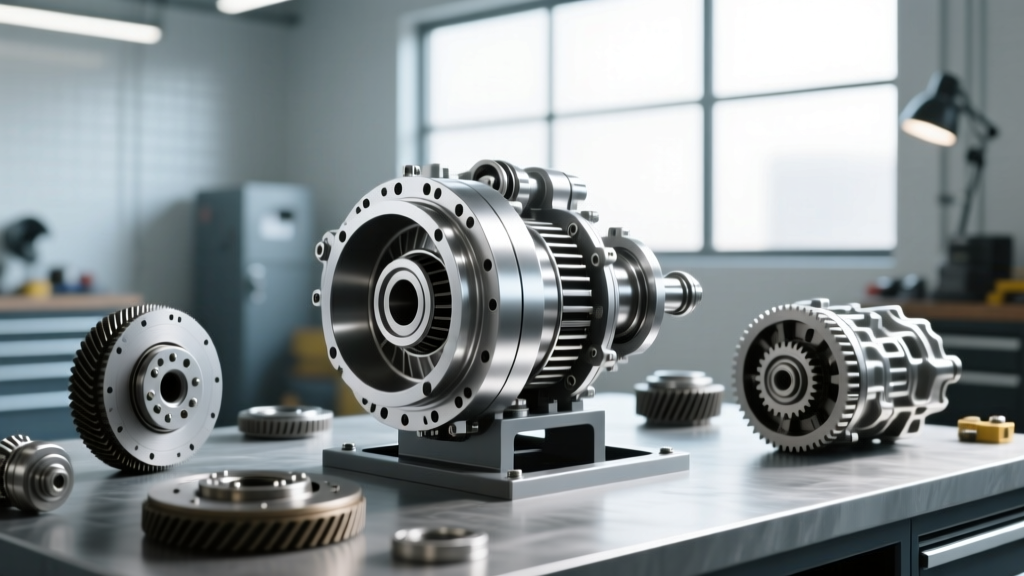
The 6L80 Platform: Understanding Your 2018 Silverado's Drivetrain
As we navigate the 2026 automotive landscape, the 2018 Chevrolet Silverado 1500 remains a dominant force on both job sites and highways. However, as these trucks age and cross the 100,000-mile threshold, a specific drivetrain vulnerability becomes impossible to ignore. The 2018 Silverado 1500, equipped with the 5.3L L83 or 6.2L L86 V8, relies on the GM 6L80 six-speed automatic transmission. While the 6L80 is fundamentally robust in its gearset design, its torque converter and hydraulic control systems were engineered with aggressive fuel-economy mandates in mind. This results in early lockup and continuous slip strategies that generate immense heat and wear.
For performance enthusiasts, heavy towers, and daily drivers alike, recognizing a failing 2018 silverado torque converter is only the first step. The true value lies in understanding the root mechanical failures and leveraging the aftermarket upgrade path to build a drivetrain that outlasts the factory configuration.
Critical 2018 Silverado Torque Converter Symptoms
Before pulling the transmission or ordering parts, you must accurately diagnose the symptoms. The 6L80 torque converter failure profile is distinct, often presenting in three primary stages.
1. The Notorious TCC Shudder (The 'Chevy Shake')
The most widely reported symptom is a violent, rhythmic vibration occurring between 40 and 55 mph under light throttle. This feels exactly like driving over highway rumble strips. This is not a misfire or a warped brake rotor; it is Torque Converter Clutch (TCC) shudder. The 6L80 TCC operates in a controlled slip mode to smooth out engine harmonics. When the friction material glazes, or the hydraulic pressure regulating the slip becomes erratic, the clutch rapidly engages and disengages, transferring a harsh oscillation through the driveline. You will often see diagnostic trouble codes P0741 (TCC System Stuck Off) or P0730 (Incorrect Gear Ratio) stored in the TCM.
2. High-RPM Slipping and Delayed Lockup
As the internal clutch seals degrade and the friction lining disintegrates, the converter loses its ability to achieve a 1:1 lockup. You will notice the tachometer flaring by 200-400 RPM during steady-state cruising. This slippage generates catastrophic amounts of heat, rapidly degrading the Dexron VI fluid and accelerating wear to the transmission's internal clutches and the 3-5-R wave plate.
3. Whining or Bearing Noise at Idle
A high-pitched whine that changes pitch with engine RPM, but is independent of vehicle speed, points to a mechanical failure inside the converter. Specifically, the front stator support needle bearing or the turbine bearing is failing. If you hear this noise, the converter is shedding metallic debris into the 6L80's main lube circuit, threatening the entire transmission.
Diagnostic Data: OEM vs. Failing vs. Upgraded Metrics
Using a bi-directional scan tool capable of reading GM GMLAN transmission data, you can monitor the TCC slip speed. Here is how the data translates across different converter health states:
| Diagnostic Metric | OEM Factory Spec | Failing Unit Symptoms | Upgraded Billet Unit |
|---|---|---|---|
| TCC Slip RPM (Commanded Lock) | 20 - 40 RPM | 100+ RPM / Oscillating | 0 - 10 RPM (Solid Lock) |
| Stall Speed (Foot-Brake Test) | 1800 - 2000 RPM | 2200+ RPM (Internal Slip) | Tuned 2200 - 2800 RPM |
| TCC Apply Temp Threshold | 122°F (50°C) | Delayed / Erratic Apply | Optimized via TCM Calibration |
| Transmission Fluid Temp (Cruising) | 160°F - 185°F | 210°F+ (Due to Slip) | 150°F - 170°F (High Efficiency) |
The Root Cause: It's Not Just the Converter
Replacing the torque converter with an OEM unit without addressing the hydraulic system is a guaranteed path to repeat failure. According to technical bulletins and industry teardowns, the primary culprit behind the 2018 silverado torque converter shudder is wear in the transmission oil pump. Specifically, the TCC regulator valve bore in the aluminum pump housing wears oval due to continuous valve oscillation. This wear causes hydraulic cross-leaks, resulting in erratic apply pressure to the torque converter clutch.
Industry leaders like Sonnax have documented this exact failure mode. To permanently fix the shudder, the pump must be removed, the bore reamed, and an oversized, anodized aluminum TCC regulator valve installed, or a comprehensive Zip Kit must be utilized to restore hydraulic integrity.
Performance Upgrades: Fixing the Weak Points
For truck owners towing heavy trailers, running larger tires, or utilizing forced induction, the OEM GM torque converter (Part # 24276433) is inadequate. The stamped steel OEM cover flexes under high torque loads, altering the clutch clearance and causing premature failure. Here is the definitive upgrade path for the 6L80 platform.
Billet Covers and Triple-Disc TCC Clutches
The gold standard for 6L80 performance is upgrading to a billet aluminum or billet steel front cover. Billet covers eliminate flex, ensuring the TCC piston applies perfectly parallel to the friction surface. Furthermore, performance builders like Circle D Specialties utilize a triple-disc TCC clutch. By spreading the clamping load across three friction surfaces instead of one, the converter achieves a 100% solid lockup without the harshness or slip-induced heat of the OEM single-disc design. This entirely eradicates the shudder and drops cruising fluid temperatures by 20-30°F.
Upgraded Stators and Fin Angles
If your 2018 Silverado is modified for performance, an upgraded stator with aggressive fin angles will multiply torque more effectively off the line. A custom stall speed (typically 2400-2600 RPM for modified 5.3L/6.2L engines) allows the engine to jump directly into its peak torque band, dramatically improving throttle response and towing capability.
Real-World Replacement Costs and Torque Specs
When executing this upgrade in 2026, precision and budget planning are critical. Below is a realistic breakdown of costs and the exact factory torque specifications required for reassembly.
Cost Breakdown (Estimated)
- OEM GM Torque Converter (24276433): $450 - $600 (Not recommended for modified/towing trucks)
- Aftermarket Billet Triple-Disc Converter: $850 - $1,250
- Sonnax TCC Regulator Valve Kit / Zip Kit: $150 - $350
- Transmission Fluid (12 Qts Synthetic Dexron VI): $120 - $180
- Professional Labor (R&R Trans, Pump Ream, Flush): $1,200 - $1,800
- Total Performance Upgrade Job: $2,320 - $3,580
Critical 6L80 Torque Specifications
Incorrect torque specs on the 6L80 will lead to catastrophic warping or driveline vibration. Use a calibrated torque wrench for the following:
- Torque Converter to Flexplate Bolts (M10x1.5): 37 lb-ft (50 Nm) - Apply blue threadlocker.
- Transmission Bellhousing to Engine Block (M12): 37 lb-ft (50 Nm).
- Transmission Oil Pan Bolts (M6): 9 lb-ft (12 Nm) - WARNING: Overtightening the 6L80 pan bolts will warp the thin aluminum pan and distort the valve body, causing immediate shift solenoid binding and pressure leaks.
- Transmission Cooler Line Fittings: 15 lb-ft (20 Nm).
Expert Verdict: Rebuild or Replace?
If your 2018 Silverado is exhibiting TCC shudder but the transmission fluid is still red and free of heavy metallic clutch material, you are in the ideal window for an upgrade. Do not waste money on 'shudder fix' friction modifier additives; they only mask the hydraulic wear in the pump and degrade the fluid's shear stability. Instead, invest in a billet triple-disc torque converter, ream the pump bore for an oversized regulator valve, and recalibrate the TCM to command a firm, immediate lockup. By addressing the root hydraulic causes and upgrading the mechanical hardware, your 6L80 drivetrain will handle aggressive tuning and heavy towing for another 150,000 miles without breaking a sweat.