The ZF 9HP48 Architecture and the Notorious TCC Shudder
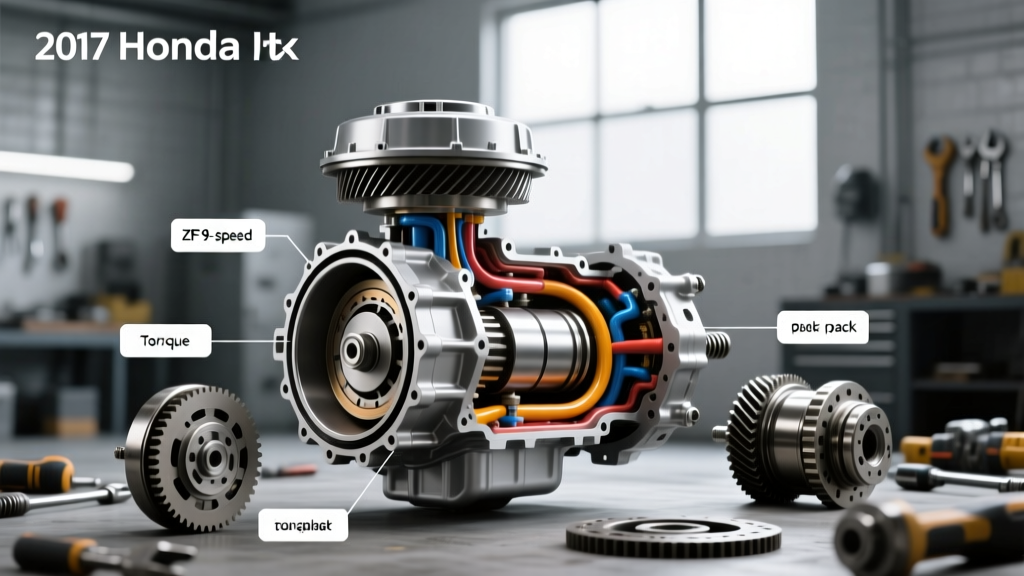
When diagnosing drivetrain issues in the 2017 Honda Pilot, technicians immediately zero in on the ZF 9HP48 9-speed automatic transmission. Unlike the older, bulletproof Honda 6-speeds, the ZF-sourced 9-speed utilizes an incredibly aggressive Torque Converter Clutch (TCC) lockup strategy. To meet stringent EPA fuel economy targets, Honda and ZF engineered the TCC to lock up as early as 1,000 RPM in higher gears. While this eliminates parasitic hydraulic slip and saves fuel, it transfers massive low-frequency torsional vibrations directly into the driveline.
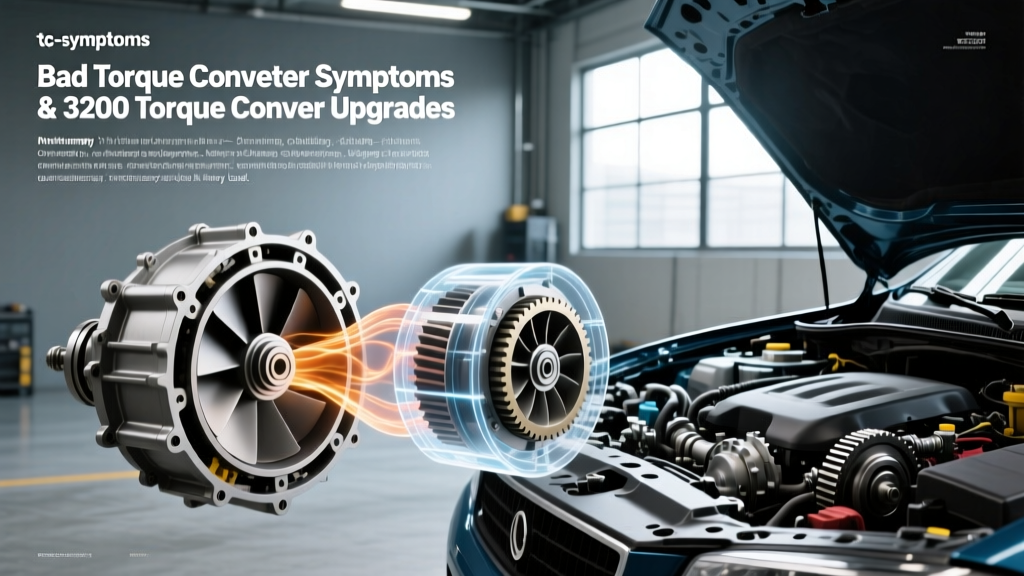
To counteract this, the ZF 9HP torque converter is equipped with a multi-stage centrifugal pendulum absorber and a specialized slip-controlled friction lining. However, by the 2026 ownership cycle, the constant micro-slipping required to smooth out the V6's torque pulses has led to widespread friction material degradation. The result? The notorious '30-to-50 mph shudder' that feels exactly like driving over highway rumble strips, often accompanied by TCC slip codes such as P0741 (Torque Converter Clutch Circuit Performance) or P2784 (Input/Turbine Speed Sensor Correlation).
2026 Cost Analysis: Dealership vs. Independent Specialist
If your 2017 Pilot exhibits confirmed torque converter shudder that cannot be resolved via software updates or fluid flushes, physical replacement of the torque converter is mandatory. Because the ZF 9HP48 is a transverse-mounted transaxle, replacing the torque converter requires dropping the entire transmission assembly. Below is a realistic 2026 cost breakdown based on current national labor averages and parts pricing.
| Cost Category | Honda Dealership (OEM) | Independent Trans Shop (Reman) | DIY (FWD Models) |
|---|---|---|---|
| Torque Converter Part | $950 - $1,250 | $450 - $650 | $450 - $650 |
| Labor (R&R Transaxle) | $1,400 - $1,900 | $1,000 - $1,400 | $0 |
| Fluid, Seals & Hardware | $250 - $320 | $150 - $220 | $120 - $150 |
| PCM/TCM Software Update | $150 - $200 | $100 - $150 | $0 (Requires HDS) |
| Estimated Total | $2,750 - $3,670 | $1,700 - $2,420 | $570 - $800 |
Note: Labor times vary drastically between Front-Wheel Drive (FWD) and iVTM4 All-Wheel Drive (AWD) models. AWD models require the removal of the transfer case assembly, front prop shaft, and additional subframe bracing, typically adding 2.5 to 3.5 hours of billed labor.
Fluid Specifications: The Type 3.1 Mandate
One of the most critical—and frequently botched—aspect of the 2017 Pilot torque converter replacement is the fluid specification. The ZF 9HP48 cannot use standard Honda DW-1 ATF. DW-1 is formulated for the older Honda 5-speed and 6-speed parallel-shaft transmissions. Using DW-1 in a 9-speed will result in immediate TCC slip, harsh shifts, and voided warranties.
- OEM Fluid: Honda ATF Type 3.1 (Part # 08798-9031). This is a highly specialized, low-viscosity fluid designed specifically for the ZF 9HP's micro-slip TCC requirements and dog-clutch shifting elements.
- Aftermarket Equivalent: ZF LifeguardFluid 9. While ZF produces the transmission, Honda's proprietary Type 3.1 additive package is slightly different. For a vehicle experiencing shudder, sticking strictly to OEM Honda Type 3.1 is the safest protocol.
- Capacity: The 9HP48 dry-fill capacity is approximately 7.4 quarts (7.0 liters). However, a standard drain-and-fill via the side check-plug only yields about 3.5 to 4.0 quarts. When replacing the torque converter, expect to add 5.5 to 6.0 quarts, as the TC itself holds roughly 2 quarts of fluid.
Diagnostic Protocol: TSBs and the 'Hail Mary' Fix
Before authorizing a $3,000 transaxle removal, verify if your specific VIN falls under Honda's technical service bulletins regarding 9-speed shudder. According to Honda TechInfo archives, early 2016-2018 Pilots were subject to TCM/PCM software updates designed to alter the TCC lockup schedule, reducing the aggressive micro-slip that destroys the friction lining.
Technician Insight: If the shudder is mild and no hard TCC slip codes (like P0741) are present, many Honda master technicians employ a 'Hail Mary' fix: performing a 3x drain-and-fill with OEM Type 3.1 fluid, followed by adding one tube of LubeGard Instant Shudder Fixx (Part # 11910). This friction modifier can temporarily recondition glazed TCC material, buying the vehicle 20,000 to 40,000 additional miles. However, if the centrifugal pendulum absorber inside the TC has physically failed or the friction material is entirely depleted, fluid additives will not mask the mechanical failure.
To definitively diagnose a failed TC versus a failing TCC solenoid, a technician must use the Honda Diagnostic System (HDS) to monitor TCC Slip RPM while driving at a steady 45 mph in 8th or 9th gear. A healthy locked TCC should show slip RPMs between -10 and +10. If the scanner reads erratic slip values bouncing between 40 and 150 RPM under light throttle, the torque converter friction lining is mechanically compromised.
Labor Realities: Dropping the ZF 9HP Transaxle
Replacing the torque converter on the 3.5L V6 J-series engine requires separating the transaxle from the engine block. The ZF 9HP is remarkably heavy, weighing over 215 lbs dry, necessitating a high-capacity transmission jack and a specialized transaxle tilt adapter to safely maneuver it out of the subframe cradle.
For DIYers or independent shops tackling this job, adhering to precise torque specifications during reassembly is non-negotiable to prevent flexplate warping or catastrophic TCC runout.
Critical Reassembly Torque Specs (2017 Pilot 3.5L / ZF 9HP)
- Torque Converter to Drive Plate (Flexplate) Bolts: 26 lb-ft (M8). Crucial: Ensure the TC is fully seated into the transmission oil pump before mating to the engine. Failure to seat it fully will crush the oil pump upon tightening the bellhousing bolts.
- Drive Plate to Crankshaft Flange: 76 lb-ft (Use new stretch bolts if specified by Honda TSB).
- Bellhousing to Engine Block Bolts: 47 lb-ft (M12) and 33 lb-ft (M10).
- Front Axle Nuts (Hub Lock Nuts): 134 lb-ft (Initial torque) + 60-degree turn, or up to 258 lb-ft depending on the specific J-series hub generation. Always use a new stake nut.
- Subframe Mounting Bolts: 89 lb-ft (Front), 76 lb-ft (Rear).
- iVTM4 Transfer Case Mounting Bolts (AWD only): 47 lb-ft.
Final Verdict: Is the 2017 Pilot Worth the Repair?
As of 2026, the 2017 Honda Pilot retains strong resale value, but the ZF 9-speed torque converter shudder remains a significant financial liability. If your vehicle is approaching 100,000 miles, replacing the torque converter with an updated OEM unit (Honda Part # 22000-5MG-000 or later supersession) and performing a mandatory PCM flash is the only way to permanently resolve the issue. While independent shops can save you upwards of $1,200 using remanufactured torque converters, ensure the remanufacturer has upgraded the internal TCC friction material to handle the 9-speed's aggressive slip-control mapping. For comprehensive complaint data and historical failure rates, owners can cross-reference their VIN on the NHTSA Vehicle Safety Database to see if their specific build month is prone to premature TCC solenoid failures.