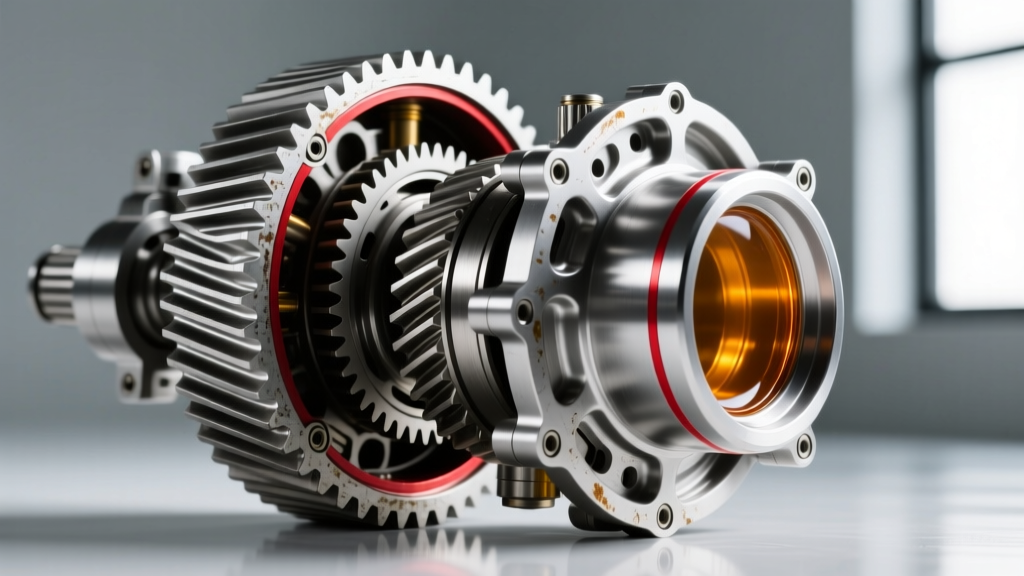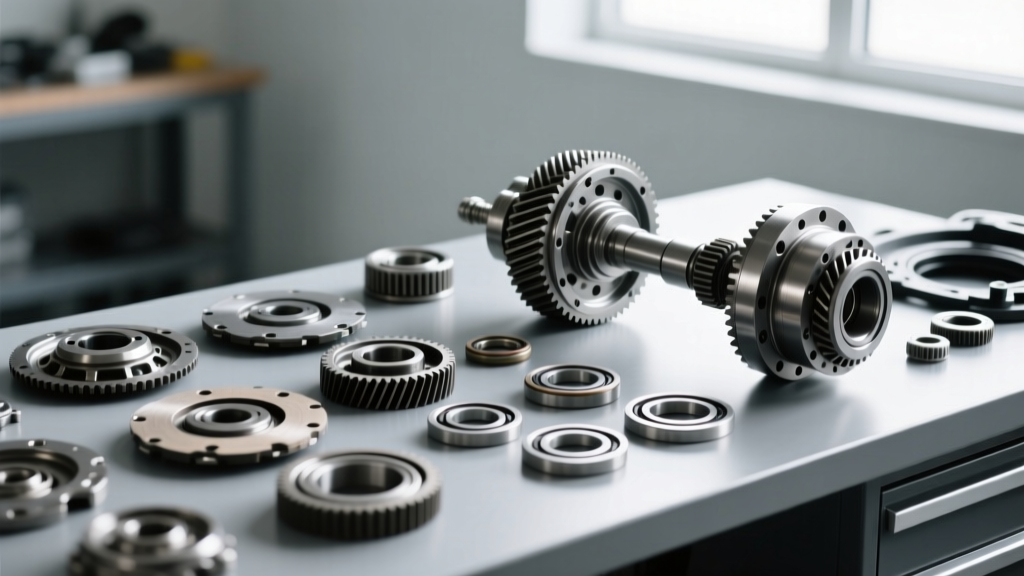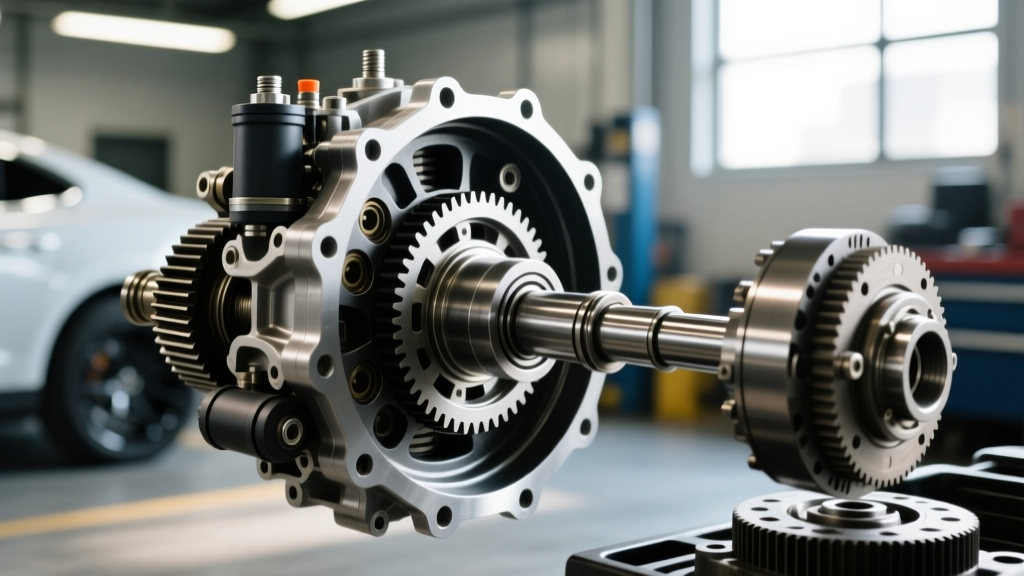
The 2013 F-150 Front Differential: Baseline Architecture and Weak Points
As we navigate the 2026 off-road and overlanding season, a massive number of 12th-generation Ford trucks are crossing the 120,000-mile threshold. For owners focusing on drivetrain longevity and capability, understanding the 2013 F-150 front differential is non-negotiable. Unlike the solid front axles found on heavy-duty Super Duty trucks, the 2013 F-150 4x4 utilizes a Ford 8.8-inch Independent Front Suspension (IFS) differential. This reverse-rotation ring and pinion setup is integrated directly into the front crossmember, balancing on-road ride comfort with moderate off-road trail capability.
While the 8.8 IFS is robust for stock applications, it presents unique maintenance challenges and failure points when subjected to larger tires, aggressive locking differentials, or high-mileage towing. The 31-spline front axle shafts and internal disconnect mechanisms require precise lubrication and careful upgrade paths to prevent catastrophic binding or housing deflection.
Factory Specifications and Limitations
The factory 2013 F-150 front differential typically features a 3.55 or 3.73 gear ratio, optimized for fuel economy and highway cruising. The internal carrier uses standard open-differential spider gears or a factory limited-slip unit depending on the axle code. The primary weakness of this IFS assembly is not the gearset itself, but rather the aluminum differential housing's susceptibility to deflection under extreme torque loads, and the vulnerability of the front pinion seal when operating at lifted ride heights that alter the driveshaft operating angle.
Strategic Fluid Maintenance: Beyond the Owner’s Manual
Most factory maintenance schedules suggest inspecting the front differential fluid every 150,000 miles under "normal" driving conditions. In the real world—where trucks encounter water crossings, heavy towing, and low-speed trail crawling—the fluid degrades significantly faster. The front IFS differential holds approximately 1.7 quarts (1.6 liters) of gear oil. Because the front diff operates at a slightly lower temperature than the rear but is highly susceptible to moisture ingestion through the axle tube vents, synthetic fluid upgrades are critical.
| Fluid Brand & Type | Viscosity | Capacity Required | Best Application | Approx. Cost (2026) |
|---|---|---|---|---|
| Motorcraft Premium Axle Lubricant | 80W-90 | 1.7 Quarts | Stock replacement, highway driving | $12 / qt |
| AMSOIL Severe Gear Synthetic | 75W-90 | 1.7 Quarts | Heavy towing, deep water crossings | $22 / qt |
| Red Line 75W90 Synthetic Gear Oil | 75W-90 | 1.7 Quarts | High-shock off-roading, rock crawling | $24 / qt |
| Lucas Oil Synthetic Racing Gear Oil | 75W-90 | 1.7 Quarts | High-RPM desert running, racing | $18 / qt |
Expert Insight: When upgrading to an aftermarket locking differential in the front IFS, you must use a gear oil formulated without excessive friction modifiers unless specified by the locker manufacturer. Standard limited-slip additives can cause aggressive locking differentials (like the Detroit Locker or certain full-spool setups) to bind during tight steering maneuvers on high-traction surfaces.
The IWE System Caveat: Misdiagnosed Differential Noise
Before tearing into your 2013 F-150 front differential to chase a grinding or whining noise, you must rule out the Integrated Wheel Engagement (IWE) system. The 2013 F-150 uses a vacuum-operated IWE actuator at the front wheel hubs to disconnect the CV axles from the hubs during 2WD operation. F150Forum drivetrain archives are filled with owners who replaced perfectly good front pinion bearings, only to discover the grinding noise was caused by a failing IWE vacuum solenoid or a cracked check valve.
Diagnostic Rule of Thumb: If the grinding noise occurs only in 2WD and disappears or changes pitch when shifted into 4WD, the issue is almost certainly the IWE hub actuator, not the internal differential. If the whine is present in both 2WD and 4WD, and correlates directly with vehicle speed regardless of steering angle, the front differential pinion or carrier bearings are the likely culprits.
Performance Upgrades for the 2013 F-150 Front End
For owners pushing their trucks beyond factory limits, the front differential requires strategic reinforcement. Upgrading traction and gearing must be done with an understanding of the IFS constraints.
Traction Additions: Locking Differentials
Installing a front locker dramatically increases trail capability but multiplies the stress on the IFS CV joints and axle shafts. The ARB Air Locker (Part #RD167) is the premier choice for the 2013 F-150 8.8 IFS (31-spline). Because it remains an open differential until pneumatically engaged, it prevents the severe axle-binding associated with automatic lockers during high-speed desert runs or snowy highway commutes. Expect to spend between $1,100 and $1,300 for the locker kit and compressor installation hardware in 2026.
Gearing for Oversized Tires
If you have moved past 33-inch tires, the factory 3.55 or 3.73 gears will cause the 6-speed (6R80) transmission to hunt for gears and overheat. Regearing the front differential to match the rear is mandatory. Yukon Gear & Axle offers a 4.10 or 4.56 reverse-rotation ring and pinion set specifically for the Ford 8.8 IFS. Regearing costs typically range from $1,200 to $1,600 per axle when performed by a specialist, requiring a master bearing kit and precise pinion depth shimming.
Step-by-Step Front Differential Service Procedure
Servicing the 2013 F-150 front differential requires care due to the tight packaging of the IFS crossmember. Unlike the rear axle, the front diff does not have a traditional bolt-on cover; it features a rear-facing fill plug and a drain plug, though some early IFS models require fluid extraction via a pump if a dedicated drain plug is absent or seized.
- Preparation: Safely lift and support the front of the truck on jack stands. Ensure the chassis is level so the fluid reaches the correct fill mark. Remove the front skid plate (if equipped) using a 13mm or 15mm socket.
- Evacuation: Locate the rear-facing fill plug on the differential housing. Use a 3/8-inch drive ratchet or a 13mm hex socket (depending on the exact casting revision) to remove the plug. If equipped with a lower drain plug, remove it to drain the fluid into a catch pan. If not, use a pneumatic fluid evacuator to suck the old 80W-90 out through the fill hole.
- Inspection: Inspect the magnetic fill plug for excessive metallic shavings. A fine, glitter-like paste is normal for a differential with 80,000+ miles. Chunky metal shards indicate internal bearing or gear failure.
- Refilling: Using a fluid transfer pump, refill the differential with exactly 1.7 quarts of your chosen synthetic 75W-90 gear oil. The fluid is at the correct level when it begins to weep out of the bottom edge of the fill hole.
- Torque and Seal: Clean the fill plug threads. Apply a small amount of PTFE thread sealant if the threads are worn, and torque the fill plug to 22 lb-ft. Wipe down the housing to check for leaks around the pinion seal and axle tube seals.
Fortifying Seals and Breathers
The final, often overlooked aspect of 2013 F-150 front differential maintenance is the axle breather tube. Ford routes the front diff breather high into the engine bay, but the connection point at the differential housing can become brittle and leak. When performing a fluid service, inspect the breather hose. Upgrading to an extended, filtered breather kit (approx. $45) ensures that when the differential housing rapidly cools after a water crossing, it draws in clean, dry air rather than sucking moisture past the pinion seal.
By adhering to a strict 30,000-mile synthetic fluid interval and addressing the IWE system proactively, your 2013 F-150's front differential will reliably transfer torque to the trail for years to come. For more in-depth drivetrain diagnostics, consult the AMSOIL technical bulletins on severe-duty gear lubrication and IFS thermal management.