Architecture of the 2002 Toyota Tundra Rear Differential
When evaluating the drivetrain of the first-generation Tundra, the 2002 Toyota Tundra rear differential stands out for its robust, semi-floating axle design. Depending on the powertrain, Toyota equipped these trucks with either an 8.0-inch (200mm) ring gear for the 3.4L V6 or the much heavier-duty 8.4-inch (213mm) ring gear for the 4.7L 2UZ-FE V8. For owners utilizing the truck for towing, off-roading, or heavy payload hauling, the 8.4-inch axle paired with a factory clutch-type Limited Slip Differential (LSD) is the most common and capable configuration.
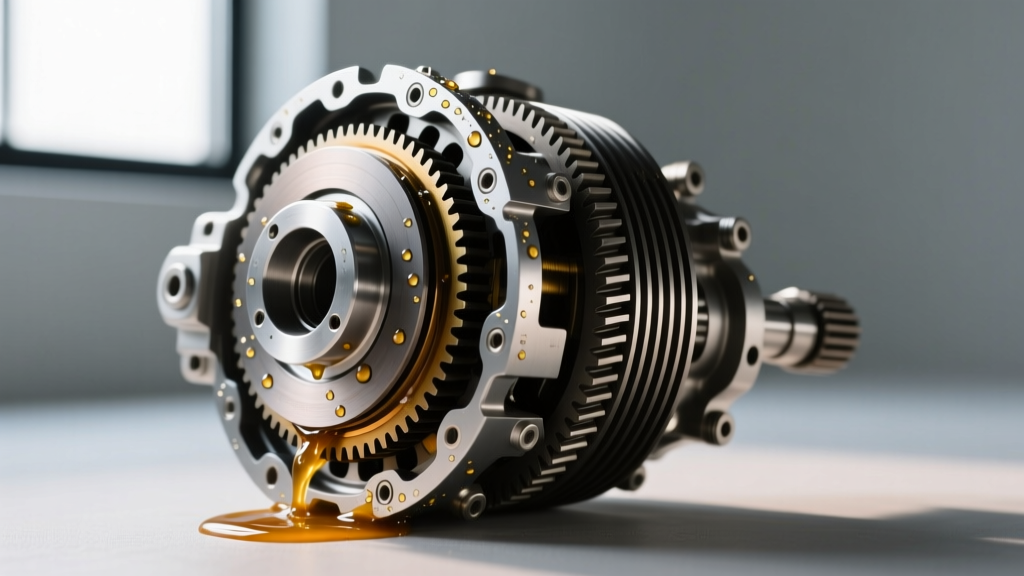
Unlike the Ford 8.8 or GM 10-bolt axles that utilize a stamped steel cover sealed with RTV silicone, the Toyota 8.4-inch axle features a solid cast-iron housing with a drop-out center section (often called a third member). This means there is no differential cover to remove for a fluid service. Instead, the 2002 Toyota Tundra rear differential relies on precision-machined drain and fill plugs located directly on the pumpkin, drastically reducing the risk of post-service leaks and eliminating the need for gasket scraping.
Inside the Toyota Clutch-Type LSD
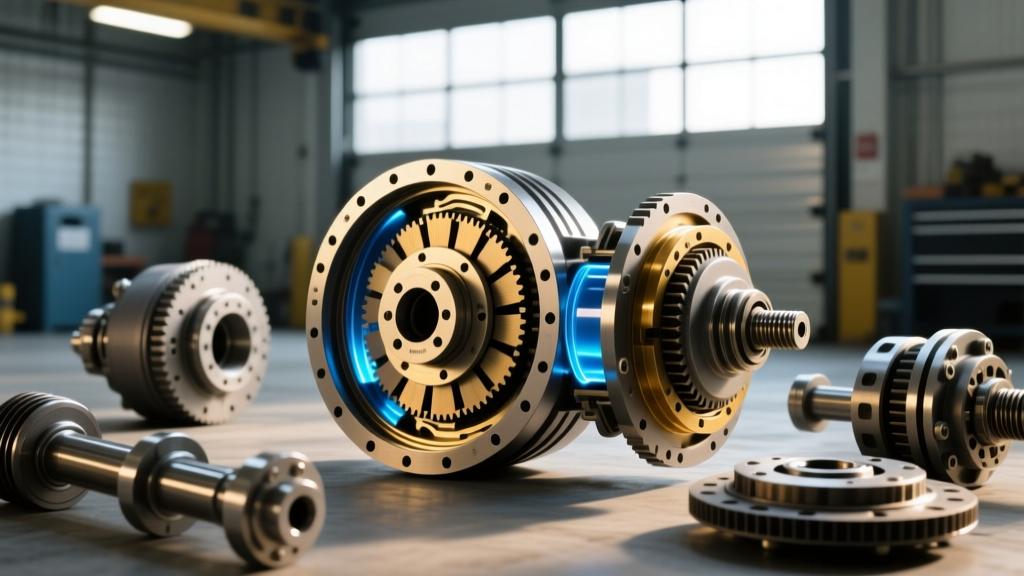
To properly maintain this axle, you must understand the mechanical operation of the clutch-type LSD. The factory Toyota LSD utilizes a multi-plate clutch pack situated between the side gears and the differential carrier.
The Physics of Torque Biasing
- Spider Gears and Thrust: Under normal, straight-line driving, the spider gears and side gears rotate together as a single unit. However, when one wheel loses traction, the resistance difference causes the spider gears to walk on the side gears.
- Axial Loading: This walking motion generates severe axial thrust, pushing the side gear outward against the clutch pack.
- Friction Engagement: The clutch pack consists of alternating steel plates (splined to the carrier) and friction-lined plates (splined to the side gear). The axial thrust clamps these plates together, transferring torque from the slipping wheel to the wheel with traction.
Because this system relies entirely on controlled friction, the chemical composition of your gear oil and the presence of specific friction modifiers are not just recommendations—they are mechanical requirements. Without the correct additive, the static friction coefficient of the clutch plates becomes too high, resulting in violent binding, chatter, and eventual destruction of the friction material.
Fluid Specifications: The Friction Modifier Imperative
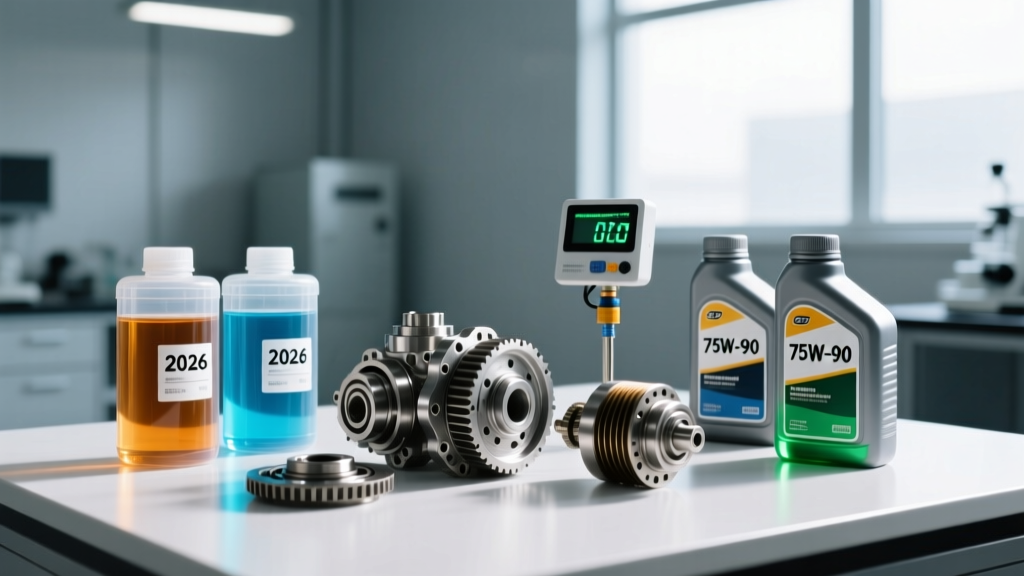
The 2002 Toyota Tundra rear differential requires an API GL-5 rated gear oil. The factory recommendation is typically SAE 80W-90 or 75W-90. However, the GL-5 extreme pressure (EP) additives (usually sulfur-phosphorus compounds) are designed to protect hypoid gear teeth, not to manage clutch pack friction. You must introduce a specialized friction modifier to alter the fluid's shear characteristics.
Approved Fluids and Additives Chart
| Product Category | Specific Recommendation | Friction Modifier Required? | Notes |
|---|---|---|---|
| OEM Toyota Fluid | Toyota Genuine Hypoid Gear Oil (GL-5) | Yes (Add 3-4 oz) | Requires Toyota LSD Additive (Part # 08886-81060) |
| Aftermarket Synthetic | Red Line 75W-90 GL-5 | No (Pre-blended) | Contains built-in friction modifiers for LSDs. Excellent thermal stability. |
| Aftermarket Synthetic | Amsoil Severe Gear 75W-90 | Yes (Add 3-4 oz) | High shear stability; requires aftermarket modifier like Lubegard Limited Slip. |
| Heavy-Duty / Off-Road | Red Line ShockProof Heavy | No (Pre-blended) | Contains suspended solid particles; do not use if your diff has a fluid pump or cooler. |
For a comprehensive breakdown of synthetic gear oil shear stability and thermal breakdown thresholds, refer to the technical data provided by Red Line Oil's gear oil engineering specs. Using a fluid without the correct LSD modifier will cause the clutch packs to stick and release rapidly during low-speed turns, creating a distinct 'chatter' or 'clunking' sensation from the rear axle.
Step-by-Step Drain and Fill Service Guide
Servicing the 2002 Toyota Tundra rear differential is straightforward but requires specific tools and adherence to torque specifications to prevent stripping the aluminum threads on the carrier housing.
Required Tools and Materials
- 24mm Socket and 1/2-inch Drive Torque Wrench
- Fluid Transfer Pump
- 3.4 Quarts (3.2 Liters) of 75W-90 or 80W-90 GL-5 Gear Oil
- Toyota LSD Friction Modifier (or equivalent)
- Crush Washers (Optional but recommended for the drain plug)
The Service Procedure
- Preparation: Drive the truck for 10-15 minutes to bring the differential fluid up to operating temperature. Warm fluid drains faster and carries more suspended metallic particulates out of the housing.
- Remove Fill Plug First: Locate the fill plug on the side of the differential pumpkin. Use your 24mm socket to break it loose. Critical Warning: Always remove the fill plug before the drain plug. If the drain plug is removed first and the fill plug is seized, the truck is stranded without fluid.
- Drain the Housing: Place a catch pan rated for at least 4 quarts beneath the axle. Remove the bottom 24mm drain plug. Allow the fluid to drain completely (approx. 15 minutes).
- Inspect the Magnetic Plug: The factory drain plug is magnetic. A fine, grey metallic paste is normal wear from the hypoid ring and pinion gears. However, if you find large metal shards, chunks of bronze (from the spider gear washers), or pieces of friction material, the LSD requires a teardown and rebuild.
- Reinstall Drain Plug: Clean the magnet, apply a new crush washer if available, and reinstall the drain plug. Torque to 36 lb-ft (49 Nm).
- Add Friction Modifier: Pour 3 to 4 ounces of LSD friction modifier directly into the fill hole using a small funnel and tubing.
- Pump in Gear Oil: Using a transfer pump, fill the differential with GL-5 gear oil until the fluid level is exactly flush with the bottom of the fill hole and begins to weep out. Total capacity is approximately 3.4 quarts.
- Reinstall Fill Plug: Reinstall the fill plug and torque to 36 lb-ft (49 Nm).
Diagnosing LSD Chatter and Bearing Whine
Post-service diagnosis is vital to ensure the friction modifier has fully penetrated the clutch packs. Drive the truck to an empty parking lot and perform tight, low-speed 'figure-8' maneuvers. If you feel a rhythmic binding or hear a chirping noise from the rear tires, the clutch packs are chattering. The fix is to add an additional 1 to 2 ounces of friction modifier and repeat the figure-8 test. It is better to slightly over-modify the fluid (which results in a smoother, slightly more open differential feel) than to under-modify it, which guarantees clutch plate glazing and failure.
Conversely, if you hear a howling or whining noise that changes pitch based on vehicle speed and load (e.g., whines on deceleration but goes quiet on acceleration), the issue is not the LSD clutch packs. This is the classic symptom of a failing pinion bearing or improper ring-and-pinion backlash. For in-depth diagnostics on hypoid gear wear patterns and bearing preload adjustments, consult the axle assembly guides at Ring-Pinion.com.
Rebuild Economics and Part Sourcing
If the internal inspection reveals destroyed friction plates or scored side gears, a fluid change will not save the unit. Rebuilding the Toyota 8.4-inch LSD requires pressing the bearings off the carrier, replacing the clutch pack, and resetting the gear backlash using a dial indicator.
- Master Rebuild Kit: Brands like Yukon Gear or Motive Gear offer master kits (including Timken bearings, seals, and a new clutch pack) ranging from $250 to $350.
- Machine Shop / Driveline Specialist Labor: Expect to pay between $450 and $700 for professional teardown, backlash setup, and bearing pre-load calibration.
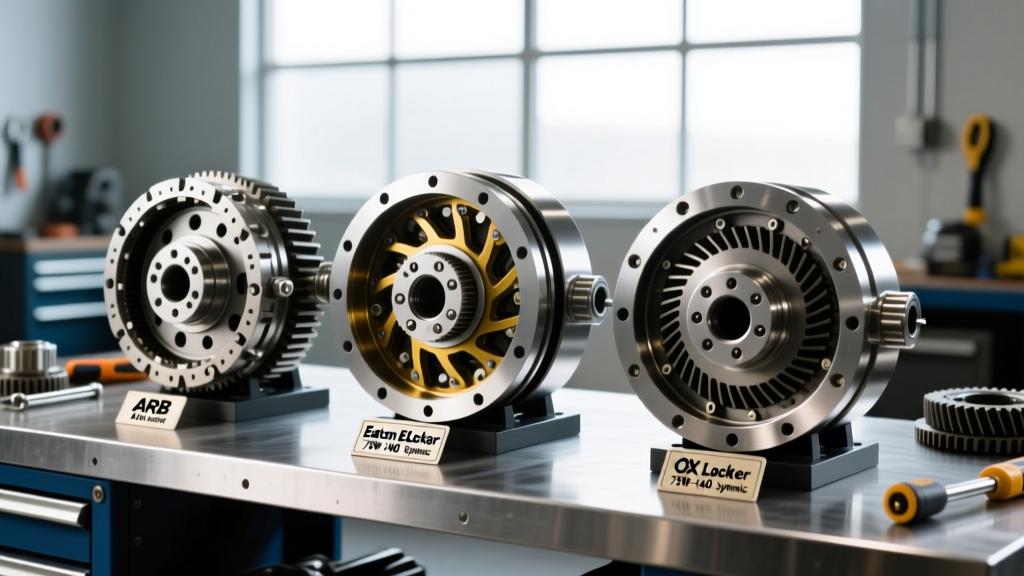
- OEM Replacement Carrier: If the carrier itself is scored, sourcing a new OEM Toyota LSD carrier can exceed $600, making an aftermarket locking differential (like an Eaton Detroit Locker or ARB Air Locker) a more cost-effective and capable upgrade for off-road Tundra builds.
By adhering to strict fluid specifications, utilizing the correct friction modifiers, and respecting the precise torque specs of the 2002 Toyota Tundra rear differential, owners can easily extract 200,000+ miles of reliable, traction-biasing performance from this legendary axle platform.