The Core Function of Your Auto Differential
When evaluating drivetrain upgrades or planning a routine axle service, understanding the mechanics of your auto differential is paramount. The differential's primary job is to split engine torque from the driveshaft and route it to the left and right axle shafts while allowing the outside wheel to rotate faster than the inside wheel during a turn. However, not all differentials manage this torque split equally. For daily drivers, weekend off-roaders, and track enthusiasts, the debate between an open differential and a limited slip differential (LSD) dictates everything from straight-line traction to the specific chemical composition of the gear oil required to keep the unit alive.
Open Differentials: The Path of Least Resistance
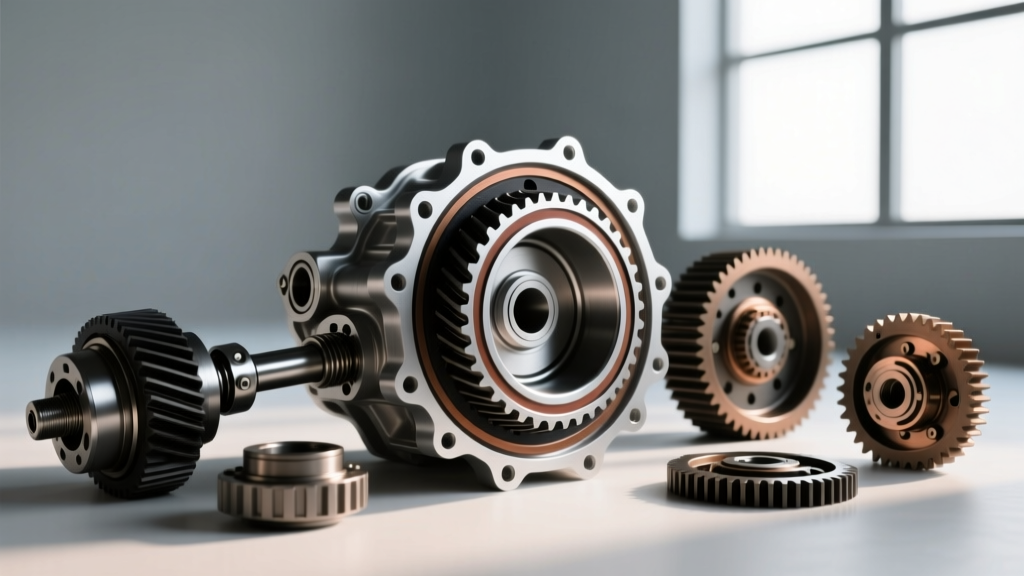
The open differential is the most common and cost-effective design found in factory passenger vehicles and light-duty trucks. Inside the carrier, a set of spider gears (pinion gears) meshes with two side gears connected to the axle shafts. When driving straight, the spider gears remain stationary, turning the carrier and side gears as a single unit. When cornering, the spider gears rotate on their cross pins, accommodating the speed difference between the left and right wheels.
The Traction Limitation
The fatal flaw of the open auto differential is its reliance on the path of least resistance. Torque is always distributed equally, but if one wheel loses traction (e.g., resting on ice or mud), the torque applied to the wheel with grip is limited to the negligible amount required to spin the slipping wheel. The result? A one-wheel peel and a stranded vehicle. From a maintenance perspective, open differentials are incredibly robust and forgiving regarding fluid choice, typically requiring only a standard API GL-5 75W-90 synthetic gear oil without specialized additives.
Limited Slip Differentials (LSD): Traction on Demand
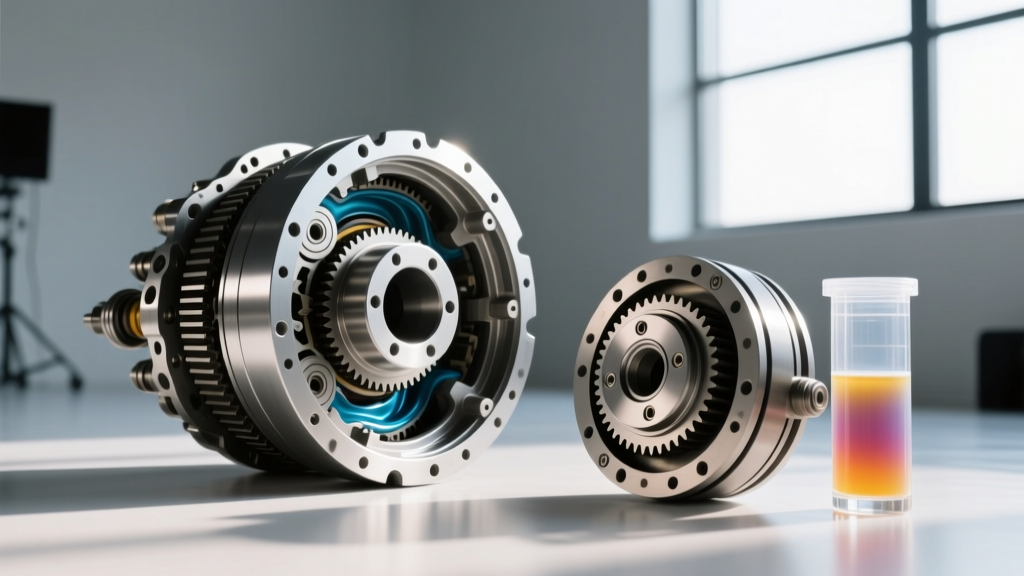
To counteract the open differential's traction deficits, engineers developed the limited slip differential. LSDs utilize internal mechanisms to bias torque toward the wheel with the most grip. According to drivetrain experts at Eaton, modern LSDs generally fall into two distinct mechanical categories: clutch-type and helical gear-type.
Clutch-Type LSDs (e.g., Eaton Posi, Auburn Gear)
Clutch-type differentials use a series of alternating friction and steel clutch packs positioned between the side gears and the carrier. Heavy preload springs or cone clutches force these packs together. When one wheel begins to slip, the binding friction of the clutch packs forces the opposite wheel to turn, transferring torque across the axle. While highly effective for drag racing and heavy towing, clutch-type LSDs are wear items; the friction material degrades over time, necessitating carrier rebuilds every 80,000 to 120,000 miles depending on abuse.
Helical Gear-Type LSDs (e.g., Detroit Truetrac)
Helical LSDs operate entirely on gear geometry rather than friction clutches. Under normal conditions, they act like an open differential. When slip is detected, the helical cut of the side and pinion gears creates a thrust load that wedges the gears against the carrier housing, multiplying torque to the high-traction wheel (often expressed as a torque bias ratio, such as 3.5:1). Because they lack wearable clutch packs, helical units are virtually maintenance-free and are the preferred choice for modern off-road and performance applications.
The Tribology of Differential Fluid: Why Chemistry Matters
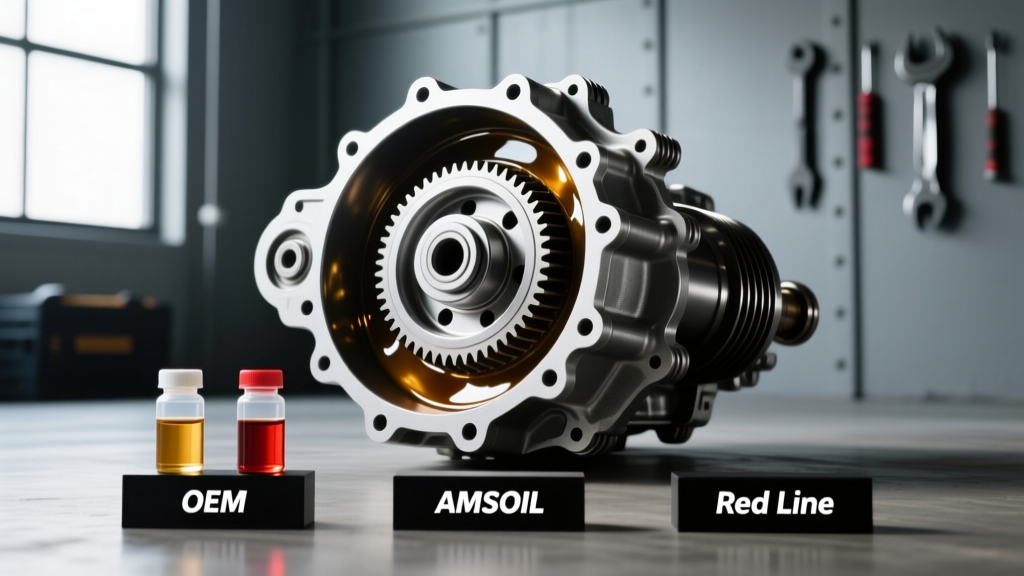
Because this guide focuses heavily on the intersection of mechanical design and differential fluid maintenance, we must address the chemical reality of gear oil. The type of auto differential you choose directly dictates your fluid maintenance schedule and additive requirements.
- Open Differentials: Require standard API GL-5 gear oil (e.g., Mobil 1 Synthetic 75W-90). The extreme pressure (EP) additives in GL-5 protect the hypoid ring and pinion gears from wiping under high sliding loads. Capacity for a standard Ford 8.8-inch rear end is approximately 2.5 quarts.
- Clutch-Type LSDs: Mandate the use of a specialized friction modifier additive (such as GM ACDelco 10-9004 or Ford XL-3). Without these long-chain polar molecules bonding to the clutch plates, the clutches will stick and release rapidly during low-speed cornering, causing a violent vibration known as 'chatter' that will destroy the clutch packs and side gear splines.
- Helical LSDs: Do not require friction modifiers, as they rely on gear wedging rather than clutch friction. Using a friction modifier in a Truetrac will not harm the unit, but it is an unnecessary expense. High-quality synthetics like AMSOIL Severe Gear 75W-90 provide the necessary film strength for the intense localized pressures of helical gear thrust loads.
Head-to-Head Comparison Chart
| Feature | Open Differential | Clutch-Type LSD | Helical LSD (Truetrac) |
|---|---|---|---|
| Low-Traction Performance | Poor (One-wheel spin) | Excellent | Very Good (Requires some wheel speed differential to engage) |
| Fluid Requirement | Standard GL-5 75W-90 | GL-5 + Friction Modifier | Standard GL-5 75W-90 or 75W-140 |
| Maintenance Interval | 60,000 - 100,000 miles | 30,000 - 50,000 miles (Clutch wear) | 60,000 - 100,000 miles (Gear wear) |
| Rebuild Complexity | Low (Bearings and seals) | High (Clutch pack shimming and preload) | Medium (Bearing and gear setup) |
| Average Unit Cost (2026) | $150 - $250 (OEM Replacement) | $450 - $650 (e.g., Eaton Posi) | $600 - $850 (e.g., Detroit Truetrac) |
Real-World Rebuild Specifications and Torque Data
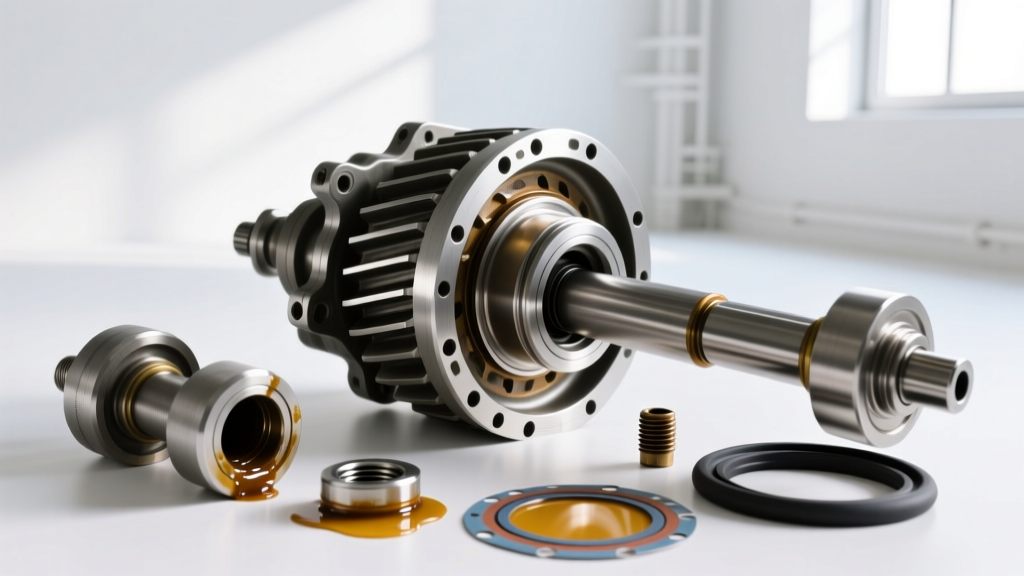
Upgrading or servicing your auto differential requires strict adherence to torque specifications and setup procedures. Sourced from industry-standard drivetrain manuals and suppliers like Ring-Pinion.com, here are the critical specs for two of the most common axle housings in North America:
Ford 8.8-Inch Rear Axle (Common in F-150, Mustang, Explorer)
- Fluid Capacity: 2.5 to 2.8 quarts (depending on cover depth).
- Upgrading to LSD: The Eaton Posi (Part # 19556-010 for 31-spline) is a direct drop-in for 3.55 and 3.73 gear ratios.
- Ring Gear Bolts: 70-85 lb-ft. Must be cleaned with brake cleaner and secured with Loctite 242 (Blue).
- Differential Cover Bolts: 28-38 lb-ft. Do not overtighten, as the thin stamped steel cover will warp and leak.
- Carrier Bearing Preload: 0.005 to 0.008 inches of shim compression is required to ensure the LSD engages properly without binding.
GM 8.5-Inch 10-Bolt (Common in Silverado, Camaro, Tahoe)
- Fluid Capacity: 2.1 quarts.
- Upgrading to LSD: The Detroit Truetrac (Part # 911A474 for 30-spline) is the premier choice for towing and daily driving.
- Pinion Nut Torque: 200-250 lb-ft (crush sleeve type). Always use a new crush sleeve and pinion nut when resetting pinion bearing preload.
- Backlash Specification: 0.006 to 0.010 inches, measured at three distinct points on the ring gear using a dial indicator.
Final Verdict: Which Setup Belongs in Your Axle Housing?
Choosing the right auto differential comes down to your specific use case and willingness to adhere to specialized fluid maintenance routines. If your vehicle is strictly a highway commuter or a light-duty tow rig operating primarily on paved surfaces, an open differential remains a reliable, low-maintenance choice that requires nothing more than standard 75W-90 GL-5 fluid changes every 60,000 miles.
However, if you frequently encounter snow, mud, boat ramps, or require maximum launch traction, upgrading to a limited slip differential is mandatory. For pure drag racing or rock crawling where smooth, predictable lock-up is required, a clutch-type LSD is ideal, provided you strictly maintain the fluid with high-quality friction modifiers to prevent chatter. For the ultimate 'set-it-and-forget-it' upgrade for daily drivers, overlanders, and tow rigs, a helical LSD like the Truetrac offers the best compromise: massive traction improvements without the burden of specialized friction modifiers or wearable clutch packs. Regardless of your choice, always verify your exact fluid capacity, utilize a torque wrench for all housing and ring gear fasteners, and never skip the break-in procedure for new ring and pinion gearsets.