The Critical Role of Center Differentials in Modern AWD Systems
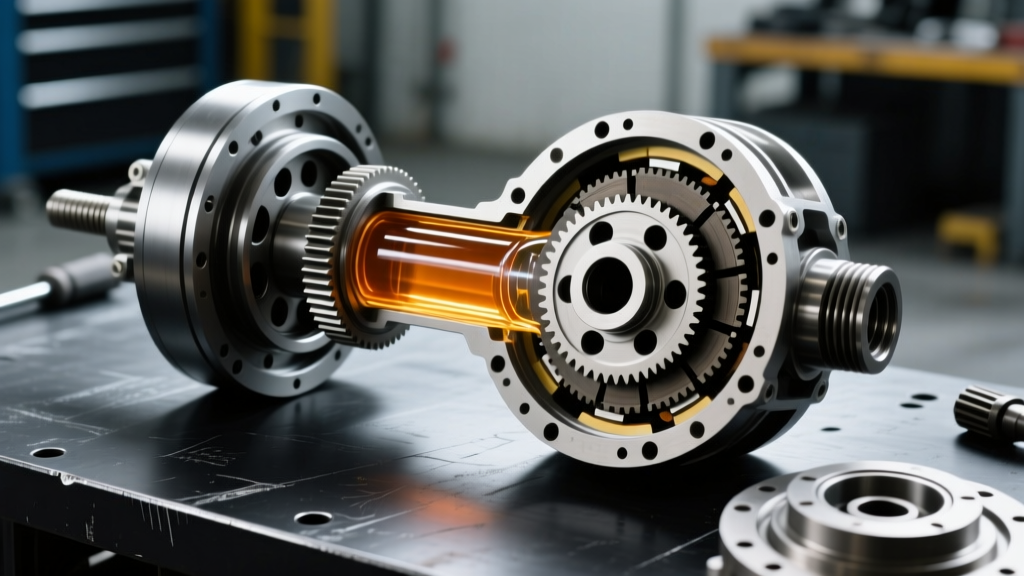
When enthusiasts and daily drivers ask, "does differential fluid go bad?" the conversation usually revolves around the front or rear axles. However, in All-Wheel-Drive (AWD) vehicles, the center differential is the unsung hero managing torque split between the front and rear axles. As we navigate the 2026 automotive landscape, AWD systems are subjected to higher thermal loads and tighter packaging constraints than ever before. The short answer to whether center diff fluid degrades is an emphatic yes—but the failure modes, chemical breakdown processes, and resulting symptoms vary wildly depending on whether your vehicle utilizes a Haldex clutch pack, a Torsen gear-driven unit, or a viscous coupling.
Unlike an open rear differential that simply allows wheels to spin at different speeds during a turn, a center differential must constantly manage slip and torque transfer across varying traction surfaces. This results in immense shear stress on the lubricant. Understanding how this fluid degrades is the first step in diagnosing drivetrain binding, shuddering, and catastrophic transfer case failure.
The Chemistry of Degradation: Why Center Diff Fluid Fails
Center differential fluids are typically formulated with synthetic base stocks (like Polyalphaolefins or Esters) and fortified with Extreme Pressure (EP) additives, primarily Zinc dialkyldithiophosphate (ZDDP) and Phosphorus/Sulfur compounds. Over time, three distinct degradation mechanisms occur:
- Shear Thinning: The mechanical churning of clutch packs or worm gears physically tears the long-chain polymer molecules in the fluid, reducing its viscosity and its ability to maintain a protective hydrodynamic film.
- Thermal Oxidation: Center diffs are often located near the exhaust or catalytic converters. Prolonged exposure to high ambient heat causes the base oil to oxidize, forming varnish and sludge that clogs microscopic fluid passages.
- Friction Modifier Depletion: In clutch-based systems, the additives that ensure smooth clutch engagement are consumed over time. Once depleted, the clutches begin to chatter, bind, and eventually weld together.
Symptom Diagnosis Matrix: AWD Center Diff Troubleshooting
Diagnosing a failing center differential requires isolating the symptom from the specific AWD architecture. Use the table below to cross-reference your vehicle's behavior with the likely fluid state.
| AWD System Type | Primary Symptom of Bad Fluid | Fluid State / Failure Mode | OEM Fluid Specification |
|---|---|---|---|
| Haldex (Gen 4 / Gen 5) | AWD system disengagement; "AWD Malfunction" dash light; rear wheelspin under hard acceleration. | Clutch pack material contaminates the pump strainer; fluid turns dark brown and smells burnt. | G 060 175 A2 (Gen 5) |
| Torsen Type C (Gear-Driven) | Whining under load; binding or hopping during tight, low-speed parking maneuvers. | EP additive depletion leads to micro-pitting on worm gears; loss of shear stability. | 75W-90 API GL-5 |
| Viscous Coupling (Sealed) | High-speed drivetrain shudder; "hump" phenomenon during prolonged slip events. | Internal silicone fluid shear-thins (Note: Sealed unit, but surrounding transfer case fluid degrades). | Dexron III / Specific LSD ATF |
System-Specific Deep Dives and Real-World Troubleshooting
Haldex Gen 4 & Gen 5 (VW Golf R, Audi S3, Volvo AWD)
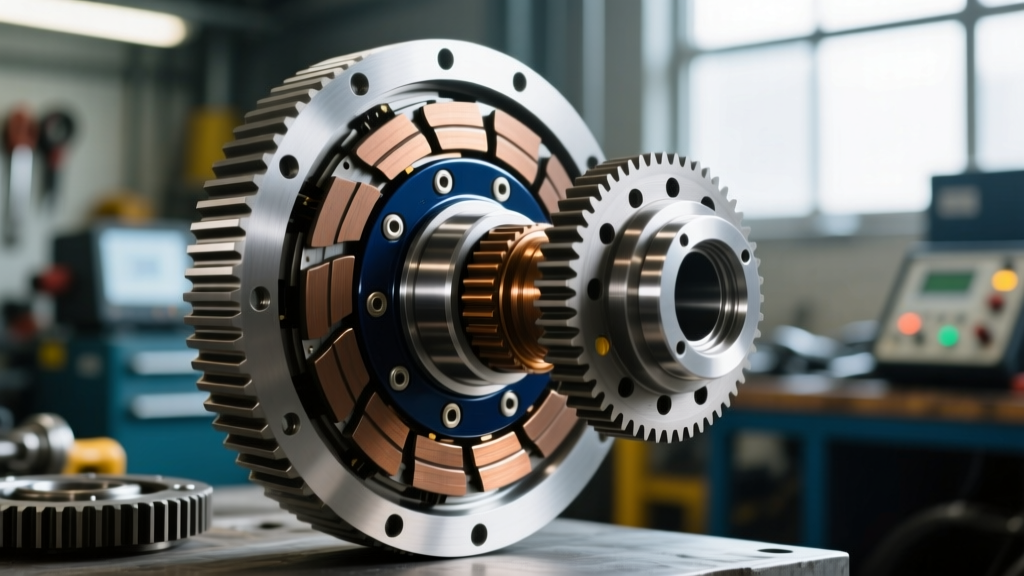
The Haldex system relies on a wet multi-plate clutch pack actuated by an electro-hydraulic pump. The most common misconception is that the Haldex unit is "sealed for life." In reality, the clutch material naturally sheds microscopic fibers during normal operation. In Gen 4 systems, a traditional paper filter catches this debris. However, Gen 5 systems (prevalent in most 2015-2026 VAG AWD models) eliminated the traditional filter in favor of a simple mesh strainer attached directly to the pump.
The Diagnosis: If your Gen 5 Haldex-equipped vehicle exhibits a delay in rear-axle engagement or throws an AWD fault code, the fluid hasn't just gone bad—it has turned into an abrasive sludge that is choking the pump strainer.
The Fix: Drain the unit (capacity is typically 650ml to 850ml). Remove the pump (secured by four T30 Torx bolts, torqued to 15 Nm). Clean the strainer with brake cleaner, and refill exclusively with OEM G 060 175 A2 fluid. Using standard 75W-90 gear oil here will destroy the clutch pack friction modifiers within 500 miles.
Torsen Type C (Audi Quattro, Subaru WRX STI)
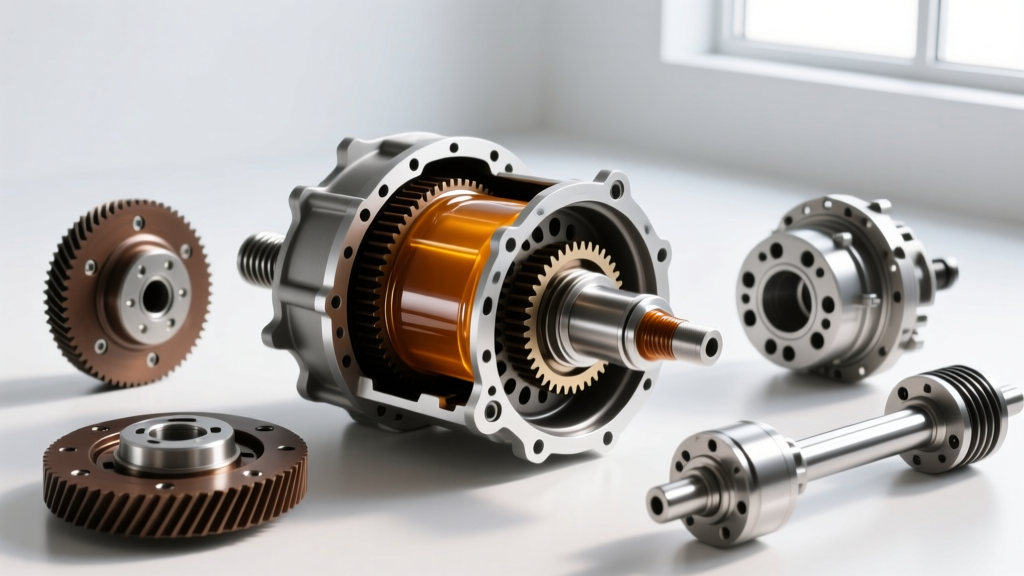
Torsen (Torque-Sensing) center differentials are purely mechanical, gear-driven units. They do not contain clutch packs, which leads many owners to believe the fluid doesn't need frequent changes. However, the complex helical and worm gear sets rely heavily on the sulfur-phosphorus EP additives found in API GL-5 certified lubricants to prevent metal-on-metal welding under extreme torque loads.
The Diagnosis: A Torsen center diff with degraded fluid will exhibit a distinct "hopping" or binding sensation when turning sharply in a parking lot, mimicking a locked differential. You may also hear a high-pitched whine from the center console area under heavy highway acceleration.
The Fix: Perform a drain and fill using a high-quality synthetic 75W-90 GL-5, such as Motul Gear 300 75W-90. Ensure the drain and fill plugs are reinstalled with new crush washers and torqued to 25 Nm. If the hopping persists after a fluid change with the correct friction-modifier additive, the worm gears have likely suffered irreversible pitting.
Viscous Limited-Slip Center Diffs (Subaru Manual, Older Honda/Acura)
Viscous couplings use a silicone-based fluid sealed inside a drum containing interleaved plates. When a speed differential occurs, the fluid shears, heats up, and expands, locking the plates together. While the internal silicone fluid is technically sealed and non-serviceable, the outer transfer case housing that contains the viscous coupling requires its own lubrication bath.
The Diagnosis: If the outer transfer case fluid degrades, you will hear gear whine and experience bearing wear. If the internal viscous coupling fails (often due to age-related seal leaks or extreme overheating from driving with mismatched tire tread depths), the AWD system will either act purely as FWD/RWD or lock up entirely, causing severe drivetrain wind-up.
The Fix: Service the outer transfer case with the manufacturer-specified ATF or hypoid gear oil (e.g., Subaru Extra-AT). If the internal viscous unit is locked, the entire center diff assembly must be replaced, as they are not rebuildable.
Step-by-Step Diagnostic Protocol for Mechanics
When a customer complains of AWD driveline shudder, follow this protocol before recommending a $2,500 transfer case replacement:
- Tire Circumference Check: Measure all four tires with a stagger gauge. A variance greater than 2/32" in tread depth (or roughly 1/4 inch in circumference) will force the center diff to constantly slip, generating enough heat to cook the fluid in under 1,000 miles.
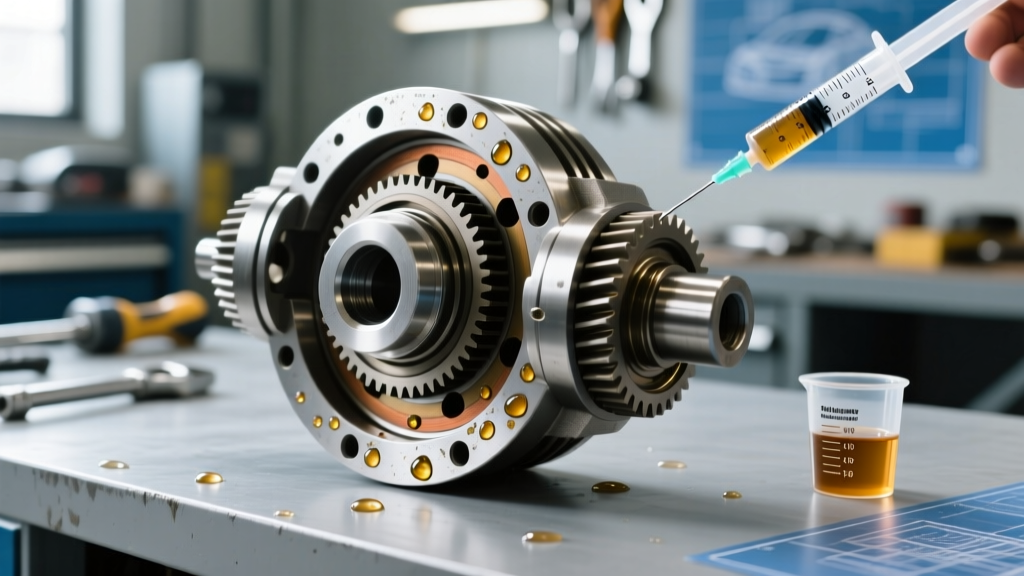
- Fluid Sampling: Extract 50ml of center diff fluid via the fill plug using a syringe.
- Normal: Amber or dark brown, translucent, mild sulfur smell.
- Abnormal (Clutch): Opaque black, smells like burnt toast, visible lint.
- Abnormal (Gear): Sparkling glitter (fine ferrous metals) indicating gear pitting or bearing failure.
- Dynamic Load Test: Perform figure-eight maneuvers on a damp asphalt surface. If the binding is fluid-related (depleted friction modifiers), the shudder will often temporarily improve after the fluid cools down, whereas mechanical damage will bind consistently regardless of temperature.
Replacement Intervals and Real-World Costs
Ignoring center differential maintenance is a false economy. Based on current 2026 dealership and independent shop labor rates, here is what you can expect to pay for preventative maintenance versus catastrophic failure:
- Haldex Gen 5 Service (Every 20,000 - 30,000 miles): $150 - $250 (Includes OEM fluid, pump strainer cleaning, and labor).
- Torsen Center Diff Drain & Fill (Every 30,000 - 60,000 miles): $120 - $180 (Requires roughly 1.5 to 2.0 quarts of 75W-90 GL-5).
- Complete Haldex Pump & Coupling Replacement (Due to Neglect): $1,800 - $3,200 (Parts and labor, varying by VAG model).
- Subaru/Torsen Center Diff Rebuild or Replacement: $2,500 - $4,500.
For deeper insights into AWD coupling mechanics and lubrication requirements, refer to the engineering overviews provided by Haldex AWD Systems. Ultimately, center differential fluid absolutely goes bad, and recognizing the nuanced symptoms of degradation is the key to preserving your vehicle's all-weather capability and drivetrain longevity.