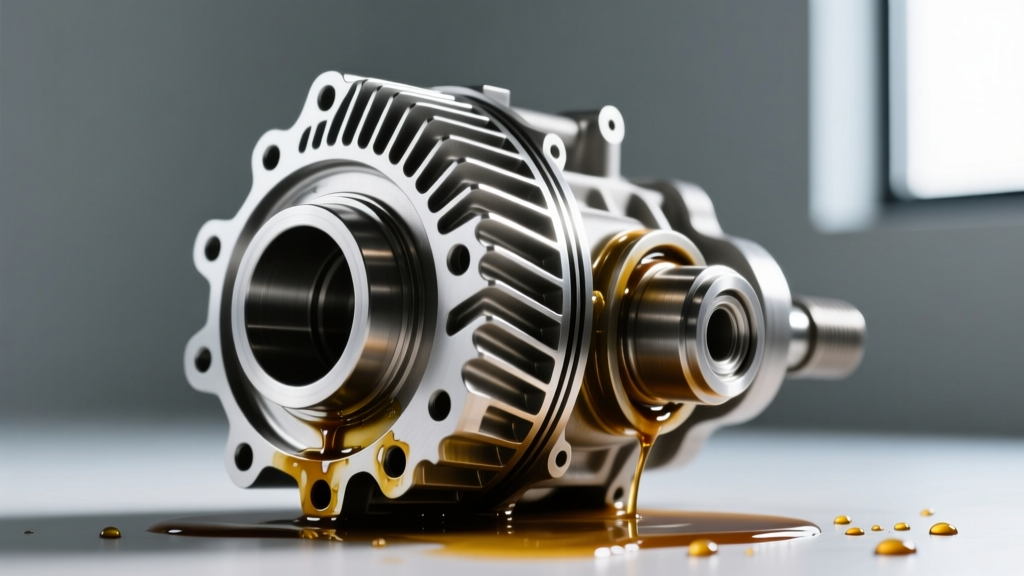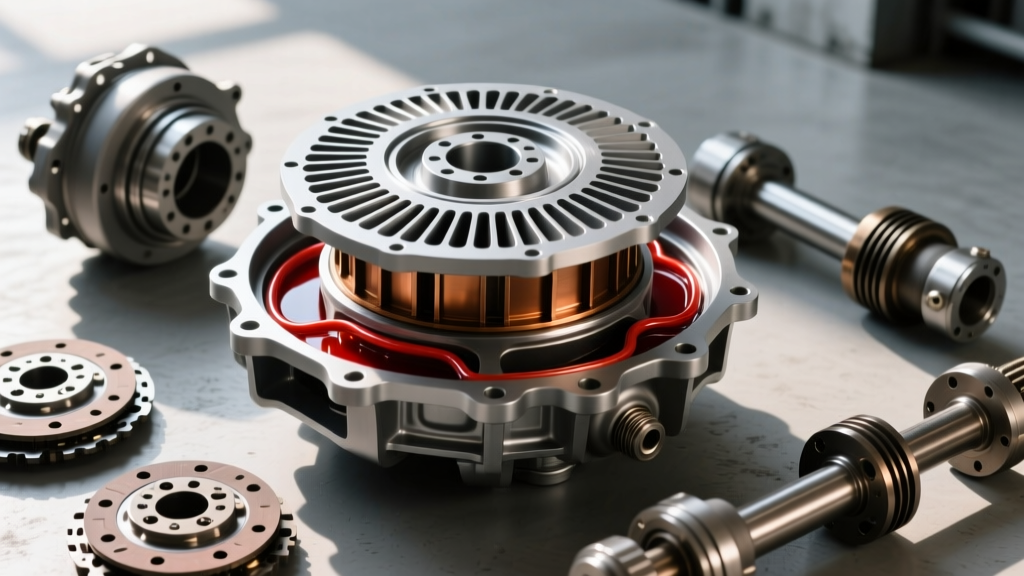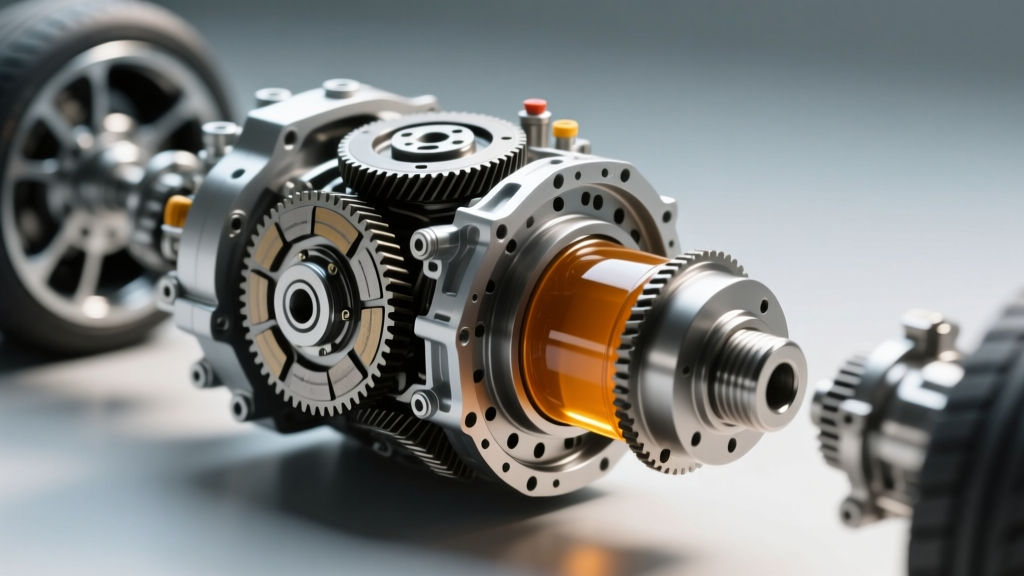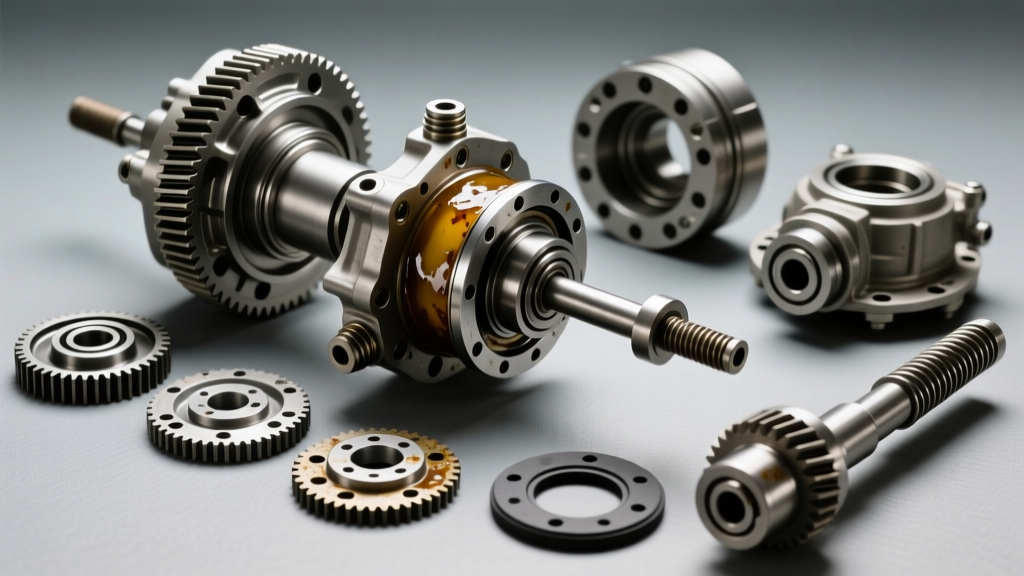
Introduction to Ford 8.8 and 9.75 Axle Rebuilds
Rebuilding the rear axle on a 2011-2014 generation Ford F-150 is a precision undertaking that separates amateur mechanics from seasoned drivetrain specialists. Whether your truck is equipped with the ubiquitous Ford 8.8-inch semi-floating axle or the heavy-duty 9.75-inch 10-bolt rear end, the fundamental geometry of hypoid ring and pinion gears remains unforgiving of errors. A rebuild is rarely just about swapping bearings; it requires meticulous measurement of pinion depth, carrier backlash, and bearing preload. Furthermore, the longevity of your freshly rebuilt differential hinges entirely on the final step: selecting the correct lubricant. In this comprehensive step-by-step guide, we will walk through the complete teardown, setup, and reassembly process, while specifically addressing how to identify and apply the proper 2014 F150 rear differential fluid type to guarantee a successful break-in period.
Phase 1: Teardown and Core Inspection
Before you can set new gears, you must understand the baseline wear of your axle housing. Begin by safely supporting the truck on jack stands and draining the existing gear oil. Remove the rear brake calipers, rotors, and the ABS sensor wiring to prevent damage during axle shaft extraction.
- 8.8-Inch Axle: Remove the differential cover, rotate the carrier until the C-clip access window is visible, push the axle shaft inward, and extract the C-clips using a magnetic pick-up tool.
- 9.75-Inch Axle: The procedure is nearly identical, but the carrier window is larger, and the C-clips are significantly thicker to handle the increased torque load of the 5.0L and 3.5L EcoBoost towing packages.
Once the axle shafts are removed, unbolt the bearing caps. Critical Step: Always mark the bearing caps and their respective sides (left/right, top/bottom) with a brass punch. Ford's 8.8 and 9.75 housings are line-bored from the factory with the caps torqued in place. Mixing them up will result in severe carrier bearing misalignment and immediate gear failure.
Phase 2: Setting Pinion Depth and Bearing Preload
The most common point of failure in a DIY differential rebuild is improper pinion depth. The pinion gear must be positioned at an exact distance relative to the ring gear centerline. This is measured in thousandths of an inch and adjusted via shims placed beneath the inner pinion bearing cup.
We highly recommend utilizing a Yukon Gear or Motive Gear pinion depth setting tool rather than relying on the 'trial and error' method with the pinion nut. Measure your original pinion shim thickness, cross-reference the etching on the face of your new pinion gear (e.g., '+2' or '-1'), and calculate the required shim stack.
The Crush Sleeve Eliminator Upgrade
From the factory, Ford uses a crush sleeve to set pinion bearing preload. While cheap to manufacture, crush sleeves are notorious for loosening under the heavy towing and thermal cycling typical of F-150 ownership. During your rebuild, discard the crush sleeve and install a Solid Spacer Eliminator Kit (Part number equivalent: F8.8-SOLID). This kit uses a machined steel spacer and a precision shim stack to set preload. It allows you to torque the pinion nut to a massive 250 ft-lbs without fear of over-crushing the sleeve, effectively bulletproofing the pinion bearings against deflection.
Phase 3: Ring Gear Mounting and Backlash Adjustment
Press the new carrier bearings onto the differential case using a hydraulic press and the appropriate bearing race protector. Bolt the ring gear to the case using new Grade 10.9 ring gear bolts. Apply a medium-strength threadlocker (Loctite 243) to the threads and torque them in a crisscross pattern to 85 ft-lbs.
Reinstall the carrier into the housing with your marked bearing caps. Backlash—the amount of rotational 'slop' between the ring and pinion gears before they make contact—must be set between 0.006 and 0.010 inches for street-driven F-150s. Use a magnetic dial indicator mounted to the axle tube to measure this. Adjust the backlash by swapping the carrier side shims located behind the carrier bearings. If backlash is too tight, move shim thickness from the ring gear side to the opposite side. If it is too loose, do the reverse.
Differential Rebuild Torque and Clearance Specifications
| Component | Specification / Torque | Notes & Best Practices |
|---|---|---|
| Ring Gear Bolts | 85 ft-lbs | Apply Loctite 243; use new bolts only. |
| Bearing Cap Bolts | 85 ft-lbs (8.8) / 110 ft-lbs (9.75) | Ensure cap alignment marks match housing. |
| Pinion Nut (Solid Spacer) | 180 - 250 ft-lbs | Torque until pinion rotational drag reaches 18-24 in-lbs. |
| Carrier Backlash | 0.006' - 0.010' | Measure at 3 equidistant points on the ring gear. |
| Differential Cover Bolts | 25 - 30 ft-lbs | Use RTV silicone or a high-quality cork/rubber gasket. |
Phase 4: Selecting the 2014 F150 Rear Differential Fluid Type
With the gears patterned, backlash verified, and the housing sealed, you must address the lifeblood of the axle. Determining the correct 2014 F150 rear differential fluid type is not a matter of guessing; it requires adhering to Ford's specific engineering tolerances for hypoid gear sliding friction and thermal stability.
For standard duty cycles, Ford originally specified a 75W-90 Synthetic Gear Oil meeting the WSD-M2C192-A specification. However, if your 2014 F-150 is equipped with the Max Trailer Tow Package, the Heavy Duty Payload Package, or if you regularly tow loads exceeding 5,000 lbs, you must step up to a 75W-140 Full Synthetic Gear Oil (Ford Spec WSL-M2C192-A). The thicker 140-weight film prevents metal-on-metal contact when the differential casing temperatures exceed 220°F under heavy load.
The Friction Modifier Imperative
If your truck is equipped with an electronic locking rear differential (eLocker) or a Traction-Lok mechanical limited-slip differential (LSD), the fluid type is only half the equation. You must add 4 oz of Motorcraft XL-3 Friction Modifier (Part# EST-M2C118-A) to the gear oil. Failing to add this modifier will result in severe 'chatter' or 'binding' during low-speed cornering, which can physically shatter the ceramic clutch packs inside the LSD carrier within a few hundred miles.
Expert Tip: The Ford 8.8-inch axle requires approximately 2.5 to 3.0 pints of fluid, while the 9.75-inch axle requires 3.5 to 4.0 pints. Fill until the fluid level is exactly even with the bottom of the fill plug hole. Do not overfill, as thermal expansion will blow out the axle seals.
Phase 5: The 500-Mile Break-In Protocol
Even with perfect setup and the exact 2014 F150 rear differential fluid type, a rebuilt differential will generate immense internal heat during its first few hundred miles as the microscopic high spots on the ring and pinion gears wear into their final mating pattern. Follow this strict break-in protocol to prevent burning the new synthetic gear oil and warping the carrier:
- Miles 0-50: Drive under 45 MPH. Avoid heavy acceleration and hard braking. No towing.
- Miles 50-200: Vary your speed between 30 and 55 MPH. Coast down from speed frequently to allow the gear oil to splash and cool the pinion bearings.
- Mile 200: Stop and let the axle cool completely. Physically touch the differential cover; if it is too hot to keep your hand on for 5 seconds, your pinion preload is too tight, and the axle must be drained and serviced.
- Miles 200-500: Normal highway driving is permitted, but keep trailer loads under 2,000 lbs.
- Mile 500 (Optional but Recommended): Drain the break-in fluid to remove the metallic paste generated by initial gear wear, and refill with fresh 75W-140 synthetic and friction modifier.
Troubleshooting Post-Rebuild Noise
If you experience a 'howl' under deceleration, your pinion depth is likely too shallow, or the pinion bearing preload has relaxed. If you hear a 'clunk' when shifting from reverse to drive, re-check your carrier backlash; it may have widened as the ring gear bolts seated. For in-depth parts diagrams and OEM torque sequences, always consult the Ford Owner Support Manuals or reference catalog data from RockAuto when ordering your Timken SET 36 and SET 37 bearing kits. Precision, patience, and the correct fluid are the only ways to ensure your F-150's rear axle survives the long haul.