The Fundamental Divide: Open vs. Limited Slip Mechanics
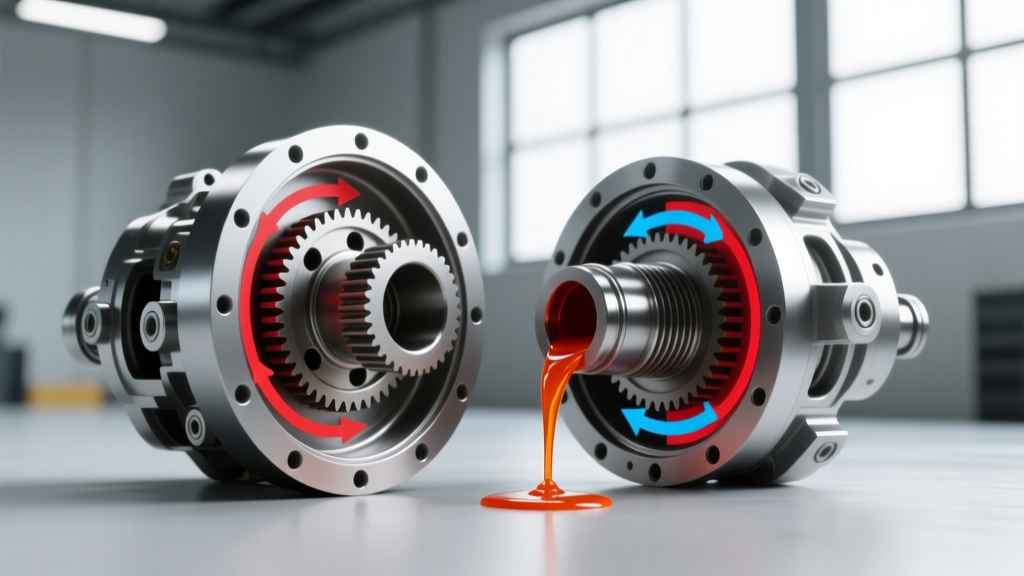
When navigating the aftermarket drivetrain landscape in 2026, understanding the mechanical distinction between an open differential and a limited slip differential (LSD) is critical for both performance tuning and long-term reliability. At its core, a differential allows the outer drive wheel to rotate faster than the inner drive wheel during cornering. However, how each design manages torque distribution under load—and how they react to catastrophic fluid loss—varies drastically.
An open differential operates on a fixed 1:1 torque bias ratio. It always sends equal torque to both wheels, regardless of traction. If one wheel loses grip (e.g., on ice or mud), the differential routes all available rotational energy to the path of least resistance, resulting in the dreaded 'one-wheel peel.' While this design is inexpensive to manufacture and imposes zero binding stress on drivetrain components during tight parking maneuvers, it is entirely inadequate for high-performance or off-road applications.
Conversely, a clutch-type limited slip differential (such as the ubiquitous Ford 8.8 Traction-Lok or the Dana 44 Trac-Lok) utilizes internal clutch packs positioned between the side gears and the differential case. When a wheel begins to slip, the clutch packs engage via axial force and spring pressure, transferring torque to the wheel with traction. Helical gear LSDs (like the Eaton Truetrac) achieve a similar torque-biasing effect without clutches, using the mechanical binding of worm gears to multiply torque to the gripping wheel.
2026 Differential Comparison Matrix
Below is a technical comparison of the three most common differential architectures found in light-duty trucks, SUVs, and performance cars today.
| Feature | Open Differential | Clutch-Type LSD | Helical Gear LSD (Torsen/Truetrac) |
|---|---|---|---|
| Torque Bias Ratio (TBR) | 1:1 | 2:1 to 3:1 | 2.5:1 to 4:1 |
| Friction Modifier Required | No | Yes (Strict) | No |
| Maintenance Interval | 60,000 - 100,000 miles | 30,000 - 50,000 miles | 60,000 - 100,000 miles |
| Average Rebuild Cost (2026) | $150 - $250 | $350 - $550 | $650 - $850 (Unit Replacement) |
| Common Applications | Base model fleet trucks, economy sedans | Ford Mustang, Jeep Wrangler, Silverado Z71 | Toyota Tacoma TRD, Dodge Ram Trail Hawk |
The Catastrophic Impact of a Differential Oil Leak on LSDs
While any gear oil loss is detrimental to hypoid gear sets, a differential oil leak presents a uniquely asymmetric threat depending on your differential type. The ring gear acts as an oil slinger; it dips into the gear oil sump at the bottom of the axle housing and splashes lubricant onto the pinion gear, bearings, and internal differential components.
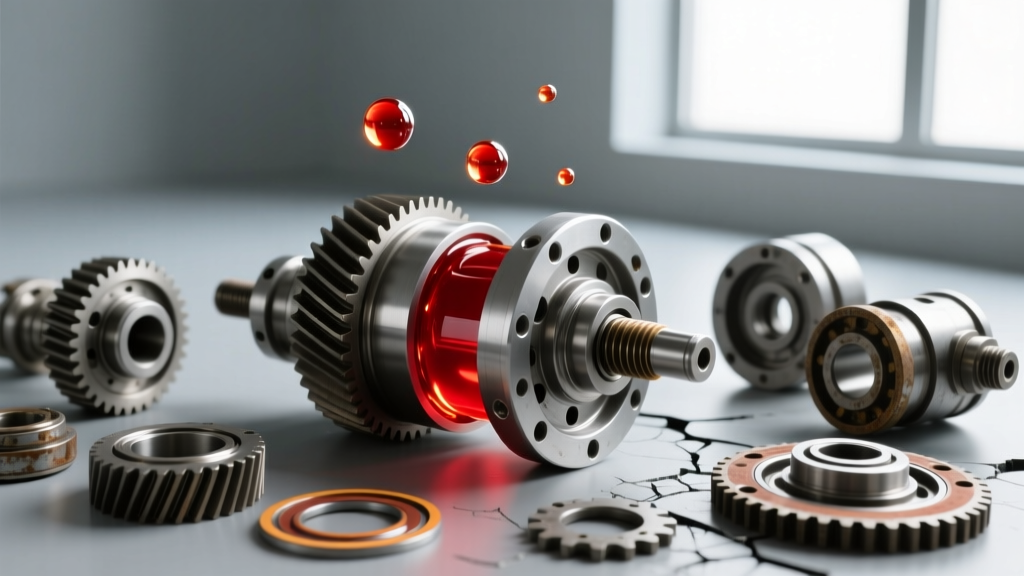
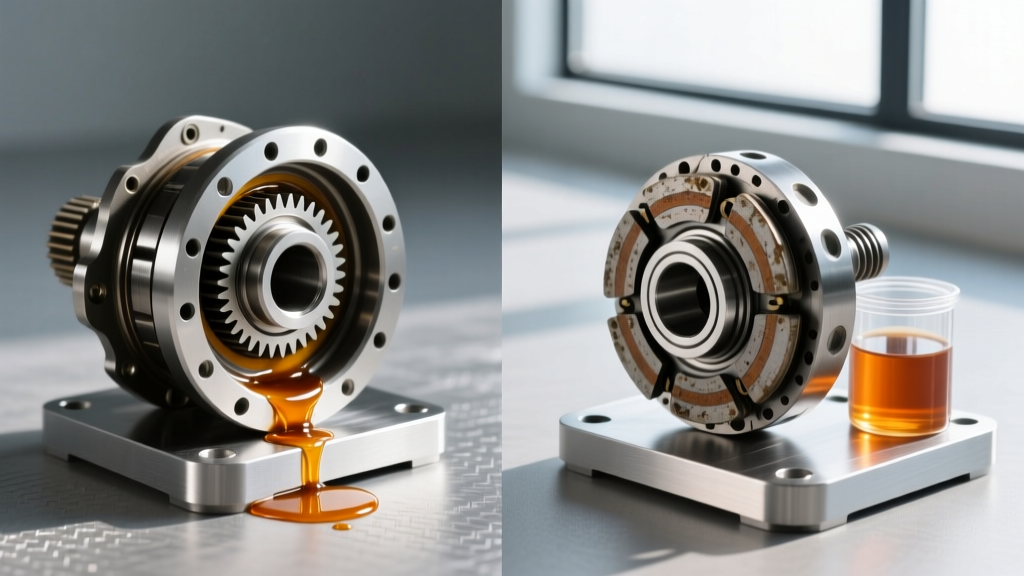
When a differential oil leak occurs and the fluid level drops below the centerline of the ring gear, boundary lubrication fails. In an open differential, the spider gears and side gears may begin to gall and score, but the assembly can sometimes survive short-distance, low-speed driving before total seizure. In a clutch-type LSD, however, the results are immediate and devastating.
Expert Insight: The friction material on LSD clutch discs relies entirely on a specialized fluid film to manage the micro-slippage that occurs during cornering. A differential oil leak starves these clutch packs first. Without adequate lubrication, the clutches overheat, glaze, and weld together or disintegrate within miles. Rebuilding a glazed LSD requires replacing the entire clutch pack kit (typically $80-$150 in parts) and meticulously measuring side gear clearances with a dial indicator.
Common Leak Points & Torque Specifications
Diagnosing and fixing a differential oil leak requires precision. Guessing on torque specs will warp covers or destroy bearing preloads. Here are the primary leak sources and their factory specifications:
- Differential Cover Gasket: The most common source of a differential oil leak. For the Ford 8.8 10-bolt, the 10 cover bolts (8mm or 5/16-inch) must be torqued to exactly 23-28 lb-ft. Overtorquing warps the stamped steel cover. Always use a high-tack RTV silicone (like Permatex Ultra Black) or a pre-cut rubber gasket (e.g., Spicer 10-402).
- Pinion Seal Failure: A leaking pinion seal indicates wear on the sealing surface of the yoke. Replacing it requires removing the pinion nut. Warning: The pinion nut secures the crush sleeve that sets bearing preload. If you reuse the old nut and crush sleeve, you must torque it back to the exact rotational preload spec (usually 8-14 in-lb for used bearings). The nut torque itself is often 150-250 lb-ft. For a guaranteed fix, install a solid crush sleeve eliminator kit.
- Axle Shaft Seals: If gear oil is leaking past the brake backing plate, the inner axle seal has failed. This requires pulling the axle shaft, extracting the old seal with a slide hammer, and pressing in a new double-lip seal. Ensure the axle shaft bearing surface is not deeply grooved; if it is, a speedi-sleeve or new axle shaft is required.
Fluid Viscosities and the Friction Modifier Mandate
If you have repaired a differential oil leak and are preparing for a refill, fluid selection is non-negotiable. Most modern light-duty axles (GM 9.5-inch, Ford 8.8, Dana 44) require a 75W-90 Synthetic Gear Oil (API GL-5 rated). Heavy-duty towing applications or vehicles with 35-inch+ off-road tires should step up to 75W-140 to maintain film strength under extreme thermal loads.
For clutch-type LSDs, the fluid must be supplemented with a Limited Slip Friction Modifier (e.g., Motorcraft XL-3 or GM EOS). Typically, 4 ounces of modifier are added before filling the housing to its 2.5 to 3.0-quart capacity. The modifier alters the coefficient of friction, preventing the 'chatter' or shuddering sensation that occurs when clutch packs bind and release during low-speed turns. Helical gear LSDs and open differentials do not require this additive.
2026 Buyer’s Guide: Top Differential Upgrades
If your differential oil leak resulted in catastrophic internal failure, or if you are simply tired of the limitations of an open diff, 2026 offers several robust aftermarket upgrades. According to technical data from Eaton's Automotive Differentials Catalog and Spicer/Dana Differential Service Manuals, here are the top recommendations based on use-case:
1. Eaton Truetrac (Helical Gear LSD)
Best For: Daily drivers, light off-road, and winter weather.
Price Range: $650 - $820
Why Buy: The Truetrac uses a parallel-axis helical gear design. It requires no special friction modifiers, meaning a minor differential oil leak won't instantly destroy expensive clutch packs. It operates smoothly on the street with zero binding and provides up to a 3.5:1 torque bias ratio when traction is lost. It is widely considered the most reliable 'set-it-and-forget-it' upgrade for half-ton trucks.
2. Auburn Gear Pro Series (Clutch-Type LSD)
Best For: Drag racing, street performance, and muscle cars.
Price Range: $550 - $750
Why Buy: Auburn's Pro Series features a high-capacity clutch pack with a unique cone-clutch design that maximizes friction surface area. It offers aggressive lockup under heavy throttle. However, it demands strict maintenance; any differential oil leak must be addressed immediately, and fluid changes every 30,000 miles are mandatory to prevent clutch degradation.
3. Yukon Grizzly Locker (Full Locking)
Best For: Dedicated rock crawlers and deep mud applications.
Price Range: $700 - $900
Why Buy: This is an automatic locking differential that provides 100% power to both wheels at all times, unlocking only when turning to prevent drivetrain wind-up. It is incredibly robust but can be noisy on the street. As noted in Ring & Pinion Service Technical Guides, full lockers place immense stress on axle shafts, so upgrading to 35-spline chromoly shafts is highly recommended.
Final Diagnosis and Maintenance Framework
Whether you are running a stock open differential from the factory or an aftermarket helical LSD, the axle housing is the lifeblood of your drivetrain. A differential oil leak is never just a mess on your garage floor; it is a ticking time bomb for your ring and pinion gear set. Inspect your differential cover, pinion yoke, and axle seals every 15,000 miles. If you spot weeping, address the seals immediately, verify your bearing preloads with an inch-pound torque wrench, and always refill with the exact manufacturer-specified viscosity and additive package. Proper maintenance ensures your traction system performs flawlessly, whether you are carving a canyon road or crawling a rocky trail.