The Physics of 200HP Clutch Slip and Fade
When you push a modern liter-class sportbike to its limits on the track, the transmission becomes the critical bottleneck between the crankshaft and the rear tire. Modern engines like Yamaha’s CP4 crossplane and Kawasaki’s inline-four produce well over 200 horsepower at the crank. Under hard acceleration, especially when exiting a corner in third or fourth gear, the dynamic load on the clutch basket is immense. If you are still relying on OEM paper-based friction materials, you are likely experiencing micro-slip, which generates excessive heat and accelerates wear.
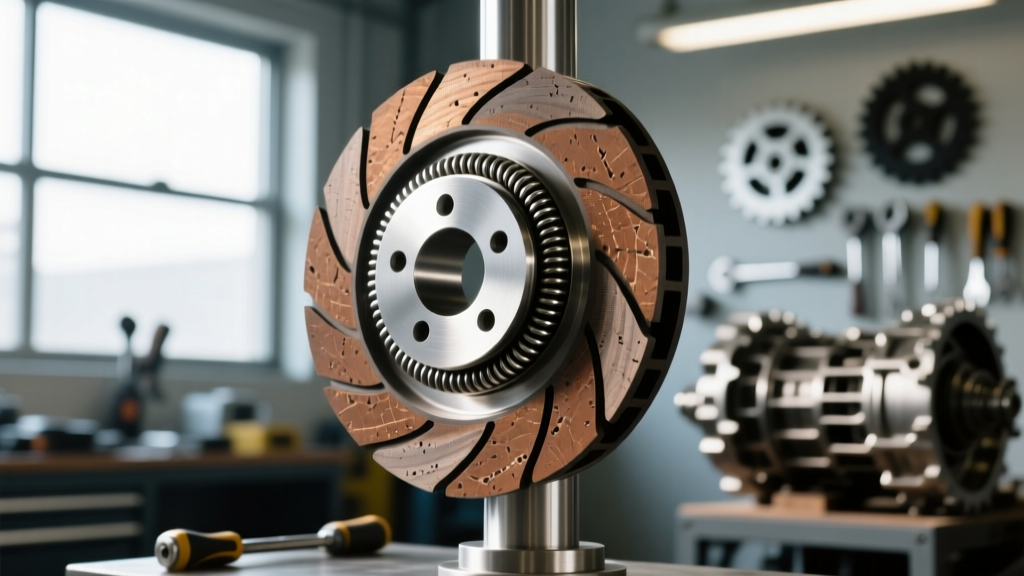
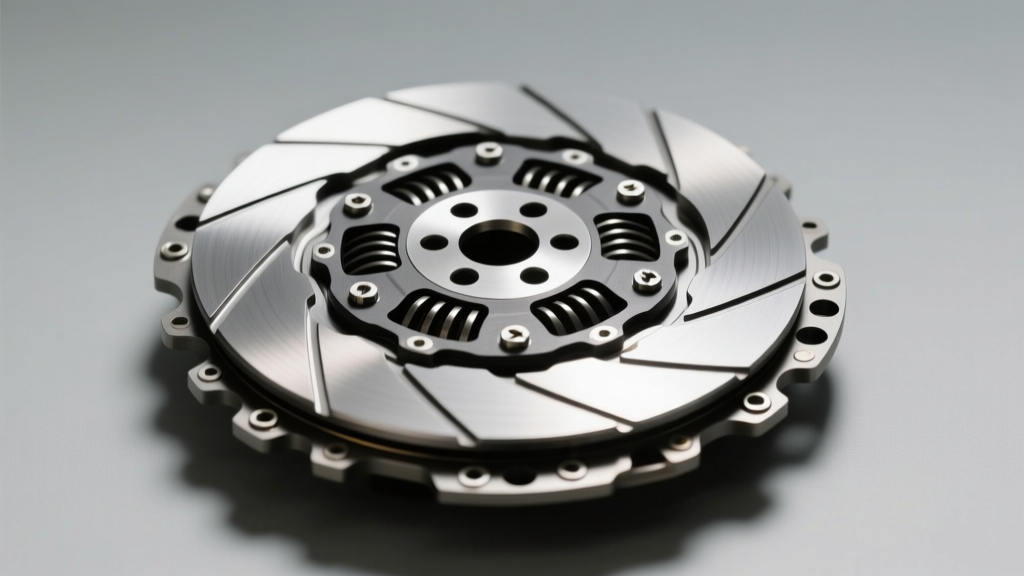
The search for the ultimate clutch plate for motorcycle applications is not just about finding a part that 'grips harder.' It is about managing thermal degradation, maintaining consistent friction coefficients in a shared oil sump, and preserving the delicate geometry of modern assist and slipper (A&S) clutch ramps. Upgrading your clutch pack requires a precise understanding of material science, stack height tolerances, and spring rate dynamics.
Material Science: Carbon vs. Kevlar vs. Sintered Iron
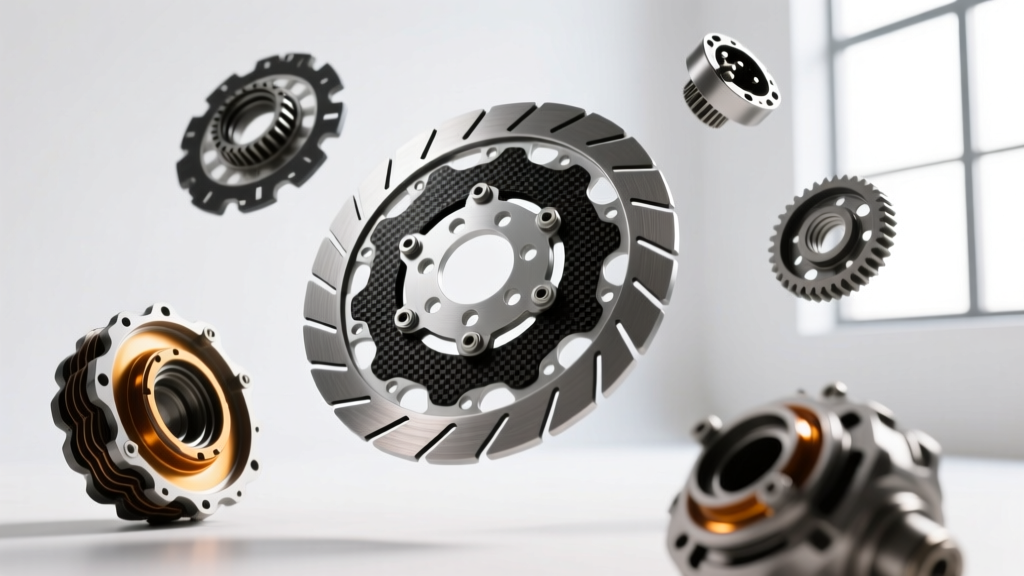
Aftermarket manufacturers utilize vastly different friction materials to solve the problem of clutch fade. The choice of material dictates the engagement feel, the required break-in period, and the ultimate torque capacity of the assembly.
Barnett Carbon Fiber Matrix
Barnett has long been the gold standard for high-torque applications. Their carbon fiber friction plates utilize a proprietary weave that offers an incredibly aggressive initial bite and exceptional resistance to thermal fade up to 350°F. However, carbon fiber requires a meticulous pre-soaking process and a specific bedding procedure to avoid glazing. If you are running a heavily modified Yamaha YZF-R1 with ECU flash and full exhaust, Barnett’s carbon/Kevlar hybrid kits (such as part number 302-30-10112) provide the clamping security needed to prevent slip during 12,000 RPM upshifts.
EBC SRC Kevlar Blends
EBC Brakes approaches the problem with their SRC (Sport/Race/Carbon) series. Rather than pure carbon, EBC utilizes a Kevlar-impregnated cork and carbon composite. This results in a slightly softer, more progressive engagement lever feel, making it the ideal crossover choice for riders who commute during the week and hit the track on weekends. The EBC CK1194 kit for the Kawasaki ZX-10R is renowned for its forgiving bite point and excellent wear characteristics, even when subjected to the stop-and-go friction modifiers found in standard JASO MA2 street oils.
Hinson Billet Proof Components
While Hinson is famous for their billet aluminum outer baskets and inner hubs, their friction plates are equally engineered for abuse. Hinson plates are often paired with their heavy-duty clutch springs to increase static clamping force. For the Suzuki GSX-R1000R, Hinson’s friction materials are designed to work in perfect harmony with their billet steel separator plates, which resist warping far better than OEM stamped steel under extreme thermal cycling.
Vehicle-Specific Upgrade Matrix (2016-2026 Models)
Selecting the correct kit requires matching the exact OEM stack height and understanding the specific torque requirements of your motorcycle's clutch center nut. Below is a technical comparison for three of the most popular track-day platforms.
| Motorcycle Model | OEM Stack Height | Recommended Upgrade Kit | Center Nut Torque | Spring Rate Upgrade |
|---|---|---|---|---|
| Yamaha YZF-R1 (2015-2026) | 38.2 - 39.8 mm | Barnett 302-30-10112 | 55 lb-ft (75 Nm) | +15% (Barnett HD) |
| Kawasaki ZX-10R (2016-2026) | 39.8 - 41.2 mm | EBC SRC CK1194 | 92 lb-ft (125 Nm) | +20% (EBC CSK112) |
| Suzuki GSX-R1000R (2017-2026) | 38.5 - 40.1 mm | Hinson F100-508 | 69 lb-ft (93 Nm) | +10% (Hinson HD) |
Critical Installation Variables: Stack Height and Slipper Ramps
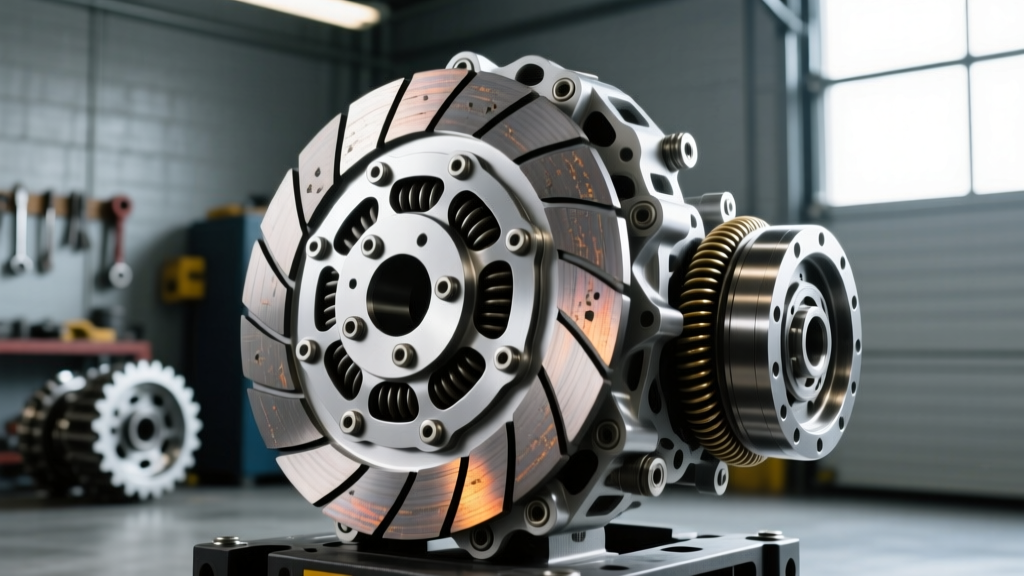
The most common mistake mechanics make when installing a new clutch plate for motorcycle track use is ignoring the stack height and the slipper ramp geometry. Modern sportbikes utilize a back-torque limiter (slipper clutch) to prevent rear-wheel hop during aggressive downshifts. This system relies on angled ramps inside the clutch hub that force the pack apart when the rear wheel overdrives the engine.
The Danger of Over-Springing
If you install aftermarket friction plates that are slightly thicker than OEM, or if you pair them with excessively stiff heavy-duty springs, you will increase the breakaway torque required for the slipper ramps to engage. This defeats the purpose of the slipper clutch, leading to severe rear chassis hop and potential loss of traction under braking. Always measure your total clutch pack stack height with a digital caliper before installation. If the new stack height exceeds the service manual's maximum tolerance, you must install a thinner steel separator plate to compensate.
The Pre-Soak Mandate
Wet clutch friction materials are porous. If installed dry, the initial engagement will generate massive localized heat, instantly glazing the Kevlar or carbon fibers and permanently ruining the plates. You must submerge the friction plates in the exact JASO MA2 certified oil you plan to run in the engine for a minimum of two hours, though an overnight soak is highly recommended by Barnett Clutches. Never use automotive oils containing molybdenum disulfide (MoS2) or ZDDP in high concentrations, as these friction modifiers will coat the clutch plates and cause irreversible slip.
Proper Torque Sequence and Bedding Procedures
Installing the clutch requires a dedicated clutch holding tool (such as the Motion Pro 08-0012) to prevent the transmission from back-driving while you torque the center nut. The Kawasaki ZX-10R requires a massive 92 lb-ft of torque on the center nut. If this is under-torqued, the inner hub will fret against the transmission main shaft, destroying the splines and requiring a complete engine teardown.
The 15-Cycle Bedding Protocol
Once installed, the bedding process is non-negotiable. According to technical guidelines from EBC Brakes, new Kevlar and carbon plates require a gradual heat-cycling process to mate the friction material to the steel separator plates.
- Cycles 1-5: Ride at 40% throttle, shifting early and keeping RPMs below 6,000. Use the clutch lever gently to slip the pack slightly, generating mild, even heat.
- Cycles 6-10: Increase to 70% throttle. Perform moderate acceleration and deceleration, allowing the oil to flow through the basket and cool the plates between runs.
- Cycles 11-15: Full track-pace riding. Perform hard launches and aggressive upshifts to seat the fibers into the micro-pores of the steel plates.
Real-World Cost vs. Lap Time Gains
A complete performance clutch kit, including friction plates, heavy-duty springs, and a fresh set of OEM steel separator plates, typically costs between $280 and $450 depending on the brand and application. While this is a significant premium over a $110 OEM paper replacement, the ROI on the track is immediate. Eliminating micro-slip ensures that 100% of your engine's torque is transferred to the rear tire during corner exit, often yielding a 0.2 to 0.4-second improvement per lap. Furthermore, premium carbon and Kevlar plates will easily outlast OEM paper plates by a factor of three under track-day abuse, making the upgrade a financially sound decision for any serious rider. For more general maintenance tips, resources like Hinson Racing provide excellent teardown guides to help you inspect your clutch basket for notching before installing your new plates.