The Critical Science of Wet Friction Material Preparation
Whether you are rebuilding the wet clutch basket of a high-performance sportbike or overhauling the planetary gearsets of a modern automatic transmission, the preparation of friction materials is non-negotiable. Dry-starting a wet friction clutch results in instantaneous thermal degradation, glazing, and catastrophic failure. While the fundamental principle of pre-soaking applies across powersports and automotive drivetrains, the execution, fluid chemistry, and tolerance specifications differ wildly. In this 2026 master guide, we will establish the baseline for motorcycle applications before diving deep into the rigorous step-by-step process of prepping, stacking, and air-testing clutch packs for automatic transmissions like the GM 6L80 and ZF 8HP.
The Baseline: How Long Do You Soak Motorcycle Clutch Plates in Oil?
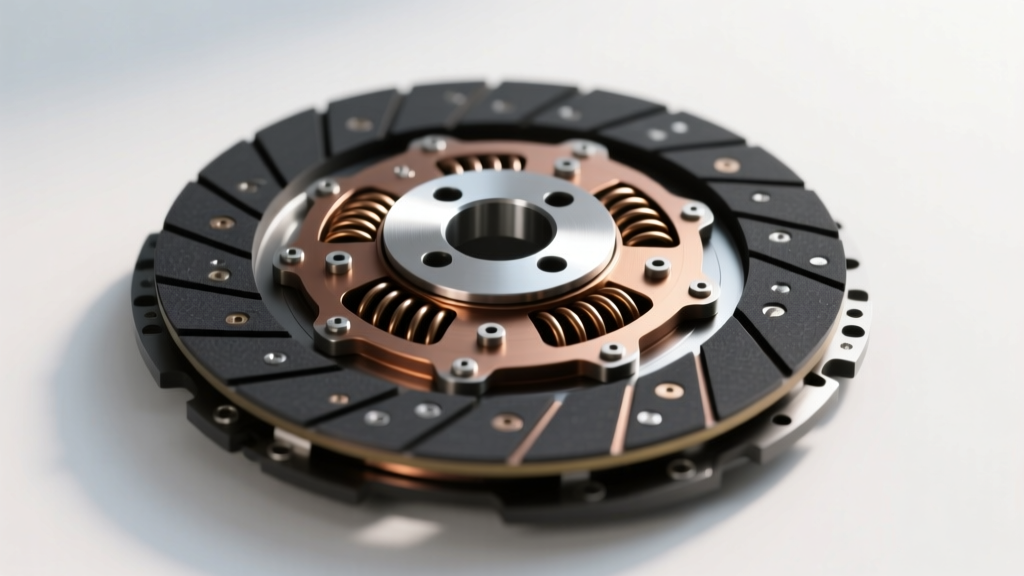
To address a common powersports benchmark: how long do you soak motorcycle clutch plates in oil? The industry consensus for standard cellulose, Kevlar, or carbon-fiber motorcycle friction plates is a minimum of 1 to 2 hours in the exact JASO MA/MA2 rated engine oil (typically 10W-40 or 20W-50) that the bike will run. While some old-school mechanics advocate for an overnight soak, prolonged submersion beyond 12 hours can cause certain cork-based damper springs or rubber isolators to swell unpredictably. A thorough 2-hour soak ensures the microscopic pores of the friction paper reach full capillary saturation, providing the necessary boundary lubrication layer for the initial clutch lever engagement.
Step-by-Step Guide: Prepping Automatic Transmission Clutch Packs
Transitioning from a sequential motorcycle gearbox to an automatic transmission requires a paradigm shift. Automatic transmission clutch packs (such as those found in the GM 6L80, Ford 10R80, or ZF 8HP) operate under immense hydraulic pressure and rely on precise fluid dynamics. As of 2026, the proliferation of Ultra-Low Viscosity (ULV) fluids means that friction material porosity and soaking protocols are more critical than ever.
Step 1: Material Selection and ATF Pre-Soaking
Unlike motorcycle clutches that share oil with the engine, automatic transmission clutches must be soaked exclusively in their designated Automatic Transmission Fluid (ATF). Using the wrong fluid will cause the friction binders to dissolve or the friction coefficient to plummet.
- GM 6L80 / 8L90 Applications: Use Dexron VI or Dexron ULV. For high-horsepower builds, upgrade to Raybestos GPZ Pro-Series friction modules (e.g., part number 51896GPZ for the 3-5-R drum). These advanced aramid/carbon facings require a 30 to 45-minute soak in fresh ATF to properly condition the resin.
- ZF 8HP (BMW/Audi/Chrysler): ZF transmissions require specific ZF LifeguardFluid 8. The BorgWarner friction rings used in these modules are highly sensitive. Soak the new friction rings for exactly 15 to 20 minutes. Over-soaking modern ZF synthetic facings can lead to premature delamination under high-torque converter lockup.
- Legacy 4L60E Applications: Standard cellulose-based Raybestos or BorgWarner papers require a full 2-hour soak in Dexron VI to ensure the thick paper base is fully saturated to the steel core.
'Never use assembly grease or petroleum jelly on automatic transmission friction plates. It will clog the micro-pores of the friction paper and contaminate the valve body check balls once the transmission reaches operating temperature.' — Master Transmission Rebuilder Guidelines, Sonnax Technical Resources.
Step 2: Alternating the Clutch Pack and Checking Clearances
Once soaked, the friction plates and steel separator plates must be stacked in the correct alternating order. The steel plates must be installed with any specific oil grooves or chamfered edges facing the correct direction as dictated by the OEM service manual. The most critical metric in this step is the clutch pack clearance.
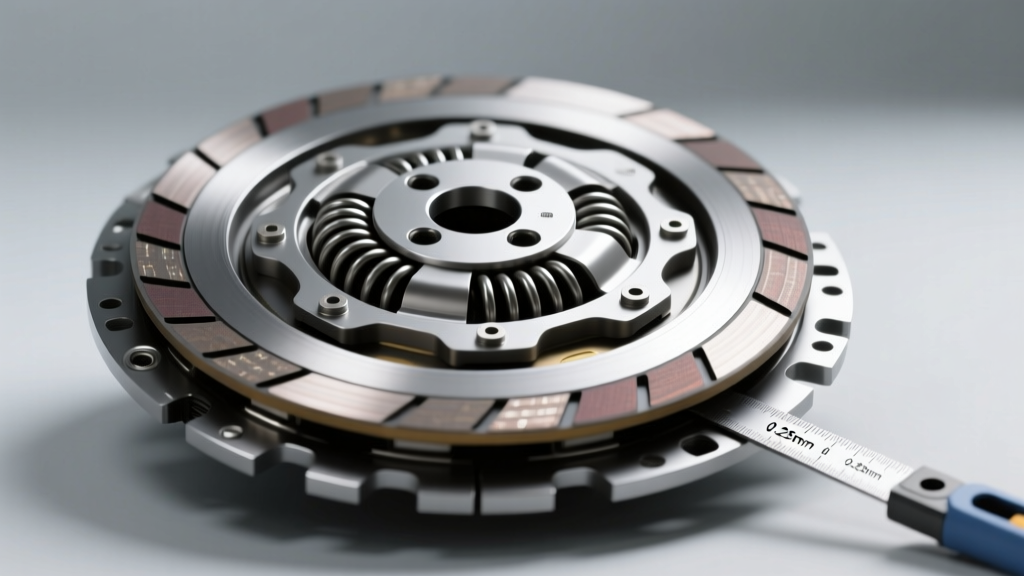
Clearance is the total air gap between the top friction plate and the retaining snap ring when the pack is compressed. If the clearance is too tight, the clutch will drag and overheat; if it is too wide, the hydraulic piston will bottom out, resulting in a harsh, delayed engagement and burnt clutches.
- GM 6L80 (3-5-R Clutch Drum): Target clearance is 0.040' to 0.065'. Use a narrow feeler gauge to measure the gap. Adjust using selective-thickness snap rings or pressure plates.
- ZF 8HP (Clutch Module A/B): Target clearance is typically tighter, around 0.025' to 0.045', due to the high-apply pressures and low-travel wave springs used in ZF mechatronic units.
- Ford 10R80: Clearances vary by specific drum, but generally hover between 0.030' and 0.055'. Always verify with the latest 2026 Ford powertrain service bulletins.
Step 3: Air-Testing the Clutch Drum Assembly
Before installing the assembled clutch drum into the transmission case, you must verify the integrity of the hydraulic seals and the apply mechanism. This is done via an air-test.
- Install the fully assembled clutch pack and the final retaining snap ring into the drum.
- Connect a shop air regulator and dial it down to 30 to 50 PSI. High pressure can blow out the lip seals or shatter the piston.
- Use a rubber-tipped air blow gun and press it firmly against the drum's hydraulic feed hole.
- Apply the air. You should hear a distinct, solid 'thud' as the hydraulic piston compresses the clutch pack.
- Listen closely for hissing. A continuous hiss indicates a cut O-ring, a damaged lip seal, or a leaking check ball inside the drum. If it hisses, tear it down and replace the seals.
- Release the air. The pack should immediately release with a slight spring-back. If it stays engaged, the friction plates are sticking together due to improper soaking, wrong ATF, or incorrect stack alignment.
Friction Material & Fluid Compatibility Chart
Refer to the table below to ensure you are matching the correct friction material, soaking protocol, and fluid type for your specific rebuild.
| Application | Friction Material Type | Required Fluid | Soak Time | Target Clearance | Approx. 2026 Kit Cost |
|---|---|---|---|---|---|
| Sportbike Wet Clutch | Cellulose / Kevlar Blend | JASO MA2 10W-40 | 1 - 2 Hours | N/A (Spring Tension) | $120 - $180 |
| GM 6L80 (3-5-R Drum) | Raybestos GPZ (Aramid) | Dexron VI / ULV | 30 - 45 Mins | 0.040' - 0.065' | $160 - $220 |
| ZF 8HP (Module A) | BorgWarner Synthetic | ZF Lifeguard 8 | 15 - 20 Mins | 0.025' - 0.045' | $350 - $450 |
| GM 4L60E (3-4 Drum) | Standard Cellulose | Dexron VI | 2 Hours | 0.030' - 0.050' | $45 - $75 |
Common Failure Modes from Improper Soaking and Assembly
Even with high-end components, failing to respect the chemistry and physics of wet clutch packs will lead to rapid failure. Here are the most common edge cases we see in transmission shops today:
- Dry-Start Burnup: Installing auto trans clutches dry. The first 1-2 shifts will generate temperatures exceeding 600°F, instantly glazing the friction paper and turning the steel separator plates blue. The transmission will slip permanently.
- Fluid Cross-Contamination: Soaking ZF 8HP clutches in generic 'multi-vehicle' ATF instead of Lifeguard 8. The friction modifiers in generic fluids cause the ZF mechatronic unit to miscalculate clutch volume adaptation, resulting in severe 'shift flares' and adaptive learning failures.
- Snap-Ring Pop-Out: Setting the clearance too wide on a GM 6L80. When the hydraulic piston travels past its designed stroke limit to clamp the pack, it can over-center and eject the retaining snap ring under high RPM, destroying the entire drum assembly.
- Check-Ball Capsule Melting: Many modern clutch drums (like the Ford 10R80) utilize plastic check-ball capsules. If a builder uses a harsh solvent to clean the drum and fails to let it fully evaporate before soaking the clutches, the solvent breaks down the plastic capsule, causing internal hydraulic leaks.
Final Thoughts on Drivetrain Assembly
Whether you are answering the question of how long to soak motorcycle clutch plates in oil for a weekend track build, or meticulously measuring feeler gauges on a ZF 8HP clutch module for a daily driver, patience is your most valuable tool. Always consult the latest OEM service manuals and friction manufacturer spec sheets. In the realm of wet friction clutches, proper lubrication prep and exact clearances are the difference between a transmission that shifts flawlessly for 200,000 miles and one that requires a tow truck before the end of the driveway.