The Golden Rule: When to Check Transmission Fluid
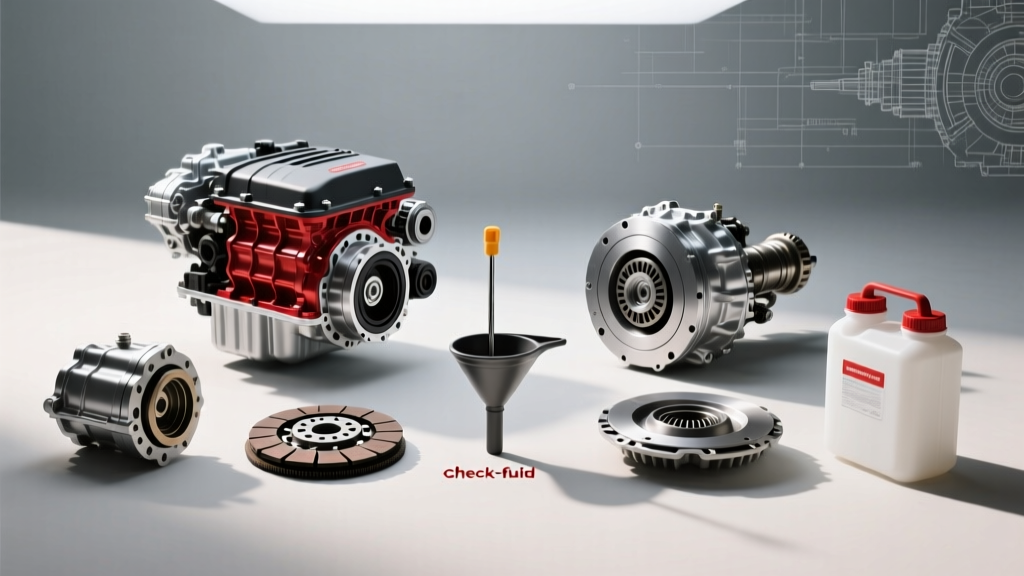
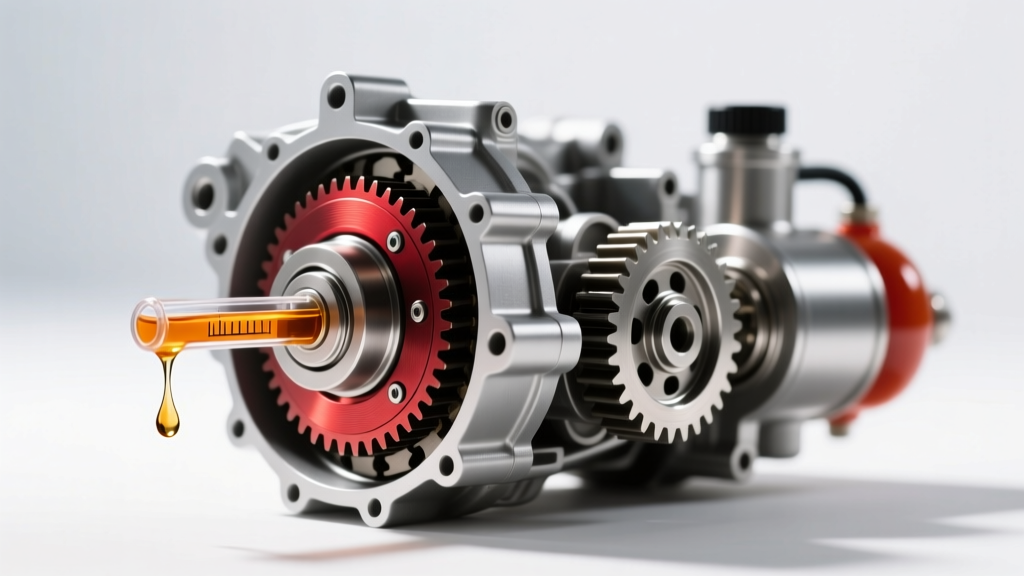
For beginners, the automatic transmission is often a mysterious, sealed box bolted to the back of the engine. However, understanding when to check transmission fluid is the single most effective way to prevent catastrophic drivetrain failure. Unlike engine oil, which is relatively forgiving, automatic transmission fluid (ATF) serves as a hydraulic medium, a coolant, and a friction modifier all at once. If the fluid level drops by just half a quart, or if the fluid degrades, valve body pressure drops, clutch packs slip, and internal temperatures skyrocket.
As a general baseline, you should inspect your transmission fluid every 30,000 miles or once a year, whichever comes first. However, the Automatic Transmission Rebuilders Association (ATRA) recommends more frequent checks if your vehicle is subjected to "severe duty" cycles. Severe duty includes frequent towing, off-roading, stop-and-go city traffic, or operating in extreme ambient temperatures. In these scenarios, checking the fluid every 15,000 miles is critical to catching early signs of thermal breakdown or internal wear.
Symptoms That Demand an Immediate Check
Do not wait for your scheduled maintenance interval if you experience any of the following drivetrain anomalies:
- Delayed Engagement: A noticeable pause (longer than 1.5 seconds) when shifting from Park to Drive or Reverse.
- Harsh or Slipping Shifts: The engine RPMs flare up during a gear change without a corresponding increase in vehicle speed.
- Transmission Overheat Warnings: A dashboard message indicating high fluid temperatures, often caused by low fluid volume or a clogged cooler.
- Whining or Humming Noises: Often indicative of the transmission fluid pump cavitating due to low fluid levels or a restricted filter.
The Hidden Variable: Temperature and Engine State
The most common mistake beginners make is checking the transmission fluid under the wrong thermal or operational conditions. ATF expands significantly as it heats up. Checking a hot transmission with a cold scale, or checking a sealed unit without a scan tool, will inevitably lead to severe underfilling or overfilling.
GM 4L60E and 6L80 (The Dipstick and Early Sealed Era)
For legacy transmissions like the legendary GM 4L60E and the later 6L80 six-speed, the checking procedure requires the engine to be running and at normal operating temperature (typically 180°F to 200°F at the pan). The vehicle must be parked on a perfectly level surface. With your foot firmly on the brake, cycle the shifter through every gear position (P-R-N-D-L), pausing for two seconds in each. This populates the torque converter and valve body circuits with fluid. Return to Park, leave the engine idling, and pull the dipstick. The fluid level must fall precisely within the "HOT" crosshatched area. If you check it with the engine off, the fluid will drain back into the pan, giving you a false "overfull" reading.
ZF 8HP and Modern Sealed Transmissions
Modern transmissions, such as the ubiquitous ZF 8HP (8HP45, 8HP70) found in BMW, Audi, Dodge, and Ford vehicles, do not have a traditional dipstick. Instead, they use a threaded level plug located on the bottom of the transmission pan. According to ZF Aftermarket service procedures, checking the fluid level requires a diagnostic scan tool to monitor the transmission fluid temperature sensor (TFT). The fluid must be between 30°C and 50°C (86°F to 122°F). If the fluid is too cold, it will drip out prematurely, resulting in an underfilled system. If it is too hot, the fluid expands and stops dripping before the pan is actually full. The engine must be running, and the vehicle must be on a level lift. Once the temperature is in the "green zone," you remove the level plug; a steady stream turning into a slow drip indicates the exact volumetric fill level.
Bridging the Gap: How Much to Change Automatic Transmission Fluid
Once you know when and how to check the level, the next logical question for a DIYer or new car owner is how much to change automatic transmission fluid during a standard service. It is vital to understand the difference between a "pan drop" (drain and fill) and a "machine flush."
A standard pan drop only removes the fluid sitting in the transmission oil pan. The torque converter, cooler lines, and valve body retain a significant amount of the old, degraded fluid. Therefore, you will never replace the total system capacity during a routine drain-and-fill. Below is a detailed breakdown of total capacities versus actual service volumes for some of the most common automatic transmissions on the road today.
| Transmission Model | Total Dry Capacity | Pan-Drop Service Volume | Pan Bolt Torque Spec | OEM Fluid Requirement |
|---|---|---|---|---|
| GM 4L60E | 11.2 Quarts (10.6L) | ~5.0 Quarts | 11 Nm (97 lb-in) | ACDelco Dexron VI |
| GM 6L80 | 11.2 Quarts (10.6L) | ~6.0 Quarts | 9 Nm (80 lb-in) | ACDelco Dexron VI |
| ZF 8HP45 / 8HP70 | ~9.5 Liters (10.0 Qt) | ~5.5 Liters (5.8 Qt) | 10 Nm (89 lb-in) | ZF LifeguardFluid 8 |
| Ford 6R80 | 13.1 Quarts (12.4L) | ~6.5 Quarts | 11 Nm (97 lb-in) | Motorcraft MERCON LV |
The Danger of Over-Tightening and Overfilling
When performing a pan drop, beginners often make two critical errors. First, they overfill the system because they mistakenly try to match the "Total Dry Capacity" rather than the "Pan-Drop Service Volume." Overfilling causes the rotating internal components to aerate the fluid, creating foam. Foam is compressible; hydraulic pressure relies on non-compressible liquid. Aerated fluid leads to immediate clutch slippage and burnt bands.
Second, they over-torque the pan bolts. The bell housing and transmission case are typically made of cast aluminum. If you apply 25 ft-lbs to an M6 pan bolt that requires only 9 Nm (80 lb-in), you will strip the threads out of the case, necessitating a costly Timesert repair or case replacement. Always use a calibrated inch-pound torque wrench and follow a star-pattern tightening sequence.
Fluid Part Numbers, Pricing, and Sourcing
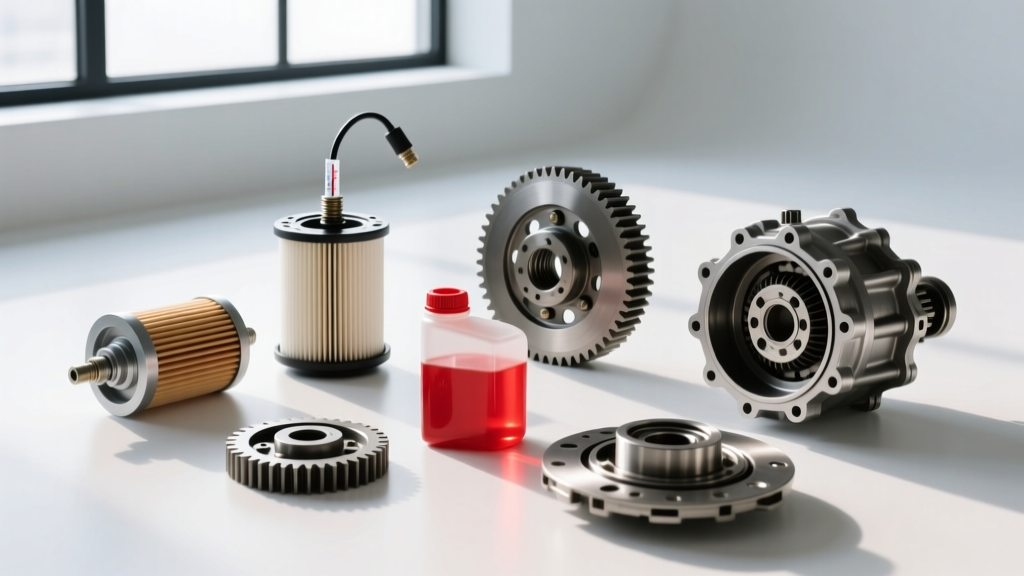
Using the correct fluid is non-negotiable. Modern transmissions utilize highly specific friction modifiers tailored to the clutch pack materials. Using a generic "multi-vehicle" ATF in a ZF 8HP or a GM 6L80 can cause shudder and premature failure. As of 2026, here is what you can expect to pay for OEM-equivalent fluids:
- ACDelco Dexron VI (Part # 10-9395): Typically $8 to $11 per quart. Required for most GM 4, 6, and 8-speed automatics.
- ZF LifeguardFluid 8 (Part # 0671090255): Typically $20 to $28 per liter. Absolutely mandatory for Chrysler 8-speed and BMW ZF 8HP applications. Sourcing this from a dealership or specialized Euro-parts supplier is highly recommended over auto parts store alternatives.
- Motorcraft MERCON LV (Part # XT-10-QLVC): Typically $9 to $13 per quart. Essential for Ford 6R80 and 10R80 applications.
For a standard pan-drop service on a GM 6L80, you will need roughly 6 quarts of Dexron VI ($60), a new internal filter and pan gasket kit ($35-$50), and about 45 minutes of labor. If you take this to a reputable shop, expect to pay between $180 and $275 for a drain-and-fill service. Avoid shops that push high-pressure "power flushes" on high-mileage vehicles, as the aggressive flow can dislodge clutch material and clog the narrow hydraulic passages in the valve body, a well-documented issue noted by Sonnax transmission engineers.
Expert Takeaway: Knowing when to check transmission fluid is about understanding temperature and engine state, while knowing how much to change automatic transmission fluid is about understanding the difference between total system capacity and pan-drop volume. Always check your fluid hot, level, and running (unless specified otherwise by the OEM), and never compromise on the exact fluid specification.