Understanding the Volvo Powershift MPS6 Clutch Actuator
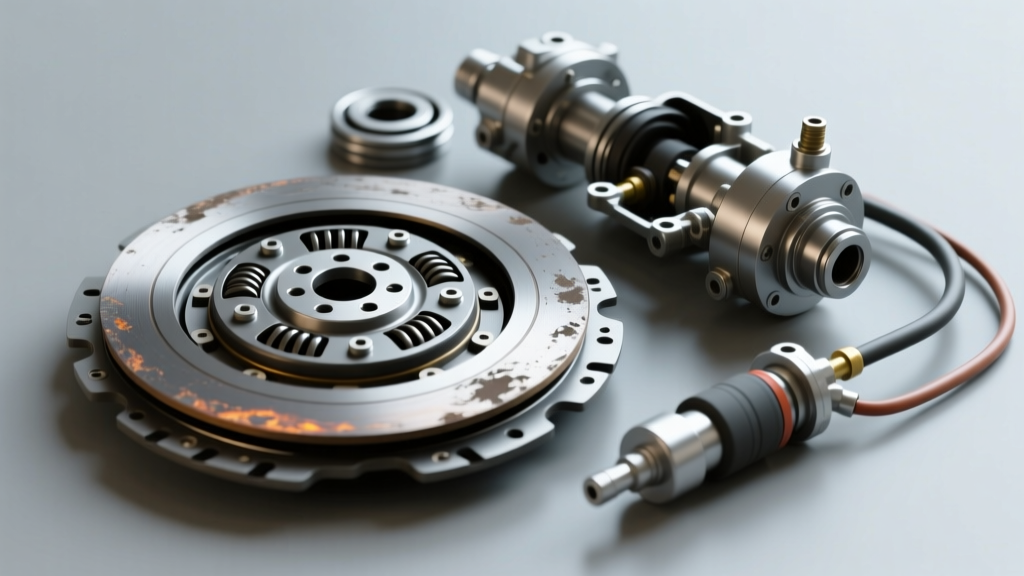
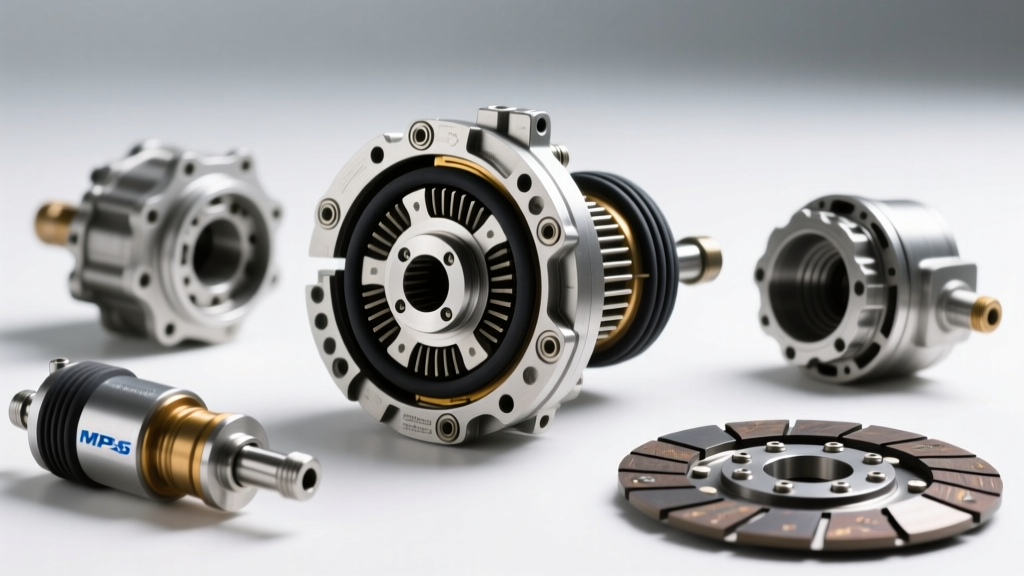
If you own a 2011–2015 Volvo S60, V60, XC60, or V70 equipped with the 2.0T or D5 engine, your vehicle likely utilizes the Getrag 6DCT450 transmission, famously badged by Volvo as the "Powershift" (MPS6). Unlike traditional automatics that use a torque converter, this dual-clutch transmission (DCT) relies on two separate manual-style clutch packs—one for odd gears and one for even gears. The component responsible for physically engaging and disengaging these clutch packs is the Volvo clutch actuator (often referred to as the clutch slave cylinder or hydraulic servo assembly).
When the clutch actuator operates correctly, gear changes are seamless and lightning-fast. However, when internal seals degrade, position sensors fail, or hydraulic pressure drops, the transmission loses its ability to accurately find the clutch "bite point." This results in severe clutch engagement and disengagement issues that can leave you stranded or facing a hefty repair bill. As we navigate the used Volvo market in 2026, understanding how to diagnose and fix these actuator faults is essential for any DIYer or informed owner.
Expert Insight: The term "actuator" in the Volvo MPS6 community can be confusing. It can refer to the external hydraulic slave cylinders that push the clutch release levers, or the internal mechatronic solenoids that route the fluid. True engagement delays are usually traced to the hydraulic slave cylinders or the clutch packs themselves, while erratic shifting is often a mechatronic valve body issue.
Top 5 Symptoms of a Failing Clutch Actuator
Because the 6DCT450 is essentially two automated manual transmissions in one housing, a failing actuator mimics the symptoms of a worn-out manual clutch. Watch for these specific engagement and disengagement red flags:
- Hesitation on Takeoff: When shifting from Park to Drive or Reverse, there is a 2-to-4 second delay before the vehicle begins to move, often followed by a harsh "clunk" as the actuator finally forces the clutch pack to engage.
- Failure to Engage Drive or Reverse: You shift into gear, but the dashboard indicator flashes or the car simply revs in neutral. The Transmission Control Module (TCM) detects that the actuator cannot achieve the required hydraulic pressure to close the clutch pack.
- Low-Speed Shuddering (Clutch Chatter):strong> When creeping in traffic or pulling away from a stoplight, the vehicle vibrates violently. This occurs because the actuator position sensor is sending erratic data, causing the clutch to rapidly engage and disengage (micro-slipping).
- "Transmission Malfunction" Warning: The TCM detects a mismatch between the commanded actuator position and the actual physical position of the clutch release lever, triggering limp mode (usually locking the car in 3rd or 4th gear).
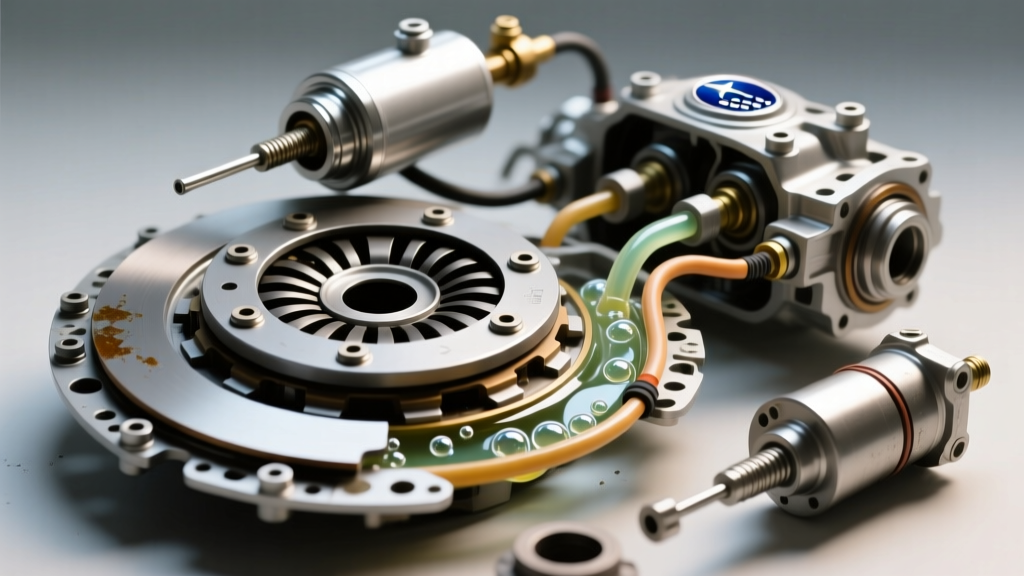
- Hydraulic Fluid Leaks at the Bellhousing: The external slave cylinders utilize rubber seals that dry out over time. If you spot red or brownish fluid (F-VCT fluid) weeping from the seam between the engine and transmission, the actuator seals have failed.
Diagnosing Engagement Issues: Actuator vs. Mechatronic Unit
Before ordering parts, you must isolate whether the engagement issue stems from the physical clutch actuator/slave cylinder, the mechatronic valve body, or the dual-clutch pack itself. According to BorgWarner's DCT diagnostic guidelines, verifying hydraulic line pressure and actuator position data is the first step.
Common OBD-II Diagnostic Trouble Codes (DTCs)
Plug in an advanced bidirectional OBD-II scanner capable of reading Volvo-specific TCM codes. Generic code readers will not suffice for DCT diagnostics.
| DTC Code | Description | Likely Culprit |
|---|---|---|
| P090C / P090D | Clutch Actuator A/B Circuit Low | Wiring harness issue or failed actuator position sensor. |
| P2783 | Dual Clutch Transmission Clutch Actuator A/B | Internal actuator seal leak; unable to hold hydraulic pressure. |
| P073E / P073F | Reverse / Drive Incorrect Ratio | Worn clutch pack or actuator failing to fully engage the lever. |
| P0989 | Transmission Fluid Pressure Sensor/Switch E | Mechatronic valve body solenoid failure (not the external actuator). |
Step-by-Step Replacement & Torque Specifications
Replacing the Volvo clutch actuator (slave cylinder assembly) on the 6DCT450 is a labor-intensive job. Unlike a traditional manual car where you might access the slave cylinder from outside the bellhousing, the MPS6 requires transmission removal to access the dual-clutch actuator mechanism and release levers. For a comprehensive breakdown of required OEM components, FCP Euro's Volvo Transmission Catalog is an invaluable resource for sourcing genuine LuK and Volvo fluid.
- Vehicle Preparation: Safely lift the vehicle on a two-post lift. Disconnect the battery and drain the transmission fluid. The 6DCT450 requires specific F-VCT fluid (Castrol Transmax Dual or OE Volvo 31342382).
- Transmission Removal: Support the engine with an under-hoist. Remove the subframe, driveshafts, and bellhousing bolts. Carefully lower the transmission using a jack.
- Actuator & Clutch Pack Access: Remove the bellhousing cover. You will see the dual-clutch pack and the two hydraulic actuator slave cylinders pushing against the release levers.
- Replacement: Unbolt the failing slave cylinders. *Crucial:* Inspect the clutch release levers and pivot balls for severe wear. If the levers are grooved, the new actuator will bind and fail prematurely. Install the new LuK actuator assembly.
- Reassembly & Torque: Reinstall the transmission. Torque the bellhousing-to-engine bolts to 48 Nm (35 lb-ft). Torque the actuator mounting bolts to 25 Nm (18 lb-ft).
- Fluid Refill: Perform a drain-and-fill using exactly 4.5 liters of F-VCT fluid, or 7.2 liters for a dry fill. Monitor the fluid level at the overflow plug with the fluid temperature between 40°C and 50°C.
Essential Parts and Pricing (2026 Market Rates)
| Component | Part Number (OE / LuK) | Est. Price |
|---|---|---|
| Clutch Actuator / Slave Kit (LuK) | 602 0009 00 | $420 - $550 |
| Dual Clutch Pack Assembly (LuK) | 602 0008 00 | $950 - $1,200 |
| F-VCT DCT Fluid (Genuine Volvo 7L) | 31342382 | $165 |
| Mechatronic Filter & Seal Kit | 31325136 | $85 |
The Critical Final Step: VIDA Clutch Adaptation
The most common mistake beginners make when fixing Volvo clutch engagement issues is assuming the job is done once the wrenches are put away. You cannot simply bolt in a new Volvo clutch actuator and drive away. The Transmission Control Module (TCM) relies on precise sensor data to know exactly where the clutch begins to grab (the "touch point").
After installing the new actuator and clutch packs, you must connect a laptop running Volvo's proprietary VIDA (Vehicle Information and Diagnostics for Aftersales) software, or use a high-end professional scanner like an Autel MaxiSYS or Snap-on Zeus with Volvo-specific DCT software. You must perform the "Clutch Bite Point Adaptation" and "Touch Point Calibration" routines. This software cycle commands the actuators to slowly engage and disengage the clutches while stationary, mapping the exact hydraulic pressure required to move the levers. Skipping this step will result in immediate clutch chatter, harsh engagements, and potentially catastrophic damage to the brand-new clutch packs within the first 50 miles.
Cost Breakdown: DIY vs. Dealership Repair
If you are experiencing severe disengagement issues, prompt repair is vital to prevent metal shavings from contaminating the mechatronic valve body. In 2026, dealership labor rates for specialized DCT work average $180 to $220 per hour.
- DIY Repair Cost: $650 – $900 (Assuming you already own a lift, transmission jack, and access to VIDA software for the adaptation).
- Independent Euro Specialist: $1,400 – $1,900 (Includes 7 hours of labor, LuK actuator kit, fluid, and software adaptation).
- Volvo Dealership: $2,500 – $3,500+ (Dealerships often refuse to replace just the actuator, opting instead to sell a complete remanufactured transmission assembly or a full clutch/mechatronic package).
By understanding the mechanics of the Volvo clutch actuator and accurately diagnosing engagement faults via OBD-II codes, you can save thousands of dollars and restore your Powershift transmission to its factory-smooth shifting glory. For further reading on maintaining dual-clutch systems, refer to the Volvo Official Owner Support manuals for your specific model year's fluid service intervals.