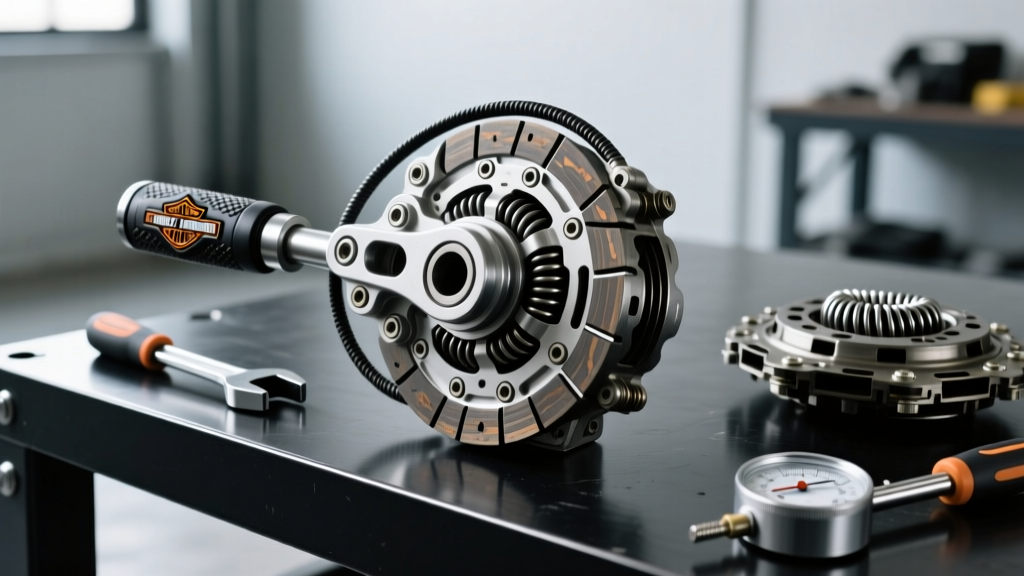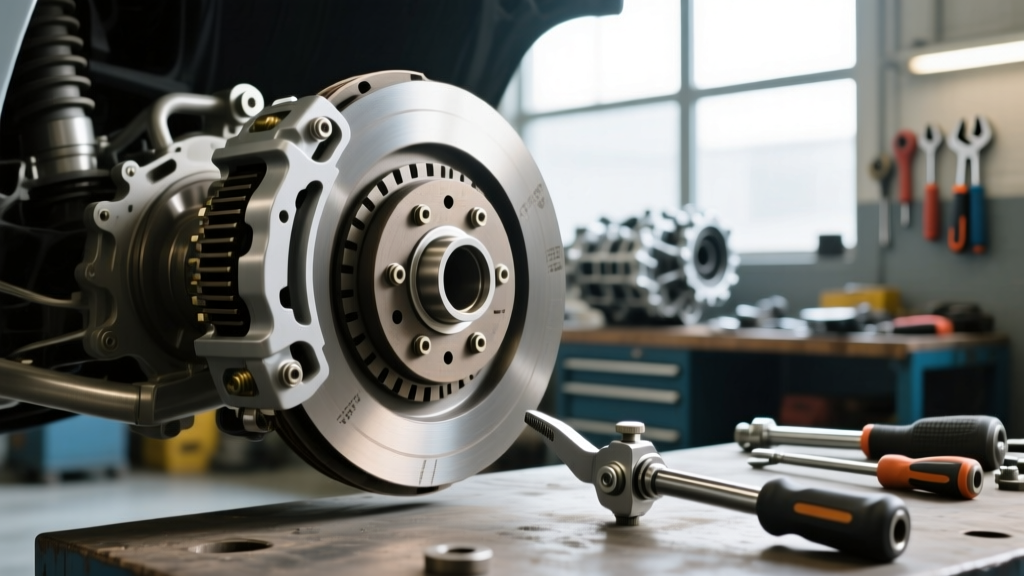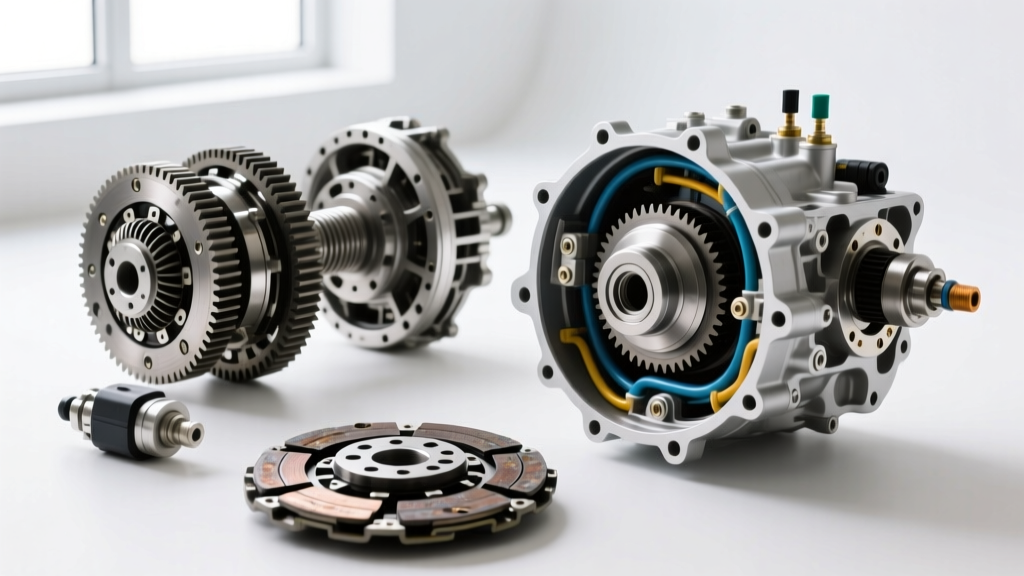
The automatic dual clutch transmission (DCT) represents one of the most significant engineering leaps in modern drivetrain technology. By utilizing two separate clutches for odd and even gear sets, DCTs offer the lightning-fast shift times of a sequential racing gearbox with the convenience of an automatic. However, as these transmissions age on the used market, diagnosing automatic dual clutch problems requires a deep understanding of both mechanical friction materials and electro-hydraulic mechatronics. Whether you are evaluating a used Volkswagen Golf R, a Porsche 911, or a Hyundai Veloster N, understanding the failure modes of these systems is critical for avoiding catastrophic repair bills.
The Evolution of the Automatic Dual Clutch: Wet vs. Dry
Before diving into diagnostics, it is vital to distinguish between the two primary architectures of the automatic dual clutch system. The cooling method dictates the transmission's torque capacity, maintenance requirements, and common failure points. According to engineering data from ZF Group and industry analyses by Car and Driver, the distinction between wet and dry clutches fundamentally alters the ownership experience.
| Feature | Dry Dual Clutch (e.g., VW DQ200, Ford DPS6) | Wet Dual Clutch (e.g., VW DQ250/DQ381, Porsche PDK) |
|---|---|---|
| Cooling Method | Air-cooled via bellhousing ventilation | Submerged in specialized transmission fluid |
| Max Torque Capacity | ~250 Nm (184 lb-ft) | Up to 1,000+ Nm (737+ lb-ft) |
| Service Interval | Sealed / No fluid service (Clutch wear is main issue) | Every 40,000 - 60,000 miles (Fluid & Filter) |
| Primary Failure Mode | Clutch pack wear, TCM overheating, fork cracking | Mechatronic valve body wear, clutch pack glazing |
Top 4 Automatic Dual Clutch Problems & Diagnostic Symptoms
When an automatic dual clutch begins to fail, the symptoms often mimic traditional torque-converter automatics, but the underlying mechanical culprits are vastly different. Here is how to diagnose the most prevalent issues.
1. Low-Speed Shudder and Judder
The Symptom: A violent shaking or oscillation felt through the chassis when accelerating from a stop or crawling in stop-and-go traffic (typically between 5 and 15 mph).
The Diagnosis: In dry DCTs, this is almost always caused by uneven friction material wear or hot-spotting on the clutch discs due to prolonged 'slipping' in traffic. In wet DCTs, shudder indicates that the friction modifiers in the transmission fluid have broken down, leading to a loss of the mu (friction coefficient) stability required for smooth micro-slip engagement. Additionally, a failing Dual Mass Flywheel (DMF) can cause identical symptoms. Diagnostic Check: Measure DMF axial free-play. If it exceeds 2.0mm, or if rotational backlash exceeds 15 degrees, the DMF must be replaced alongside the clutch pack.
2. Mechatronic Unit & Solenoid Failure
The Symptom: Erratic shifting, sudden loss of drive (dashboard 'gear' warning light), or the transmission defaulting to 'limp mode' (locked in 3rd or 5th gear).
The Diagnosis: The mechatronic unit is the electro-hydraulic brain of the DCT. It houses the Transmission Control Module (TCM), solenoids, and hydraulic accumulator. In the widely used VW/Audi 6-speed wet DCT (02E / DQ250), the plastic accumulator housing is notorious for developing hairline cracks, resulting in a loss of hydraulic pressure. When pressure drops below the 45-bar threshold required to actuate the shift forks, the TCM triggers a safe-mode shutdown. Diagnosing this requires an advanced OBD-II scan tool capable of reading live hydraulic pressure data blocks (e.g., Measuring Value Block 018 in VCDS).
3. Clutch Pack Slipping Under Load
The Symptom: Engine RPMs flare or surge during hard acceleration or when climbing steep grades, without a corresponding increase in vehicle speed.
The Diagnosis: This indicates that the clutch packs can no longer hold the engine's torque output. In wet DCTs, this is frequently caused by clutch plate glazing or excessive debris in the fluid clogging the micro-filters inside the mechatronic unit, preventing full clamp load application. If a scan tool shows the clutch adaptation values (clutch stroke) are at their maximum limit, the physical clutch packs are worn out and require physical replacement.
4. Harsh Shifts and Gear Selection Faults
The Symptom: Loud 'clunks' when engaging Reverse or Drive, or severe banging during the 2nd-to-3rd gear shift.
The Diagnosis: DCTs use hydraulic shift forks to slide the synchronizer collars. Over time, the plastic pads on the ends of these shift forks wear down, or the fork pivot pins develop play. This results in the gear being engaged too aggressively or slightly out of phase. Furthermore, degraded engine or transmission mounts will exacerbate the physical shock of a DCT shift, as there is no fluid torque converter to absorb the driveline lash.
Repair Cost Breakdown & OEM Part Matrix
Repairing an automatic dual clutch is significantly more expensive than servicing a traditional manual or a standard planetary automatic. Below is a realistic cost matrix based on 2026 independent specialist pricing and OEM part averages.
| Component | OEM Part Number Example | Avg Dealer Cost (Parts + Labor) | Indep. Specialist Cost |
|---|---|---|---|
| Mechatronic Unit (VW DQ250) | 02E 927 770 AP | $3,200 - $4,500 | $1,800 - $2,400 |
| Dual Clutch Pack (Wet) | 02E 141 031 DX | $2,500 - $3,500 | $1,400 - $1,900 |
| TCM / Actuator Motor (Ford DPS6) | AE8Z-7C437-A | $1,200 - $1,600 | $600 - $900 |
| Porsche PDK Speed Sensor Board | 9A6 323 094 00 | $4,500 - $6,000 (Requires R&R) | $3,200 - $4,000 |
Buyer’s Guide: Which DCTs to Trust in the Used Market?
Not all automatic dual clutch systems are created equal. When shopping for a used vehicle equipped with a DCT, use this tier list to guide your purchasing decisions.
- Tier 1: Buy with Confidence (Robust & Proven)
- Porsche PDK (ZF 7DT45 / 7DT47): Widely considered the benchmark. Wet-clutch design handles massive torque. Primary failure point is the internal speed sensor board, but the mechanical clutches are virtually bulletproof if fluid is changed every 40k miles.
- VW/Audi DQ381 / DQ500: The newer generation 7-speed wet DCTs. Vastly improved mechatronic reliability and thermal management over older generations.
- Hyundai/Kia D8LF1 (8-Speed Wet): Found in the Sonata N-Line and K5 GT. Excellent reliability, though clutch actuator motors may require replacement past 100,000 miles.
- Tier 2: Proceed with Caution (Maintenance Dependent)
- VW/Audi DQ250 (6-Speed Wet): Extremely strong mechanically, but the mechatronic accumulator and valve body are prone to wear if the fluid was not changed strictly every 40,000 miles. Demand maintenance records.
- Tier 3: Avoid at All Costs (Inherent Design Flaws)
- Ford Powershift DPS6 (6-Speed Dry): Infamous for input shaft seal leaks that contaminate the dry clutches with transmission fluid, and failing TCMs. A class-action lawsuit staple.
- VW DQ200 (7-Speed Dry): Prone to cracking shift forks, mechatronic failures, and severe clutch judder in stop-and-go traffic. The cost to repair often exceeds the value of the vehicle.
Preventative Maintenance: Fluid Specs and Torque Data
If you have purchased a vehicle with a wet automatic dual clutch, strict adherence to fluid specifications is non-negotiable. Using standard ATF (Automatic Transmission Fluid) in a DCT will destroy the wet clutch friction materials within a few hundred miles due to incompatible friction modifiers. As highlighted by SAE International tribology studies, DCT fluids must balance gear lubrication with precise clutch friction coefficients.
Essential Service Data (VW/Audi DQ250 / DQ381 Reference):
- Fluid Specification: VW G 052 182 A2 (or exact OEM equivalent like Liqui Moly Top Tec 1600).
- Service Fill Capacity: Approximately 4.5 to 5.0 Liters (Dry fill is ~7.0L).
- Filter Replacement: The external cartridge filter (OEM 02E 305 051) must be replaced at every fluid service to prevent mechatronic solenoid clogging.
- Drain Plug Torque: 45 Nm (33 lb-ft) for the main pan drain.
- Fill Plug Torque: 35 Nm (25 lb-ft) for the side fill/check port.
- Temperature Check: Fluid level must be verified via the overflow tube with the transmission fluid temperature exactly between 35°C and 45°C (95°F - 113°F) as read by a diagnostic scan tool.
Expert Insight: Never perform a DCT fluid flush using a pressurized machine. DCTs rely on precise hydraulic pressures and contain delicate micro-filters inside the mechatronic unit. Pressurized flushing can dislodge debris and push it directly into the solenoid valves, causing immediate transmission failure. Always perform a gravity drain, filter replacement, and precise volumetric fill.
Diagnosing and living with an automatic dual clutch requires a paradigm shift from traditional automatics. By understanding the specific failure modes of your transmission architecture, adhering to severe-service maintenance intervals, and knowing which OEM part numbers to trust, you can enjoy the unmatched performance of a DCT while avoiding the financial pitfalls of neglected mechatronics.