The Acoustic Baseline: Why Twin Discs Sound Different
As of 2026, with the proliferation of plug-and-play EV-swap adapters, Gen 4 Coyote crate engines pushing 800 lb-ft of torque, and highly tuned diesel platforms, the debate of a twin disc clutch vs single disc configurations is more relevant than ever. While single-disc setups remain the standard for daily-driven vehicles producing under 450 wheel-horsepower, high-torque applications demand the surface area and clamping force of a twin-disc system. However, this increase in holding power introduces a completely new acoustic signature. For automotive technicians and advanced DIYers, clutch noise diagnosis requires a fundamental understanding of how dual-friction mechanics operate.
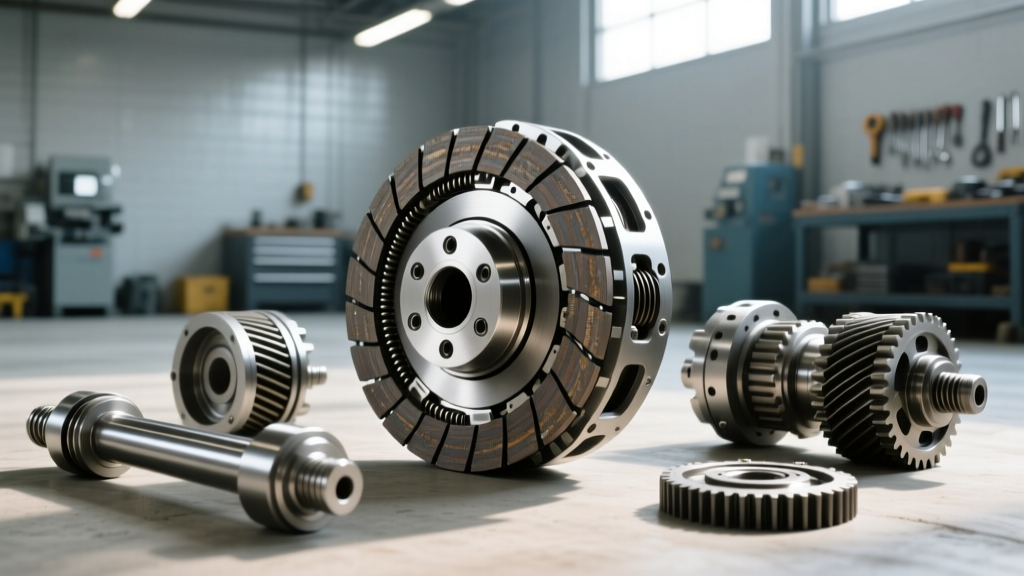
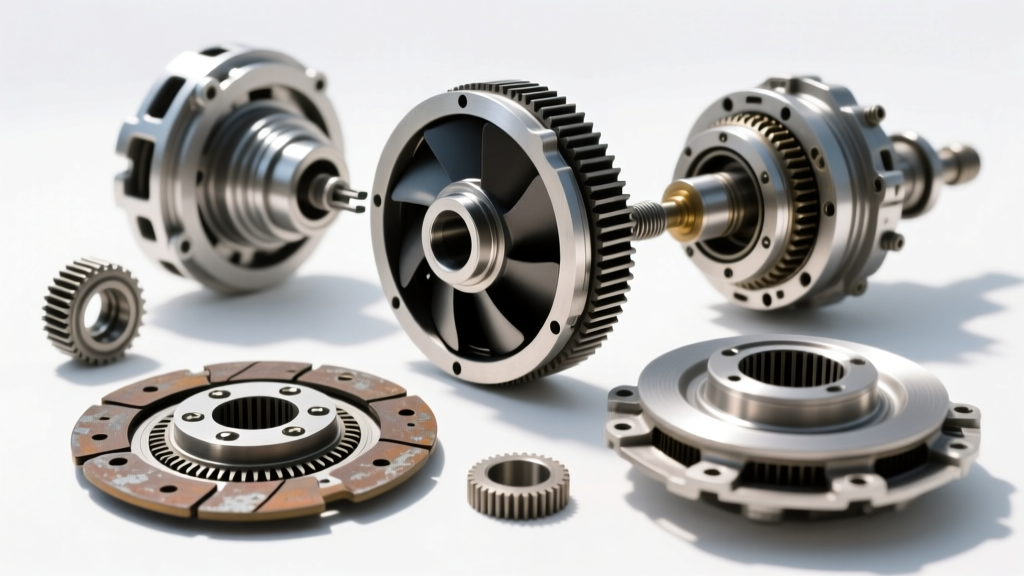
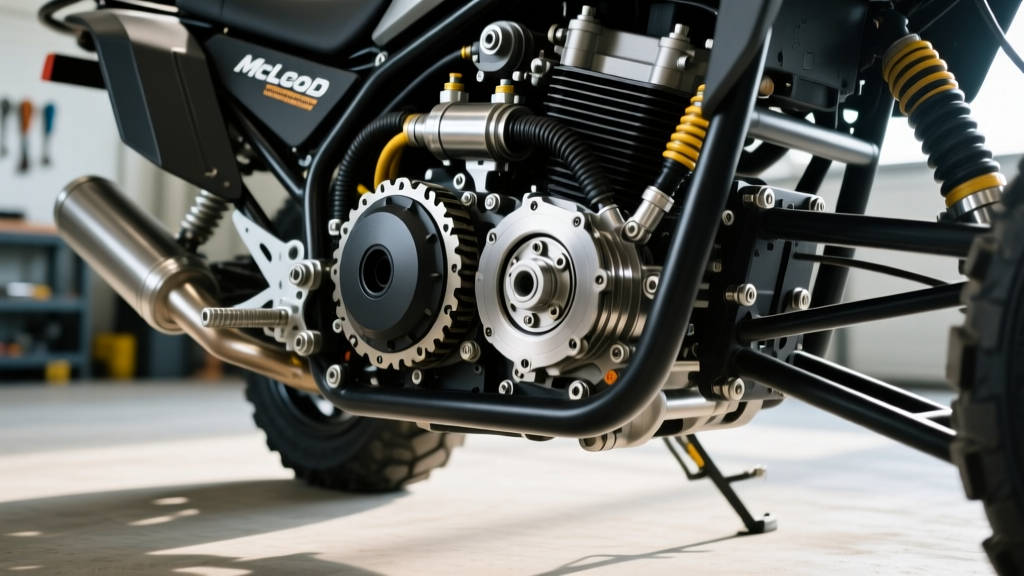
A standard single-disc clutch relies on a single friction interface sandwiched between the flywheel and the pressure plate. Its noise profile is generally limited to release bearing chirp or friction material squeal. A twin-disc system, such as the McLeod RST Street Twin or the Tilton OT-II, introduces an intermediate floater plate, a second friction disc, and significantly higher pressure plate clamp loads (often exceeding 2,800 lbs). This additional mass and mechanical complexity creates unique failure modes and noise characteristics. Misdiagnosing a twin-disc rattle as a failing transmission input shaft bearing is a costly mistake that can lead to unnecessary teardowns. Below, we break down the expert diagnostic framework for identifying and resolving clutch noise across both platforms.
Chirping and Squealing: Release Bearing and Hydraulic Preload
The most common complaint in both single and twin-disc setups is a high-pitched chirp or squeal that occurs when the clutch pedal is at the top of its travel or slightly depressed. In modern manual transmissions like the Tremec TKX or the T56 Magnum F, hydraulic throw-out bearings (TOB) are the standard. Unlike traditional cable-actuated or mechanical linkage setups, hydraulic TOBs require a precise air gap to function without generating excessive heat and noise.
The Air Gap Imperative
When diagnosing release bearing noise, the first measurement you must verify is the TOB air gap. This is the distance between the bearing face and the pressure plate fingers when the clutch is fully engaged (pedal released). According to Tremec's official installation guidelines, the ideal air gap for most Magnum and TKX applications is between 0.100 and 0.150 inches. If a twin-disc clutch is installed without accounting for the taller stack height of the dual-disc assembly, the hydraulic bearing may be constantly preloaded against the pressure plate fingers. This constant friction glazes the bearing face, causing a persistent squeal and leading to catastrophic bearing failure within 500 to 1,000 miles.
Expert Fix: If you hear chirping at idle that disappears when the pedal is fully depressed, check your clutch master cylinder pushrod length and TOB spacer shims. For twin-disc applications, you will often need to add shims behind the hydraulic bearing mounting plate or adjust the master cylinder rod to restore the 0.100-inch clearance.
Grinding and Rattling: The Intermediate Floater Plate
There is a specific noise that terrifies first-time twin-disc owners: a metallic clacking, rattling, or light grinding sound at idle that completely vanishes the moment the clutch pedal is pressed. In a single-disc setup, neutral gear rattle is usually attributed to transmission input shaft harmonics or worn synchronizers. In a twin-disc setup, this is almost always the intermediate floater plate.
Lug-Driven vs. Strap-Driven Floaters
The intermediate plate must spin with the flywheel but also move axially to release the clutch. Older or budget-oriented twin-disc designs use a 'lug-driven' system, where the floater plate sits on small metal posts (lugs) machined into the flywheel. Because there is a slight clearance between the plate and the lugs to allow for axial movement, the plate rattles against the posts at idle. This is known as 'marbling' or 'floater plate rattle.'
Premium systems, such as those utilizing McLeod's strap-drive technology, use high-tension steel straps to bolt the floater plate to the flywheel. The straps flex axially to allow clutch release but hold the plate perfectly rigid radially, eliminating the metallic rattle entirely. If a customer complains of severe grinding or loud clacking from a lug-driven twin disc, inspect the flywheel lugs for wallowing. Severe wallowing requires flywheel replacement or machining, which typically costs between $150 and $250 on top of the clutch kit price.
Setup and Torque Specifications Data Table
Proper torque sequencing is critical to preventing harmonic vibrations that manifest as clutch noise. Over-torquing a flywheel can warp the friction surface, causing a rhythmic chirp as the pressure plate fingers pass over the high and low spots. Below are the baseline specifications for common high-performance platforms:
| Platform | Transmission | Flywheel Torque | Pressure Plate Torque | TOB Air Gap |
|---|---|---|---|---|
| GM LS (Gen III/IV) | Tremec T56 / Magnum | 74 lb-ft (ARP Bolts) | 35 lb-ft | 0.100' - 0.150' |
| Ford 5.0 Coyote | MT82 / Tremec TKX | 25 lb-ft + 50 deg | 40 lb-ft | 0.120' - 0.160' |
| Dodge 6.4 HEMI | Tremec TR-6060 | 70 lb-ft | 35 lb-ft | 0.100' - 0.140' |
Note: Always use a calibrated torque wrench and follow the specific fastener manufacturer's lubrication requirements. As noted in the ARP fastener technical tips, using the correct moly or 30W oil lubricant drastically alters the actual clamping force achieved at a given torque setting.
High-Frequency Squeal Under Load: Friction Material Glazing
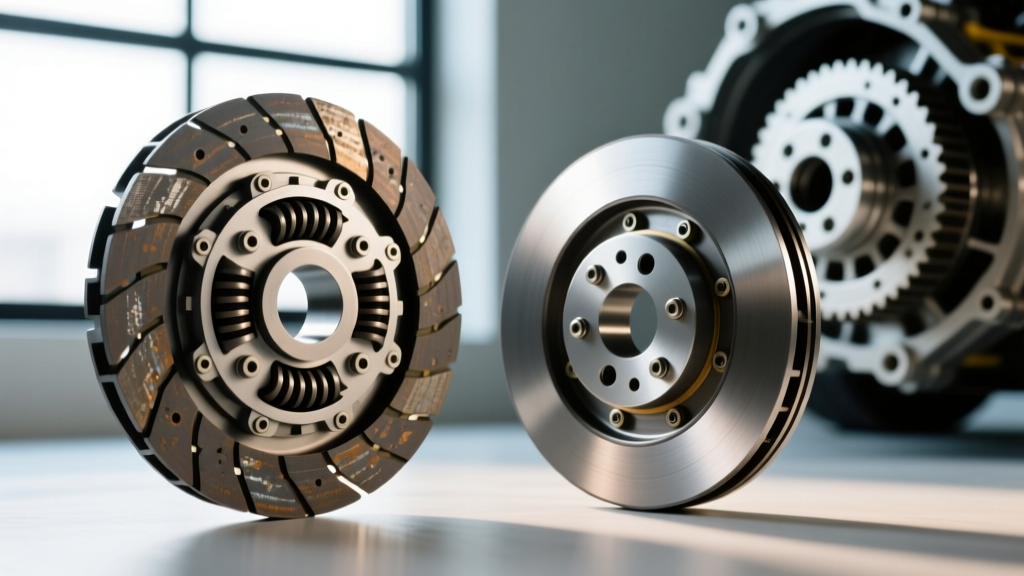
When diagnosing a squeal that occurs specifically during clutch engagement (slipping the clutch to pull away from a stop), the friction material is the primary suspect. Single-disc street clutches typically use organic or Kevlar-faced friction materials, which offer smooth engagement and quiet operation. Twin-disc clutches designed for 800+ horsepower frequently utilize 300-series or 600-series full-metallic ceramic pucks.
Ceramic friction material is inherently aggressive. If the clutch is 'ridden' or slipped excessively during low-speed maneuvers, the ceramic material can glaze the flywheel and intermediate plate surfaces. This glazing creates a high-frequency squeal during engagement, often accompanied by severe clutch chatter. Unlike organic discs, which can sometimes be sanded and re-bedded, glazed ceramic pucks and scored steel flywheels usually require replacement. A high-quality twin-disc replacement kit (like the Centerforce DYAD DS) ranges from $1,400 to $2,200, making proper break-in procedures essential.
Expert Troubleshooting Workflow: Isolating the Noise
To accurately diagnose clutch noise without prematurely pulling the transmission, follow this systematic isolation workflow used by top-tier drivetrain shops:
Step 1: The Static Idle Test (Neutral)
Listen to the engine at idle. If you hear a metallic rattle that stops instantly when the clutch pedal is depressed 1 inch, you are hearing floater plate marbling (twin-disc) or input shaft bearing lash (single-disc). Depress the pedal fully; if a new chirp begins, the release bearing is faulty or preloaded.Step 2: The Bellhousing Runout Check
If the clutch exhibits rhythmic chirping once per engine revolution, suspect bellhousing misalignment. Using a dial indicator on the bellhousing bore, verify runout. Maximum allowable Total Indicator Reading (TIR) is 0.005 inches. Excessive runout forces the TOB into an elliptical orbit, causing cyclical noise and premature wear. For deeper insights on alignment, refer to the McLeod Racing technical library.Step 3: The Load Engagement Test
With the vehicle stationary, parking brake applied, and transmission in 2nd gear, slowly release the clutch pedal while applying light throttle. A high-pitched squeal here indicates friction material glazing or oil contamination on the friction surfaces. Inspect the engine rear main seal and transmission input shaft seal for leaks.
Summary: Choosing the Right Diagnostic Path
Diagnosing clutch noise in 2026 requires moving beyond the 'replace the throw-out bearing' mentality of the past. Whether you are troubleshooting a twin disc clutch vs single disc setup, the key lies in understanding the mechanical interactions of the release system, the friction materials, and the drivetrain harmonics. By meticulously checking TOB air gaps, verifying bellhousing runout, and understanding the acoustic realities of intermediate floater plates, you can save thousands of dollars in unnecessary diagnostic teardowns and ensure a quiet, reliable drivetrain.