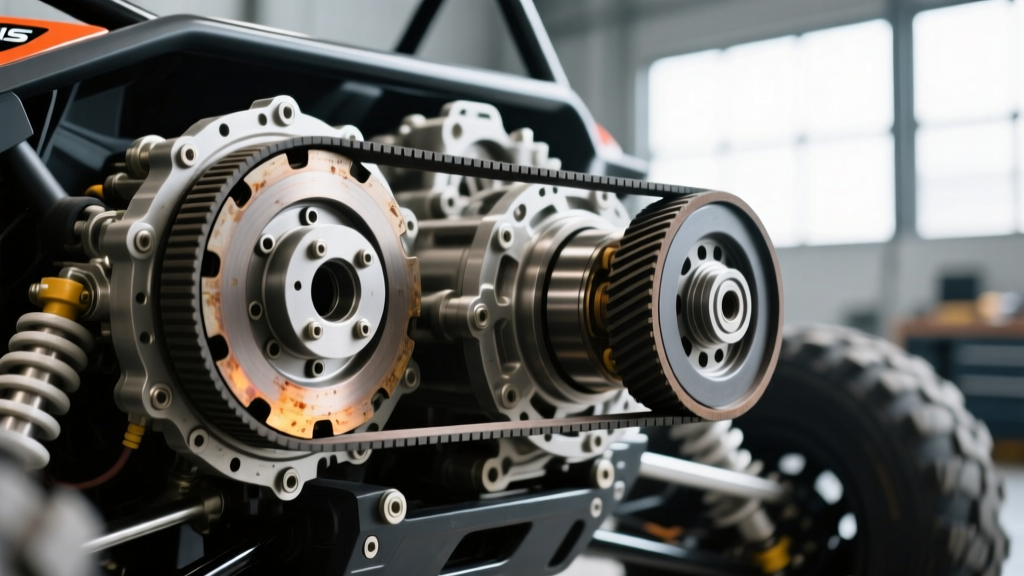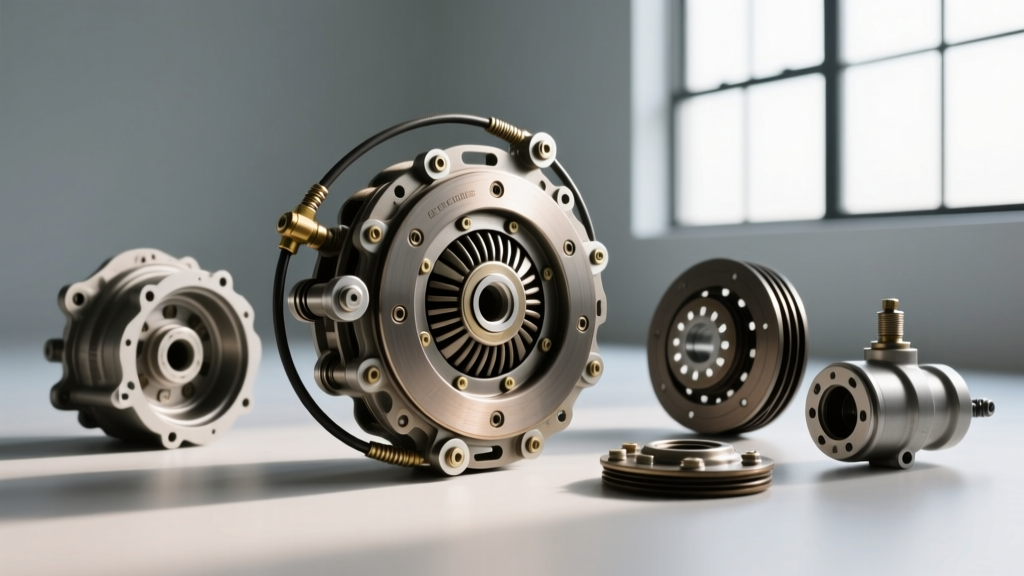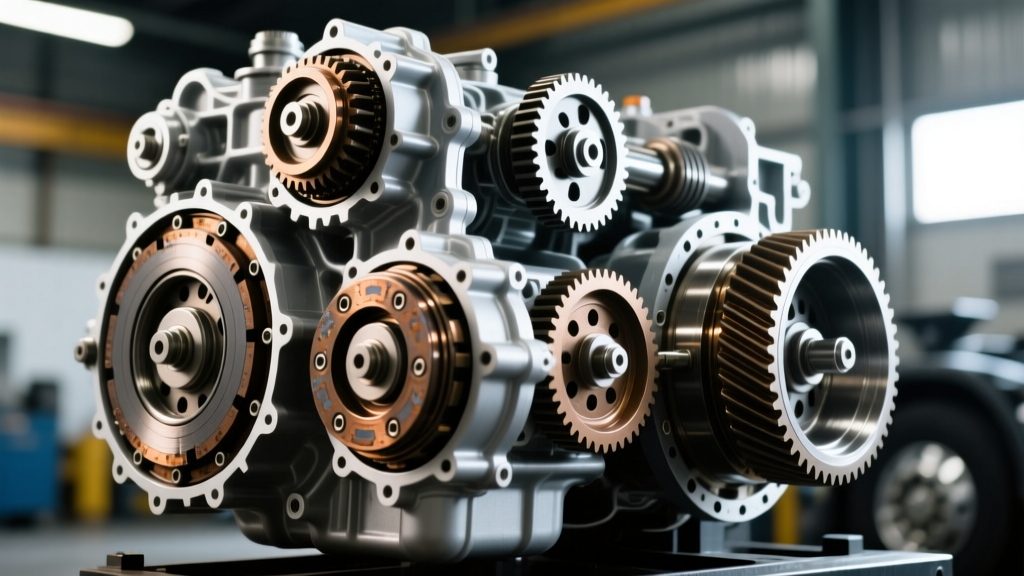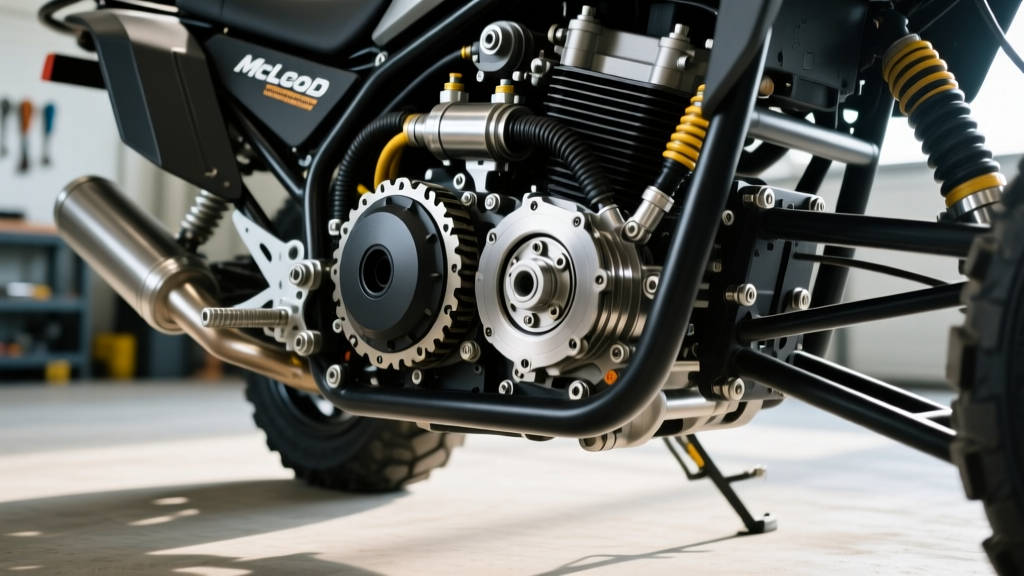
If you are wrenching on a custom powersports build in 2026, you already know that stock components rarely survive the horsepower we are throwing at them. Whether you are dropping an LS3 into a Polaris RZR Pro R chassis for desert racing or building a high-torque S&S V-Twin bagger, the clutch system is your weakest link. Specifically, diagnosing clutch drag, incomplete disengagement, and heavy lever pull can be a nightmare when mixing automotive transmissions with powersports frames. This is exactly where a McLeod hydraulic clutch conversion kit enters the conversation, bridging the gap between heavy-duty automotive torque capacity and the tight packaging constraints of ATVs and motorcycles.
Beginner's Rule of Thumb: If your custom UTV or motorcycle requires more than two fingers to pull the clutch lever in at a stop, or if the machine 'creeps' forward while the lever is pinned to the grip, your mechanical actuation system is failing to fully retract the pressure plate.
The Custom Powersports Shift: Why Automotive Kits End Up in ATVs
To the untrained eye, McLeod Racing is strictly a V8 muscle car brand. However, the modern off-road and custom motorcycle scene has heavily adopted automotive drivetrains. When builders swap a Chevrolet T56 Magnum or a 4L60E manual-valve-body transmission into a Can-Am Maverick or a custom trike, they are forced to use automotive diaphragm-style pressure plates. These plates require significantly higher clamp load release force than a stock ATV cable or a motorcycle's wet-clutch pushrod can provide.
A mechanical cable stretches under high load, leading to a wandering engagement point. By upgrading to a hydraulic system, fluid displacement replaces physical wire tension, offering a consistent, self-adjusting lever feel. But before you order parts, you must accurately diagnose whether your clutch slip or drag is a hydraulic failure, a mechanical bind, or internal clutch basket damage.
Top 3 Clutch Symptoms in Swapped UTVs and Custom Motorcycles
1. Clutch Drag and Incomplete Disengagement (The 'Creep')
The Symptom: With the clutch lever fully pulled to the handlebar or pedal pinned to the firewall, the ATV still creeps forward, or the motorcycle refuses to find neutral while stopped. Shifting into first gear results in a violent 'clunk' and stalled engine.
The Diagnosis: This is classic clutch drag. In a cable-actuated swap, the cable jacket compresses under the heavy load of an automotive pressure plate, preventing the throwout fork from traveling its full depth. If you are already running hydraulics, the issue is likely an air pocket in the master cylinder, or the hydraulic throwout bearing has bottomed out on its internal piston before fully depressing the diaphragm fingers.
2. Heavy Lever Pull and Hand Fatigue
The Symptom: Your left hand or foot cramps after riding in slow, technical terrain or stop-and-go traffic.
The Diagnosis: Stock motorcycle clutch springs and ATV pressure plates are designed for 40 to 80 lbs of release force. Automotive diaphragm clutches (like those from McLeod or Tremec) often require 150+ lbs of force. A standard 5/8-inch bore motorcycle master cylinder cannot generate the necessary hydraulic volume and pressure without immense physical effort. Upgrading to a McLeod hydraulic clutch conversion kit featuring a 7/8-inch or 1-inch bore master cylinder multiplies the mechanical advantage, dropping lever effort by up to 40%.
3. Notchy Shifting and False Neutrals (ATV Specific)
The Symptom: The transmission grinds when downshifting, or the ATV pops into a 'false neutral' under heavy deceleration.
The Diagnosis: Do not immediately blame the hydraulics. If your UTV or motorcycle uses a multi-plate wet clutch, the inner aluminum clutch hub (basket) likely has notches worn into the splines where the steel friction tabs seat. When you pull the lever, the plates hang up in these notches instead of separating freely. Fix: Remove the clutch cover and run a feeler gauge between the friction plate tabs and the basket splines. If the gap exceeds 0.005 inches, replace the basket. Hydraulics cannot fix physical metal gouging.
System Comparison: Mechanical Cable vs. McLeod Hydraulics
Understanding the hard data behind actuation systems helps justify the cost and installation effort of a hydraulic conversion. Below is a breakdown comparing a traditional heavy-duty cable setup to a premium hydraulic configuration commonly used in LS-swapped off-road racers.
| Specification | Heavy-Duty Mechanical Cable | McLeod Hydraulic System (139004 Bearing + 13-9001 Master) |
|---|---|---|
| Actuation Force at Lever | 35 - 50 lbs (High fatigue) | 12 - 18 lbs (Smooth, linear) |
| Max Travel / Displacement | 0.450 inches (prone to stretch) | 0.600+ inches (fluid locked) |
| Maintenance Interval | Lube/adjust every 500 miles | Fluid flush every 2 years |
| Average Kit Cost (2026) | $80 - $140 | $450 - $650 |
| Packaging Constraint | Requires wide sweep radius for cables | Compact AN3 lines route anywhere |
Step-by-Step Diagnosis: Do You Need the Conversion?
Before tearing into your engine bay or primary drive cover, run through this diagnostic checklist to isolate the root cause of your clutch symptoms.
- The 'Free Play' Test: Measure the free play at the lever or pedal. You need exactly 1/8-inch to 3/16-inch of free play before the master cylinder piston or cable begins to move the throwout bearing. Zero free play causes the bearing to ride constantly on the diaphragm fingers, leading to catastrophic bearing failure and clutch slip due to heat.
- The 'Zip-Tie' Bleed Check: If your lever feels spongy, zip-tie the clutch lever to the handlebar overnight. This keeps the master cylinder piston extended, allowing micro-bubbles trapped behind the piston cup to float up into the reservoir. If the lever is firm the next morning but goes soft after three pumps, your master cylinder bore is scored and bypassing fluid internally.
- The Bellhousing Air Gap Measurement: For swapped UTVs using a McLeod hydraulic throwout bearing, you must measure the air gap between the bearing face and the pressure plate fingers. Using a depth micrometer or calibrated clay, ensure you have 0.100 to 0.150 inches of clearance. If the gap is too tight, the clutch will slip under load; if it is too wide, the piston will over-extend and blow its internal O-rings.
Installation Realities: Torque Specs and Fluid Selection
Installing a hydraulic conversion on a vibrating ATV or motorcycle requires strict adherence to torque specifications and thread-locking compounds. Vibrations from a high-compression V-Twin or a 10,000 RPM UTV engine will back out improperly torqued banjo bolts, leaving you stranded on the trail without a clutch.
Critical Torque Specifications
- Master Cylinder Clamp Bolts (Handlebar/Bracket): 10 - 12 lb-ft. Use blue Loctite (243) on the threads.
- AN3 / M10x1.0 Banjo Bolts: 16 - 18 lb-ft. Always use two new copper or aluminum crush washers per fitting. Over-torquing to 25+ lb-ft will warp the soft aluminum master cylinder housing, causing a slow weep at the banjo joint.
- Hydraulic Throwout Bearing Mounting Studs: 25 - 30 lb-ft. Ensure the bearing is perfectly square to the transmission input shaft to prevent uneven wear on the internal seal.
Choosing the Right Fluid for Powersports
Because ATVs and motorcycles operate in extreme ambient temperatures and lack the insulated firewall of a car, fluid boiling is a real threat. Cycle World's technical archives frequently highlight how standard DOT 3 fluid absorbs moisture and drops in boiling point over time. For any high-performance hydraulic clutch conversion, use a high-temperature DOT 4 fluid like Motul RBF 600 or Castrol SRF. These fluids maintain a dry boiling point of over 590°F (310°C), ensuring that heat radiating from your UTV's exhaust headers or the motorcycle's rear cylinder head won't vaporize your clutch line and leave you without disengagement.
Final Thoughts on Upgrading Your Actuation
Diagnosing clutch problems in custom motorcycles and swapped ATVs requires looking past the basic symptoms and understanding the physics of the actuation system. While a notched clutch basket or a warped steel friction plate will cause drag regardless of how you pull the lever, the vast majority of 'creeping' and 'heavy pull' complaints in high-horsepower builds stem from inadequate mechanical leverage. Investing in a premium hydraulic setup eliminates cable stretch, provides the necessary volume to retract heavy-duty pressure plates, and ultimately keeps your machine shifting smoothly, whether you are tearing through a desert whoop section or cruising down the highway.