The True Cost of a Tundra Differential Fluid Change in 2026
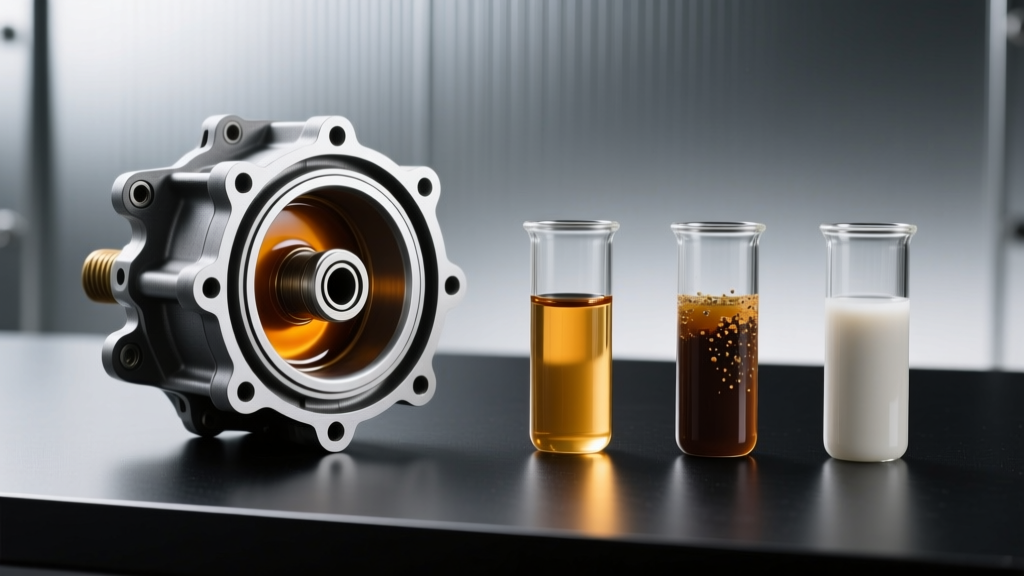
When it comes to maintaining the legendary reliability of Toyota’s full-size pickup, a timely tundra differential fluid change is one of the most critical, yet frequently overlooked, preventive maintenance tasks. Whether you are daily driving a Gen 2 SR5 or pushing the limits of a Gen 3 i-FORCE MAX with the TRD Tow Package, the hypoid gears inside your axles operate under extreme shear and thermal loads. In 2026, with the rising cost of dealership labor and supply chain shifts in synthetic lubricant pricing, understanding the exact cost breakdown of this service is essential for your maintenance budget.
Neglecting the front and rear differentials on a Tundra can lead to catastrophic ring and pinion failure, especially if you frequently tow heavy trailers or navigate off-road trails. This comprehensive pricing guide breaks down exactly what you should expect to pay for differential service across DIY, independent shop, and dealership routes, while providing the exact OEM part numbers, fluid capacities, and torque specifications required to do the job right.
2026 Pricing Breakdown: DIY vs. Professional Service
The cost of a differential fluid service varies wildly depending on who is turning the wrench and what fluid is being pumped into the axles. Below is a realistic pricing matrix for the 2026 service year, accounting for recent inflation in synthetic gear oil and shop labor rates.
| Service Route | Parts & Fluid Cost | Labor Cost | Total (Rear Only) | Total (Front & Rear 4x4) |
|---|---|---|---|---|
| DIY (OEM Toyota Fluids) | $45 - $65 | $0 | $45 - $65 | $75 - $95 |
| DIY (Premium Synthetic) | $60 - $90 | $0 | $60 - $90 | $100 - $140 |
| Independent 4x4 Shop | $50 - $80 | $90 - $140 | $140 - $220 | $240 - $350 |
| Toyota Dealership | $80 - $110 | $160 - $250 | $240 - $360 | $400 - $550+ |
Note: Prices reflect standard service. If your Tundra requires skid plate removal, seized plug extraction, or differential cooler line bleeding, labor costs will increase accordingly.
OEM Fluid Specifications and Part Numbers
To accurately budget your DIY tundra differential fluid change, you need to know exactly what goes into the axles. Toyota has specific requirements for their hypoid gear sets, and using the wrong viscosity can lead to whining, overheating, or premature wear.
Generation 2 (2007-2021) Differential Specs
- Rear Axle (10.5-inch Ring Gear): Requires approximately 3.8 to 4.0 quarts (3.6 - 3.8 Liters) of 75W-85 GL-5 gear oil. The OEM Toyota part number is 08885-81060 (or 08885-81080 depending on the exact year and LSD configuration). Expect to pay about $12 to $16 per quart at the dealer.
- Front Axle (8.7-inch Ring Gear, 4x4 Models): Requires approximately 1.5 to 1.7 quarts (1.4 - 1.6 Liters) of 75W-90 GL-5 gear oil.
Generation 3 (2022-Present) i-FORCE & i-FORCE MAX Specs
- Rear Axle: Depending on the trim (SR5 vs. TRD Pro), the Gen 3 Tundra utilizes either a 9.5-inch or 10.5-inch rear differential. Capacities remain similar to Gen 2 (approx. 3.5 to 4.0 quarts). Toyota continues to recommend 75W-85 GL-5 for standard models, but heavy-duty towing applications benefit greatly from a high-quality 75W-90 full synthetic like Red Line 75W-90 GL-5.
- Front Axle: 1.5 to 1.8 quarts of 75W-90 GL-5.
The TRD LSD & Friction Modifier Myth
One of the most common questions on forums like Bob Is The Oil Guy is whether Tundra owners need to add aftermarket limited-slip friction modifiers (like Ford XL-3 or GM EOS) during a fluid change. The short answer is no.
Toyota’s OEM 75W-85 GL-5 gear oil is pre-formulated with the exact friction modifiers required for the mechanical clutch-type Limited Slip Differential (LSD) found in TRD Off-Road and TRD Sport packages. Adding aftermarket modifiers can actually over-lubricate the clutch packs, causing them to slip excessively under load and reducing the locking effectiveness of the differential. If you choose to run an aftermarket synthetic gear oil, ensure it is explicitly labeled as 'LSD Safe' or 'Contains Friction Modifiers' for Asian applications.
The Tundra Tow Package Complication
If your Tundra is equipped with the factory Tow Package, your rear differential service becomes slightly more complex and expensive. The Tow Package includes a rear differential fluid cooler, which routes gear oil out of the axle housing, through a heat exchanger mounted near the rear bumper, and back into the differential via external lines.
Hidden Costs for Tow Package Models:
- Extra Fluid Capacity: The cooler and lines add roughly 0.5 to 1.0 extra quarts of fluid capacity. You will need to purchase an additional bottle of gear oil.
- Bleeding Procedure: Simply draining and filling the axle will leave air trapped in the cooler lines. The proper procedure requires filling the axle, running the vehicle to circulate the fluid and purge the air, letting it cool, and then topping it off a second time. Independent shops may charge an extra 0.5 hours of labor ($75-$100) for this secondary check.
- Line Inspection: Rubber hoses and metal fittings on the cooler lines are prone to corrosion in salt-belt states. Budget an extra $50-$150 for replacement hoses if they show signs of weeping during the service.
Critical Torque Specs & DIY Pitfalls
For the DIY mechanic looking to save on the labor costs outlined in our pricing table, the physical act of changing the fluid is straightforward, but it is fraught with pitfalls that can turn a $60 job into a $1,000 axle replacement. Always consult the Toyota Owners Portal for your specific VIN's service manual, but the following specifications apply to the vast majority of 2007-2026 Tundra axles.
Fastener Torque Specifications
- Rear Differential Fill Plug (24mm): 36 ft-lbs (49 Nm)
- Rear Differential Drain Plug (24mm): 36 ft-lbs (49 Nm)
- Front Differential Fill Plug (24mm or 10mm Hex): 27 ft-lbs (37 Nm)
- Front Differential Drain Plug (24mm): 27 ft-lbs (37 Nm)
The Seized Fill Plug Nightmare
The most infamous issue with the Tundra 10.5-inch rear axle is the factory fill plug seizing into the cast iron housing due to galvanic corrosion and years of heat cycling. Always remove the FILL plug before removing the DRAIN plug. If you drain the axle and then discover the fill plug is rounded off or welded in place by corrosion, your truck is immobilized.
Use a high-quality 24mm 6-point socket and a long breaker bar. Avoid 12-point sockets, as they will easily round the soft steel of the Toyota drain plug. Furthermore, never reuse the factory aluminum crush washers. Purchase a multipack of OEM 24mm aluminum crush washers (Part # 90430-24017 or 90430-24003 depending on your exact plug style) for about $2 to $4 each to ensure a leak-free seal.
Is the Dealer Premium Worth It?
As the 2026 pricing table illustrates, dealership service departments charge a significant premium—often 300% to 500% more than the cost of DIY parts. However, this premium buys you peace of mind, proper hazardous waste disposal, and a documented service history that can boost resale value.
If your Tundra is still under the 5-year/60,000-mile powertrain warranty, having the dealer perform the service using OEM fluids ensures there is no ammunition for a warranty denial should a rear axle bearing or ring gear fail prematurely. For out-of-warranty trucks, especially those used for heavy towing or off-roading, the DIY route or a trusted independent 4x4 shop using premium synthetic fluids like Amsoil Severe Gear or Red Line offers superior thermal protection at a fraction of the dealership cost.
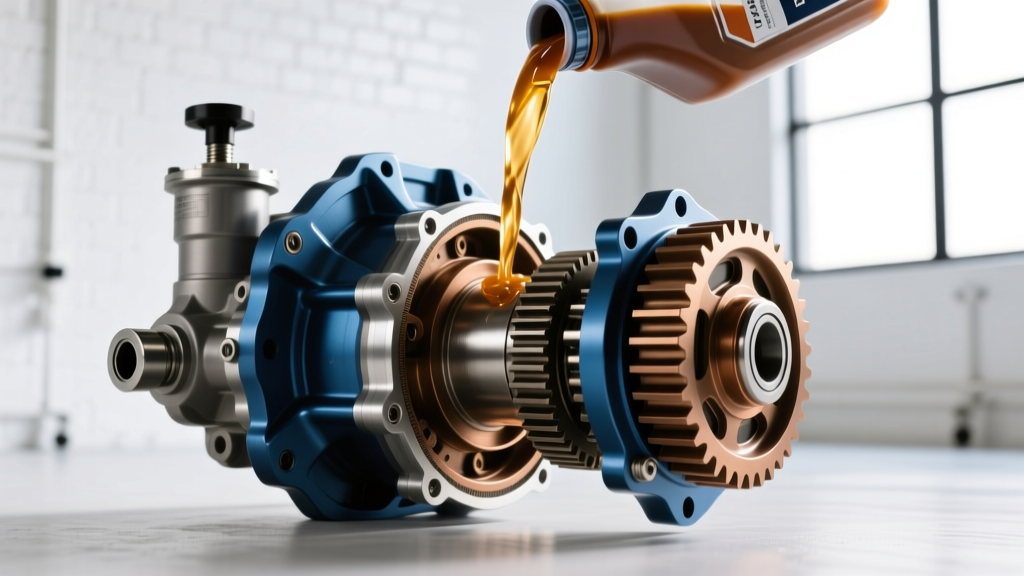
Expert Tip: When performing a DIY tundra differential fluid change, invest in a high-quality piston-style fluid transfer pump. Squeezing gear oil from a flimsy plastic bottle into the tiny fill hole of a 10.5-inch axle is a recipe for spilled synthetic fluid and a ruined driveway. A $25 transfer pump pays for itself on the very first axle service.
Ultimately, whether you pay a shop $300 or spend a Saturday afternoon doing it yourself for $80, the most important factor is consistency. Changing your Tundra's differential fluid every 30,000 miles under severe towing conditions, or every 60,000 miles for standard highway driving, will ensure your axles outlast the truck itself.