The Core Engineering Divergence: Rotational Mass vs. Gross Torque
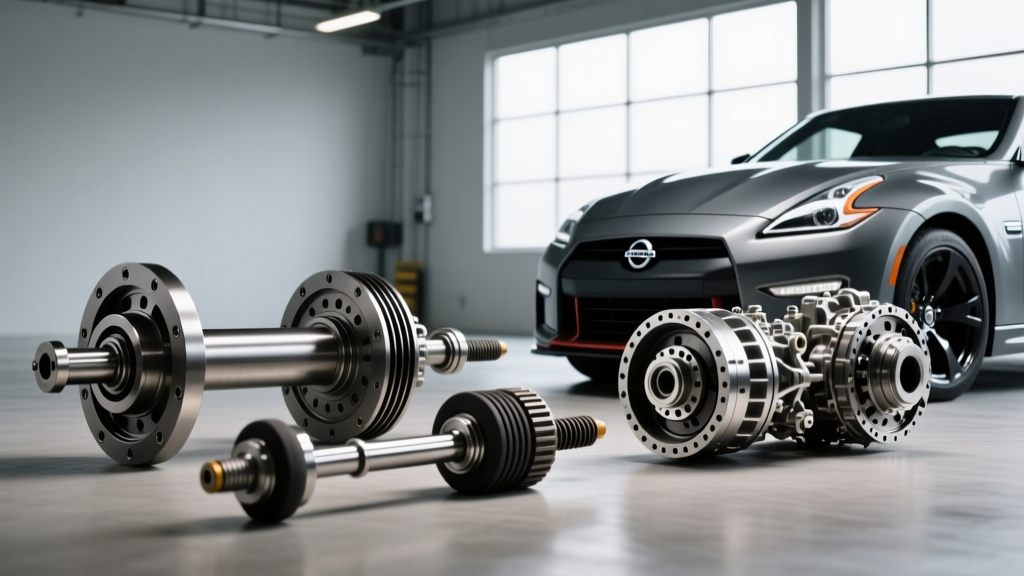
As we navigate the 2026 automotive landscape, the engineering philosophies behind sports car platforms and heavy-duty utility vehicles have never been more distinct. When benchmarking the Nissan Z drivetrain against the drivetrain components found in modern trucks and SUVs (such as the Ford F-250, Chevy Silverado 2500HD, or Jeep Wrangler Rubicon), we are essentially comparing a scalpel to a sledgehammer. The Nissan Z utilizes a VR30DDTT twin-turbo V6 pushing 400 lb-ft of torque, managed through a lightweight carbon-fiber driveshaft and an independent rear differential designed to minimize rotational inertia and maximize throttle response.
Conversely, truck and SUV drivetrain components are engineered for gross torque multiplication, extreme shock loading, and sustained thermal endurance under heavy towing. A modern heavy-duty diesel truck generates upwards of 1,000 to 1,200 lb-ft of crank torque. This massive output requires a completely different approach to metallurgy, gear reduction, and component sizing. Understanding these differences is critical for fleet managers, off-road builders, and powertrain specialists looking to optimize reliability and performance.
Driveshaft Dynamics and U-Joint Selection
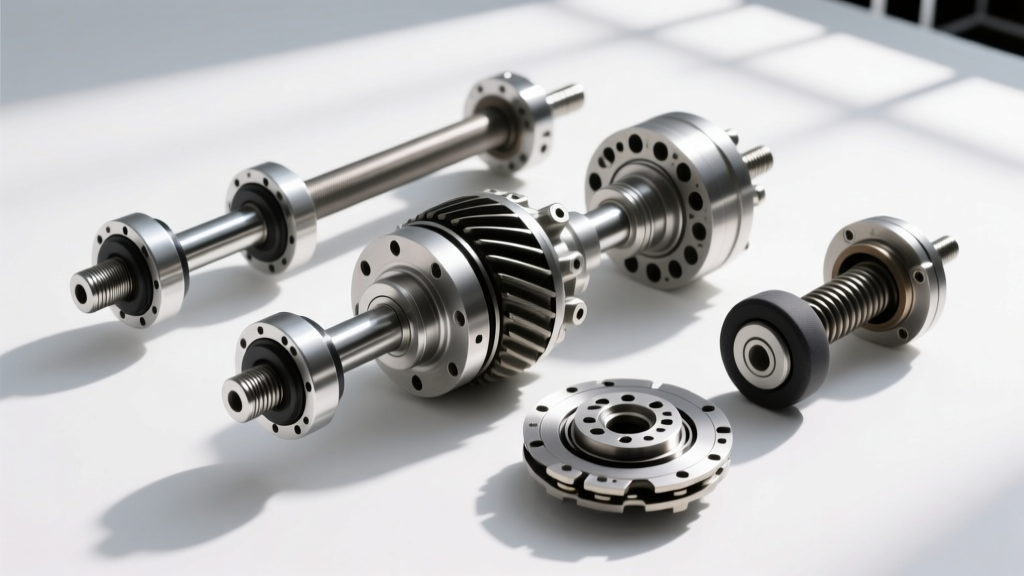
The most immediate visual and functional difference between a sports car and a truck lies in the driveshaft assembly. According to Nissan's official technical specifications, the new Z platform leverages a carbon-fiber composite driveshaft. This material drastically reduces rotational mass, allowing the engine to rev freely while minimizing parasitic loss. The flange bolts connecting this shaft to the rear differential are typically M10 or M12 hardware, torqued to a relatively modest 25 to 37 lb-ft (35-50 Nm).
In the truck and SUV sector, rotational mass is sacrificed for sheer tensile strength and torsional rigidity. Heavy-duty applications utilize two-piece steel or reinforced aluminum driveshafts with massive center support bearings to handle extended wheelbases. The universal joints (U-joints) are the critical failure points in these systems. While a sports car might use a 1310 or 1330 series U-joint, heavy-duty trucks require 1480 series or even Spicer SPL55 Life Series joints to survive the shock loads of launching a 15,000-lb trailer.
Component Specification Matrix
| Specification | Nissan Z Drivetrain (Sports Coupe) | HD Truck/SUV (e.g., F-250 / Silverado 2500HD) |
|---|---|---|
| Driveshaft Material | Carbon-Fiber Composite (1-piece) | Steel / Forged Aluminum (2-piece w/ carrier bearing) |
| U-Joint Series | 1330 / Standard OEM | Spicer 1480 or SPL55 Series |
| Strap Bolt Torque | N/A (Flange bolt design) | 70 - 90 lb-ft (1480 Series) |
| Max Torsional Rating | ~450 lb-ft | 2,500+ lb-ft |
| Primary Failure Mode | Harmonic vibration / Flex disc wear | Cap needle bearing brinelling / Yoke torsion failure |
For truck owners experiencing driveline vibrations or premature U-joint failure, upgrading to Spicer Life Series (SPL) U-joints is a mandatory best practice. The SPL series eliminates the grease zerk, which inherently weakens the cross, and utilizes advanced seal technology to retain synthetic grease while excluding abrasive trail dust.
Axle Architecture and Differential Hardware
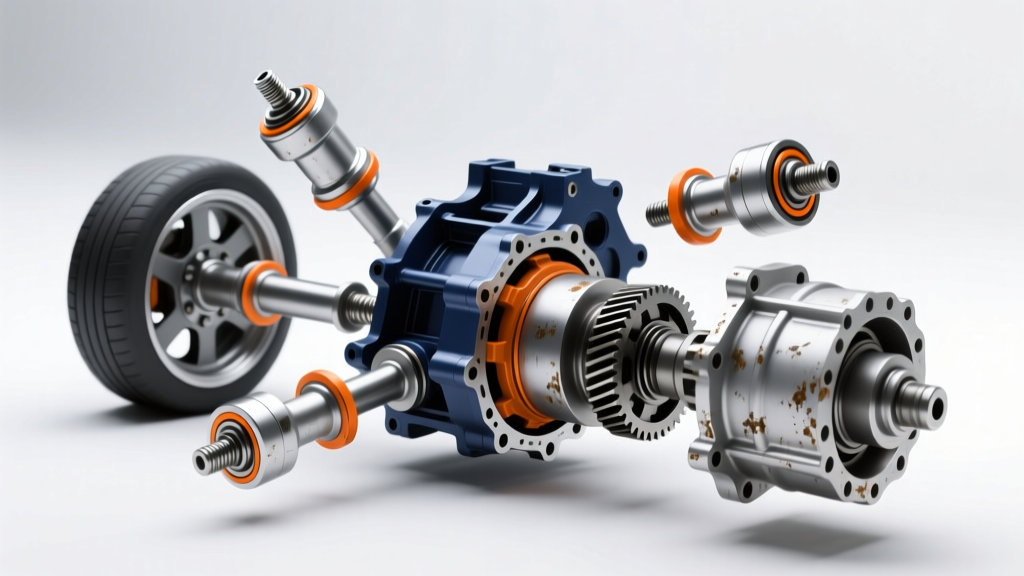
The rear axle configuration highlights the starkest contrast in drivetrain layouts. The Nissan Z employs an independent rear suspension (IRS) with an aluminum-cased R200-style differential. This setup reduces unsprung weight, allowing the rear wheels to maintain optimal contact patch during aggressive cornering. The differential utilizes a viscous or clutch-type limited-slip mechanism designed for smooth torque biasing on paved surfaces.
Solid Axle Torque Specs and Setup Procedures
Trucks and off-road SUVs rely on solid axles—such as the legendary Dana S110 (Ford) or the GM 11.5-inch 14-bolt. These axles house massive ring and pinion gear sets (often 11.5 to 12.25 inches in diameter) designed to multiply torque while surviving the stress of 35-inch to 40-inch mud-terrain tires. When rebuilding or servicing these heavy-duty differentials, precise torque specifications and bearing preload settings are non-negotiable.
- GM 11.5-inch 14-Bolt Pinion Nut: Requires approximately 400 to 450 lb-ft of torque to crush the collapsible spacer and achieve the correct pinion bearing preload (measured in inch-pounds of rotational drag, typically 20-30 in-lbs for new bearings).
- Dana S110 Pinion Nut: Torque specs frequently exceed 450 to 500 lb-ft. Always use a dedicated heavy-duty pinion nut holding tool; attempting to hold the yoke with a standard pry bar will result in catastrophic tool failure and personal injury.
- Ring Gear Bolts: Grade 10.9 or 12.9 hardware is standard. Torque to 120-150 lb-ft (depending on thread diameter) and apply a high-strength threadlocker like Loctite 262.
When sourcing replacement ring and pinion sets or locking differentials for these solid axles, industry leaders like Yukon Gear & Axle provide the necessary heavy-duty metallurgy required for extreme towing and rock-crawling applications.
Transfer Cases: The Off-Road Multiplier
Because the Nissan Z is strictly a rear-wheel-drive platform, it completely omits the transfer case. For trucks and SUVs, the transfer case is the heart of the 4WD system, responsible for splitting torque between the front and rear drivelines. Modern heavy-duty trucks utilize robust, chain-driven transfer cases like the BorgWarner 4484 (GM) or the NV271 (Ford).
These units feature deep low-range reduction ratios (typically 2.64:1 to 2.72:1) to provide the crawling torque necessary for off-road recovery and steep-grade towing. Maintenance of the transfer case is frequently overlooked. While the rear differential might hold 3.5 quarts of 75W-140 synthetic gear oil, transfer cases often require specialized fluids. For instance, GM's Auto-Trak II or specific ATF+4 formulations are required to prevent clutch pack chatter in active torque-transfer (AWD/4A) modes. Fluid intervals should be halved (from 60,000 miles to 30,000 miles) if the vehicle is frequently subjected to heavy towing or deep-water fording, as thermal degradation of the friction modifiers will lead to premature clutch wear.
Expert Maintenance and Upgrade Best Practices for 2026
To ensure maximum longevity of truck and SUV drivetrain components, implement the following expert protocols:
- Driveline Angle Correction: If you have lifted your truck or SUV, the factory pinion angles are compromised, leading to accelerated U-joint wear and harmonic vibrations. Install adjustable control arms or a CV-style front driveshaft to correct the operating angles. Keep operating angles between 1 and 3 degrees, ensuring the front and rear joint angles cancel each other out.
- Differential Fluid Upgrades: When towing near the vehicle's Gross Combined Weight Rating (GCWR), differential temperatures can easily exceed 250°F. Upgrade to a high-quality 75W-140 full synthetic gear oil featuring extreme pressure (EP) additives. Consider installing a differential cover with integrated cooling fins and a magnetic drain plug to capture ferrous wear particles.
- Front Axle Disconnect Maintenance: Many modern SUVs and trucks utilize a front axle disconnect (FAD) to improve fuel economy. The shift motors and internal collars on these units are prone to corrosion and binding. Cycle the 4WD system into 4-High and 4-Low at least once a month to keep the internal shift forks lubricated and the actuators calibrated.
Conclusion
While the Nissan Z drivetrain represents the pinnacle of lightweight, high-revving performance engineering, the drivetrain components found in trucks and SUVs are marvels of brute-force endurance. By respecting the massive torque loads, adhering to strict heavy-duty torque specifications, and utilizing premium aftermarket components from established manufacturers, you can build a truck or SUV driveline capable of surviving millions of miles and the harshest environments on earth.