The True Cost of Drivetrain Neglect in Modern Trucks
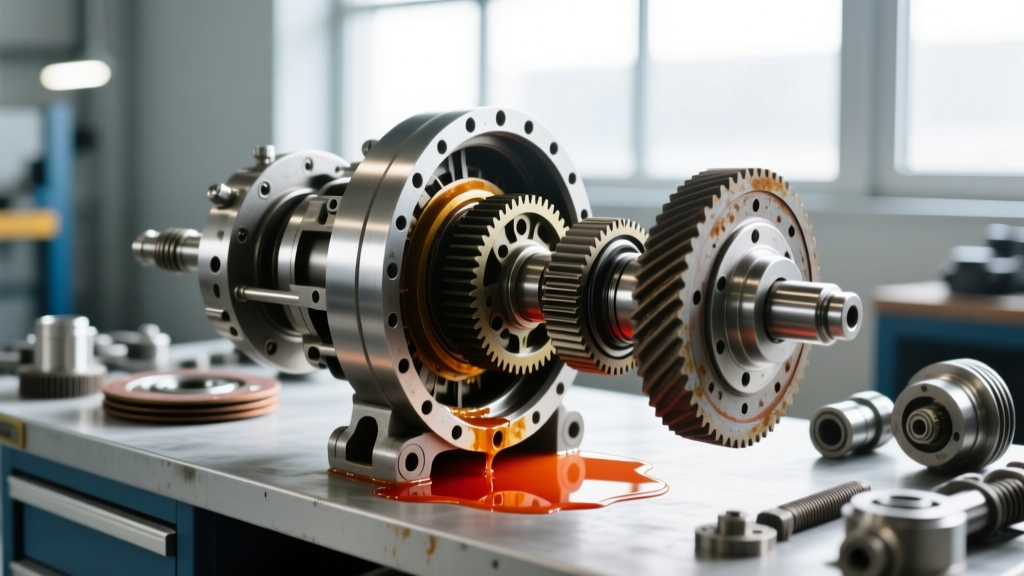
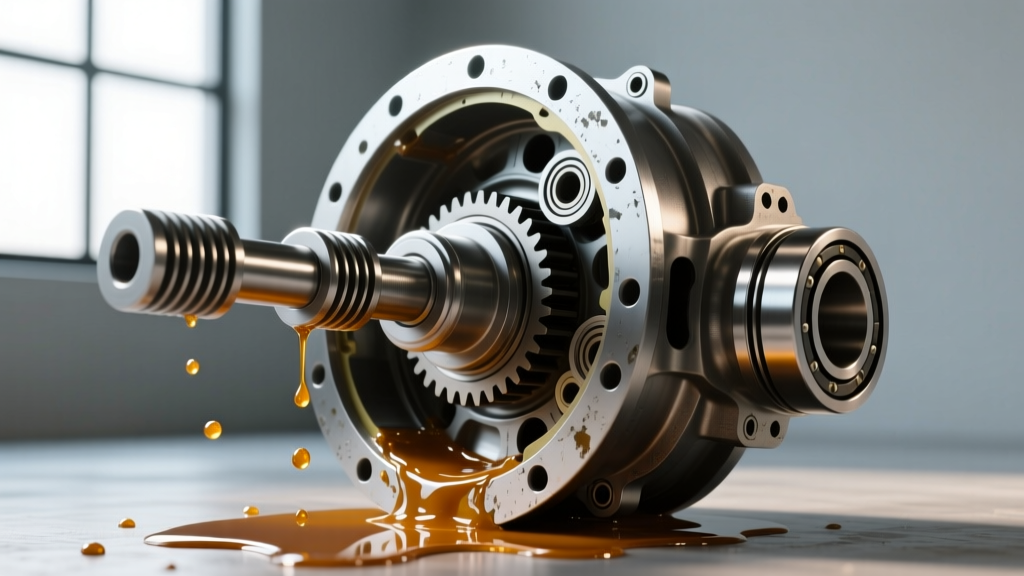
For truck and SUV owners pushing the limits of towing, off-roading, or overlanding, the drivetrain is the ultimate bottleneck. When the unmistakable whine of a failing ring and pinion echoes through the cabin, or when metal shavings glitter in your gear oil, you are immediately faced with a critical financial and mechanical decision. Understanding the cost to replace differential assemblies versus rebuilding or upgrading them is essential for any serious rig builder in 2026.
Modern platforms like the Ford F-150 (with the Super 8.8 rear), the Jeep Wrangler JL (Dana 44 AdvanTEK), and the Chevy Silverado (GM 9.5-inch semi-floating) are engineered for specific factory tire sizes and towing capacities. The moment you introduce 35-inch mud-terrains, a 3-inch lift, or a 10,000-pound camper, the stress on the differential carrier, bearings, and axle shafts multiplies exponentially. This guide breaks down the real-world pricing, performance upgrades, and exact maintenance specifications required to keep your truck moving forward.
Cost to Replace Differential: OEM Swap vs. Performance Rebuild
When a catastrophic failure occurs—such as a spun pinion bearing that gouges the carrier housing or a sheared ring gear bolt—dealerships will almost always recommend a complete crate axle replacement. However, the aftermarket performance sector offers vastly superior alternatives for a fraction of the dealer price. Below is a 2026 market breakdown of the cost to replace differential components across popular truck platforms.
| Service / Upgrade Path | Typical Cost Range (Parts & Labor) | Best Application | Performance Gain |
|---|---|---|---|
| OEM Dealer Crate Axle Swap | $3,800 - $6,500+ | Stock trucks under warranty | None (Factory specs) |
| Master Rebuild (Timken Bearings + Seals) | $900 - $1,600 | High-mileage daily drivers | Restored reliability |
| Regear & Locker Upgrade (e.g., 4.88 + ARB) | $2,200 - $3,500 | Off-road rigs with 33"-37" tires | Massive traction & torque multiplication |
| Full Axle Swap (e.g., Dana 60 Crate) | $4,500 - $8,000 | Extreme rock crawling / heavy towing | Unmatched structural integrity |
As the data illustrates, the cost to replace differential units at a dealership is often double what a specialized drivetrain shop charges to completely rebuild the housing with upgraded chromoly axles and a selectable locker. According to engineering data from Dana Spicer, upgrading to a forged 4340 chromoly axle shaft increases torsional yield strength by up to 40% over standard OEM carbon steel shafts, making the rebuild route not just cheaper, but fundamentally stronger.
Platform-Specific Vulnerabilities and Upgrades
- Ford Super 8.8 (2015+ F-150): Features a 12-bolt ring gear and larger 34-spline axles compared to the legacy 8.8. The weak point remains the aluminum differential housing under extreme shock loads. Upgrading to a Yukon Gear nodular iron third member eliminates housing deflection.
- Jeep JL/JT Dana 44 AdvanTEK: The ring gear bolts are notoriously prone to stretching under 37-inch tire loads. Upgrading to ARP 200,000 PSI ring gear bolts and utilizing a solid pinion spacer (eliminating the crush sleeve) is mandatory for reliability.
- GM 9.5-Inch (Silverado/Sierra 1500): A robust semi-floating axle, but the factory G80 locking differential is known for catastrophic disintegration when subjected to high-RPM engagement. Swapping to an Eaton E-Locker or Detroit Locker is a highly recommended performance upgrade.
Precision Setup: Torque Specs and Gear Patterns
A successful differential rebuild or regear hinges entirely on setup precision. If you are auditing a shop's work or tackling a DIY gear swap in your garage, adhering to exact torque specifications and backlash measurements is non-negotiable. Improper setup will destroy a $400 gear set in under 500 miles.
Critical Torque Specifications (Reference Guide)
- Ford 8.8 / Super 8.8 Ring Gear Bolts: 70-85 lb-ft (Must use Red Loctite 271 and Grade 8 hardware).
- GM 9.5-Inch Ring Gear Bolts: 120 lb-ft (Apply thread locker; ensure mating surfaces are completely free of oil).
- Dana 44 Pinion Nut (Crush Sleeve): 180-220 lb-ft (Tighten incrementally until reaching 15-25 in-lb of rotational preload. Pro-Tip: Machine the housing for a solid spacer to eliminate crush sleeve failure risks).
- Carrier Bearing Cap Bolts: 45-60 lb-ft (Depending on housing material; always use a dial indicator to check for cap spread).
Reading the Gear Pattern
Using a high-contrast yellow gear marking compound, you must evaluate the contact pattern on both the drive and coast sides of the ring gear teeth. The ideal pattern should be centered vertically on the tooth face, slightly biased toward the heel (the inner end of the tooth) under no-load conditions. As load is applied, the pattern will shift toward the toe. If the pattern runs high on the tooth (toward the top land), you must decrease the pinion depth shim. If it runs low (toward the root), increase the pinion depth. Backlash should typically be set between 0.006" and 0.008" for street/towing applications, and up to 0.010" for dedicated off-road rigs to allow for thermal expansion and shock-loading deflection.
"The most common mistake we see in truck differentials is relying on the factory crush sleeve for pinion preload. When a truck with 35-inch tires backs up a steep incline and the driveline shocks, the crush sleeve can collapse further, instantly destroying pinion bearing preload and leading to catastrophic gear separation." — Senior Drivetrain Engineer, Off-Road Performance Lab
Heavy-Duty Fluid Maintenance for Modified Rigs
Upgrading your gears and lockers is only half the battle; the lubrication strategy must match your build's severity. Factory 75W-85 or 75W-90 synthetic fluids are designed for fuel economy and stock tire weights. When you increase the rotating mass and alter the gear ratio (e.g., moving to 4.88 or 5.13 gears), the pinion gear dips deeper into the fluid, but the shear forces on the lubricant film increase drastically.
Fluid Selection Matrix by Application
- Stock / Light Towing (Up to 33" tires): 75W-90 Full Synthetic (e.g., Mobil 1 Synthetic Gear Lubricant). Change interval: 50,000 miles.
- Heavy Towing / Overlanding (33" - 37" tires): 75W-140 Full Synthetic (e.g., AMSOIL Severe Gear or Motul Gear 300 75W-140). The higher viscosity maintains hydrodynamic film strength under extreme heat generated by towing 8,000+ lbs. Change interval: 30,000 miles or annually if submerged in water.
- Friction Modifiers: If your truck utilizes a clutch-type Limited Slip Differential (LSD) like the Ford 8.8 Traction-Lok, you must add the manufacturer-specific friction modifier (e.g., Ford XL-3 or equivalent) to prevent chatter and clutch pack degradation. Selectable lockers (ARB, Eaton) and gear-driven lockers (Detroit, Spartan) do not require friction modifiers.
Cover Upgrades and Thermal Management
When performing differential maintenance on trucks, consider upgrading the stamped steel factory differential cover. High-clearance, finned aluminum covers from brands like PPE or ARB not only protect the pumpkin from trail rocks but also increase fluid capacity by up to 1.5 quarts and act as a massive heat sink. Lowering the operational temperature of the gear oil by just 20°F can double the lifespan of the synthetic fluid and the internal bearings.
The Decision Matrix: Rebuild, Replace, or Upgrade?
Ultimately, the cost to replace differential assemblies should be viewed through the lens of your vehicle's intended purpose. If you are driving a stock Silverado and the differential failed under normal use, a master rebuild kit with Timken bearings and OEM gears is the most cost-effective route. However, if you are building an overland expedition vehicle or a dedicated tow rig, the moment the differential is open is the exact moment you should be installing a solid pinion spacer, a high-clearance cover, 4.88 gears, and a selectable locker. By treating the initial failure as an opportunity to upgrade, you eliminate the weak links in your drivetrain and ensure your truck can handle the torque demands of modern off-road and towing applications for years to come.