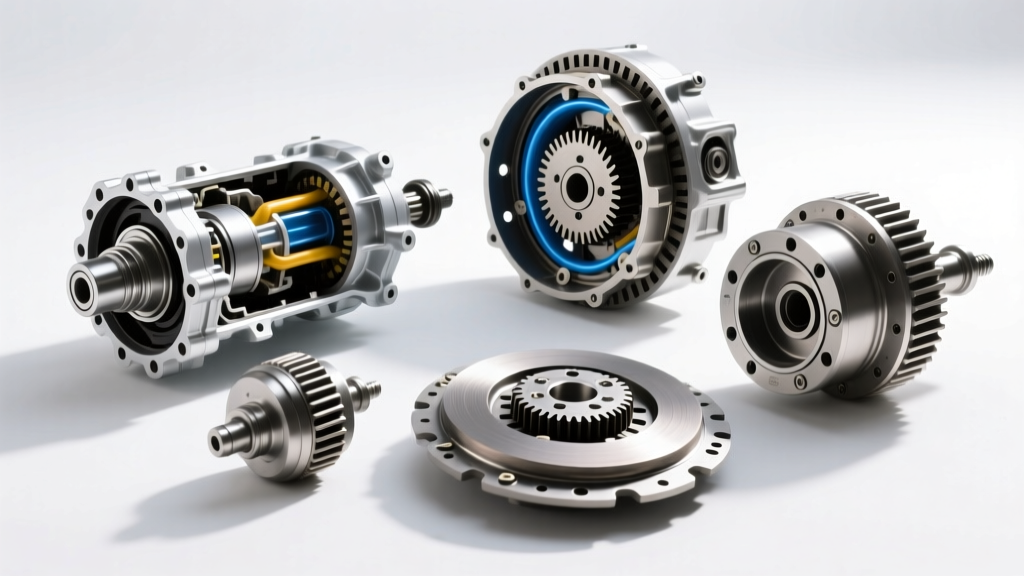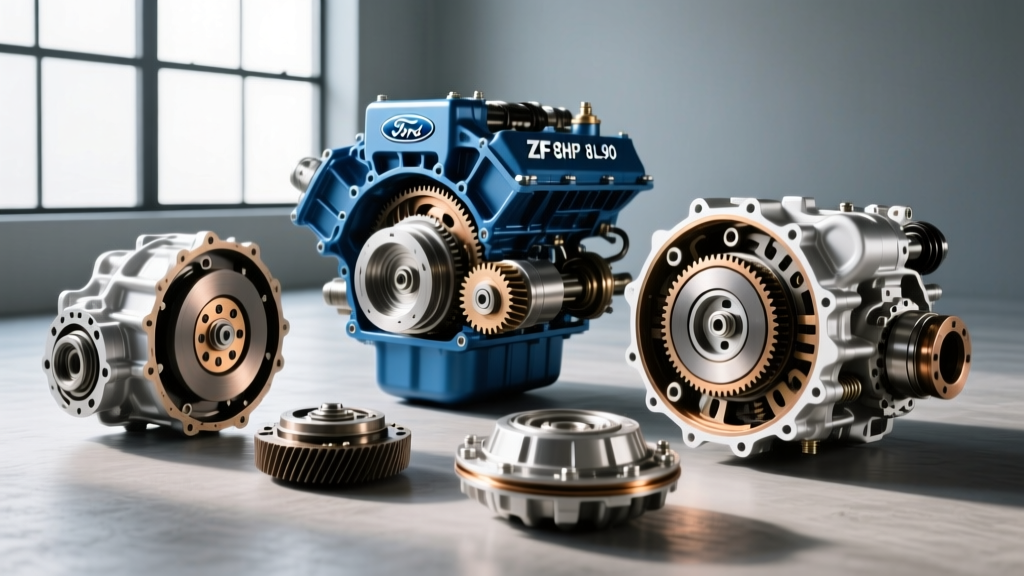
Winter introduces a unique set of thermodynamic challenges to modern drivetrains. When ambient temperatures plummet below freezing, automatic transmission fluid (ATF) viscosity increases, internal metallic clearances contract, and electronic shift mapping defaults to cold-weather protocols. If you are a technician or an advanced DIYer trying to figure out how to troubleshoot transmission problems that exclusively manifest in sub-zero environments, you must look beyond standard mechanical wear and focus on thermal dynamics.
This step-by-step guide provides a comprehensive diagnostic framework for addressing cold-weather shift anomalies, focusing on prevalent modern units like the ZF 8HP, GM 8L90, and Ford 10R80. By understanding the intersection of fluid rheology and mechatronic response times, you can accurately isolate winter-specific drivetrain faults.
The Physics of Cold-Weather Transmission Failures
Before connecting a scan tool, it is critical to understand why a transmission that shifts flawlessly at 75°F (24°C) might exhibit harsh engagements or slip codes at 10°F (-12°C). The root causes generally fall into three categories:
- Viscosity Index Shift: Even highly refined synthetic ATFs thicken in extreme cold. This delays hydraulic pressure buildup in the clutch apply circuits, causing momentary slip or harsh accumulator charging.
- Thermal Contraction: Valve bodies are typically cast aluminum, while the spool valves and solenoids are steel or brass. In extreme cold, the aluminum contracts at a different rate than the steel, altering critical hydraulic clearances and causing internal cross-leaks or valve binding.
- Seal Hardening: Elastomeric O-rings and lip seals lose their pliability in freezing temperatures, leading to transient pressure drops until the friction and fluid heat restore their flexibility.
Step 1: Verify Cold-Start Fluid Viscosity and Level
The most common mistake when diagnosing winter shifting issues is checking the fluid level using hot-temperature procedures. Modern transmissions require precise fluid volumes, and overfilling can cause the fluid to aerate (foam) when cold, leading to severe slipping and pump cavitation.
OEM-Specific Fluid Requirements
Do not rely on 'universal' ATFs for cold-weather troubleshooting. Modern 8, 9, and 10-speed transmissions require ultra-low viscosity (ULV) fluids engineered for specific thermal profiles:
- GM 8L90 / 10L90: Requires Dexron ULV (Part# 19355656). Using older Dexron VI in these units will cause severe cold-shift clunks due to inadequate flow rates through the micro-valves.
- ZF 8HP (8HP45/70/90): Requires ZF LifeguardFluid 8 (Part# S671 090 312). As noted in the ZF Aftermarket Lubricant Guidelines, substituting this fluid voids the warranty and ruins cold-weather shift quality.
- Ford 10R80: Requires MERCON ULV (Part# XT-12-QULV).
Pro-Tip: To check the fluid level on a GM 8L90 at cold ambient temperatures (68°F / 20°C), the fluid should be at the bottom edge of the level check plug. If you check it at operating temperature (180°F / 82°C), it should be at the top edge. Always use an infrared thermometer on the transmission pan to verify the exact temperature before pulling the plug.
Step 2: Scan for Temperature-Dependent Solenoid Codes
When learning how to troubleshoot transmission problems in freezing weather, your OBD2 scanner is your best asset. Look for codes that set only during the first 10 minutes of a cold start. Common culprits include P0751 (Shift Solenoid A Performance) or P2714 (Pressure Control Solenoid D Stuck Off).
The ZF 8HP Mechatronic Sleeve Issue
A notorious cold-weather issue on BMW, Chrysler, and Audi vehicles equipped with the ZF 8HP is the failure of the mechatronic sealing sleeve. The O-rings on the plastic sleeve harden and shrink in sub-zero temperatures, causing internal hydraulic leaks. The transmission control module (TCM) detects a pressure drop and triggers a 'Transmission Fault: Drive Moderately' limp mode. Once the vehicle is parked in a heated garage, the seals warm up, expand, and the fault seemingly disappears.
The Fix: Replace the mechatronic sealing sleeve (Part# 24.34.7 600 431). When reinstalling, the retaining bolts must be torqued to exactly 8 Nm (71 lb-in). Over-torquing will crack the plastic sleeve; under-torquing will cause immediate cross-leaks.
Step 3: Inspect the Transmission Fluid Thermostat and Bypass
Modern automatic transmissions utilize a thermal bypass valve integrated into the cooler lines or the transmission case. The purpose of this valve is to route fluid around the external radiator cooler until the ATF reaches approximately 160°F (71°C). This allows the transmission to warm up quickly, reducing emissions and improving cold-shift quality.
Diagnosing a Stuck-Open Bypass Valve
If the thermal bypass valve is stuck open, the transmission will constantly circulate fluid through the cooler. In winter, the ATF may never reach its target operating temperature of 190°F (88°C). The TCM will keep the transmission in 'Cold Shift Mode' indefinitely, characterized by:
- Delayed upshifts (holding gears to 3,500+ RPM).
- Harsh 2-1 downshifts when coming to a stop.
- Inhibition of Torque Converter Clutch (TCC) lockup.
Diagnostic Action: Monitor the Transmission Fluid Temperature (TFT) PID via a bi-directional scan tool during a 20-mile highway drive in 30°F weather. If the TFT never exceeds 120°F (49°C), the bypass valve is stuck open, or the external cooler lines are routed incorrectly. When replacing cooler line fittings on units like the GM 6L80 or 8L90, ensure flare nuts are torqued to 35 Nm (26 lb-ft) to prevent cold-weather seepage.
Step 4: Monitor Torque Converter Clutch (TCC) Slip via OBD2
TCC shudder is a frequent winter complaint. The TCC relies on a Pulse Width Modulated (PWM) solenoid to smoothly apply the clutch. In extreme cold, thickened ATF can cause the PWM solenoid to respond sluggishly, resulting in either harsh lockup (a feeling like driving over rumble strips) or excessive slip.
Connect your scan tool and graph the TCC Slip Speed and TCC Solenoid Duty Cycle parameters. Under normal, warm conditions, TCC slip should be between 0 and 20 RPM when fully locked. If you observe slip speeds exceeding 100 RPM accompanied by rapid fluctuations in the solenoid duty cycle during a cold start, the torque converter clutch material may be glazed, or the TCC regulator valve in the pump is binding due to thermal contraction.
Cold Weather Transmission Troubleshooting Matrix
Use the following diagnostic matrix to quickly cross-reference symptoms with their most likely cold-weather root causes. This data is compiled from Automatic Transmission Service Group (ATSG) technical bulletins and field diagnostics.
| Symptom | Probable Cause | Diagnostic Action | Common Models |
|---|---|---|---|
| Harsh 2-1 downshift when stopping cold | High line pressure due to cold-shift mapping; sticking pressure control solenoid. | Check TFT sensor accuracy; verify solenoid resistance at 20°F. | Ford 10R80, GM 8L90 |
| Limp mode on cold start, clears when warm | Hardened mechatronic O-rings causing internal pressure drop. | Check for P0730/P0868 codes; perform cold-stall pressure test. | ZF 8HP (BMW/Audi) |
| TCC shudder only below 40°F ambient | Thickened ATF causing PWM solenoid hysteresis; degraded friction modifiers. | Graph TCC slip RPM; perform fluid exchange with OEM ULV ATF. | GM 6L80, Honda 9AT |
| Delayed forward engagement (Reverse OK) | Forward clutch piston seal shrinkage; low fluid level due to cold contraction. | Check cold fluid level; inspect clutch apply times on scan tool. | Toyota U660F, Ford 6R80 |
Step 5: Evaluate Engine Coolant Heat Transfer
Many modern transmissions, particularly those from General Motors and Toyota, utilize a coolant-to-ATF heat exchanger (transmission warmer) integrated into the engine's cooling system. This device uses hot engine coolant to rapidly heat the transmission fluid during a cold start.
If the engine thermostat is stuck open, the engine will run cool, and consequently, the transmission will never receive the thermal energy required to exit cold-shift mode. Furthermore, if the internal brazed plate heat exchanger fails internally, engine coolant can mix with the ATF. In freezing temperatures, this coolant contamination will turn the ATF into a sludgy, pink emulsion that completely blocks the narrow hydraulic circuits of the valve body.
Testing the Heat Exchanger
Use an infrared thermometer to measure the temperature of the coolant line entering the transmission warmer and the ATF line exiting it. Within 5 minutes of a cold start, the ATF line temperature should rise rapidly, closely tracking the engine coolant temperature. If the engine is at 160°F but the transmission pan remains at ambient freezing temperatures, the internal heat exchanger is blocked or the coolant bypass valve is malfunctioning.
Preventative Maintenance for Sub-Zero Drivetrains
Troubleshooting is only half the battle; preventing cold-weather transmission damage requires proactive maintenance. According to data from the National Highway Traffic Safety Administration (NHTSA), many winter drivetrain failures are preceded by ignored fluid degradation and incorrect maintenance intervals.
- Install a Transmission Pan Heater: For vehicles regularly parked outdoors in temperatures below -20°F (-29°C), an AC-powered silicone pan heater pad can keep the ATF above its pour point, ensuring immediate hydraulic pressure upon startup.
- Avoid 'Universal' Synthetic ATFs: While multi-vehicle ATFs claim compatibility with dozens of standards, they often compromise on the specific friction modifiers and viscosity indices required by ULV systems in extreme cold. Always use the exact OEM part number.
- Respect the Cold-Shift Protocol: Modern TCMs intentionally delay upshifts and inhibit overdrive when the TFT is below 104°F (40°C) to generate heat via torque converter slip. Do not attempt to force an upshift via manual mode or paddle shifters during this warm-up phase, as this can cause severe clutch pack scoring due to inadequate line pressure.
Conclusion
Knowing how to troubleshoot transmission problems in cold weather requires a shift in diagnostic mindset. You must account for the physical realities of thermal contraction, fluid viscosity, and OEM-specific warm-up strategies. By systematically verifying fluid levels at the correct temperature thresholds, monitoring thermal bypass operation, and analyzing TCC slip data via a bi-directional scanner, you can accurately pinpoint the root cause of winter shifting anomalies. Whether you are dealing with a hardened ZF 8HP mechatronic seal or a stuck GM 8L90 cooler bypass, precision and adherence to OEM torque and fluid specifications are your best defenses against the cold.