The Drivetrain Divide: Longitudinal vs. Lateral Torque
When beginners and seasoned gearheads alike try to map out their vehicle's four-wheel-drive or all-wheel-drive system, a common point of confusion arises: what exactly is the difference between the transfer case and the rear axle? More specifically, how does a traditional transfer case interact with a modern electronic limited slip differential (eLSD)? As we evaluate the sophisticated AWD and 4WD platforms defining the 2026 automotive landscape, understanding this relationship is no longer just for drivetrain engineers—it is essential for anyone looking to maintain, troubleshoot, or upgrade their vehicle.
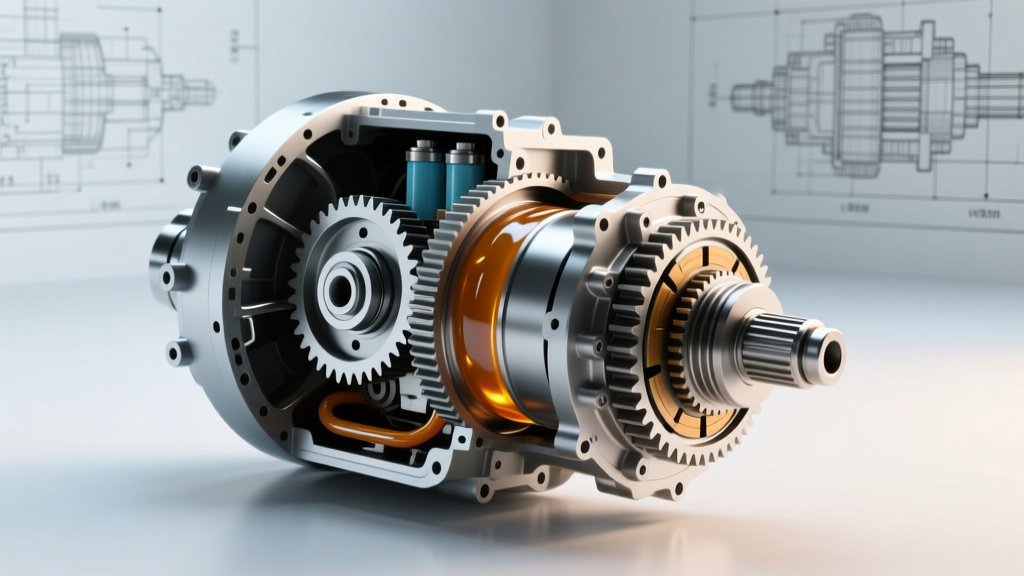
To put it simply, the transfer case and the differential operate on two completely different axes of torque management. The transfer case is responsible for longitudinal torque split. It takes the rotational energy from the transmission and decides how much power goes to the front axle versus the rear axle. Conversely, the electronic limited slip differential handles lateral torque split. Once the power reaches the rear (or front) axle, the eLSD determines how that power is distributed between the left and right wheels.
If your transfer case sends 50% of the engine's torque to the rear axle, but your rear open differential sends 100% of that rear torque to a spinning right wheel on an icy patch, you are stuck. This is where the electronic limited slip differential steps in, using internal clutch packs to route torque laterally to the wheel with grip. But how do these two distinct components coordinate without fighting each other?
How the Transfer Case and eLSD Communicate
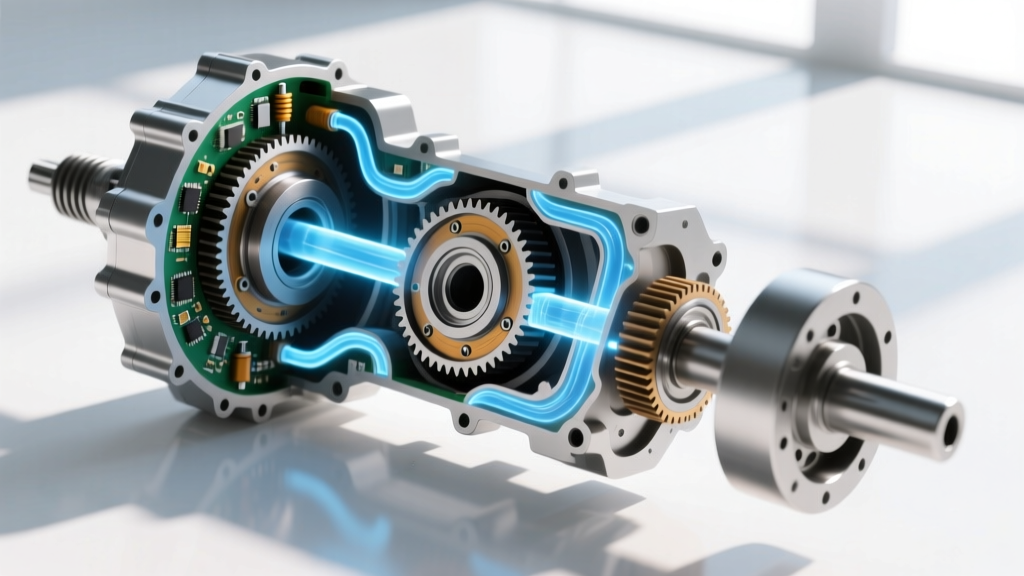
In older, purely mechanical 4x4 systems, the transfer case (often a gear-driven unit like the legendary NP205) and the rear differential were entirely isolated from one another. They reacted purely to physical resistance. Today, modern platforms utilize high-speed Controller Area Network (CAN) buses to allow the transfer case and the electronic limited slip differential to communicate in real-time, often reacting to wheel slip in under 100 milliseconds.
The Role of the Chassis Control Module
In vehicles equipped with an eLSD—such as the GM Alpha-platform Cadillacs, the Ford F-150 Tremor, or performance AWD sedans utilizing GKN twin-clutch rear modules—a central Chassis Control Module or Powertrain Control Module (PCM) acts as the brain. When the vehicle's yaw sensors and wheel speed sensors detect slip, the PCM calculates the exact torque required to stabilize the vehicle.
For example, if you are cornering hard on a wet road in an AWD performance car, the PCM might command the transfer case's internal electromagnetic clutch to send 35% of the torque rearward to induce a slight rotation, while simultaneously commanding the electronic limited slip differential to lock its internal clutches at 40% capacity to push the outside rear wheel through the apex. According to engineering insights from ZF Axle Drives, this seamless integration of longitudinal and lateral torque vectoring is what gives modern AWD systems their supercar-level agility.
Fluid Specifications: Where Beginners Make Costly Mistakes
Because the transfer case and the electronic limited slip differential perform different tasks, they require vastly different lubrication chemistries. A frequent and catastrophic beginner mistake is assuming that 'drivetrain fluid' is universal, or worse, using standard gear oil in an eLSD without the required friction modifiers.
| Component | Primary Function | Typical Fluid Type | Common OEM Examples | Avg. Fluid Capacity |
|---|---|---|---|---|
| Transfer Case (TOD/AWD) | Front/Rear Torque Split | Low-Viscosity ATF or Specialized T-Case Fluid | GM AutoTrak II, BorgWarner 4421 Fluid, MERCON LV | 1.5 to 2.5 Quarts |
| Electronic Limited Slip Diff | Left/Right Torque Vectoring | Heavy Gear Oil + Friction Modifier (FM) | 75W-90 / 75W-140 + Motorcraft XL-3 or GM 88862624 | 2.0 to 3.5 Quarts |
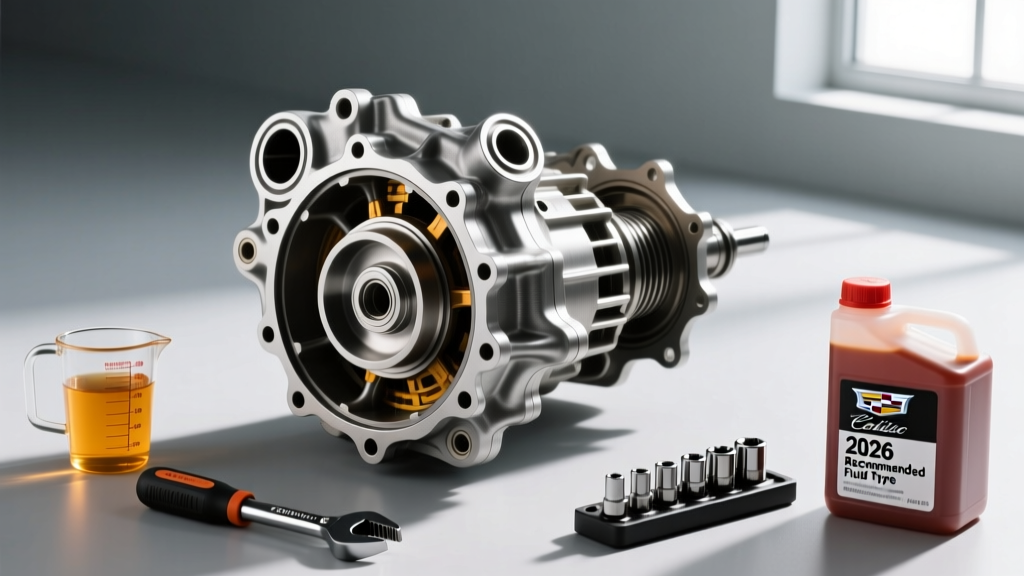
The transfer case relies on wet clutches (often arranged in a Torque-On-Demand or TOD configuration, as detailed by BorgWarner's transfer case technologies) that require low-viscosity fluids to cool the clutch packs and allow rapid electromagnetic engagement. Putting thick 75W-140 gear oil in a BorgWarner 4421 transfer case will cause immediate clutch pack overheating, sluggish engagement, and eventual failure of the encoder motor.
Conversely, the electronic limited slip differential operates under extreme shear pressure. The hypoid ring and pinion gears require the high-pressure protection of 75W-90 or 75W-140 synthetic gear oil. However, the eLSD's internal carbon or Kevlar-lined clutch packs require a specific Friction Modifier (FM). Without the FM additive, the clutch packs will grab aggressively rather than slip smoothly, resulting in a violent 'chatter' or shudder when turning at low speeds.
Real-World Maintenance: Torque Specs and Service Intervals
Servicing these two components is a rite of passage for DIY mechanics, but precision is required. As of the 2026 model year, many manufacturers have moved toward 'lifetime' fluid claims for sealed differentials and transfer cases. However, independent drivetrain experts and Hagerty's maintenance guides universally recommend draining and filling both units every 30,000 to 50,000 miles, especially if the vehicle is used for towing, off-roading, or track duty.
Critical Torque Specifications
Stripping the threads on an aluminum differential cover or a magnesium transfer case housing is an expensive lesson. Always use a calibrated torque wrench when reinstalling drain and fill plugs.
- Typical Rear Differential Fill/Drain Plugs: 25 to 33 lb-ft (34 to 45 Nm). Always replace the crush washer or use a new OEM plug with a pre-applied thread sealant.
- Typical Transfer Case Fill/Drain Plugs: 15 to 20 lb-ft (20 to 27 Nm). Transfer case housings are often thinner and more prone to cracking if over-torqued.
- Differential Cover Bolts (if applicable): 20 to 25 lb-ft, tightened in a star pattern to ensure even gasket compression.
Pro-Tip: Always remove the fill plug first before removing the drain plug. If the fill plug is seized or stripped, you do not want to be left with an empty transfer case or eLSD and no way to refill it.
Diagnosing Drivetrain Shudder and Binding
When the relationship between the transfer case and the electronic limited slip differential falls out of harmony, the vehicle will let you know. Here is a beginner-friendly diagnostic framework for common drivetrain complaints:
1. Low-Speed Cornering Chatter (Rear Axle)
The Symptom: The rear of the vehicle shudders or 'hops' when making tight turns in a parking lot. The Culprit: Depleted friction modifier in the eLSD fluid, or worn internal clutch packs. The Fix: Perform a drain and fill of the rear differential using the exact OEM-specified 75W-90 fluid and add one bottle of the manufacturer's friction modifier. If the chatter persists after 50 miles of driving to work the fluid into the clutches, the eLSD clutch pack requires physical replacement.
2. Drivetrain Binding on Dry Pavement (4WD Systems)
The Symptom: The vehicle feels like the brakes are dragging when turning on dry pavement, accompanied by a loud popping sound from underneath. The Culprit: The transfer case is locked in 4-High or 4-Low. Because the front and rear axles travel at slightly different speeds during a turn, a locked part-time transfer case causes 'wind-up' in the driveline. The Fix: Shift the transfer case back into 2-High or Auto-4WD. If the vehicle is equipped with a locked eLSD and a locked transfer case simultaneously on high-traction surfaces, the stress can snap axle shafts or strip ring gear teeth.
3. AWD Clutch Overheating Warnings
The Symptom: A dashboard warning indicates 'AWD Disabled' or 'Transfer Case Overheating' after driving in deep sand or performing repeated hard launches. The Culprit: The transfer case fluid has degraded and can no longer absorb the thermal load generated by the TOD clutch pack slipping. The Fix: Allow the vehicle to cool, then immediately service the transfer case fluid. Consider installing an aftermarket transfer case fluid temperature gauge if you frequently subject the vehicle to high-slip environments.
Summary
Understanding the distinct but cooperative relationship between your transfer case and your electronic limited slip differential is the key to unlocking your vehicle's true performance potential. The transfer case manages the front-to-rear conversation, while the eLSD handles the left-to-right execution. By respecting their unique fluid requirements, adhering to precise torque specifications, and recognizing the early warning signs of clutch degradation, you can ensure your drivetrain remains reliable, predictable, and ready for whatever the road throws at it.