The Drivetrain Hierarchy: Power Flow from Transmission to Axles
For beginners diving into 4WD and AWD maintenance, the underside of a truck or SUV can look like a tangled metal puzzle. At the heart of this system are two critical components that must work in perfect harmony: the transfer case and the differentials. While many enthusiasts focus solely on replacing differential fluid to protect their ring and pinion gears, ignoring the transfer case is a recipe for catastrophic drivetrain failure. To truly master 4WD maintenance, you must understand the mechanical and chemical relationship between these two units.
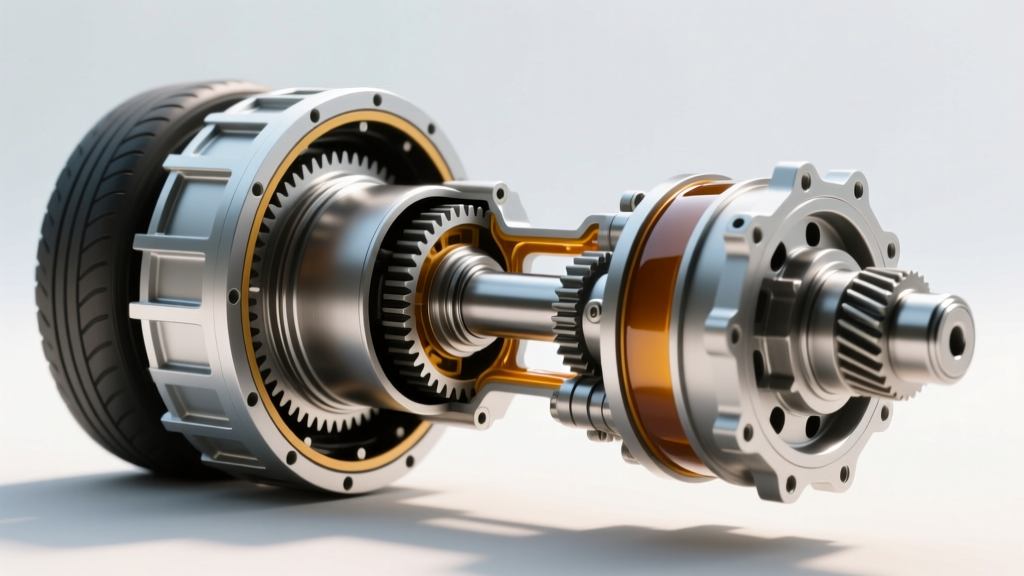
Think of the transfer case as the traffic cop of your drivetrain. Bolted directly to the rear of the transmission, it receives engine torque and splits it between the front and rear drive shafts. The differentials, located at the ends of those drive shafts on the axles, take that split torque and distribute it to the left and right wheels, allowing them to rotate at different speeds during cornering. If one component is starved of proper lubrication, the stress cascades through the entire system.
Why Replacing Differential Fluid Requires Transfer Case Awareness
When you crawl under a vehicle like a Chevrolet Silverado or a Ford F-150, the transfer case and the front differential are connected via the front drive shaft and a series of U-joints. Because of this physical linkage, a failure in one area often mimics or accelerates a failure in the other. Furthermore, the fluids inside these housings serve entirely different chemical purposes. Mixing them up or servicing them in the wrong order can lead to expensive internal damage.
The Chemistry Clash: Gear Oil vs. Transfer Case Fluid
The most common beginner mistake is assuming all drivetrain fluids are interchangeable. They are not. Differentials rely on heavy, high-viscosity gear oils (like 75W-90 or 75W-140 GL-5). These oils contain extreme pressure (EP) additives—typically sulfur and phosphorus compounds—designed to cushion the massive sliding friction of hypoid ring and pinion gears.
Conversely, chain-driven transfer cases (like the ubiquitous GM NV246 or the Ford BorgWarner 4406) rely on automatic transmission fluids (ATF) or specialized synthetic transfer case fluids. These fluids contain friction modifiers tailored for internal clutch packs and are designed to lubricate high-speed roller chains and bearings. If you accidentally pump thick GL-5 gear oil into a transfer case, the fluid will be too viscous to flow through the small lubrication passages, leading to chain stretch, clutch pack burnout, and eventual case rupture.
Fluid Specification Guide for Common 4WD Systems
Before you start turning wrenches, you must verify the exact fluid specifications for your specific vehicle. Below is a reference table for some of the most common 4WD systems on the road today.
| Vehicle / Platform | Transfer Case Model | Transfer Case Fluid | Differential Fluid (F/R) |
|---|---|---|---|
| GM Silverado / Sierra 1500 (4WD) | NVG 246 (Auto-Trak) | Auto-Trak II (GM PN 12378508) | 75W-90 GL-5 Synthetic |
| Ford F-150 (4WD) | BorgWarner 4406 | MERCON LV ATF | 75W-140 GL-5 (Rear) / 75W-90 (Front) |
| Jeep Wrangler (JL) | MP 3023 (Selec-Trac) | ATF+4 | 75W-85 GL-5 (Dana 44 / M210/M220) |
| Toyota Tacoma (4WD) | VF4B | 75W-85 GL-5 Gear Oil | 75W-90 GL-5 Synthetic |
Note: Always consult your owner's manual or a trusted service database like Motor Trend's Tech Guides for your exact year and model, as mid-year production changes can alter fluid requirements.
The Correct Order of Operations for Drivetrain Service
When tackling a full 4WD drivetrain service, the order in which you replace the fluids matters. Professional technicians follow a specific sequence to prevent cross-contamination and ensure accurate fluid level readings.
Step 1: Service the Transfer Case First
Always start with the transfer case. Why? Because the transfer case sits higher than the differentials. If you accidentally spill gear oil or ATF on the exterior of the case while filling it, it will drip down onto the drive shafts and differential housings. By servicing the transfer case first, you can easily wipe away any drips before moving to the axles. Furthermore, many modern transfer cases require the vehicle to be perfectly level, and doing this first ensures you haven't jacked up one side of the vehicle unevenly to reach a stubborn differential cover.
- Tool Tip: Use a 3/8-inch square drive ratchet or a dedicated transfer case fluid pump. Many modern cases do not have a traditional drain plug; instead, they use a flush-fit fill plug that requires a specialized hex or square socket.
- Torque Spec: For the GM NV246, the fill plug torque specification is exactly 18 lb-ft. Overtightening can crack the magnesium or aluminum case.
Step 2: Front and Rear Differential Service
Once the transfer case is sealed and wiped clean, move to the differentials. When replacing differential fluid, always remove the fill plug first before removing the drain plug or prying off the differential cover. There is nothing worse than draining 3 quarts of 75W-140 gear oil, only to discover your fill plug is seized or stripped, leaving your truck immobilized on jack stands.
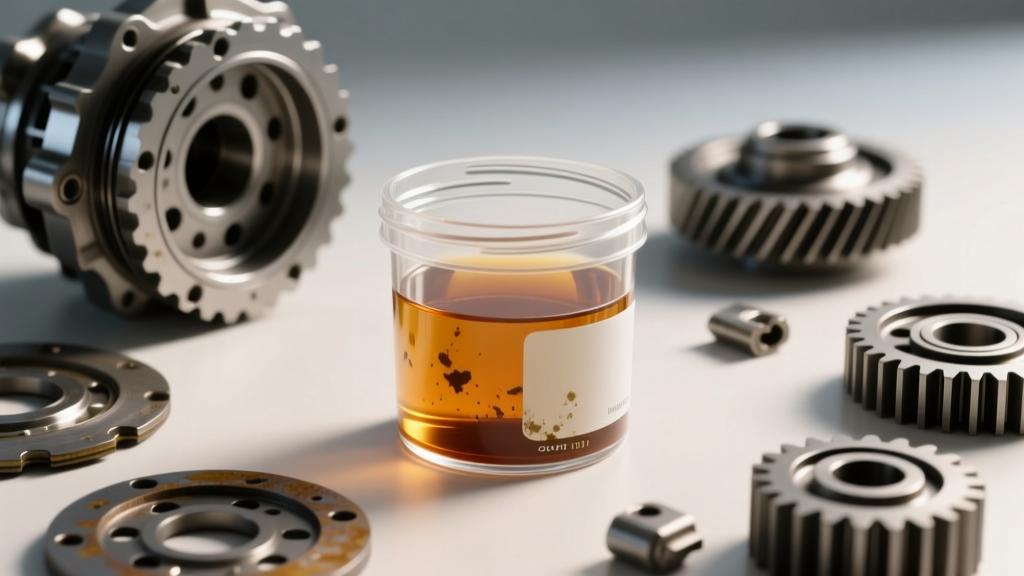
- Rear Differential (GM 8.6-inch 10-bolt): Fill plug torque is 24 lb-ft. Use a 3/8-inch square drive. If the fluid smells like burnt coffee or contains glitter-like metallic particles, your carrier bearings or pinion gear are failing.
- Front Differential: Often features a smaller drain plug (10mm or 12mm Allen). Torque to 18-22 lb-ft depending on the axle manufacturer (e.g., Dana 44 vs. GM IFS).
Diagnosing Leaks: Transfer Case Output vs. Differential Pinion
Because the transfer case and the front differential are connected by the front drive shaft, a fluid leak in this area can easily confuse a beginner. If you see a misting of oil on the underside of your truck, how do you know which component is failing?
Expert Insight: If the leak originates at the rear of the transfer case, it is likely the output shaft seal. As the seal degrades, centrifugal force slings the transfer case fluid down the drive shaft tube. This fluid can travel all the way to the front differential pinion flange, making it look like your differential pinion seal is leaking when it is actually perfectly fine. Always trace the highest point of the oil trail to find the true culprit.
Replacing the transfer case output seal is generally a $15 to $30 part, but it requires dropping the drive shaft and using a seal puller. If you misdiagnose it as a differential pinion seal leak, you might unnecessarily crush a new crush sleeve and reset the pinion bearing preload—a job that requires specialized inch-pound torque wrenches and dial indicators.
2026 Cost Breakdown: DIY vs. Professional Service
As we look at maintenance costs in 2026, the gap between DIY savings and shop labor rates continues to widen. Here is what you can expect to pay when servicing the transfer case and differential relationship.
The DIY Route
- Transfer Case Fluid: $15 - $40 (depending on whether you need standard ATF or proprietary fluids like Auto-Trak II).
- Differential Gear Oil: $40 - $80 for high-quality synthetics like Amsoil Severe Gear or Royal Purple.
- Friction Modifier (if equipped with LSD): $10 - $15 per bottle.
- Total DIY Cost: $65 - $135.
The Professional Shop Route
- Labor: Most shops charge 1.5 to 2.5 hours of labor for a full 4WD drain-and-fill service. At an average rate of $150/hour in 2026, labor alone will cost $225 to $375.
- Shop Fluid Markup: Shops typically mark up OEM fluids by 30% to 50%.
- Total Shop Cost: $350 - $550+.
By understanding the mechanical link between your transfer case and your axles, you not only save hundreds of dollars but also gain the confidence to maintain your 4WD system for hundreds of thousands of miles. Remember, replacing differential fluid is only half the battle; treating the entire drivetrain as a single, interconnected ecosystem is the true key to off-road reliability and daily driving longevity.