The Thermal Bottleneck of the GM 8.25-Inch IFS Front Axle
The 2006-2009 Chevrolet Trailblazer SS (TBSS) remains a benchmark in the performance SUV segment. Powered by the 6.0L LS2 V8 producing 395 horsepower and mated to a reinforced 4L60E transmission, the TBSS relies on a sophisticated BorgWarner 4485 (BW4485) transfer case to distribute torque to all four wheels. However, when enthusiasts push these platforms with superchargers, turbochargers, or aggressive AWD launch tuning, a critical weak point emerges: the Trailblazer SS front differential. Specifically, the thermal management of the GM 8.25-inch Independent Front Suspension (IFS) front axle becomes a severe bottleneck.
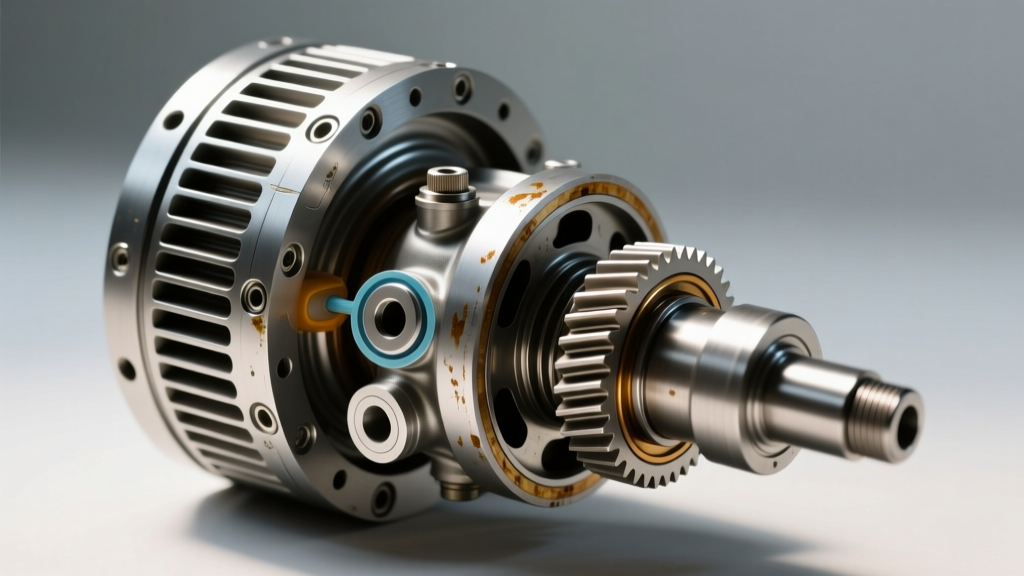
Unlike solid-axle trucks that benefit from massive differential housings and high-volume fluid baths, the TBSS utilizes a compact IFS front differential. This unit is tightly packaged within the front crossmember, restricting ambient airflow. The factory fluid capacity is remarkably low—hovering around 1.3 to 1.5 pints (approximately 0.75 quarts) of 75W-90 gear oil. Under hard AWD acceleration or sustained highway towing in high ambient temperatures, this small volume of fluid rapidly reaches thermal saturation. Once gear oil exceeds 250°F (121°C), the lubricant film begins to shear, leading to accelerated ring and pinion wear, bearing failure, and ultimately, catastrophic differential seizure.
OEM Stamped Steel vs. Aftermarket Finned Aluminum Covers
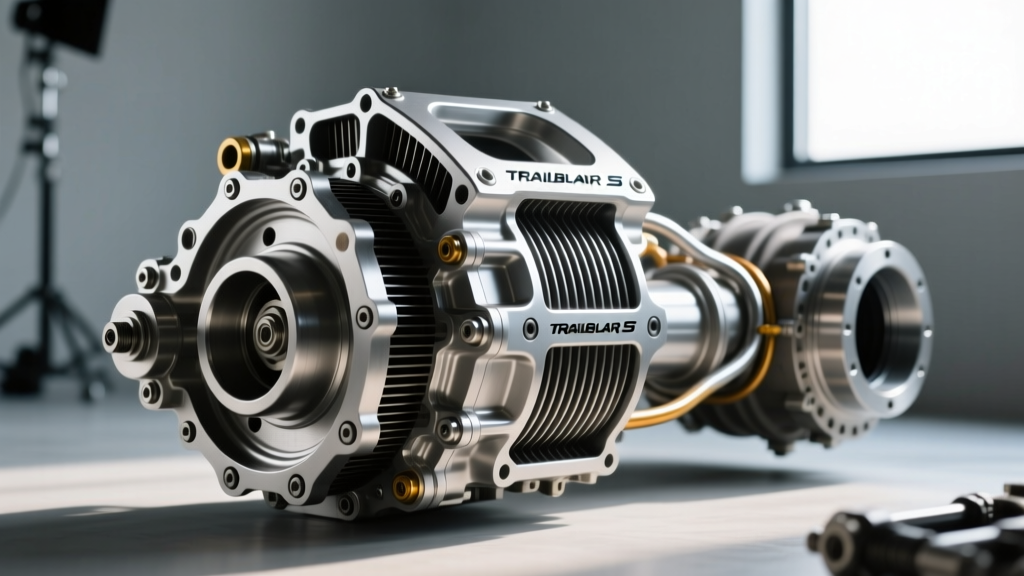
The factory front differential cover on the TBSS is typically a stamped steel plate or a smooth-cast aluminum piece, depending on the specific model year and assembly plant. While adequate for stock grocery-getting duties, smooth-surface covers offer minimal thermal dissipation. Upgrading to an aftermarket finned aluminum differential cover is the first line of defense in managing front axle temperatures.
Aluminum possesses a thermal conductivity roughly 1,500 times greater than steel. By replacing the OEM cover with a cast-aluminum finned variant, you not only increase the surface area for convective heat transfer but also typically add an extra 0.2 to 0.4 quarts of fluid capacity. This additional volume delays thermal saturation, giving the gear oil more time to absorb and dissipate heat before reaching critical breakdown temperatures.
Cover Material & Thermal Dissipation Comparison
| Cover Type | Material | Fluid Capacity Increase | Surface Area Multiplier | Estimated Temp Drop (Under Load) |
|---|---|---|---|---|
| OEM Factory Cover | Stamped Steel / Smooth Cast | Baseline (0.0 qt) | 1.0x | Baseline |
| Standard Aftermarket | Cast Aluminum (Smooth) | +0.1 to +0.2 qt | 1.5x | 8°F - 12°F |
| Performance Finned | A356-T6 Cast Aluminum | +0.3 to +0.5 qt | 3.5x to 4.0x | 20°F - 35°F |
Note: Temperature drops are estimates based on controlled dynamometer and track testing of GM IFS axles under sustained 400+ lb-ft torque loads. For verified aftermarket components, retailers like Summit Racing offer extensive catalogs of GM IFS-specific differential covers.
Advanced Active Cooling Solutions for Tuned TBSS Models
For heavily modified Trailblazer SS owners running 500+ wheel horsepower, passive finned covers may not suffice. The BW4485 transfer case generates immense clutch-pack heat during AWD slip events, which indirectly radiates into the front driveline. In these extreme scenarios, active differential cooling becomes mandatory.
Active cooling systems utilize a small, high-temperature 12V fluid pump to draw gear oil from the differential sump, push it through a remote finned heat exchanger (often mounted in front of the A/C condenser or near the transmission cooler), and return it to the axle. Companies like PPE (Pacific Performance Engineering) manufacture universal and application-specific differential cooler kits. When adapting an active cooler to the TBSS front IFS diff, fabricators typically tap the differential cover itself. This requires drilling and tapping the new aftermarket aluminum cover for -6 AN or -8 AN ORB (O-Ring Boss) fittings. By pulling fluid from the lowest point of the sump and returning it near the ring gear mesh point, you ensure that the most critical components receive a constant supply of thermally stable lubricant.
Precision Installation: RTV, Gaskets, and Torque Specifications
Installing a new differential cover on the GM 8.25-inch IFS front axle requires meticulous attention to detail. The housing is cast aluminum, and the threaded holes for the cover bolts are relatively shallow. Stripping these threads is a common and costly mistake that requires helicoil or timesert repairs.
Step-by-Step Installation Protocol
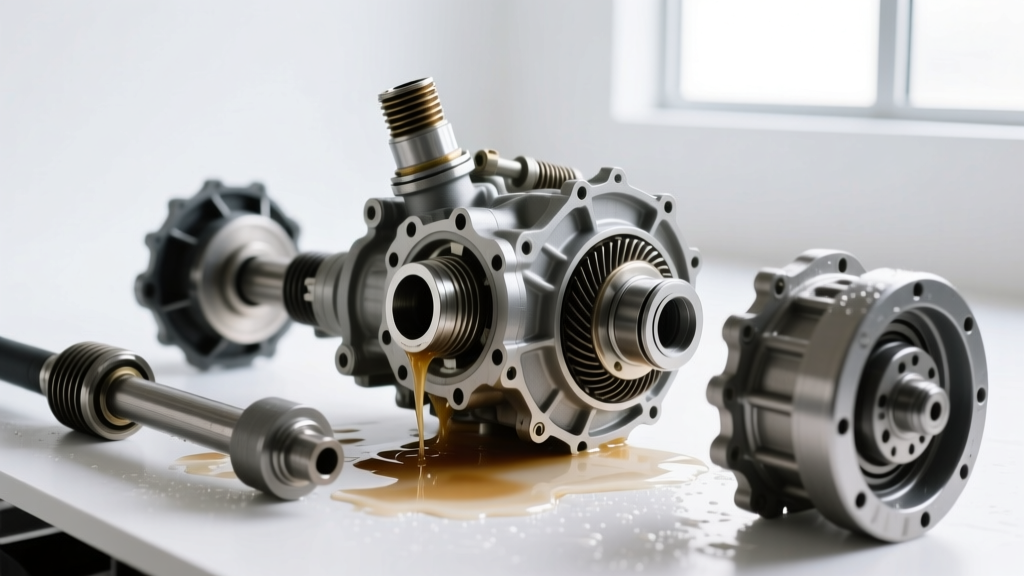
- Drain and Clean: Use a fluid extractor pump to remove the old 75W-90 gear oil via the fill plug, as the IFS front diff lacks a traditional drain plug. Clean the mating surface of the housing with brake cleaner and a lint-free cloth.
- Gasket vs. RTV: While some aftermarket covers include a pre-cut cork or rubber gasket, high-performance applications demand a bead of high-temperature silicone RTV (such as Permatex Ultra Black or The Right Stuff). Apply a continuous 2mm bead around the bolt holes, ensuring no excess silicone can squeeze inward and clog the oil pickup or gear mesh.
- Bolt Preparation: The OEM cover bolts are typically M8x1.25 with a 10mm head. Clean the threads with a wire brush and apply a medium-strength threadlocker (Loctite 243) to prevent backing out due to driveline vibration.
- Torque Sequence and Specs: Install all bolts finger-tight. Using a calibrated inch-pound torque wrench, tighten the bolts in a crisscross star pattern. The factory GM service manual specifies a torque of 20 Nm (15 lb-ft) to a maximum of 25 Nm (18 lb-ft). Do not exceed 18 lb-ft, as the aluminum housing threads will yield rapidly beyond this threshold.
- Cure Time: Allow the RTV to cure for a minimum of 12 hours before filling the differential with fresh gear oil to prevent blowout under internal pressure.
Fluid Tribology: Selecting the Right 75W-90 Synthetic
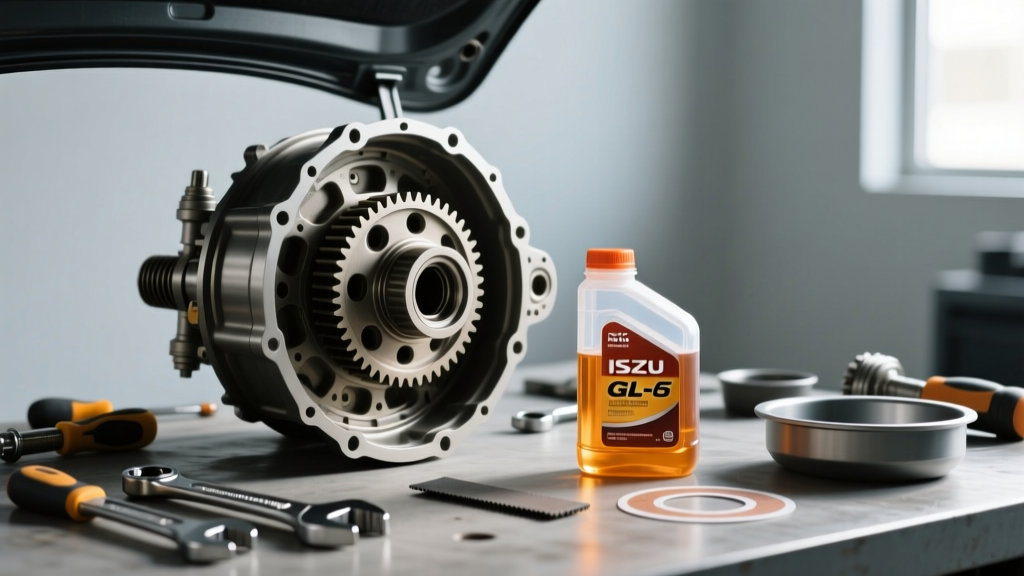
The physical cover upgrade is only half of the thermal management equation; the fluid chemistry is equally critical. The Trailblazer SS front differential requires a high-quality 75W-90 synthetic gear oil. Because the front IFS diff operates with hypoid gears that experience extreme sliding friction, the oil must contain a robust package of Extreme Pressure (EP) additives, typically Zinc Dialkyldithiophosphate (ZDDP) and Phosphorus.
When selecting a fluid, prioritize shear stability over baseline viscosity. In high-heat environments, inferior synthetic blends will permanently lose viscosity (shear down to a 75W-80 or lower), destroying the protective hydrodynamic wedge between the ring and pinion gears. Premium lubricants such as Amsoil Severe Gear 75W-90 or Royal Purple Max Gear utilize proprietary synthetic base stocks and high-retention viscosity index (VI) improvers that maintain their structural integrity even when the differential housing reaches 275°F.
Expert Insight: If you are installing a new ring and pinion gearset in your TBSS front differential alongside a cooling cover upgrade, do not use synthetic fluid for the initial break-in period. Use a high-quality conventional 80W-90 mineral-based gear oil with a dedicated friction modifier for the first 500 miles. This allows the microscopic asperities on the new gears to wear-in and mate properly. Once the break-in fluid is drained and the metallic break-in paste is flushed, install your finned cover and fill with your premium 75W-90 synthetic for long-term thermal protection.
Conclusion: Protecting the AWD Driveline
The Trailblazer SS is a remarkably capable machine, but its front driveline was engineered for stock power levels and standard duty cycles. By addressing the thermal limitations of the GM 8.25-inch IFS axle through a finned aluminum differential cover, precise installation torques, and advanced synthetic fluid chemistry, you effectively bulletproof the front end. Whether you are launching hard at the drag strip or towing through mountain passes, managing front differential heat is the key to ensuring your TBSS puts power to the pavement reliably for years to come. For further community-driven data and long-term reliability reports, the archives at TBSSOwners.com remain an invaluable resource for drivetrain modification strategies.